
Book Appointment Now

Intolerance of Uncertainty, and Anxiety: Treatment Options
The Rising Incidence of Intolerance of Uncertainty and Anxiety in South Africa
An Overview of Local Statistics
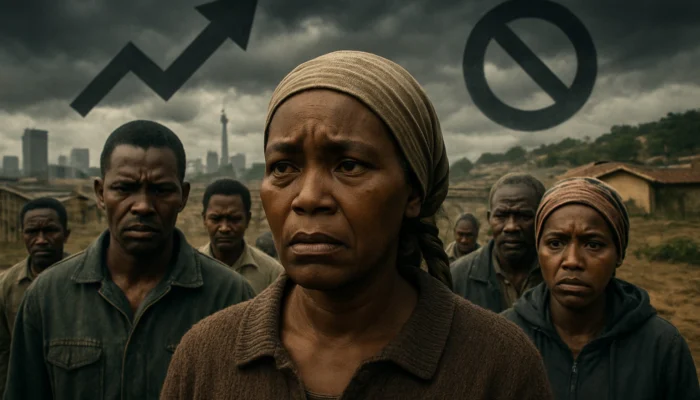
Recent research in urban areas such as Johannesburg and Durban reveals a troubling increase in the prevalence of intolerance of uncertainty and anxiety. This trend correlates closely with economic challenges that significantly influence the day-to-day decision-making processes of South Africans, affecting both urban neighborhoods and rural regions. Studies indicate that many individuals are struggling with anxiety linked to financial instability, job insecurity, and an unpredictable living environment.
For example, surveys conducted in Johannesburg show that a large portion of residents express anxiety regarding their financial futures. In Durban, numerous individuals report challenges in decision-making due to ongoing worries about economic conditions. These statistics underscore the critical need for targeted mental health interventions and community support structures to address these escalating mental health issues.
What Role Does Economic Stress Play?
Economic stress is a significant factor exacerbating intolerance of uncertainty and anxiety among South Africans. In cities like Cape Town, the impact of financial instability is particularly severe, with many people facing job insecurity and the pressures of familial responsibilities. This unstable financial environment creates a cycle of anxiety, where fear of the unknown hinders decision-making capabilities and overall well-being.
As the cost of living continues to rise, many South Africans find themselves entrenched in a persistent state of worry. This anxiety can manifest in numerous ways, from difficulties in focusing at work to tensions in personal relationships. Addressing these economic stressors is essential for enhancing mental health outcomes and nurturing a more resilient society.
How Do Cultural Factors Influence Expression of Anxiety?
Cultural beliefs significantly influence how intolerance of uncertainty and anxiety are expressed throughout South Africa. Traditional values often encourage individuals to seek support through community and family networks rather than through professional mental health services. While this reliance on communal support can offer comfort, it can also result in underreporting of anxiety symptoms, as individuals may feel compelled to adhere to societal expectations.
In numerous South African households, discussions about mental health remain stigmatized. This societal backdrop can lead individuals to hesitate in openly expressing their feelings of uncertainty and anxiety. It highlights the necessity for culturally sensitive mental health resources that align with local beliefs and practices.
How Do Demographics Affect Anxiety Symptoms?

Research on demographics reveals notable differences in how intolerance of uncertainty and anxiety manifest among various age groups and genders in South Africa. Younger adults, particularly those influenced by social media, report elevated levels of anxiety and intolerance of uncertainty. The constant exposure to curated online lives can intensify feelings of inadequacy and fear of missing out, thereby increasing anxiety levels.
Gender differences also play a significant role, with studies indicating that women are more likely to experience anxiety related to uncertainty than men. These differences highlight the need for tailored approaches to mental health support that consider the specific experiences and challenges faced by diverse demographic groups.
How Does Cultural Background Affect Anxiety and Uncertainty?
The Importance of Community Rituals in Coping
Community rituals and practices are crucial for managing intolerance of uncertainty and anxiety in South Africa. Many cultural groups engage in ancestral traditions that promote resilience, such as storytelling and communal ceremonies. These practices not only foster a sense of belonging but also provide avenues for individuals to share their experiences and feelings within a supportive environment.
For instance, in rural villages, social gatherings often serve as platforms for discussing personal challenges, including anxiety. Such communal interactions can reduce feelings of isolation and encourage collective healing, reinforcing the role of cultural heritage in addressing mental health issues.
Impact of Family Dynamics on Mental Health
Family dynamics significantly shape how individuals experience and cope with intolerance of uncertainty and anxiety. In South Africa, extended families often provide emotional support and stability, acting as a protective buffer against anxiety. generational gaps can lead to misunderstandings, especially during transitional periods, resulting in heightened feelings of doubt.
As younger generations face modern challenges, they may struggle to communicate their anxieties with older family members who may not fully grasp contemporary pressures. This disconnect can impede effective coping strategies, highlighting the need for open dialogues within families to bridge these gaps and cultivate mutual understanding.
The Role of Language in Communication
South Africa’s multilingual context plays a critical role in how intolerance of uncertainty and anxiety are articulated and addressed. Different languages carry distinct cultural meanings and emotional nuances, influencing how individuals express their feelings. Therapy and counseling practices are often adapted to local dialects, enhancing engagement and understanding among clients.
Effective communication is vital in mental health contexts, and practitioners are increasingly aware of the necessity for language-sensitive approaches. By utilizing individuals’ preferred languages and culturally relevant terminology, therapists can create a more comfortable environment for discussing experiences of anxiety and uncertainty.
Insights from Experts on Intolerance of Uncertainty and Anxiety
Perspectives from Local Professionals
Psychologists in Pretoria are actively tackling intolerance of uncertainty and anxiety using culturally sensitive methods tailored to diverse populations. These professionals stress the importance of understanding each person’s background and experiences, which allows them to provide personalized support that resonates with clients.
Many therapists blend traditional healing practices with modern psychological techniques, creating a holistic approach to treatment that honors cultural beliefs. This integration fosters trust and encourages clients to engage more openly in their mental health journeys.
Successful Case Studies from Health Clinics
Real-world examples from health centers in Durban demonstrate effective strategies for managing intolerance of uncertainty and anxiety in high-pressure work environments. One notable case involved a local clinic that introduced stress management workshops for employees in the hospitality sector, which is particularly vulnerable to job insecurity.
These workshops included practical coping strategies, such as mindfulness techniques and peer support groups, which significantly enhanced participants’ mental well-being. Feedback indicated that employees felt more empowered to manage their anxiety, showcasing the success of community-based interventions in addressing mental health challenges.
Key Policy Recommendations for Mental Health Integration
To effectively incorporate awareness of intolerance of uncertainty and anxiety into national health initiatives, several actionable steps should be prioritized. Policymakers must enhance mental health education in schools, ensuring that young people learn about anxiety management from an early age. increasing funding for community mental health initiatives will help reach underserved populations.
Collaboration between governmental bodies and local organizations is crucial for establishing comprehensive support systems. By creating clear guidelines and resources for mental health professionals, South Africa can develop a more supportive environment for individuals facing anxiety and uncertainty.
Effective Strategies to Manage Intolerance of Uncertainty and Anxiety
Locally Adapted Mindfulness Techniques
Mindfulness techniques have been tailored for local contexts to help reduce intolerance of uncertainty and anxiety among residents, particularly in densely populated suburbs. Breathing exercises and meditation practices are increasingly featured in community workshops, equipping individuals with practical tools to manage their anxiety.
These techniques encourage participants to concentrate on the present moment, aiding in the reduction of overwhelming feelings. As more community members engage in these sessions, a culture of mindfulness is gradually emerging, empowering individuals to proactively address their anxiety.
Which Therapeutic Methods Are Most Successful?
Cognitive approaches employed via mobile clinics have proven effective for managing intolerance of uncertainty and anxiety in remote Eastern Cape communities. These clinics deliver accessible mental health services to individuals who might otherwise lack professional help.
Therapists use cognitive-behavioral techniques to help clients recognize negative thought patterns and develop healthier coping mechanisms. The success of these mobile clinics highlights the importance of reaching underserved populations with tailored therapeutic interventions that address their specific needs.
Formation of Support Groups
Peer networks established in Gauteng have become a crucial source of support for individuals dealing with intolerance of uncertainty and anxiety. These support groups provide a safe environment for members to share their experiences and coping strategies, nurturing a sense of community and belonging.
Regular meetings concentrate on shared experiences, allowing members to learn from one another while building resilience. The establishment of these groups emphasizes the power of community in addressing mental health challenges and promoting well-being among individuals facing anxiety.
Access to Professional Counseling
In underserved rural areas of KwaZulu-Natal, trained psychologists are offering accessible telehealth services to effectively address intolerance of uncertainty and anxiety. These services provide personalized coping strategies and ongoing support that are tailored to the unique socioeconomic challenges faced by local populations.
Telehealth has transformed access to care, enabling individuals to receive mental health support from the comfort of their homes. This approach not only minimizes barriers to care but also ensures timely assistance in managing anxiety.
Physical Activity Initiatives
Organized sports and exercise programs in Western Cape communities are actively alleviating symptoms of intolerance of uncertainty and anxiety. Regular physical activity promotes the release of endorphins and encourages social interaction, both essential for mental well-being.
Community sports initiatives invite participation from individuals of all ages, fostering camaraderie and support. These programs underscore the significance of physical health in managing mental health challenges and creating a more resilient community.
What Support Systems Exist in Local Communities?
Overview of Government Programs
In the Western Cape, government initiatives have been implemented in schools to identify early signs of intolerance of uncertainty and anxiety. Trained counselors offer guidance and support to students, aiding them in navigating their feelings and developing healthy coping strategies.
These programs are designed to cultivate a safe space for students to openly discuss their mental health concerns. By addressing anxiety early on, schools are promoting a culture of awareness and support that can significantly enhance students’ long-term well-being.
NGO Contributions to Mental Health
Non-governmental organizations (NGOs) in Limpopo are conducting workshops that equip participants with effective tools for managing intolerance of uncertainty and anxiety. These workshops emphasize practical skills, such as stress management techniques and emotional resilience training.
NGOs play an essential role in bridging gaps in mental health services, especially in rural areas where resources are scarce. By offering accessible training and support, these organizations empower individuals to take control of their mental health and well-being.
Access Points for Healthcare
Clinics in the Free State province are incorporating mental health assessments into their routine services to quickly identify and treat intolerance of uncertainty and anxiety. This proactive strategy ensures that individuals receive necessary support before their symptoms worsen.
By integrating mental health evaluations into primary care, healthcare providers can address anxiety as part of comprehensive health management. This integration is crucial for establishing a holistic healthcare system that prioritizes mental well-being.
Programs at Community Centers
Community centers throughout Gauteng province are offering regular support programs aimed at helping individuals identify early signs of intolerance of uncertainty and anxiety. These programs encourage the development of coping strategies in a welcoming environment, motivating participants to share their experiences and seek assistance.
By providing resources and support within the community, these centers are instrumental in promoting mental health awareness. They create safe spaces for individuals to connect, learn from one another, and ultimately enhance community resilience.
Support from Religious Institutions
Religious institutions across KwaZulu-Natal are conducting targeted outreach efforts to support individuals coping with intolerance of uncertainty and anxiety. These initiatives often blend faith-based counseling with referrals to professional care when needed.
Faith communities offer a unique source of support, combining spiritual guidance with practical resources. By addressing mental health issues within a faith context, these institutions help individuals find comfort and encouragement on their journeys.
Future Directions for Enhancing Mental Health Awareness
Needs for Innovative Research
Ongoing projects in Mpumalanga are investigating new methods to measure and alleviate intolerance of uncertainty and anxiety in agricultural communities. These studies aim to pinpoint specific stressors faced by farmers and develop tailored interventions to address their unique challenges.
Research in this domain is vital for understanding how to best support individuals in rural environments. By focusing on the agricultural community, researchers can formulate targeted strategies that enhance mental health and resilience among farmers and their families.
Plans for Education Integration
Integrating topics on intolerance of uncertainty and anxiety into university curricula across South Africa can offer several significant advantages:
- Increases awareness of mental health concerns among future professionals.
- Encourages early identification of anxiety symptoms in peers.
- Promotes open dialogues about mental health within academic environments.
- Equips students with strategies for maintaining their own mental well-being.
Incorporating these topics can cultivate a more informed and compassionate generation of graduates, better equipped to support mental health initiatives within their communities.
What Emerging Trends Are on the Horizon?
Locally developed digital tools are showing promise in monitoring and alleviating intolerance of uncertainty and anxiety symptoms through accessible applications. These apps provide users with resources for managing their anxiety, including mindfulness exercises and community support features.
As technology continues to advance, these digital solutions can significantly enhance the accessibility of mental health support. By leveraging technology, individuals can proactively manage their mental health in a manner that aligns with their lifestyles.
Community-Based Interventions
Local partnerships in rural areas are working to establish support networks that address intolerance of uncertainty and anxiety. These initiatives focus on building resilience and offering culturally sensitive mental health resources to farmers and their families.
By creating community-based support systems, these efforts empower individuals to navigate their challenges more effectively. Such collaborations emphasize the importance of local knowledge and resources in tackling mental health issues.
Frequently Asked Questions
What Exactly Is Intolerance of Uncertainty?
Intolerance of uncertainty refers to an individual’s struggle to cope with the unknown, which often leads to heightened anxiety. This condition can manifest in various ways, including excessive worrying and challenges in making decisions.
How Widespread Is Anxiety in South Africa?
Anxiety is increasingly common in South Africa, with many individuals reporting symptoms tied to economic stresses and social changes. Research indicates that anxiety levels are particularly elevated among younger adults.
Which Cultural Factors Impact Anxiety in South Africa?
Cultural beliefs and practices play a significant role in shaping how anxiety is expressed and managed in South Africa. Many individuals turn to community support and traditional practices to cope with feelings of uncertainty.
Can Mindfulness Techniques Alleviate Anxiety?
Mindfulness practices, such as breathing exercises and meditation, can help individuals manage anxiety by fostering present-moment awareness and diminishing negative thought patterns.
How Do Family Dynamics Affect Mental Health?
Family dynamics can either provide support or create barriers to mental health. Extended families often offer emotional backing, but generational gaps can lead to misunderstandings that intensify anxiety.
Are There Effective Therapies Available for Anxiety?
Yes, therapies such as cognitive-behavioral therapy (CBT) and mindfulness-based approaches have been shown to effectively manage anxiety. Customizing these therapies to cultural contexts enhances their success.
How Does Community Support Contribute to Reducing Anxiety?
Community support networks, including peer groups and local organizations, provide individuals with a sense of belonging and shared experiences, which can help alleviate feelings of isolation and anxiety.
What Effect Does Social Media Have on Anxiety Levels?
Social media can exacerbate anxiety by fostering unrealistic comparisons and amplifying feelings of inadequacy. Young adults, in particular, may experience heightened anxiety due to the influence of social media.
How Can Schools Assist Students Dealing with Anxiety?
Schools can support students by incorporating mental health education, providing access to trained counselors, and nurturing an environment where students feel safe discussing their emotions.
What Trends Are Emerging in Mental Health Support?
Emerging trends in mental health support include the utilization of digital tools and apps for symptom tracking, community-focused interventions, and an increased emphasis on culturally sensitive practices in therapy.



Your examination of the rising intolerance of uncertainty and anxiety in South Africa is both timely and critical. It resonates deeply with the experiences of many individuals navigating the complexities of economic instability and an unpredictable living environment. I’ve recently been reflecting on how such anxiety not only impacts personal well-being but also shapes community dynamics.
The rising incidence of intolerance of uncertainty and anxiety you highlight in South Africa is not just alarming but also deeply thought-provoking. I find it crucial to connect this situation with the broader socio-economic context in which these feelings are emerging. Economic instability has a way of eroding not only individual mental health but also the fabric of communities. The fact that people in urban centers like Johannesburg and Durban are experiencing heightened anxiety regarding their financial futures resonates with so many who live under similar circumstances, both within South Africa and globally.
This overview highlights a poignant issue that many of us in South Africa are all too familiar with. Living in a country where economic uncertainty is prevalent inevitably shapes our mental health landscape. The statistics from Johannesburg and Durban resonate deeply; I find myself often caught in a cycle of worry about job stability and financial security, something that seems to be echoed in conversations with friends and family.
It’s fascinating (and a bit alarming) to see how intertwined our financial woes and mental health really are—almost like a bad reality TV show that you just can’t stop watching! Living in Johannesburg, I’ve definitely felt that gnawing anxiety about whether my bank account will survive another unexpected car repair or if I’ll have to start selling my children’s toys on the internet. Who knew my son’s Lego set might be my financial savior one day?
Your analysis of the rising intolerance of uncertainty and anxiety in South Africa truly resonates with the broader implications of our socio-economic environment, particularly as it relates to mental health. The statistics you’ve presented from Johannesburg and Durban paint a concerning picture of a society grappling with the weight of financial instability and unpredictable living conditions. As someone who has lived in an urban environment, I can empathize with the growing anxiety associated with economic uncertainty.
Your exploration of the rising incidence of intolerance of uncertainty and anxiety in South Africa resonates with me deeply, especially as we navigate these turbulent times globally. It’s disheartening to see how economic challenges can disrupt not just livelihoods but also mental health on such a wide scale. I live in a metropolitan area myself, and it’s interesting to observe similar patterns in local communities. Many people I know, particularly in urban settings, are grappling not just with their own anxieties but also with a growing sense of collective uncertainty.
This post really highlights a significant issue that often flies under the radar. The connection between economic instability and mental health resonates deeply, especially in a country where so many are grappling with uncertainty. I’ve heard friends in both Johannesburg and Durban share their struggles with decision-making when constant financial stress looms over them. It’s a cycle that seems exhausting.
It’s enlightening to see this crucial issue highlighted so prominently. The connection between economic instability and mental health in South Africa is a stark reminder of how intertwined our daily lives are with broader societal conditions. Personally, I’ve noticed how uncertainty impacts people’s choices, from career moves to even smaller decisions like planning social events. This anxiety can create a cycle that feeds on itself, making it harder for communities to come together when they feel stressed.
It’s really eye-opening to see how closely linked the increase in intolerance of uncertainty and anxiety is to economic conditions in South Africa. I can definitely relate to the feelings of anxiety about financial stability; it seems like everyone is feeling the strain these days. Living in an unpredictable environment amplifies those worries.
It’s disheartening to see how economic instability is not just a statistic but a profound reality impacting mental health in South Africa. I’ve noticed similar trends in my own community, where discussions about job security and financial worries have become commonplace. It’s fascinating, yet alarming, how the psychological burden of uncertainty can ripple through our social interactions, affecting relationships and community cohesion.
Your discussion on the rising incidence of intolerance to uncertainty and anxiety in South Africa strikes a deeply resonant chord, particularly given the intertwining of mental health with socio-economic conditions. As someone who has witnessed first-hand the toll that financial instability can take on individuals and families, I find your insights not only timely but necessary.
Your discussion on the rising incidence of intolerance to uncertainty and anxiety in South Africa resonates deeply with my observations. It’s concerning how intertwined psychological well-being is with economic instability, especially in a country where many still grapple with the aftermath of historical inequalities.
Your insights into the rising intolerance of uncertainty and anxiety in South Africa truly resonate with the challenges many face today. I find it striking how economic factors can deeply affect mental health and decision-making. It reminds me of a recent community initiative in my neighborhood that aimed to address similar issues. They organized workshops focusing on financial literacy and mental wellness, which fostered both skills and support networks among participants.
It’s concerning to see how the stress of financial instability and uncertainty is impacting mental health in South Africa. Personally, I’ve noticed similar patterns among friends and family, where discussions about the future often shift to worries about employment and financial security. It’s interesting to consider how our environment plays a role in shaping these anxieties.
It’s disheartening to see the rising rates of intolerance of uncertainty and anxiety in urban areas like Johannesburg and Durban. As someone who has experienced the weight of financial instability firsthand, I can empathize with the growing sense of unease that permeates everyday decision-making. It’s not just about struggling to make ends meet; it’s the emotional toll that comes with constantly worrying about future stability.
This post highlights a crucial issue that resonates deeply with many of us in South Africa. It’s alarming to see how economic factors have such a significant role in shaping our mental health and decision-making processes. I’ve noticed this in my own circles; friends frequently share their worries about job security and the rising cost of living, which often leads to a cycle of anxiety and indecision in their daily lives.
Your exploration of the rising intolerance of uncertainty and anxiety in South Africa truly resonates with me, particularly in today’s fast-paced and often unpredictable world. Living in Johannesburg myself, I’ve observed firsthand how economic challenges seem to permeate every aspect of daily life. The anxiety stemming from financial instability is palpable among friends and family, and it often leads to a pervasive sense of helplessness.
It’s interesting how deeply the economic situation can shape our day-to-day lives and relationships. I get what you’re saying about the way financial instability can create that weight of anxiety. It feels like we’re constantly navigating this tightrope of uncertainty, and it can wear you down after a while.
It’s interesting to see the statistics you’ve shared, as they reflect something I’ve noticed in my circle. The mental health landscape in South Africa really seems to be shifting, especially with the economic challenges weighing heavily on people’s minds. I’ve had conversations with friends who are feeling increasingly anxious not just about finances but also about the unpredictability of jobs in a world that’s changing so rapidly.