
Book Appointment Now
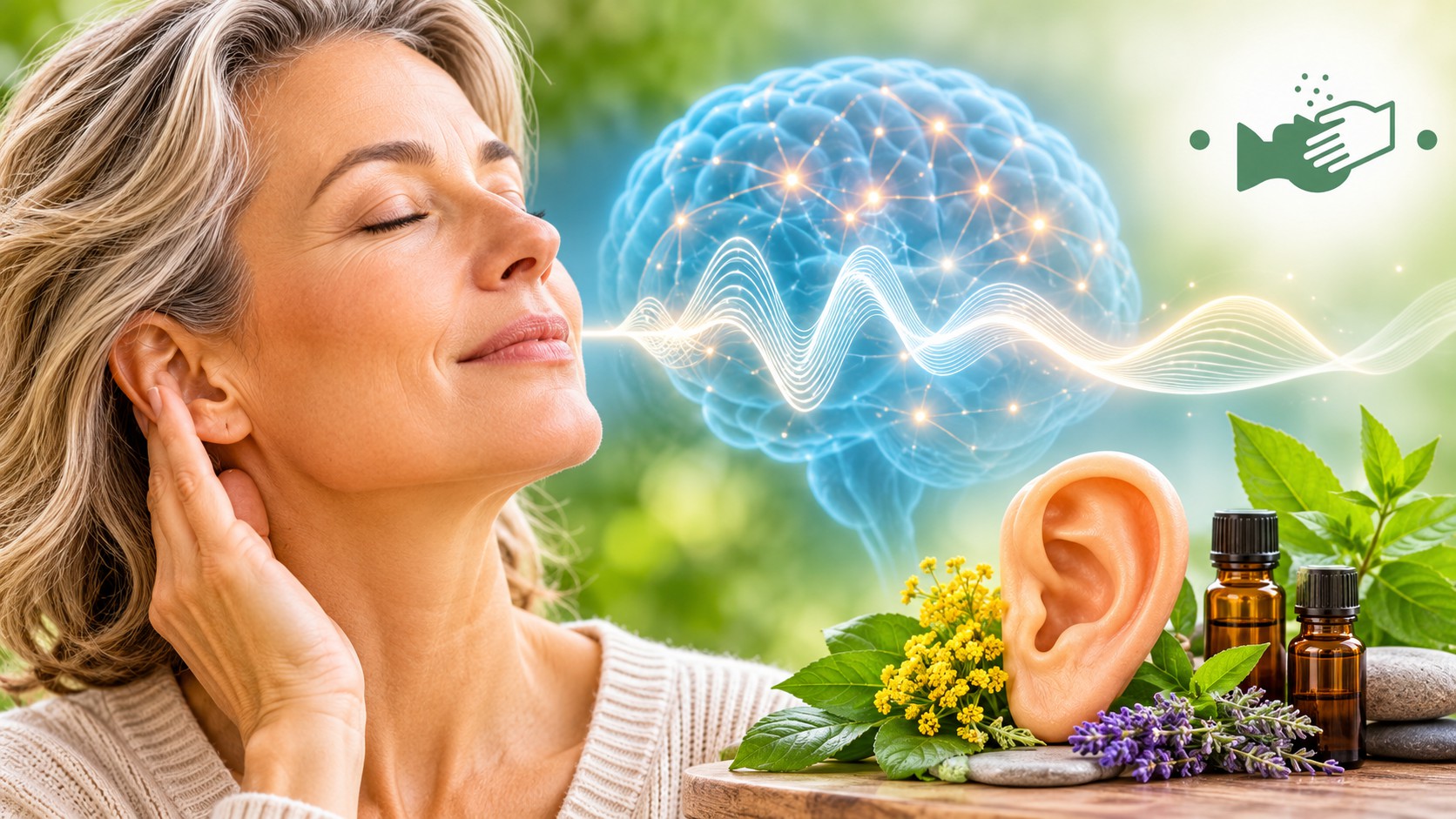
Tinnitus: Causes, Stress, Brain Health & Natural Support
Tinnitus: Understanding the Connection Between Your Ears, Brain and Nervous System
Exploring the causes of tinnitus, the influence of stress and sleep, and how a holistic approach to wellbeing may help you manage its effects.

Imagine hearing a ringing, buzzing, hissing or whistling sound that nobody else can hear. It follows you throughout the day, interrupts your concentration, makes it difficult to relax and, for some people, becomes particularly noticeable when they lie down at night.
For millions of people, this is everyday life with tinnitus.
Although tinnitus is often described as a problem with the ears, our understanding of this condition has developed considerably. Research increasingly highlights the important role played by the brain, the nervous system, emotional wellbeing and the way we process sound.
For some people, tinnitus is a relatively minor inconvenience. For others, it can become an exhausting and distressing experience, affecting sleep, concentration, relationships, work performance and quality of life.
The good news is that although there is currently no universally established cure for tinnitus, there are several approaches that can help people manage its effects and improve their quality of life.
At Spark Of Life in Cape Town, we take a whole-person approach to wellbeing. Through Auricular Acupuncture, AcuDetox and personalised wellness programmes, we support people experiencing ongoing stress, sleep difficulties and emotional strain. These are particularly relevant areas to address when living with the challenges of tinnitus.
1. What exactly is tinnitus?
Tinnitus is the perception of sound when there is no corresponding external sound source.
People describe the experience in many different ways, including:
-
Ringing or whining.
-
Buzzing or humming.
-
Hissing or sizzling.
-
Whistling or high-pitched tones.
-
Clicking or ticking.
-
Roaring or rumbling.
-
Sounds resembling crickets.
-
Beeping or electronic tones.
-
Whooshing sounds.
Tinnitus can affect one ear, both ears or appear to originate inside the head. It may be continuous or intermittent, and its intensity can fluctuate throughout the day.
It is important to understand that tinnitus is not a condition in itself but a symptom that can have several underlying causes.
Some people experience tinnitus following prolonged exposure to loud noise, while others develop it alongside age-related hearing loss, ear problems, medication use or other health conditions.
The experience is also highly individual. Two people with similar hearing test results may experience very different levels of discomfort and distress.
2. The hidden link between tinnitus and the brain
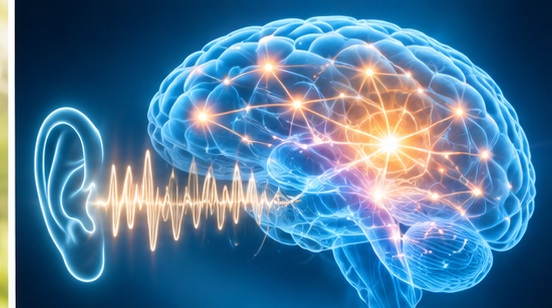
One of the most interesting aspects of tinnitus is that the sound we perceive is not necessarily being generated by the ear itself.
The brain plays a central role in how we hear and interpret sound.
Under normal circumstances, sound waves enter the ear, stimulate specialised structures in the inner ear and are converted into electrical signals. These signals travel along the auditory nerve to the brain, where they are processed and interpreted.
When the auditory system is damaged or its input changes, the brain may adapt to the altered signals.
For example, when hearing loss reduces the amount of sound information reaching the brain, changes in auditory processing and neural activity may contribute to the perception of sound that is not actually present.
This is sometimes described as the brain attempting to compensate for missing auditory input.
It is a useful way of understanding tinnitus, although the precise mechanisms are more complex and vary between individuals.
The important point is that tinnitus involves more than the ears. It also involves the brain’s interpretation of sound.
Why does tinnitus seem louder when you are stressed?
The brain does not process sound in isolation. It also considers its emotional significance.
The limbic system, which is involved in emotional processing, and the brain’s attention networks influence how we respond to tinnitus.
When we are stressed, anxious or emotionally overwhelmed, we may become more alert to internal sensations, including tinnitus.
This can create a cycle:
-
You notice the ringing or buzzing.
-
You become concerned or frustrated by it.
-
Your stress response increases.
-
You become more attentive to the sound.
-
The tinnitus becomes more noticeable.
-
Your increased awareness creates further anxiety.
The sound may not necessarily have become objectively louder. Rather, your brain may be giving it more attention and emotional importance.
Breaking this cycle can be an important part of tinnitus management.
3. The stress and tinnitus connection

Stress is one of the most frequently reported factors influencing how people experience tinnitus.
Modern lifestyles can expose us to persistent demands, including work pressure, financial concerns, family responsibilities, emotional challenges and insufficient time for recovery.
When the body remains in a prolonged state of heightened alertness, relaxation and restorative sleep can become increasingly difficult.
For someone with tinnitus, this can create an unfortunate relationship between stress and sound perception.
Understanding the stress–tinnitus cycle
| Stage | What happens |
|---|---|
| Stressors | Work, lifestyle pressures, emotional strain or poor sleep. |
| Stress response | The body becomes more alert and activated. |
| Sound perception | Ringing, buzzing or hissing becomes more noticeable. |
| Emotional response | Frustration, worry or anxiety develops. |
| Increased attention | The brain monitors the sound more closely. |
| Reinforcement | Greater distress makes tinnitus harder to ignore. |
This explains why some people find their tinnitus particularly troublesome during periods of emotional stress or when they are physically exhausted.
It also explains why addressing stress and emotional wellbeing may be valuable, even when the original cause of tinnitus is related to hearing loss or another physical condition.
The objective is not simply to ignore the sound. It is to reduce the distress associated with it and improve the brain’s ability to respond without continually focusing on the noise.
4. Why poor sleep makes tinnitus more difficult to manage

Sleep and tinnitus have a particularly complicated relationship.
Many people report that their tinnitus becomes more noticeable at night. There are several possible reasons:
-
Less background noise: During the day, environmental sounds provide competition for our attention. At night, the quiet makes internal sounds more noticeable.
-
Mental fatigue: After a demanding day, our ability to regulate attention and emotional responses may be reduced.
-
Stress hormones and alertness: Ongoing stress can make it harder to relax and fall asleep.
-
Sleep disruption: Once tinnitus interferes with sleep, tiredness can make the following day more difficult, potentially increasing sensitivity to the sound.
This can become another cycle:
Tinnitus disrupts sleep → poor sleep increases fatigue → fatigue reduces emotional resilience → tinnitus becomes more difficult to tolerate → sleep becomes even more challenging.
Improving sleep habits is therefore an important part of managing the overall impact of tinnitus.
Practical strategies for better sleep
Consider introducing some of the following habits:
-
Maintain a regular bedtime and waking time.
-
Keep your bedroom comfortable, dark and quiet, but avoid complete silence if this makes tinnitus more noticeable.
-
Try gentle background sounds, such as rainfall, nature sounds, a fan or soft ambient music.
-
Reduce screen exposure before bedtime.
-
Avoid heavy meals immediately before sleeping.
-
Develop a relaxing evening routine.
-
Practise slow breathing or mindfulness before going to bed.
-
Address ongoing stress rather than allowing it to accumulate.
The Spark Of Life Sleep Well Programme focuses on relaxation, healthier sleep routines, lifestyle guidance and Auricular Acupuncture as part of a personalised approach to improving sleep and overall wellbeing.
5. Common causes of tinnitus
Tinnitus has many possible causes. Identifying the underlying reason is an important first step towards appropriate management.
Some of the more common causes include:
1. Noise exposure
Prolonged or excessive exposure to loud sounds can damage the delicate sensory structures in the inner ear.
Sources include:
-
Loud music and concerts.
-
Excessive headphone or earphone volume.
-
Industrial machinery.
-
Engines and generators.
-
Firearms and explosions.
-
Garden and building equipment.
Noise-induced tinnitus may occur temporarily after exposure or become persistent following more significant damage.
2. Age-related hearing loss
As we get older, changes in the auditory system can affect our ability to hear certain frequencies. Tinnitus frequently accompanies age-related hearing loss.
3. Earwax build-up
Excessive earwax can obstruct the ear canal, interfere with hearing and contribute to tinnitus. This is one of the potentially reversible causes.
4. Ear infections
Infections and inflammation affecting the outer or middle ear can produce tinnitus, often alongside discomfort, pressure or hearing changes.
5. Ménière’s disease
This inner-ear disorder can cause episodes of vertigo, fluctuating hearing loss, pressure in the ear and tinnitus.
6. Medication side effects
Certain medicines can affect the auditory system. These include some antibiotics, chemotherapy medicines, anti-inflammatory medicines and high-dose aspirin, among others.
Never discontinue prescribed medication without first consulting your doctor.
7. Head and neck injuries
Injuries affecting the head, neck or auditory pathways may contribute to tinnitus.
8. Temporomandibular joint (TMJ) disorders
The temporomandibular joint connects the jaw to the skull and is situated close to the ear.
Jaw clenching, teeth grinding, muscular tension and joint dysfunction can sometimes trigger or influence tinnitus.
9. Other medical conditions
Blood pressure abnormalities, vascular conditions, thyroid disorders, anaemia and certain neurological conditions may also be associated with tinnitus.
The important consideration is that tinnitus should not automatically be attributed to stress or ageing. A proper assessment helps identify possible underlying causes and appropriate treatment options.
6. The Vitamin B12 connection: Supporting auditory nerve health
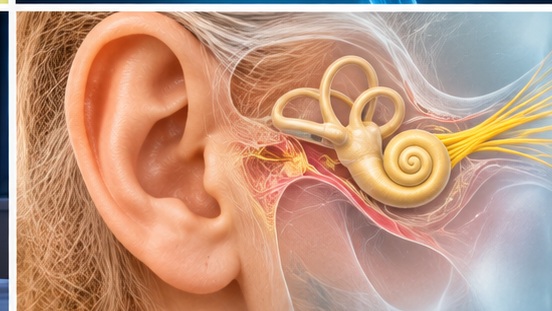
Vitamin B12 is an essential nutrient involved in several important functions throughout the body, particularly those relating to the nervous system and the production of healthy red blood cells.
It plays an important role in maintaining the protective myelin sheath surrounding nerve fibres. This insulation helps nerves transmit electrical signals efficiently.
The auditory system relies on effective communication between the inner ear, auditory nerve and brain. Consequently, adequate B12 levels are important for general neurological health.
Why is B12 relevant to tinnitus?
Research has investigated possible relationships between Vitamin B12 deficiency, hearing problems and tinnitus.
Some studies have identified a higher prevalence of B12 deficiency among people experiencing tinnitus, although this does not establish that B12 deficiency is a cause of tinnitus in every case.
Potentially relevant functions of Vitamin B12 include:
-
Supporting normal nerve function.
-
Contributing to myelin formation and maintenance.
-
Supporting normal red blood cell production and oxygen transport.
-
Participating in cellular metabolism and energy production.
-
Supporting normal neurological function.
A deficiency may contribute to neurological symptoms and could potentially affect auditory nerve function.
Should you take Vitamin B12 for tinnitus?
Not necessarily.
Vitamin B12 supplementation is appropriate when a deficiency has been identified or when there is a recognised risk of deficiency. However, there is currently insufficient evidence that taking additional B12 reduces tinnitus in people whose levels are already adequate.
If you experience persistent tinnitus, discuss possible nutritional deficiencies with your healthcare professional. Depending on your medical history and symptoms, blood tests may include Vitamin B12, thyroid function and other relevant investigations.
A balanced diet containing foods such as fish, eggs, dairy products and meat can help provide Vitamin B12. People following vegan diets may need fortified foods or supplementation.
The principle is simple: nutritional deficiencies should be identified and corrected, rather than assuming that more supplements will necessarily provide greater benefit.
7. What can you do to reduce the impact of tinnitus?

Although there is no universally effective cure, there are several evidence-informed approaches that can help reduce tinnitus-related distress and improve daily functioning.
The best approach often combines different strategies, depending on the individual’s circumstances.
1. Sound therapy
Sound enrichment can help reduce the contrast between tinnitus and the surrounding environment.
Examples include:
-
White or pink noise.
-
Rainfall and flowing water.
-
Gentle nature sounds.
-
Soft background music.
-
Specialised sound therapy devices.
The aim is not necessarily to drown out the tinnitus completely, but to introduce comfortable background sound that makes it less intrusive.
2. Mindfulness and meditation
Mindfulness encourages us to become aware of our thoughts, feelings and physical sensations without immediately reacting to them.
For someone with tinnitus, this can help reduce the emotional response to the sound.
Rather than constantly monitoring the ringing or becoming frustrated by it, mindfulness encourages a more relaxed and accepting relationship with the experience.
Regular practice may help with:
-
Stress management.
-
Emotional regulation.
-
Relaxation.
-
Improved sleep routines.
-
Reduced anxiety.
3. Cognitive Behavioural Therapy (CBT)
CBT is one of the better-supported psychological approaches for persistent, bothersome tinnitus.
It does not necessarily eliminate the sound. Instead, it helps people change the way they think about and respond to tinnitus.
CBT can help reduce:
-
Fear and anxiety associated with tinnitus.
-
Excessive attention to the sound.
-
Frustration and emotional distress.
-
Sleep-related worry.
-
The impact of tinnitus on everyday activities.
Clinical guidelines recommend tinnitus-focused CBT for people experiencing persistent, troublesome symptoms. [4, 5]
4. Auricular Acupuncture: The Ear’s Connection to the Whole Body
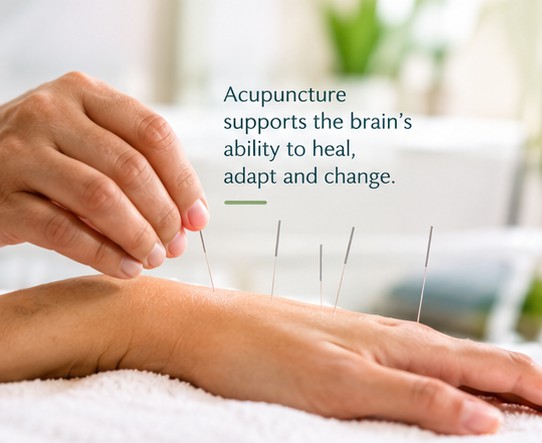
Auricular Acupuncture is a fascinating and increasingly recognised therapeutic approach based on the relationship between the external ear and the rest of the body.
Its modern development owes much to the pioneering work of French physician Dr Paul Nogier, who devoted approximately four decades to researching, mapping and developing the principles of auriculotherapy. Through extensive clinical observation and investigation, Nogier developed the concept that specific areas of the ear correspond to different parts and functions of the body.
His work, subsequently explored and developed by other physicians and researchers, established the foundation of the auricular somatotopic map, often illustrated as an inverted representation of the human body within the ear.
Today, Auricular Acupuncture is practised internationally and is used in a variety of therapeutic settings to support pain management, nervous-system regulation, emotional wellbeing and other health concerns.
How does Auricular Acupuncture work?
The external ear has a rich network of sensory nerve connections, including branches associated with the vagus, trigeminal and cervical nerves.
Stimulating specific auricular points provides sensory input to the nervous system. Research suggests that this stimulation can influence neurological pathways involved in pain perception, autonomic regulation and emotional responses.
This is particularly interesting in relation to tinnitus, where the auditory system, brain activity, emotional processing and nervous-system responses are closely interconnected.
By stimulating selected ear points, Auricular Acupuncture aims to influence these interconnected systems and support the body’s natural regulatory processes.
Auricular Acupuncture and tinnitus
Tinnitus is not simply a problem of sound perception. It can involve changes in auditory processing, nervous-system activity, emotional responses and the brain’s attention networks.
Auricular Acupuncture offers an approach that considers these wider connections.
Specific auricular acupuncture protocols have been investigated for tinnitus, with clinical research reporting encouraging findings in some areas. Its potential applications include:
- Supporting nervous-system regulation.
- Encouraging relaxation and reducing stress responses.
- Supporting emotional balance.
- Addressing muscular tension and associated discomfort.
- Potentially influencing pathways involved in pain and sensory processing.
- Supporting general wellbeing in people living with persistent tinnitus.
The relationship between the ear and the nervous system makes auricular stimulation a particularly interesting area of ongoing research.
NADA AcuDetox: Supporting relaxation and emotional wellbeing
At Spark Of Life, we also offer the recognised NADA AcuDetox five-point auricular acupuncture protocol.
Developed through the work of Dr Michael Smith and colleagues at Lincoln Hospital in New York, the NADA protocol uses five specific ear points to support relaxation, emotional regulation and wellbeing.
Although it is not a tinnitus-specific treatment, its emphasis on nervous-system regulation and emotional wellbeing makes it a potentially valuable complementary approach for people whose tinnitus is accompanied by stress, anxiety, emotional strain or sleep difficulties.
For someone caught in the stress–tinnitus cycle, addressing the wider effects of stress may be an important part of improving quality of life.
At Spark Of Life, Auricular Acupuncture and NADA AcuDetox form part of a personalised approach to wellness, supporting the individual rather than focusing exclusively on a single symptom.
The work of Dr Nogier and subsequent auricular acupuncture researchers demonstrates the remarkable therapeutic possibilities associated with the ear and its relationship with the body. It remains an important and evolving field of complementary healthcare.
5. Hearing aids and professional hearing support
For people who have tinnitus alongside hearing loss, hearing aids may help by improving access to environmental sounds.
This can make tinnitus less noticeable and improve communication and quality of life.
An audiologist can assess hearing and advise whether hearing aids or other hearing interventions are appropriate.
6. Stress management and lifestyle changes
Reducing the overall burden of stress can be an important part of managing tinnitus.
Consider:
-
Regular physical activity.
-
Adequate sleep.
-
Relaxation exercises.
-
Healthy nutrition.
-
Time outdoors.
-
Maintaining social connections.
-
Reducing excessive work and lifestyle pressures.
-
Seeking support when anxiety or emotional distress becomes difficult to manage.
The objective is to create a healthier internal environment in which the nervous system can function more effectively.
8. Simple everyday habits that may help

There are several practical things you can do to make tinnitus easier to manage.
| Try this | Why it may help |
|---|---|
| Stay adequately hydrated | Supports general health and normal bodily function. |
| Practise deep breathing | Encourages relaxation and helps manage stress. |
| Use gentle background noise | Reduces the contrast between tinnitus and silence. |
| Maintain healthy sleep habits | Supports emotional resilience and concentration. |
| Take regular exercise | Supports general physical and mental wellbeing. |
| Limit caffeine if it affects you | Some individuals notice an association between caffeine and their symptoms. |
| Moderate alcohol consumption | Alcohol may aggravate symptoms in some people. |
| Protect your hearing | Helps prevent additional noise-related damage. |
| Take breaks from stressful activities | Provides opportunities for recovery and relaxation. |
What should you avoid?
There are also habits that can make tinnitus more difficult to manage.
-
Excessive exposure to loud music and noise.
-
Listening to music through earphones at unsafe volumes.
-
Constantly checking whether the ringing is still there.
-
Spending all your time in complete silence.
-
Allowing poor sleep to become a persistent pattern.
-
Ignoring ongoing anxiety or emotional stress.
-
Assuming every change in tinnitus is harmless.
-
Taking supplements or changing medication without appropriate professional advice.
It is worth noting that caffeine does not worsen tinnitus for everyone, and there is no good evidence that everyone with tinnitus needs to eliminate it. Pay attention to your own triggers rather than imposing unnecessary restrictions.
Similarly, background sound should be comfortable and kept at a safe listening level.
9. Essential Oils: Natural Compounds for Relaxation, Inflammation and Wellbeing

Essential oils have been used in traditional healing practices for centuries. Modern research has increasingly explored their chemical composition and the biological properties of their naturally occurring compounds.
These concentrated plant extracts contain a variety of active constituents, including terpenes, terpenoids, esters and phenolic compounds. Depending on the plant and extraction method, these substances may demonstrate anti-inflammatory, antioxidant, antimicrobial, analgesic and calming properties.
Their potential benefits extend beyond their pleasant aromas.
How might essential oils help?
Inflammation, oxidative stress and changes in nervous-system activity are all areas of interest in modern health research.
Certain essential oil constituents have demonstrated the ability to influence inflammatory pathways and oxidative processes in laboratory and preclinical studies. Other compounds have been investigated for their effects on relaxation, mood and the nervous system.
For people living with tinnitus, these properties are particularly interesting because tinnitus may occur alongside stress, sleep disruption, muscular tension and other conditions that affect overall wellbeing.
Although essential oils have not been established as a treatment for tinnitus itself, they may provide useful complementary support through their effects on relaxation, comfort and general wellbeing.
Three essential oils worth exploring
1. Helichrysum (Helichrysum italicum)
 Helichrysum, sometimes called the everlasting flower, is valued in traditional herbal and aromatherapy practices.
Its essential oil contains compounds such as neryl acetate and various sesquiterpenes. Research has investigated its anti-inflammatory, antioxidant and tissue-supporting properties.
Potential areas of interest include:
- Anti-inflammatory activity.
- Antioxidant properties.
- Support for skin health and tissue care.
- Traditional use in soothing preparations.
- Potential benefits associated with reducing inflammatory responses.
Helichrysum is particularly valued in natural wellness preparations because of its diverse botanical constituents.
2. Frankincense (Boswellia species)

Frankincense has a long history of use in traditional medicine, meditation and spiritual practices.
The Boswellia plant is particularly interesting because its resin contains boswellic acids, which have been extensively investigated for their anti-inflammatory properties.
An important distinction is that boswellic acids are principally associated with the resin and are not present in the same way in distilled frankincense essential oil.
The essential oil itself contains aromatic compounds, including alpha-pinene, which have been investigated for various biological properties.
Frankincense is traditionally valued for:
- Supporting relaxation and meditation.
- Its aromatic and grounding qualities.
- Potential antioxidant activity.
- Its use in traditional wellness and skincare preparations.
3. Basil (Ocimum basilicum)

Basil essential oil contains naturally occurring compounds such as linalool, eugenol and methyl chavicol (estragole), although the precise composition varies considerably between varieties.
Research has investigated different basil oil constituents for their anti-inflammatory, antioxidant and antimicrobial properties.
Traditionally, basil has been associated with:
- Supporting relaxation and mental clarity.
- Its refreshing and uplifting aroma.
- Potential anti-inflammatory activity.
- Antioxidant properties.
- Supporting a sense of general wellbeing.
Incorporating essential oils into a wellness routine
Essential oils can be incorporated into everyday wellness practices in several ways:
- Aromatherapy diffusion: Using an appropriate diffuser to introduce a gentle aroma into a room.
- Inhalation: Enjoying the aroma from a tissue or personal inhaler.
- Massage: Using properly diluted essential oils in a suitable carrier oil as part of a relaxing massage.
- Relaxation rituals: Incorporating aromatherapy into meditation, breathing exercises or an evening wind-down routine.
For people experiencing tinnitus, a relaxing aromatherapy routine may help create a more comfortable environment, particularly when stress and difficulty sleeping are contributing to the overall experience.
Essential oils should not be placed inside the ear canal or applied undiluted to the skin. Some oils can cause irritation, sensitisation or allergic reactions. Appropriate dilution, product quality and individual suitability are important, particularly for people with asthma, allergies or other sensitivities.
A holistic perspective
The potential of essential oils lies in the complex chemistry of plants and the many ways their naturally occurring compounds interact with biological systems.
While further clinical research is needed to establish specific applications for tinnitus, their anti-inflammatory, antioxidant and relaxation-supporting properties make them interesting additions to a broader approach to health and wellbeing.
At Spark Of Life, we believe that supporting wellbeing involves looking at the whole person and recognising the value of complementary approaches alongside appropriate medical care.
Nature provides an extraordinary range of biologically active compounds. Understanding and using them appropriately can form part of a thoughtful, integrated approach to wellness.
10. When should you seek medical attention?
Although tinnitus is often associated with hearing changes and other non-emergency conditions, certain symptoms require prompt medical investigation.
Do not delay seeking medical attention if you experience any of the following:
Important warning signs
-
Sudden hearing loss: Particularly when it develops over a period of hours or a few days. This requires urgent assessment, ideally within 24 hours.
-
One-sided tinnitus with hearing loss: Especially if the hearing difference is new or unexplained.
-
Pulsatile tinnitus: A rhythmic sound that beats in time with your heartbeat. This needs medical investigation.
-
Neurological symptoms: Such as facial weakness, numbness, difficulty speaking, severe dizziness or sudden loss of balance.
-
Tinnitus following head injury: Particularly when accompanied by hearing changes or dizziness.
Sudden hearing loss accompanied by neurological symptoms, or suspected stroke symptoms, requires emergency assessment.
Persistent tinnitus, even without these warning signs, deserves investigation if it affects your sleep, concentration, emotional wellbeing or quality of life.
What does a proper assessment involve?
Depending on the symptoms and medical history, an assessment may include:
-
Medical history and examination.
-
Examination of the ear canal and eardrum.
-
Hearing assessment and audiometry.
-
Assessment of possible medication-related causes.
-
Blood tests where clinically indicated.
-
Imaging where specific symptoms or clinical findings warrant it.
The purpose is to identify potentially treatable causes and establish the most appropriate management plan. Not everyone requires imaging.
A doctor, audiologist or ENT specialist can guide this process. [1, 2, 3]
11. How Spark Of Life can support your wellbeing
Living with tinnitus can be exhausting, particularly when it interferes with sleep, concentration, relaxation and emotional wellbeing.
While it is important to investigate the underlying causes and obtain appropriate hearing care, it is equally important not to overlook the broader effects on your quality of life.
This is where a whole-person approach to wellness can be beneficial.
At Spark Of Life, we recognise the interconnected relationship between stress, sleep, emotional wellbeing and the nervous system.
Our approach is centred on personalised support, helping people develop healthier routines, manage everyday pressures and build greater resilience.
We offer several complementary treatments and structured wellness programmes that may be relevant to people experiencing the wider challenges associated with tinnitus.
Auricular Acupuncture and NADA AcuDetox

Auricular Acupuncture, including the NADA AcuDetox protocol, is used to support relaxation and emotional wellbeing.
For someone living with tinnitus, this may be worth exploring when stress, tension and difficulty relaxing are significant concerns.
The aim is to support a calmer state and provide an opportunity to step away from the pressures of everyday life.
Stress Reset Programme
 The Stress Reset Programme is designed for people experiencing ongoing stress, pressure or burnout.
It combines Auricular Acupuncture, practical stress-management strategies and personalised lifestyle guidance.
For someone whose tinnitus becomes particularly troublesome during stressful periods, addressing these underlying lifestyle factors may form a useful part of a broader management strategy.
Sleep Well Programme
 The Sleep Well Programme focuses on relaxation, healthier sleep habits and lifestyle support.
Because poor sleep and tinnitus can reinforce one another, developing healthier sleep patterns may be an important step towards improving daily functioning and emotional resilience.
Emotional Balance Programme
 The Emotional Balance Programme provides personalised support for people experiencing emotional strain, overwhelm or difficulty maintaining emotional resilience.
It combines Auricular Acupuncture, lifestyle guidance and practical self-care strategies.
Complete Wellness Transformation
 For people who want to address several aspects of their health and lifestyle together, the Complete Wellness Transformation Programme offers a more comprehensive approach.
It considers stress, sleep, emotional wellbeing, lifestyle habits, energy and long-term health.
An important distinction: These treatments and programmes are complementary wellness services. They are not established treatments for tinnitus itself and should not replace audiological assessment, medical treatment or tinnitus-specific psychological care.
At Spark Of Life, our aim is to support the person, not simply focus on an individual symptom.
12. Living well despite tinnitus: Changing your relationship with the sound

One of the most important things to understand about tinnitus is that the volume of the sound and the level of distress it causes are not necessarily the same thing.
Some people experience relatively loud tinnitus but are able to carry on with their lives without significant distress. Others experience quieter sounds that become a constant source of anxiety and frustration.
This highlights the importance of addressing both the auditory and emotional aspects of the condition.
The brain is adaptable. Through appropriate support, sound enrichment, psychological strategies, improved sleep and stress management, many people can learn to reduce the impact tinnitus has on their lives.
The objective is not necessarily to make the sound disappear, but to reach a point where it no longer dominates your attention or determines how you feel throughout the day.
There is no single solution that works for everyone. Finding the right combination of medical care, hearing support, lifestyle changes and complementary therapies requires an individual approach.
A final thought
Your ears, brain and nervous system work together as an integrated system. When something changes in one area, it can influence how you experience the world around you.
Tinnitus reminds us how closely connected our physical health, emotional wellbeing and quality of life really are.
Although there is currently no universally established cure, there are meaningful ways to improve how you manage the condition.
Understanding the causes, protecting your hearing, improving your sleep, managing stress and seeking appropriate professional support are all positive steps.
You do not have to let tinnitus define your life.
At Spark Of Life, we believe that investing in your wellbeing is an important part of living a healthier, more balanced and fulfilling life.
Explore our Treatments and Wellness Programmes, or arrange an initial consultation to discuss your personal wellness goals.
References and further reading
The following references provide scientific and clinical background to the article. They include established clinical guidelines, research into tinnitus mechanisms, nutritional considerations and complementary approaches.
1. World Health Organization (WHO).
Tinnitus – Deafness and Hearing Loss.
Overview of tinnitus, its causes, associated hearing conditions and the importance of medical assessment.
Read WHO guidance on tinnitus.
2. National Institute on Deafness and Other Communication Disorders (NIDCD).
What Is Tinnitus? Causes and Treatment.
An overview of tinnitus, hearing loss, noise exposure, medication-related causes and other contributing conditions.
3. National Institute for Health and Care Excellence (NICE).
NG155: Tinnitus – Assessment and Management.
Clinical recommendations covering investigation, audiological assessment, referral criteria and treatment options.
Read NICE clinical guidelines.
4. American Academy of Otolaryngology–Head and Neck Surgery Foundation.
Clinical Practice Guideline: Tinnitus Update (2026).
Updated clinical recommendations concerning persistent tinnitus, audiological assessment, CBT, hearing aids and sound enrichment.
View the updated clinical guideline.
5. NICE.
Tinnitus: Psychological Therapies.
Recommendations for tinnitus-related CBT, mindfulness-based cognitive therapy and other psychological interventions for persistent tinnitus-related distress.
Read psychological therapy recommendations.
6. Kim JI et al. (2020).
Acupuncture for tinnitus: a systematic review and meta-analysis of randomized controlled trials.
The review examined eight trials involving 504 participants. It found some favourable secondary outcomes, but the primary outcome was not statistically significant and the authors concluded that the evidence was insufficient for definitive conclusions.
7. Influence of Vitamin B12 Deficiency on Auditory and Vestibular Functioning (2026).
An Objective Test-Based Systematic Review.
Examines evidence connecting Vitamin B12 deficiency with auditory nerve conduction and cochlear function. This research supports the importance of investigating nutritional deficiency but does not establish B12 supplementation as a treatment for tinnitus.
8. Tunkel DE et al.
Clinical Practice Guideline: Tinnitus.
American Academy of Otolaryngology–Head and Neck Surgery Foundation. Clinical guidance on evaluating and managing tinnitus, including the role of hearing assessment and psychological support.
9. British Society of Audiology (2021).
Practice Guidance: Tinnitus in Adults.
Practical guidance covering clinical history, examination, investigations, nutritional considerations and warning signs requiring referral.
Read the BSA practice guidance.
10. Dr Paul Nogier – Original research and development of Auriculotherapy
Nogier, P.F.M. (1956). Le Pavillon de l’Oreille: Zones et points réflexogènes. Bulletin de la Société d’Acupuncture, 20, 51–57.
This is one of Nogier’s foundational publications describing reflex zones and points on the external ear.
Nogier, P.F.M. (1957). Über die Akupunktur der Ohrmuschel. Deutsche Zeitschrift für Akupunktur, 6, 25–33.
An early publication introducing his ear acupuncture research to the German medical community.
Nogier, P.F.M. (1969). Traité d’Auriculothérapie (Treatise of Auriculotherapy). Maisonneuve, Moulins-lès-Metz, France.
This is one of the most important original works documenting Nogier’s research, the development of auricular mapping and the principles of auriculotherapy.
Further bibliographic information:
11. Historical development of Auriculotherapy
Hsü, E. (1992). The History and Development of Auriculotherapy. Acupuncture in Medicine, 10 (Supplement 1), 109 onwards.
This academic paper provides useful historical context on Nogier’s discovery, his development of the inverted foetal representation of the body on the ear, and the subsequent international development of auriculotherapy.
Read the publication – The History and Development of Auriculotherapy.
12. Pharmacological properties of essential oils
Essential Oils: Chemistry and Pharmacological Activities (2023).
The review explores the chemical composition of essential oils and their biological activities, including: Anti-inflammatory properties, Antioxidant activity; Antimicrobial properties; Antiviral activity; Interactions with biological pathways and cellular processes; Potential applications in pharmaceutical development. It is particularly relevant to discussion of the therapeutic properties of Helichrysum, Frankincense and Basil.
Read the full scientific review – Essential Oils: Chemistry and Pharmacological Activities
Disclaimer: Tinnitus can have several underlying causes and should be appropriately assessed by a qualified healthcare professional. Complementary therapies should be considered supportive wellness approaches rather than substitutes for medical or audiological care.


Your exploration of tinnitus highlights an often-overlooked aspect of this condition: the intricate connection between our physical senses and emotional wellbeing. I’ve experienced mild tinnitus occasionally, usually in quiet environments, and have noticed how stress amplifies the perception of those phantom sounds. It makes me wonder how much our mental state influences our sensory experiences.
It’s fascinating how we’re just beginning to scratch the surface of understanding tinnitus and its intricate connections to our brains and overall wellbeing. I remember when I first started experiencing it; it felt so isolating and frustrating, especially trying to explain it to friends or family who couldn’t hear what I was hearing.
This post really resonates with me, as I’ve been dealing with tinnitus for several years now. It’s interesting to consider how intertwined our ears, brains, and overall wellbeing are when it comes to this condition. I’ve noticed that during particularly stressful periods, my symptoms tend to worsen, leading me to wonder about the complex relationship between stress and our nervous system.
Your exploration of tinnitus and its underappreciated complexity is both enlightening and relatable. The way you emphasize the connection between the ears, brain, and nervous system truly resonates with me, especially considering how often we dismiss conditions like tinnitus as merely an ear issue without recognizing the broader impacts on our overall wellbeing.