Book Appointment Now

After 60: 7 Habits to Maintain Strength, Energy & Vitality
Seven Essential Habits to Maintain Strength, Energy, and Independence After 60
Growing older is a natural part of life, but it doesn’t have to mean losing strength, mobility, or independence. The daily choices you make significantly impact how you age.
Many people mistakenly believe that turning 60 automatically leads to a decline in physical capabilities and vitality. We often blame aches, decreased muscle strength, poor sleep, weight gain, and lower energy levels on the mere passage of time. aging and physical decline are not synonymous.
While aging does bring about certain physiological changes, much of the decline in strength, mobility, and overall wellness can be traced back to lifestyle factors. A sedentary lifestyle, poor nutrition, inadequate sleep, chronic stress, and neglecting personal health can exacerbate issues that might otherwise be managed or prevented.
The good news is that it’s never too late to start making healthier choices.
Regardless of whether you are in your 60s, 70s, or 80s, your body has a remarkable ability to respond positively to regular exercise, improved nutrition, better sleep, and healthy lifestyle changes. You might not be able to reverse the aging process, but you can certainly enhance your functionality in the years to come.
At Spark of Life, we embrace a holistic approach to wellness that emphasizes that health is not the product of a single treatment or change. It results from the cumulative effect of how we care for ourselves—physically, mentally, and emotionally.
Here are seven key principles to help you sustain your strength, vitality, and independence as you age.
1. Keep Walking – Daily Movement is Vital for Your Body
 When you cease regular walking, your body gradually loses its ability to move freely and confidently. Walking is among the simplest forms of physical activity.
It benefits cardiovascular health, enhances circulation, improves joint mobility, boosts balance, supports metabolic health, and fosters mental wellbeing.
As physical activity decreases, muscle strength diminishes, endurance wanes, and daily tasks can become more challenging. This creates a vicious cycle: decreased movement leads to increased difficulty in moving, which in turn leads to even less activity. The answer is to keep moving.
Walking doesn’t have to involve long distances or intense workouts.
A consistent daily walk, even if short at first, can make a significant impact. The key is to be consistent and gradually increase your activity level according to your capabilities. Other enjoyable activities, such as swimming, cycling, dancing, and gentle mobility exercises, can also help maintain physical function.
The principle: Integrate movement into your daily life rather than treating it as an activity reserved for days when you feel energetic.
2. Prioritize Sleep – Essential for Your Body’s Repair Processes
 Sleep is not merely a time of rest; it is crucial for your body’s maintenance and recovery.
While you sleep, your brain performs vital restorative functions, consolidates memories, regulates hormones, and repairs tissues. Poor sleep can lead to issues with concentration, mood, immune function, appetite control, and physical recovery. Aging can alter sleep patterns.
Some individuals may struggle to fall asleep, while others might wake frequently during the night or experience decreased restorative sleep. Most adults, including seniors, should aim for around seven to nine hours of sleep each night.
Instead of resigning yourself to poor sleep as an unavoidable part of aging, explore potential causes.
Factors may include stress, irregular sleep schedules, excessive evening screen time, caffeine, alcohol, medication side effects, or underlying health issues. Establishing a regular sleep routine, getting exposure to natural light during the day, and creating a comfortable sleep environment can significantly improve sleep quality.
The principle: Quality sleep is an investment in your brain health, physical recovery, emotional stability, and long-term wellbeing.
3. Ensure Adequate Protein Intake – Safeguard Your Muscle Health
 One of the more subtle effects of aging is the gradual loss of muscle mass and strength, known as sarcopenia.
Muscle loss can begin prior to older adulthood, but it becomes increasingly critical to address as we age. Reduced muscle strength impacts balance, mobility, metabolism, and the ability to carry out everyday tasks.
Protein plays a vital role in maintaining and repairing muscle tissue. Unfortunately, many older adults do not consume enough protein due to decreased appetite, dietary limitations, convenience, or a lack of awareness about its significance.
Excellent sources of protein include:
- Eggs and dairy products.
- Fish and seafood.
- Chicken and lean meats.
- Beans, lentils, and chickpeas.
- Nuts, seeds, and soy products.
It is also beneficial to spread protein intake throughout the day rather than consuming a large amount in one meal. To maximize the benefits of protein, pair it with appropriate resistance exercise.
Simply eating protein will not halt muscle loss if the muscles are not actively challenged. Protein needs can vary, especially for those with kidney disease or other medical conditions, making personalized dietary advice important.
The principle: Nourish your muscles adequately and provide them with the motivation to stay strong.
4. Embrace Safe Sunlight Exposure – Enhance Bone Health and Regulate Your Body Clock
 Sunlight is crucial for overall health, particularly because ultraviolet B radiation helps the skin synthesize vitamin D.
Vitamin D plays an essential role in calcium absorption and helps maintain strong bones and muscles. Insufficient vitamin D levels can increase the risk of bone-related issues, especially among older adults. Sunlight exposure also supports the regulation of your internal body clock, which is important for a healthy sleep-wake cycle.
This does not imply that you should spend extended periods in direct sunlight without protection. Excessive exposure to ultraviolet radiation increases the risk of skin cancer and accelerates the aging of the skin.
The ideal amount of sunlight exposure varies based on skin type, geographical location, season, and individual factors. In South Africa, responsible sun protection is particularly crucial.
Dietary sources of vitamin D include oily fish, eggs, and certain fortified foods. Supplements may be necessary if a deficiency is identified or dietary intake is insufficient.
The principle: Get sensible sunlight exposure, care for your skin, and pay attention to your vitamin D and bone health.
5. Engage in Resistance Training – Build Strength to Combat Gravity
 While walking is beneficial, it is not sufficient on its own to maintain all the physical capabilities necessary as we age.
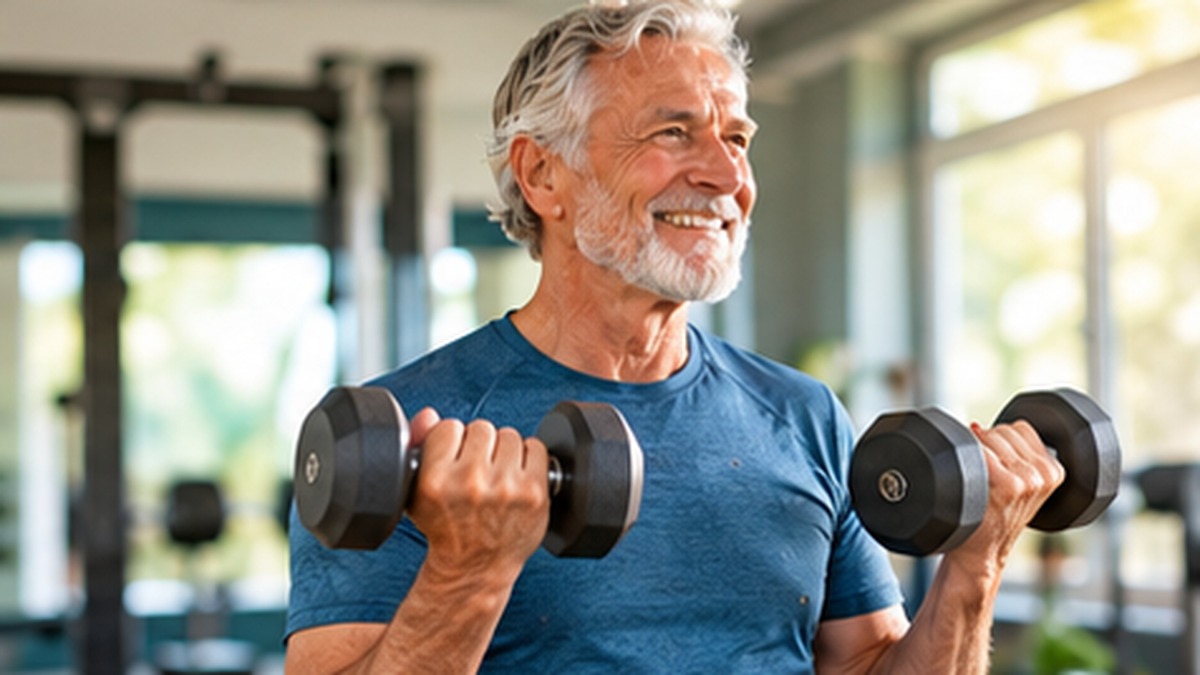
Muscles require resistance to remain robust. Resistance training involves working against an opposing force. This can include weights, resistance bands, bodyweight exercises, or properly designed gym equipment.
Incorporating regular resistance training helps preserve muscle mass, enhances strength, supports bone health, and ensures you retain physical capability for everyday activities.
Consider the everyday tasks you wish to continue doing independently:
- Standing up from a chair without help.
- Carrying groceries.
- Ascending stairs.
- Gardening and household chores.
- Entering and exiting a vehicle.
- Maintaining balance and recovering from a fall.
These tasks rely on strength, coordination, and functional movement.
You don’t need to become a bodybuilder or spend excessive hours at the gym. Even moderate resistance training, done consistently and progressively, can yield valuable benefits.
If you have pre-existing injuries, osteoporosis, cardiovascular issues, or mobility challenges, seek professional guidance before starting a new exercise routine.
The principle: Regularly challenge your muscles and give your body a compelling reason to maintain its strength.
6. Move More Than You Complain – Foster Emotional Wellbeing
 Your emotional health and physical wellbeing are intricately linked.
When faced with physical limitations, health concerns, or life’s challenges, it can be tempting to withdraw from activities and social interactions. Unfortunately, prolonged inactivity and isolation can lead to declines in both physical and emotional wellbeing.
Stress, anxiety, and persistent negative thoughts can further disrupt sleep, appetite, motivation, and the ability to maintain healthy routines. This doesn’t mean individuals should ignore real challenges or pretend everything is perfect. Acknowledging difficulties is a healthy practice. The key is not to let those difficulties overshadow your life.
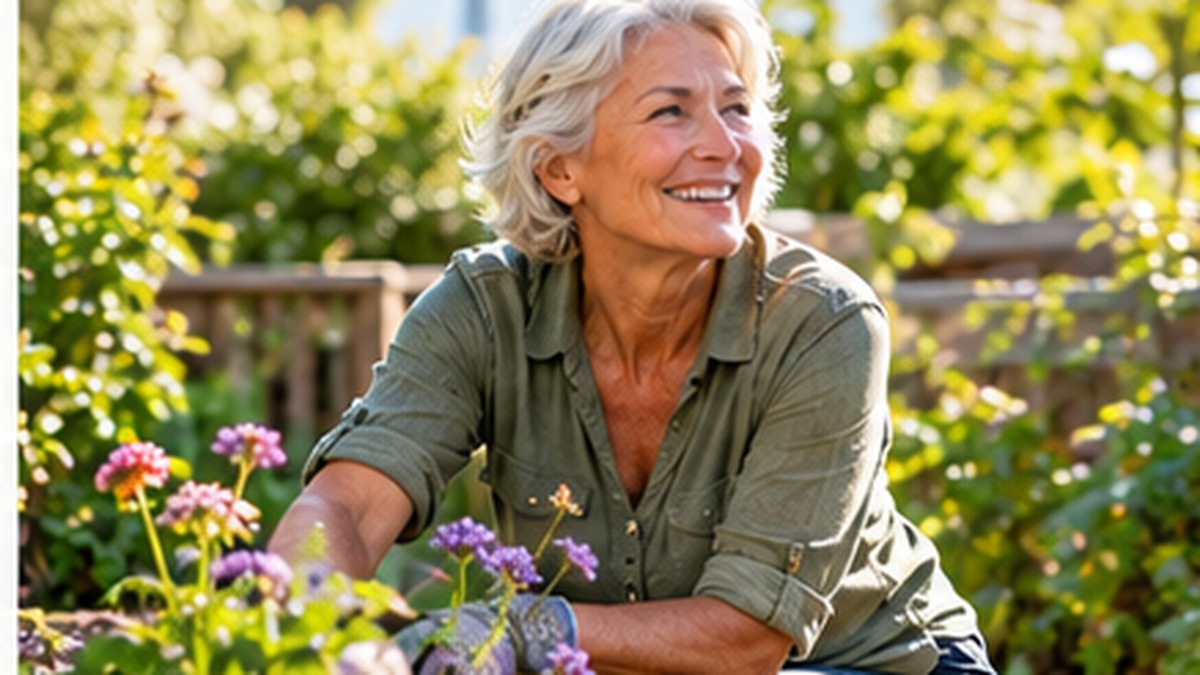
Seek reasons to engage, get dressed, and participate in the world around you. Spend time with people you enjoy, pursue hobbies, learn new skills, spend time outdoors, and stay engaged in activities that provide meaning and fulfillment. Incorporating mind-body practices, breathing exercises, relaxation techniques, and complementary wellness therapies can also support stress management and emotional balance.
The principle: Find a reason to engage with life. Emotional wellbeing is a crucial aspect of healthy aging.
7. Challenge the Belief That You’re Too Old – Your Mindset is Critical
 One of the most detrimental beliefs is that aging comes with diminishing returns in terms of health improvement.
Statements like “I’m too old for that,” “I’m not as young as I used to be,” or “It’s too late to start now” can become self-imposed barriers to progress. While our beliefs don’t override biology, positive attitudes can significantly impact behavior, which in turn affects health.
Individuals who believe their actions can make a difference are more likely to stay active, maintain social connections, pursue meaningful goals, and take charge of their health. You may not be able to do everything you did at 30, but it doesn’t mean you can’t become stronger, fitter, healthier, or more capable than you are now.
The objective is not to compete with your younger self but to maximize the potential of your current body and capabilities.
The principle: Age is merely a stage in life, not an excuse to stop investing in yourself.
The Bigger Picture – Healthy Aging is the Result of Daily Choices
The seven principles discussed are interconnected.
Consider the impact of ceasing exercise. Your muscles weaken, energy levels drop, and activity levels decrease, negatively affecting sleep, mood, and motivation. Conversely, imagine starting a regular walking routine, improving your diet, establishing consistent sleep patterns, and incorporating gentle resistance exercises.
Reconnecting with enjoyable activities and spending more time outdoors can create a positive feedback loop. Gradually, these changes can enhance your energy, boost confidence, improve sleep quality, and promote greater independence.
This is the essence of healthy aging: not pursuing an unrealistic vision of youth, but instead focusing on protecting and enhancing the health, strength, and vitality you currently possess.
A Practical Starting Point for Healthier Aging
You don’t need to overhaul your life overnight. Begin with simple, achievable commitments:
- Engage in daily walks or suitable physical activities.
- Include a quality protein source in each meal.
- Create a regular sleep schedule.
- Incorporate strength and balance exercises into your weekly routine.
- Spend time outdoors while ensuring protection from excessive sun exposure.
- Prioritize relaxation, social interaction, and activities you enjoy.
- Set new goals and remain curious about what you can achieve.
The World Health Organization recommends that older adults aim for 150–300 minutes of moderate-intensity physical activity weekly, along with muscle-strengthening activities at least twice a week and additional exercises focused on balance.
These are targets to aspire to, not immediate requirements. Start at a manageable level and progress gradually.
How Spark of Life Can Enhance Your Healthy Aging Journey
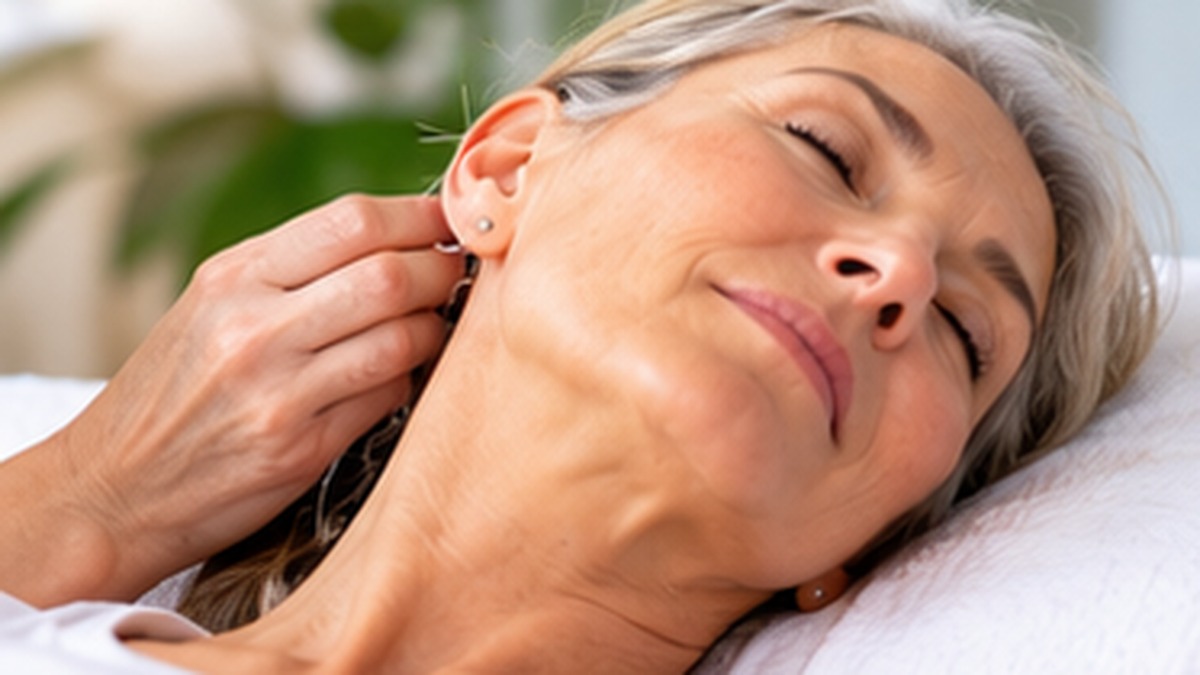 At Spark of Life, we advocate for proactive wellness rather than reactive health measures.
Waiting until your health, energy, or emotional wellbeing significantly declines before taking action is not ideal. Investing in your wellbeing while you are still active can help establish healthier patterns for the future.
Our approach acknowledges that physical health, emotional wellbeing, sleep, stress management, and lifestyle habits are closely intertwined. That’s why our personalised programs integrate complementary wellness therapies, Auricular Acupuncture, lifestyle guidance, and ongoing support.
Depending on your individual needs, the following programs may be particularly beneficial:
Healthy Aging & Vitality Program
This program is designed for those who wish to take a proactive approach to aging, focusing on vitality, enhanced sleep, stress management, healthy habits, and overall wellbeing.
Complete Wellness Transformation Program
A more extensive approach for individuals seeking to address multiple interconnected aspects of their health and lifestyle, fostering sustainable habits for long-term wellbeing.
Stress Reset Program
Ideal for individuals experiencing persistent stress, pressure, or burnout who want to prioritize relaxation, resilience, and healthier coping strategies.
Sleep Well Program
For those who recognize that poor sleep is impacting their energy, mood, focus, and quality of life.
Emotional Balance Program
Designed for individuals looking to prioritize emotional wellbeing, resilience, relaxation, and the pressures affecting their daily lives.
These programs are tailored to individual circumstances. Auricular Acupuncture and NADA AcuDetox may be included as part of the supportive wellness strategy, alongside practical lifestyle guidance. They complement, rather than replace, medical treatment, exercise, nutritional care, or appropriate professional healthcare.
Explore our programs at Spark of Life – Personalized Wellness Programs or find out more about the Healthy Aging & Vitality Program.
Your Most Fulfilling Years Are Still Ahead
 Reaching 60 doesn’t mean giving up your independence, vitality, or zest for life.
While your body may not be what it was at 30, you still have the chance to enhance your strength, cultivate healthier habits, support your emotional wellbeing, and embrace new experiences. It’s crucial to stop viewing physical or emotional decline as an unavoidable part of aging.
Aging is a given, but how we age is influenced by numerous factors, including the choices we make throughout our lives. Don’t wait until circumstances force you to change. Begin investing in your health today.
Your future wellbeing is shaped by the decisions you make now. The solution lies within you. Our role is to help you discover it.
Spark of Life Acupuncture & Wellness – Meadowridge, Cape Town
References and Further Reading
The following scientific and institutional resources support the health and lifestyle principles discussed in this article.
- World Health Organization (2020). WHO Guidelines on Physical Activity and Sedentary Behavior. Recommendations for physical activity, muscle strengthening, and balance in older adults. Read WHO Guidelines.
- Centers for Disease Control and Prevention (2025). Older Adult Activity: An Overview. Guidance on aerobic activity, strength training, and balance for adults aged 65 and older. Read CDC Guidelines.
- Deutz, N.E.P. et al. (2014). Protein intake and exercise for optimal muscle function with aging: Recommendations from the ESPEN Expert Group. Clinical Nutrition, 33(6), 929–936. Read the research paper.
- National Institute on Aging. Sleep and Older Adults. Guidance on sleep requirements, sleep patterns, and healthy sleep habits as we age. Read the article.
- Watson, N.F. et al. (2015). Recommended Amount of Sleep for a Healthy Adult: A Joint Consensus Statement of the American Academy of Sleep Medicine and Sleep Research Society. Sleep, 38(6), 843–844. Read the research paper.
- National Institutes of Health – Office of Dietary Supplements. Vitamin D: Fact Sheet for Health Professionals. Information on vitamin D, sunlight exposure, and bone health. Read the fact sheet.
- Levy, B.R. et al. (2002). Longevity Increased by Positive Self-Perceptions of Aging. Journal of Personality and Social Psychology, 83(2), 261–270. Research examining the relationship between positive perceptions of aging and longevity. Read the research paper.
- Levy, B.R., Slade, M.D. & Kasl, S.V. (2002). Longitudinal Benefit of Positive Self-Perceptions of Aging on Functional Health. Journals of Gerontology: Series B, 57(5), P409–P417. Read the research paper.
Exercise, nutritional needs, sunlight exposure, and supplementation should be tailored to individual health circumstances. Anyone experiencing unexplained weakness, rapid strength loss, persistent fatigue, or declining mobility should seek medical assessment.