
Book Appointment Now

Reclaim Your Health: Reverse Years of Unhealthy Habits
Reclaim Your Health: Effective Strategies to Reverse Unhealthy Habits and Restore Your Body’s Natural Balance
It’s not about having more willpower; it’s about making smarter choices. A comprehensive approach that integrates nutrition, sleep, movement, stress management, and sustainable lifestyle changes.
Why It’s Never Too Late to Make Healthier Choices
How many years have you prioritized everything but your health?
You might have spent years working long hours, juggling responsibilities, opting for convenience in meals, sacrificing sleep, exercising sporadically, and managing stress with little time for self-care. You may have depended on medications to alleviate symptoms, tried numerous diets, and experimented with supplements, all while promising yourself that you’d begin taking your health seriously next month. Yet, despite your efforts, you might still feel less healthy, energetic, or resilient than you expect.
The encouraging news is that your past decisions do not dictate your future health. The human body possesses incredible abilities to adapt, heal, and recover.
Even after years of unhealthy choices, significant improvements are achievable when you start providing your body with the right conditions to thrive. This doesn’t imply that every condition can be reversed, that aging can be halted, or that lifestyle changes can take the place of medical treatment. It does suggest that there is often much more we can do to enhance our health and quality of life than we realize.
The key lies not in doing more but in consistently doing the right things.
At Spark Of Life, our philosophy centers around personalized wellness and lifestyle programs, focusing on understanding the factors impacting your wellbeing, identifying areas for enhancement, and developing practical changes that integrate seamlessly into your daily routine.
Five Key Areas That Significantly Impact Your Health
Health is influenced by various factors, rather than a single food item, supplement, hormone, or treatment. It results from multiple interrelated systems responding to our living environment. Five crucial areas warrant your attention:
- Nutrition – providing your body with essential nutrients.
- Sleep – enabling physical and mental recovery.
- Movement – promoting strength, circulation, and metabolic health.
- Environmental exposure – making informed choices regarding everyday chemicals and pollutants.
- Medical understanding – looking beyond individual symptoms and test results to grasp the broader health picture.
These areas are interconnected. Insufficient sleep can affect your appetite and motivation. Chronic stress can disrupt eating habits. Lack of physical activity can harm metabolic health. Nutritional deficiencies can lead to fatigue. Addressing these factors collectively often yields better results than attempting to tackle each symptom in isolation.
1. Nutrition: Nourish Your Body Beyond Just Cravings
 Food serves as more than mere fuel; it provides the essential building blocks your body requires to maintain cells, produce hormones, regulate blood sugar, support the immune system, and repair tissues.
Modern eating habits often prioritize convenience over nourishment. High levels of processed foods, excessive added sugars, refined carbohydrates, and poor dietary patterns can gradually undermine metabolic health.
The answer is not necessarily another restrictive diet; rather, it is about learning to make healthier nutritional choices. Focus on giving your body what it needs and reducing what it doesn’t.
Here are some practical starting points:
- Consume a diverse range of colorful fruits and vegetables daily.
- Incorporate sufficient protein from sources like fish, eggs, legumes, poultry, and other appropriate options.
- Include healthy fats from olive oil, avocados, nuts, seeds, and fatty fish.
- Choose fiber-rich foods, including vegetables, whole grains, beans, and lentils.
- Limit highly processed snacks, sugary beverages, and excessive added sugars.
- Stay well-hydrated, with water as your primary beverage.
- Avoid unnecessary dietary restrictions that might lead to nutrient deficiencies.
How Should You Approach Cholesterol and Hormones?
Cholesterol is vital for your body. It helps produce steroid hormones, such as estrogen, progesterone, and testosterone, and is a key component of cell membranes. Consuming more cholesterol-rich foods will not necessarily enhance hormone production or balance.
Your body regulates cholesterol levels, and high saturated fat intake can elevate LDL cholesterol and cardiovascular risk.
Seed oils should not be automatically categorised as harmful. Oils like sunflower, canola, and soybean contain unsaturated fats, which the World Health Organisation recommends over saturated fats.
The focus should be on the overall quality of your diet, appropriate food choices, and individual nutritional needs, rather than vilifying entire food groups.
Organ meats and fish can offer valuable nutrients but are not essential for everyone.
Raw dairy poses avoidable food safety risks; pasteurised dairy provides similar nutritional benefits without the harmful pathogens.
Incorporate a Spectrum of Natural Foods
A straightforward way to enhance your diet is by including various naturally coloured fruits and vegetables. Different colours represent distinct plant pigments and phytochemicals, many of which possess antioxidant and other health benefits. 
Red – Heart and Circulation
Enjoy watermelon, strawberries, beetroot, raspberries, tomatoes, and cherries.
These foods are rich in various antioxidants and plant compounds, including lycopene in tomatoes and anthocyanins in certain berries.
 Purple and Blue – Brain and Cellular Health
Grapes, plums, red cabbage, blueberries, and blackberries.
These foods contain anthocyanins and other polyphenols that are being researched for their potential roles in cognitive and cardiovascular health.
 Green – Overall Metabolic Health
Incorporate kiwi, cucumber, celery, green apples, kale, and parsley.
These foods provide fiber, vitamins, minerals, and various plant compounds that enhance overall health.
 Yellow and Orange – Nutritional Diversity
Enjoy bananas, lemons, pineapple, mangoes, papaya, and yellow pears.
These fruits offer unique combinations of vitamin C, carotenoids, potassium, and other beneficial nutrients.
It’s crucial to understand that these colours do not direct nutrients to specific organs. No red food specifically targets the heart, nor does purple food exclusively nourish the brain. Instead, a well-rounded diet supports the body as an interconnected system.
The WHO recommends a daily intake of at least 400 grams of fruits and vegetables for most adults and children over ten. The key takeaway: instead of searching for a single miracle food, focus on consuming a diverse array of natural, minimally processed foods.
2. Sleep: The Essential Recovery Method You Can’t Overlook
 Sleep is not merely a time when your body shuts down.
It is an active biological process where essential functions occur, including tissue repair, immune regulation, memory consolidation, emotional processing, and metabolic health.
Chronic sleep deprivation can disrupt appetite regulation, blood glucose control, mood, concentration, energy levels, and stress management.
Inadequate sleep can hinder the implementation of healthy lifestyle changes.
You cannot expect optimal performance from your body if you consistently deprive it of the necessary recovery time.
Cultivating a Healthier Relationship with Sleep
Consider adopting the following habits:
- Aim for 7–9 hours of sleep, tailoring it to your individual requirements and age.
- Maintain consistent sleep and wake times.
- Create a dark, quiet, and comfortably cool bedroom environment.
- Minimize screen time before bedtime, especially if it disrupts your ability to unwind.
- Avoid heavy meals and excessive alcohol intake close to bedtime.
- Limit caffeine consumption later in the day.
- Expose yourself to natural daylight early in the day.
- Engage in regular physical activity, preferably earlier in the day rather than immediately before bedtime.
There is no universal rule requiring you to go to bed before 10 PM or to stop eating four hours before sleeping. Consistency, adequate sleep, and a routine that aligns with your lifestyle are more critical.
The CDC confirms that adults generally need at least seven hours of sleep, with specific recommendations for older adults.
When Sleep Issues Transform Into Lifestyle Challenges
Sometimes, poor sleep isn’t just the result of bad habits.
Factors such as stress, anxiety, emotional challenges, hormonal shifts, pain, sleep apnea, and other medical conditions can all disrupt restorative sleep.
This is why addressing the broader context becomes essential.
At Spark Of Life, the Sleep Well Programme combines Auricular Acupuncture, personalised wellness strategies, and practical techniques for enhancing sleep.
The goal is to assist clients in establishing healthier sleep patterns while addressing contributing factors such as stress, emotional strain, and lifestyle habits.
3. Movement: Create a Body That Continues to Serve You
 One of the most detrimental effects of modern life is the time we spend sitting.
Our bodies are designed for movement. Regular physical activity enhances cardiovascular health, metabolic function, muscle strength, bone integrity, mobility, and emotional wellness.
As we age, preserving muscle mass, strength, and balance becomes increasingly vital.
The focus should not merely be on burning calories but on sustaining a capable and resilient body.
A Practical Movement Strategy
Consider incorporating the following elements:
Walking and Everyday Activity
Walking is an accessible starting point. Gradually increase your activity level, seise opportunities to move throughout the day, and minimise prolonged sitting.
Setting a goal of 8,000–10,000 steps may be beneficial for some, but it’s not a universal requirement. Start with your current level and gradually progress.
Resistance Training
Strength training is essential for maintaining muscle mass, bone health, and functional independence.
For most adults, two or more sessions per week targeting major muscle groups is a beneficial starting point.
Cardiovascular Exercise
Engaging in brisk walking, cycling, swimming, and other aerobic activities enhances cardiovascular fitness.
The WHO recommends 150–300 minutes of moderate-intensity aerobic activity weekly, or an equivalent amount of vigorous activity, along with muscle-strengthening exercises.
Mobility and Flexibility
Gentle stretching, balance exercises, and mobility work help maintain freedom of movement, making daily tasks easier.
Recovery
Rest is a crucial aspect of training. Allow adequate recovery time between intense exercise sessions, particularly when initiating a new routine.
There’s no need to start with high-intensity workouts or exhausting cardio sessions.
These may not be suitable for individuals with certain health conditions or lower fitness levels.
The most effective exercise program is one that is safe, sustainable, and tailored to your specific circumstances.
Movement as a Mental Health Booster
Physical activity can elevate mood, diminish symptoms of anxiety and depression, improve sleep quality, and assist individuals in managing everyday stress.
This makes movement an essential component of a holistic approach to emotional well-being.
The Healthy Ageing & Vitality Programme at Spark Of Life emphasizes that healthy aging entails more than merely living longer; it involves maintaining vitality, mobility, resilience, and overall quality of life.
4. Environmental Exposure: Minimise Unnecessary Daily Risks
 We live in an environment filled with countless chemicals and substances. Some are harmless at typical exposure levels, while others may pose genuine health risks depending on their toxicity, concentration, route, and duration of exposure.
While we cannot eliminate every environmental exposure, we can make informed choices to reduce unnecessary risks.
Start by considering:
- Drinking water from a safe, reliable source. Use an appropriate filter when necessary.
- Avoiding heating or storing food in unsuitable plastic containers.
- Choosing household cleaning products wisely and adhering to their safety instructions.
- Ensuring proper ventilation while cleaning or using scented products.
- Reviewing the ingredients of personal care products, especially if you have sensitivities or allergies.
- Following workplace safety protocols when handling chemicals.
- Washing fruits and vegetables and practicing proper food safety measures.
Keep in mind that “natural” does not automatically mean “safe,” and “chemical” does not inherently mean “harmful.” Risk is determined by the substance and the level of exposure.
For instance, certain chemicals can be absorbed through the skin, particularly in occupational settings, but this does not imply that everything applied to the skin enters the bloodstream or harms internal organs.
What Is the Role of Detoxification?
The human body already possesses advanced detoxification systems.
The liver processes various substances, the kidneys filter waste from the blood, and the lungs and digestive system also play critical roles in eliminating unwanted elements.
Rather than embarking on an annual gut cleanse, purchasing pricey detox products, or following extreme fasting regimens, support these natural processes with proper nutrition, hydration, regular exercise, and suitable medical care.
Currently, there is insufficient high-quality evidence to support the claims that commercial detox diets or colon cleanses effectively eliminate accumulated toxins or provide lasting health benefits. Some may even be harmful.
A more effective approach is to minimize unnecessary exposure and support normal bodily functions rather than attempting to cleanse them repeatedly.
5. Medical Understanding: Acknowledge How You Feel
 One of the most frustrating experiences for someone feeling unwell is being told that everything appears normal.
You might feel fatigued despite adequate sleep, struggle with weight management, experience persistent low energy, find it challenging to concentrate, feel emotionally overwhelmed, or notice changes in your libido.
Yet, your routine blood tests may fall within normal reference ranges.
It is crucial to understand that laboratory reference ranges do not provide a complete picture of health.
A result within a reference range does not necessarily clarify every symptom, while a result outside that range does not automatically indicate a diagnosis.
Your symptoms deserve consideration, even when initial test results seem reassuring.
Seek Explanations, Not Just Symptom Relief
Fatigue, weight fluctuations, sleep disturbances, low libido, and mood changes can arise from various causes. These may include:
- Thyroid disorders.
- Anaemia or nutritional deficiencies.
- Blood glucose irregularities.
- Sleep disorders.
- Hormonal imbalances.
- Chronic stress.
- Depression or anxiety.
- Side effects of medications.
- Other underlying medical issues.
The appropriate approach involves a thorough clinical evaluation, including a review of symptoms, medical history, medications, and lifestyle factors.
Blood tests and other diagnostics should be tailored to the clinical context. There is no universal hormone or toxicity panel applicable to everyone.
For instance, hormone testing during menopause is not routinely necessary for all women, and testosterone evaluation in men should be based on appropriate symptoms and well-interpreted laboratory results.
It is equally crucial not to discontinue prescribed medications or initiate hormone treatments or supplements based solely on online information.
Take Charge of Your Health
Being proactive means asking questions, seeking credible professional guidance, and actively participating in decisions regarding your health.
It also involves recognising that complementary wellness therapies can contribute to your well-being but should not replace medical diagnosis or treatment.
At Spark Of Life, we advocate a holistic approach that acknowledges the interplay between physical health, emotional wellness, stress, lifestyle, and behavior.
6. The Critical Link: Stress, Emotional Well-being, and the Nervous System
 Another essential factor to consider is the connection between your nervous system, emotional well-being, and physical health.
Many individuals spend years under constant pressure.
Work obligations, financial worries, relationship struggles, unresolved emotional issues, and the relentless demands of modern life can leave us feeling perpetually activated.
Over time, this can impact sleep, eating patterns, motivation, energy levels, and our ability to maintain healthy routines.
Learning to relax, manage stress, and cultivate emotional resilience is thus vital for safeguarding your physical health.
Supporting Your Body’s Natural Equilibrium
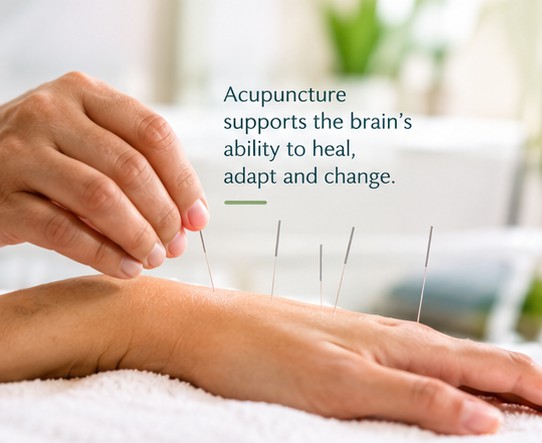
Auricular Acupuncture, including the NADA AcuDetox Protocol, offers a complementary method that may assist in fostering relaxation and emotional well-being.
The five-point NADA ear acupuncture protocol is widely used in wellness and addiction recovery settings. It offers a structured treatment method and an opportunity to pause, relax, and focus on personal wellness.
At Spark Of Life, Auricular Acupuncture and AcuDetox can be integrated into a comprehensive wellness program alongside lifestyle advice and practical strategies for cultivating healthier habits.
Other supportive methods, such as Reiki and energy healing, can provide additional options for relaxation and self-care.
These therapies should be viewed as complementary approaches. They do not replace appropriate medical or psychological care.
Transforming More Than Just Your Habits
Sometimes the most challenging aspect of enhancing your health isn’t knowing what to do. It’s finding the motivation, consistency, and emotional resilience to follow through.
This is why addressing stress and emotional well-being alongside physical lifestyle changes is so beneficial.
Spark Of Life offers three complementary pathways:
- Stress Reset Programme – focused on relaxation, stress management, and resilience.
- Emotional Balance Programme – aimed at enhancing emotional well-being, healthier coping mechanisms, and balance.
- Complete Wellness Transformation – a comprehensive approach to sustainable lifestyle changes and holistic well-being.
7. Why Making Lifestyle Changes Now Can Significantly Impact Your Health
A common misconception about health is that it’s too late to make meaningful improvements once we reach a certain age or develop unhealthy habits.
This is simply not true. While some damage may be irreversible, enhancements in physical fitness, metabolic health, sleep quality, emotional wellness, and overall quality of life can occur at various stages of life.
Consider the potential outcomes if you consistently:
- Enhanced the quality of your diet.
- Reduced reliance on heavily processed foods.
- Established healthier sleep routines.
- Committed to daily walking.
- Incorporated appropriate resistance training.
- Minimized unnecessary environmental exposures.
- Addressed chronic stress.
- Sought professional insights for persistent symptoms.
- Prioritized your emotional and mental health.
None of these changes are particularly radical on their own. Collectively, they can create a noticeably healthier environment for your body to thrive. Importantly, you don’t have to implement all these changes at once.
Your Health Transformation Begins with Small Decisions
You might start by going to bed 30 minutes earlier.
Consider replacing one processed meal each day with something freshly prepared.
You might take a 20-minute walk each morning.
Or you could finally confront the stress you’ve been carrying for years.
These may seem like minor decisions, but consistency is what transforms individual actions into lasting habits.
This is especially crucial for individuals who have repeatedly attempted restrictive diets, rigorous exercise routines, or drastic lifestyle changes, only to abandon them shortly thereafter.
A sustainable approach is generally more effective than a perfect strategy that cannot be maintained.
8. How Spark Of Life Can Guide Your Health Journey
At Spark Of Life, we believe that enhancing your health should be a positive, structured, and personalized experience. Instead of merely addressing one symptom at a time, our programs consider the broader factors influencing your well-being.
Our approach integrates personalized wellness consultations, lifestyle guidance, Auricular Acupuncture, NADA AcuDetox, and supportive wellness practices tailored to your individual needs.
Our programs include:
Stress Reset Programme
Designed for individuals facing prolonged stress, pressure, overwhelm, or burnout. Focus: Relaxation, stress management, sleep enhancement, and resilience. Discover the program
Sleep Well Programme
Targeted toward those struggling with sleep, waking up feeling tired, or finding it hard to unwind. Focus: Sleep routines, relaxation techniques, and recovery strategies. Discover the program
Healthy Weight & Lifestyle Support
For individuals seeking to improve eating habits, manage cravings, and develop healthier routines. Focus: Sustainable lifestyle changes, addressing emotional eating, and healthy weight management. Discover the program
Healthy Ageing & Vitality
For those looking to proactively invest in their long-term health and quality of life. Focus: Vitality, mobility, stress management, and sustainable healthy habits. Discover the program
Emotional Balance Programme
For individuals wanting to enhance emotional resilience and establish healthier coping strategies. Focus: Emotional well-being, relaxation techniques, and self-care practices. Discover the program
Our programs are personalized. We begin by understanding your unique circumstances, lifestyle, challenges, and goals before creating a practical plan.
You don’t have to navigate this journey alone.
Your Future Health Begins with Today’s Choices
While you may not be able to alter the decisions made ten, twenty, or thirty years ago, you can change the trajectory of your health.
You can provide your body with superior nutrition, restorative sleep, regular movement, reduced exposure to harmful substances, and the opportunity to recover from chronic stress.
You can become more informed about your health, ask insightful questions, and seek appropriate support. you can start to cultivate habits that will benefit you for years to come.
The crucial point is to stop viewing health as something to be concerned about only when issues arise. Health is an everyday investment. It’s not about simply having more willpower; it’s about making smarter choices, developing better habits, and giving your body the chance to thrive.
At Spark Of Life, we recognize that your health is one of your most valuable assets.
Our mission is to help you understand your current position, identify areas for improvement, and support you in creating a healthier, more balanced future.
Are You Ready to Invest in Your Health?
Whether your goal is to enhance your sleep, manage stress, establish healthier habits, or take a proactive approach to aging, your journey can begin with a personalized wellness consultation.
Spark Of Life – Acupuncture & Holistic Wellness
Meadowridge, Cape Town
Phone / WhatsApp: 081 839 4960
Website: www.sparkoflife.co.za
Schedule your initial consultation and take the first step toward a healthier future.
References and Further Reading
The following references provide scientific and professional background for the lifestyle recommendations discussed in this article. Nutrition and Dietary Health
- World Health Organization (2026). Healthy Diet. The importance of dietary diversity, fruit and vegetable consumption, and healthy fats.
- Harvard T.H. Chan School of Public Health. The Nutrition Source. Evidence-based nutrition information.
- US Food and Drug Administration. Raw Milk Questions and Answers. Food safety and pasteurization.
Sleep and Recovery
- Centers for Disease Control and Prevention. About Sleep. Sleep requirements and health benefits.
- National Institute for Occupational Safety and Health. Improve Sleep. Practical sleep recommendations.
Movement and Physical Activity
- World Health Organization (2020). WHO Guidelines on Physical Activity and Sedentary Behaviour.
- WHO. Physical Activity.
Environmental Exposure and Detoxification
- National Center for Complementary and Integrative Health. Detoxes and Cleanses: What You Need to Know.
- US Centers for Disease Control and Prevention. Skin Exposures and Effects.
Hormones and Medical Assessment
- American College of Obstetricians and Gynecologists. Should I Have Hormone Testing Before Starting Hormone Therapy?.
- Endocrine Society (2026). Statement on Testosterone Replacement Therapy.
Complementary Wellness and Acupuncture
- National Center for Complementary and Integrative Health. Acupuncture: Effectiveness and Safety.
Important: This article is intended for general educational and wellness purposes. It does not provide individual medical advice or replace consultation with a suitably qualified healthcare professional. Dietary, exercise, and complementary treatment choices should be adapted to individual health circumstances.


Your post resonates deeply with me. I’ve often found myself in that cycle of prioritizing everything but my health, believing I’d have time for self-care later. It’s refreshing to see a shift in focus from willpower to smarter choices. Recently, I began incorporating small, manageable changes—like meal prepping and establishing a consistent sleep routine—and I’ve already noticed a significant difference in my energy levels.
Your perspective on prioritizing health resonates deeply with me. I’ve often found myself in that cycle of putting everything else first, only to realize how much I’ve neglected my well-being. The emphasis on smarter choices rather than sheer willpower really speaks to the heart of the matter.
I resonate deeply with your insights about reclaiming our health and the pervasive struggle many of us face in prioritizing self-care amid life’s demands. It’s so easy to lose ourselves in the whirlwind of work and responsibilities, only to find our well-being sidelined time and again. I often reflect on my own journey, where convenience and the pressure to perform took precedence over nurturing my health.
This post really hits home for me. It’s so easy to get caught up in the daily whirlwind of responsibilities—work, family commitments, social obligations—while pushing health to the back burner. I’ve had my fair share of those “I’ll start next month” moments, too. It often feels like an uphill battle, especially when you’re inundated with conflicting health advice and ever-changing diet trends.