
Book Appointment Now

The Emotional Roots of Addiction and Cravings
Understanding What We Reach For, What We Are Avoiding, and What We Really Need
 Why do we crave the things we know are not necessarily good for us? And what if the behaviour we are trying to change is actually telling us something about ourselves?
We often think of addiction as a problem of willpower. We tell ourselves that we should be stronger, more disciplined, more sensible or simply more determined to stop.
But addiction and compulsive behaviour are rarely that simple.
Sometimes the substance or behaviour is not the original problem. It is the solution we have found, consciously or unconsciously, to another problem. It may provide comfort, distraction, stimulation, relief, reassurance, pleasure or temporary escape from something that feels difficult to face.
A cigarette may provide a moment of peace. Sugar may offer comfort after an emotionally exhausting day. Alcohol may quieten a mind that refuses to switch off. Shopping may provide a brief feeling of excitement. Social media may fill the silence that makes us feel lonely.
The behaviour becomes important because of what it does for us emotionally, even when we understand its physical, psychological or financial consequences.
Perhaps the more useful question is not simply, “Why can’t I stop?” but “What happens inside me when I try to stop?”
That question takes us beyond the behaviour itself and towards the emotional needs, learned responses and neurological processes that can keep it going.
1. Addiction is more than a habit
Addiction is a complex interaction between brain chemistry, learned behaviour, emotional experiences, genetics, environment and individual circumstances.
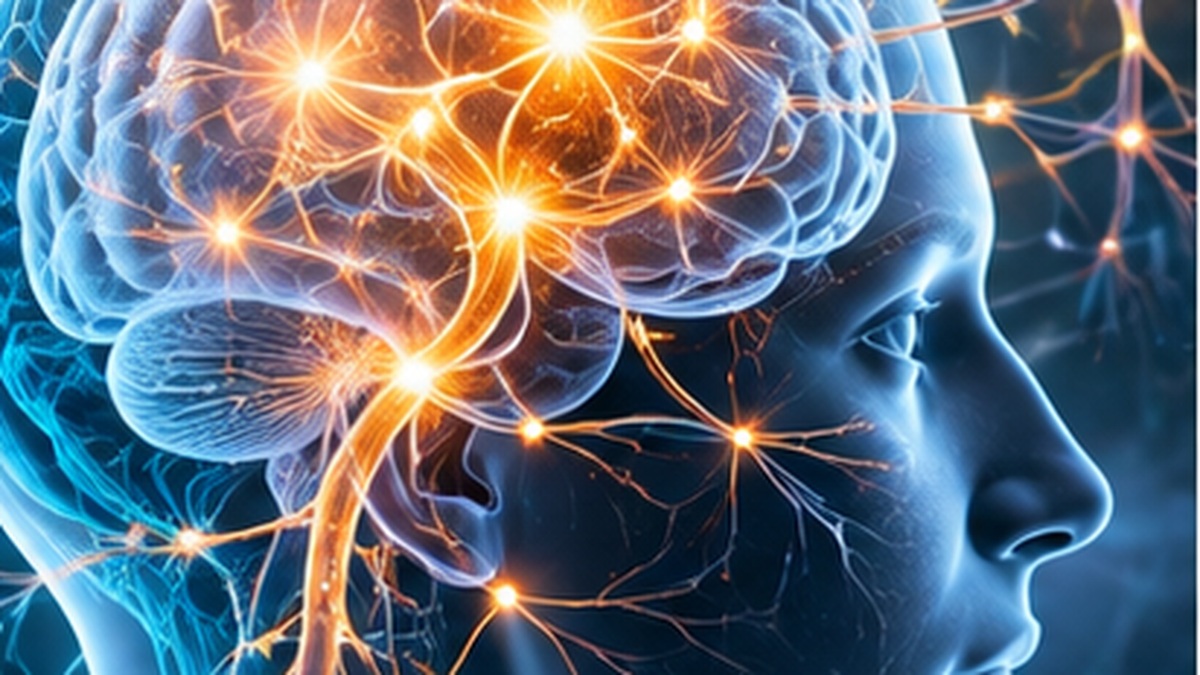
Repeated exposure to addictive substances can change the way the brain’s reward, motivation, stress and self-regulation systems operate.
Three important processes are involved:
The reward system
Dopamine plays an important role in motivation, anticipation, learning and the reinforcement of rewarding experiences. Addictive substances can produce powerful changes in dopamine signalling. With repeated exposure, the brain adapts, and ordinary rewards may become less satisfying in comparison.
The stress response
When a dependent person stops using a substance, changes in the brain’s stress systems can contribute to anxiety, irritability, restlessness, emotional discomfort and an increased desire to use again.
The prefrontal cortex
This area of the brain contributes to judgement, planning, impulse control and decision-making. Addiction can interfere with these functions, making it harder to resist cravings and consider long-term consequences when an immediate urge becomes powerful.
This creates a cycle:
- Something triggers an emotional or physical discomfort.
- The person experiences an urge.
- The substance or behaviour provides temporary relief or pleasure.
- The brain learns to associate that behaviour with relief.
- The relief fades, and the underlying discomfort remains.
- The urge returns, sometimes stronger than before.
Eventually, a behaviour that initially offered pleasure may become something the person feels they need simply to feel normal.
These are measurable neurological adaptations, not evidence of a weak character.
It is also important to recognise that not everybody who enjoys a substance or behaviour becomes addicted. A clinically significant addiction involves impaired control, persistence despite harm, and other features that distinguish it from ordinary enjoyment or occasional overindulgence.
2. The emotional roots: What are we really trying to satisfy?
Human beings have fundamental emotional needs.
We need to feel safe, accepted, connected, valued, capable, loved and in control of our lives. We need stimulation, rest, pleasure, purpose and a sense of belonging.
When these needs are not adequately met, we develop ways of compensating.
Some are healthy. We exercise, talk to someone, spend time in nature, pursue an interest or find constructive ways to manage stress.
Others offer immediate relief but can create longer-term difficulties.
A behaviour can become a form of emotional regulation. We use it to change how we feel, rather than because we genuinely want the substance or activity itself.
Some common emotional drivers include:
- Loneliness: Seeking company, connection or reassurance.
- Anxiety: Trying to quieten an overactive mind or escape uncertainty.
- Emotional pain: Seeking relief from grief, rejection, disappointment or trauma.
- Boredom: Searching for stimulation when life feels empty or repetitive.
- Low self-worth: Looking for approval, validation or a sense of achievement.
- Lack of control: Finding something that provides an immediate, predictable response.
- Overwhelm: Wanting to switch off, escape responsibility or stop thinking.
- Unexpressed emotions: Using a behaviour to avoid feelings that have not been acknowledged.
- Exhaustion: Seeking quick energy, comfort or relief when physical and emotional resources are depleted.
- Fear: Avoiding situations, thoughts or feelings that seem threatening.
These are possibilities, not fixed explanations. Two people can develop exactly the same addiction for entirely different reasons.
The following examples explore the emotional associations that may accompany common cravings and compulsive behaviours.
They are intended as prompts for self-reflection, not psychological diagnoses. The emotional interpretation is often more individual than the behaviour itself.
3. Understanding our cravings and compulsive behaviours
A. Food, taste and comfort cravings
Food is one of the most complicated areas of human behaviour because eating serves several purposes simultaneously. It nourishes us, provides pleasure, connects us socially, evokes memories and can offer emotional comfort.
Not every food craving is emotional. Hunger, nutritional requirements, sleep deprivation, hormones, medication, conditioning and ordinary enjoyment all influence appetite.

However, when eating becomes a repeated response to emotional discomfort, it is worth exploring what is happening underneath.
1. Sugar
The emotional association: Comfort, reassurance and the need to feel better.
Sugar can become a quick emotional reward. The sweet taste offers immediate pleasure, and the experience may be associated with childhood comfort, affection, celebration or a feeling of being looked after.
The mental gymnastics: “I’ve had a difficult day. I deserve something nice. It’s only a little treat. I’ll be good tomorrow.”
What’s happening: Highly palatable sweet foods can activate reward and learning pathways. Stress, fatigue and learned associations can increase the desire for something sweet. The brain remembers the temporary pleasure and begins to anticipate it whenever similar circumstances arise.
The justification: “I need something to make me feel better.”
Sometimes what is needed is not sugar, but rest, affection, reassurance or a moment in which we do not have to be responsible for everybody else.
2. Caffeine
The emotional association: Control, productivity and fear of slowing down.
Caffeine is often more than a morning beverage. It becomes part of the identity of someone who needs to keep going, perform and remain alert.
The mental gymnastics: “I can’t function without it. I have too much to do. I’ll rest when everything is finished.”
What’s happening: Caffeine blocks adenosine receptors, temporarily reducing the sensation of sleepiness. Regular consumption can produce physical dependence and withdrawal symptoms, including headaches, fatigue and irritability.
The justification: “I need it to get through the day.”
Sometimes the underlying problem is insufficient sleep, chronic overwork or an inability to give ourselves permission to slow down.
3. Nicotine and smoking
The emotional association: Relief, boundaries, companionship and a moment of escape.
A cigarette can become a personal pause button. It may provide a socially accepted reason to leave a stressful environment, step outside, take a breath or spend a few minutes alone.
The mental gymnastics: “I need a cigarette to calm down. It gives me something to do with my hands. I can think more clearly afterwards.”
What’s happening: Nicotine acts on nicotinic acetylcholine receptors and stimulates reward pathways, including dopamine signalling. Dependence develops through both physical adaptation and learned associations. Withdrawal can create irritability, anxiety and restlessness, which another cigarette temporarily relieves.
The justification: “Smoking is the only thing that gives me a break.”
The break may be the real need. The cigarette has simply become attached to it.
4. Alcohol
The emotional association: Escape, permission, confidence and emotional suppression.
Alcohol can become a way of temporarily stepping away from responsibility, anxiety, self-consciousness or emotional discomfort.
The mental gymnastics: “I work hard. I deserve a drink. It helps me relax. I am more sociable after a few.”
What’s happening: Alcohol affects several neurotransmitter systems, including GABA and glutamate, and influences reward and stress pathways. Repeated use can produce tolerance, dependence and withdrawal. It may initially reduce inhibition and anxiety, but it can subsequently worsen sleep, mood and anxiety.
The justification: “I need something to switch off.”
It is worth asking why switching off feels so difficult without alcohol.
5. Salt
The emotional association: Stimulation, satisfaction and the search for something substantial.
Salty foods can provide a strong sensory experience. For some people, the craving is associated with stress, habitual snacking or the desire for something satisfying when feeling depleted.
The mental gymnastics: “I just need something savoury. Sweet things won’t satisfy me.”
What’s happening: Salt appetite is influenced by biological mechanisms, including sodium balance, hormones and learned food preferences. Stress and highly processed food environments can also reinforce habitual consumption.
The justification: “My body must be telling me I need it.”
Sometimes it is. But persistent or unusual salt cravings can also warrant medical assessment.
6. Fatty and fried foods
The emotional association: Nurturing, security and deep comfort.
Rich, fatty foods can create a feeling of fullness and satisfaction. They are often associated with family meals, celebrations and childhood memories.
The mental gymnastics: “I’ve eaten healthily all week. I need something proper. A salad isn’t going to make me feel satisfied.”
What’s happening: Fat contributes to the sensory appeal and energy density of food. Combined with salt and refined carbohydrates, it can create highly rewarding eating experiences that encourage repeated consumption.
The justification: “I need something comforting.”
The question may be whether we are physically hungry or emotionally hungry for comfort and security.
7. Carbohydrates
The emotional association: Grounding, reassurance and the need for energy.
Bread, pasta, rice and other carbohydrates can become familiar comfort foods, especially when someone feels tired, overwhelmed or emotionally unsettled.
The mental gymnastics: “I need something substantial. I haven’t eaten properly. I can’t concentrate until I’ve had something.”
What’s happening: Carbohydrates provide energy and influence appetite and satiety. Refined carbohydrates can be particularly easy to eat quickly, and familiar food routines become strongly conditioned to particular times and emotional states.
The justification: “My body needs energy.”
It may, but the type, amount and timing of food matter, as do sleep and overall nutrition.
8. Chocolate
The emotional association: Reward, affection and a little personal indulgence.
Chocolate often carries emotional associations with being rewarded, loved or comforted. It can become a small ritual that marks the end of a difficult day.
The mental gymnastics: “I’ve earned this. It’s my little pleasure. I don’t ask for much.”
What’s happening: Chocolate combines taste, texture, sugar and fat in a highly appealing sensory experience. The reward value and familiar emotional associations can reinforce the desire to repeat the experience.
The justification: “I need something just for me.”
Perhaps the deeper need is to feel appreciated, rewarded or cared for without having to earn it.
9. Junk food and ultra-processed food
The emotional association: Convenience, escape and immediate gratification.
When life feels demanding, preparing nourishing food can seem like another responsibility. Highly processed foods offer immediate satisfaction with very little effort.
The mental gymnastics: “I don’t have time to cook. I’ll start eating properly next week. One meal won’t make a difference.”
What’s happening: Food processing, texture, flavour, convenience, marketing and availability all influence eating behaviour. Stress and fatigue can also reduce the capacity to make considered choices.
The justification: “I am too tired to worry about what I eat.”
Sometimes the issue is not a lack of nutritional knowledge, but a lifestyle that leaves little energy for self-care.
10. Overeating
The emotional association: Emptiness, emotional hunger and the need to feel full.
Eating beyond physical hunger can sometimes be an attempt to fill an emotional space. Food becomes something predictable when other parts of life feel uncertain.
The mental gymnastics: “I’ve already ruined the day. I might as well finish everything. Tomorrow I’ll start again.”
What’s happening: Emotional eating can become reinforced when food temporarily reduces distress. Restriction, guilt, stress and irregular eating can further complicate the relationship with food.
The justification: “I can’t help myself once I start.”
This deserves compassion and, where recurrent loss of control is involved, appropriate assessment for binge-eating disorder or another eating disorder.
11. Late-night snacking
The emotional association: Reclaiming personal time, reward and loneliness.
For someone whose day is dominated by work, family or responsibility, late-night eating may be the first time they feel that something belongs entirely to them.
The mental gymnastics: “I’ve finally got time for myself. I need something to enjoy before going to bed.”
What’s happening: Sleep deprivation, circadian rhythms, habitual routines and emotional associations can all influence evening appetite. The behaviour may also become a way of extending the day when there is reluctance to face tomorrow.
The justification: “It’s my only time to relax.”
Perhaps the need is not another snack, but more personal time during the day.
12. Cheese
The emotional association: Familiarity, pleasure and sensory satisfaction.
Cheese can become a reliable source of comfort, especially when associated with familiar meals and enjoyable rituals.
The mental gymnastics: “It’s not really a meal without cheese. I just need a little more.”
What’s happening: Cheese combines fat, protein, salt and a distinctive savoury taste. Familiarity and reward learning can reinforce preference. Claims that cheese necessarily creates a drug-like addiction are not established.
The justification: “It’s just part of what I enjoy.”
Enjoyment is perfectly normal. It becomes worth examining when consumption feels out of control or conflicts with personal health goals.
13. Bread and gluten
The emotional association: Familiarity, belonging and security.
Bread is deeply connected to family meals, cultural traditions and the comfort of familiar food.
The mental gymnastics: “I can’t feel satisfied without bread. It’s what I’ve always eaten.”
What’s happening: Familiarity, food preferences and the sensory properties of bread can create strong habits. Gluten itself is not established as an addictive substance, although some people have genuine medical reasons to avoid it, including coeliac disease.
The justification: “I need something familiar.”
Sometimes the craving is for a particular taste, routine or sense of comfort rather than a specific nutrient.
14. Sour foods
The emotional association: Stimulation, intensity and a desire to feel something.
Strong sour flavours can be appealing when someone wants a sharp sensory experience or a change from emotional dullness.
The mental gymnastics: “I just love that sharp taste. Nothing else tastes right.”
What’s happening: Sour flavours stimulate sensory receptors and can create a distinctive pleasurable experience. Learned food preferences and individual sensory sensitivity contribute to the craving.
The justification: “I need that particular sensation.”
It may simply be enjoyment, but occasionally the desire for intense sensory stimulation reflects boredom or a need for novelty.
15. Spicy foods
The emotional association: Excitement, intensity and stimulation.
Spicy food offers a powerful sensory experience. Some people enjoy the intensity and the temporary feeling of being energised or distracted.
The mental gymnastics: “If it doesn’t have a kick, it isn’t worth eating.”
What’s happening: Capsaicin activates TRPV1 receptors, creating a sensation of heat. The brain can learn to associate this intense experience with pleasure and excitement.
The justification: “I need something with a bit of fire.”
Sometimes we are simply seeking stimulation in an otherwise repetitive day.
16. Fizzy drinks and soda
The emotional association: Celebration, refreshment and instant pleasure.
A fizzy drink can become an everyday reward, a familiar companion to meals or a quick way of making an ordinary moment feel more enjoyable.
The mental gymnastics: “It’s only a drink. I don’t eat that much sugar elsewhere.”
What’s happening: Sweetness, carbonation, caffeine in some products and habitual cues can reinforce consumption. Sugar-sweetened drinks also deliver energy without necessarily producing the same fullness as solid food.
The justification: “I just enjoy the taste.”
The useful question is whether we are enjoying it occasionally or relying on it throughout the day.
17. Energy drinks
The emotional association: Pressure, performance and fear of falling behind.
Energy drinks can become a symbol of pushing through exhaustion rather than acknowledging it.
The mental gymnastics: “I have too much to do. I can’t afford to be tired. I’ll sleep properly when things settle down.”
What’s happening: Caffeine and other ingredients can temporarily increase alertness. Regular high caffeine intake can contribute to sleep disruption, tolerance, palpitations and anxiety in susceptible individuals.
The justification: “I need the energy to keep going.”
Sometimes the body is asking for recovery, not another stimulant.
B. Substances, medication and chemical escape
These cravings deserve particular attention because physical dependence, tolerance and withdrawal can develop. Some substances also carry serious medical risks when stopped abruptly.
The emotional descriptions below are possible associations, not explanations for every person’s substance use.
18. Cannabis
The emotional association: Detachment, relaxation and avoiding difficult feelings.
Cannabis may become a way of stepping back from anxiety, emotional discomfort, racing thoughts or an environment that feels overwhelming.
The mental gymnastics: “It helps me relax. I am more creative. I think better when I am using it.”
What’s happening: THC acts on the endocannabinoid system and can affect mood, memory, motivation, perception and reward. Repeated use can lead to cannabis use disorder and withdrawal symptoms in some people.
The justification: “It helps me cope with life.”
It is important to explore whether cannabis is genuinely improving wellbeing or simply making difficult feelings temporarily less noticeable.
19. Prescription medication
The emotional association: Safety, relief and the desire to feel normal.
Medication dependence can develop even when a substance was initially prescribed for a legitimate medical reason.
The mental gymnastics: “I need it to function. Without it, I cannot cope. My doctor prescribed it, so it must be fine.”
What’s happening: Different medicines have different dependence and withdrawal profiles. Opioids, benzodiazepines and certain sedatives can produce physical dependence. Physical dependence is not automatically addiction, and appropriate medical use should not be stigmatised.
The justification: “I cannot manage without it.”
The important distinction is whether the medication remains appropriate, is being used as prescribed and is being regularly reviewed.
Never stop prescribed medication or change a dose without medical advice.
20. Stimulants
The emotional association: Achievement, confidence and the need to stay ahead.
Stimulants may be used to overcome fatigue, improve concentration or maintain a sense of productivity and control.
The mental gymnastics: “I am more effective when I take them. I cannot afford to lose my edge.”
What’s happening: Stimulants influence dopamine and noradrenaline signalling. Misuse can produce tolerance, sleep disruption, anxiety and dependence.
The justification: “I need to perform at my best.”
Sometimes the deeper issue is exhaustion, excessive expectations or an inability to accept our natural limits.
21. Opioids
The emotional association: Relief from physical pain, emotional pain or both.
Opioids are powerful pain-relieving medicines. They can also produce feelings of comfort and emotional relief, which may become particularly reinforcing for someone living with chronic pain or distress.
The mental gymnastics: “I just need to get through today. I cannot live with this pain.”
What’s happening: Opioids act on opioid receptors and alter pain perception and reward pathways. Dependence and opioid use disorder can develop. Withdrawal can be extremely distressing, and overdose can be fatal.
The justification: “I need it to feel normal.”
Recovery requires compassionate medical support, appropriate pain management and, where indicated, evidence-based addiction treatment.
22. Sleeping pills
The emotional association: Escape from thinking, fear of sleeplessness and the need to surrender control.
For some people, bedtime becomes a source of anxiety. The sleeping tablet represents the promise of switching off.
The mental gymnastics: “If I don’t take it, I won’t sleep. Tomorrow will be a disaster.”
What’s happening: Certain sedative and hypnotic medicines can produce tolerance, dependence and rebound insomnia. The fear of not sleeping can itself reinforce reliance on medication.
The justification: “I cannot afford another sleepless night.”
The underlying issue may include stress, anxiety, conditioned insomnia or an untreated sleep disorder. Medication reviews and appropriate sleep therapy can help.
23. Vaping
The emotional association: Habit, stimulation, social belonging and a portable escape.
Vaping can become an almost continuous companion, providing frequent opportunities for stimulation or temporary relief.
The mental gymnastics: “It’s not smoking. It’s much safer. I can stop whenever I want.”
What’s happening: Nicotine-containing vapes can create nicotine dependence. The convenience and repeated availability can reinforce frequent use, while withdrawal contributes to further cravings.
The justification: “At least I’m not smoking cigarettes.”
Reducing exposure to tobacco smoke is important, but nicotine dependence and vaping-related risks should not be dismissed.
24. Laxative misuse
The emotional association: Control, fear of weight gain and the desire to undo eating.
Laxative misuse can be connected to body-image distress, fear of losing control over weight or an attempt to compensate for eating.
The mental gymnastics: “I ate too much. I need to get rid of it. I will feel better once I have emptied myself.”
What’s happening: Laxatives do not remove the calories already absorbed in the small intestine. Misuse can cause dehydration, electrolyte disturbances, kidney injury and dangerous heart complications.
The justification: “I am correcting what I ate.”
This is not simply a bad habit. It can be a warning sign of an eating disorder and requires medical and psychological support.

C. Digital behaviour, stimulation and avoidance
Modern technology has created almost unlimited access to stimulation, entertainment, information and social interaction.
These activities are not inherently unhealthy. They become problematic when they repeatedly displace sleep, relationships, responsibilities, emotional awareness or other important parts of life.
25. Social media and scrolling
The emotional association: Connection, reassurance and avoidance of silence.
The thumb reaches for something to fill the quiet before the quiet has a chance to say anything.
A mind that has learned to look outward for company, news and proof that it is not alone.
The mental gymnastics: “I am just checking something. I might miss something important. I’ll stop after this.”
What’s happening: Novelty, social feedback, notifications and unpredictable rewards encourage repeated checking. The habit can become automatic, particularly during boredom, anxiety or loneliness.
From an Ayurvedic perspective, one might describe this pattern metaphorically as Vata-like restlessness: the mind jumping from one thing to the next because landing anywhere feels too still.
The justification: “I know I should stop, but if I put it down, I have to be alone with my own thoughts.”
Sometimes the need is not more information. It is connection, grounding or the ability to be comfortable with ourselves.
26. Binge-watching
The emotional association: Escape, comfort and postponing tomorrow.
One more episode becomes a way of extending a world in which we do not have to think about our own responsibilities.
The mental gymnastics: “I need to know what happens next. I’ve had a long day. I’ll go to bed after this one.”
What’s happening: Cliff-hangers, narrative anticipation, convenience and emotional immersion encourage continued viewing. It can also become a way to avoid difficult thoughts or feelings.
The justification: “This is my only chance to relax.”
Perhaps relaxation has become confused with disengagement.
27. Online shopping and retail therapy
The emotional association: Excitement, possibility, self-worth and control.
Buying something new can temporarily create the feeling that life is improving. The anticipation of delivery can be as rewarding as the purchase itself.
The mental gymnastics: “I deserve it. It’s on special. It will make me feel better. I will use it eventually.”
What’s happening: Anticipation, novelty and reward reinforce purchasing behaviour. For some people, shopping becomes a way of regulating sadness, boredom, insecurity or stress.
The justification: “I work hard. I deserve nice things.”
The deeper need may be recognition, excitement, self-expression or a sense of progress.
28. Gambling
The emotional association: Hope, control, excitement and the possibility of changing everything.
Gambling can become more than a financial activity. It can represent the possibility of escape from an unsatisfactory life.
The mental gymnastics: “I am due a win. I have a system. I can recover what I lost.”
What’s happening: Unpredictable rewards, anticipation and near-misses can strongly reinforce gambling behaviour. Losses may create pressure to continue, particularly when the person believes another attempt will restore what has been lost.
The justification: “One more time and I can put everything right.”
The person may not be chasing money alone. They may be chasing hope, excitement or the feeling that life is finally going to change.
29. Online gambling
The emotional association: Instant gratification, distraction and the illusion of opportunity.
Online access removes many of the barriers that once separated a person from gambling. It can turn a passing urge into an immediate action.
The mental gymnastics: “It’s only a small bet. I can stop whenever I want. I’m just having a bit of fun.”
What’s happening: Continuous availability, rapid betting cycles, notifications and unpredictable outcomes can reinforce repeated engagement. Financial and emotional consequences can accumulate quickly.
The justification: “I am in control. I just need to be more disciplined.”
When gambling begins to affect finances, relationships or mental wellbeing, professional support is important.
D. Emotional, relational and repetitive behaviours
Some of the most difficult patterns to recognise are those that appear to be part of our personality.
We may call ourselves perfectionists, people pleasers, workaholics or simply passionate people.
But sometimes these behaviours are driven by fear, insecurity or an unmet emotional need.
30. Overworking and constant busyness
The emotional association: Worthiness, avoidance and fear of being unnecessary.
Being busy can become a way of avoiding ourselves. If there is always something to do, there is little opportunity to question whether we are happy.
The mental gymnastics: “I cannot stop now. Everything depends on me. I will relax when I have achieved what I need to.”
What’s happening: Work can provide structure, recognition, identity and reward. It may also help a person avoid grief, loneliness, relationship difficulties or feelings of inadequacy.
The justification: “I am just a hardworking person.”
The deeper question is whether we work because we love what we do or because stopping makes us uncomfortable.
31. Nail biting
The emotional association: Tension, nervous energy and self-soothing.
A small, repetitive action that gives the hands something to do when the mind is restless.
The mental gymnastics: “I don’t even realise I am doing it. It helps me concentrate.”
What’s happening: Nail biting can become an automatic body-focused repetitive behaviour associated with tension, boredom, anxiety or sensory stimulation. It may provide brief relief from an uncomfortable feeling.
The justification: “It’s just a habit.”
The habit may be harmless in some circumstances, but persistent biting can damage nails and surrounding tissue.
32. Validation seeking
The emotional association: Self-worth, acceptance and the fear of not being enough.
A person who constantly needs reassurance may be looking for something that is difficult to generate internally: a stable sense of personal value.
The mental gymnastics: “If they approve of me, I know I am doing the right thing. If they don’t respond, perhaps I’ve done something wrong.”
What’s happening: External approval temporarily reduces uncertainty and insecurity. The relief fades, leading to another search for reassurance.
The justification: “I just care what people think.”
Sometimes the real need is to feel secure in our own decisions, even when nobody is watching or approving.
33. People pleasing
The emotional association: Fear of rejection, conflict and abandonment.
Saying yes when we want to say no can feel safer than risking disappointment or confrontation.
The mental gymnastics: “It’s easier if I just do it. I don’t want to upset anyone. They need me.”
What’s happening: People pleasing can develop as a learned response to environments where acceptance, safety or affection felt conditional. The person becomes highly attentive to other people’s needs while neglecting their own.
The justification: “I am just trying to be helpful.”
Kindness is healthy. Losing ourselves in order to keep everybody else happy is not.
34. Sex
The emotional association: Intimacy, reassurance, pleasure and the desire to feel wanted.
Sexual desire is a normal part of human life. However, sexual behaviour can become compulsive when it repeatedly overrides personal intentions and continues despite serious negative consequences.
The mental gymnastics: “I need to feel wanted. It makes me feel alive. It is the only time I feel close to someone.”
What’s happening: Sexual reward, emotional attachment, novelty and reinforcement can contribute to repetitive patterns. For some people, sexual activity becomes a way of regulating difficult emotions.
The justification: “It’s a natural need. There is nothing wrong with it.”
There is nothing inherently wrong with sexual desire. The issue is whether the behaviour remains freely chosen, healthy and consistent with personal values.
35. Pornography
The emotional association: Escape, fantasy, control and intimacy without vulnerability.
Pornography can provide sexual stimulation without the emotional complexity of a real relationship.
The mental gymnastics: “It’s private. It doesn’t hurt anyone. It’s better than dealing with relationship problems.”
What’s happening: Sexual cues, novelty and reward can reinforce repeated viewing. For some people, pornography becomes a way to manage loneliness, stress, rejection or dissatisfaction.
The justification: “It is only a harmless release.”
The useful question is whether the behaviour is freely chosen or has become difficult to control, is interfering with intimacy or is causing distress.
36. Skin picking
The emotional association: Tension, perfectionism and the desire to correct imperfections.
The urge to remove, smooth or correct something can become a repetitive way of dealing with internal tension.
The mental gymnastics: “I just need to fix this one little imperfection. Then I can leave it alone.”
What’s happening: Excoriation disorder is a recognised body-focused repetitive behaviour. Picking may provide temporary relief, sensory satisfaction or a feeling of completion, despite causing physical damage.
The justification: “I am just trying to make my skin look better.”
The behaviour may have little to do with appearance and much more to do with tension regulation.
37. Hair pulling
The emotional association: Tension, relief and sensory regulation.
Hair pulling can become a repetitive response to boredom, anxiety or uncomfortable internal sensations.
The mental gymnastics: “I just need to remove that one. I will stop after this.”
What’s happening: Trichotillomania is a recognised body-focused repetitive behaviour involving recurrent hair pulling. The behaviour may be automatic or focused, and can be associated with tension before pulling and relief afterwards.
The justification: “I don’t know why I do it.”
Understanding the emotional and sensory triggers is an important part of recovery.
38. Love and relationships
The emotional association: Belonging, security, attachment and fear of abandonment.
Sometimes we become attached not simply to another person, but to the emotional experience of being wanted, needed or chosen.
The mental gymnastics: “I know this relationship isn’t good for me, but I cannot imagine being without them. Perhaps if I love them enough, things will change.”
What’s happening: Attachment patterns, fear of rejection, loneliness and intermittent reinforcement can contribute to unhealthy relationship cycles. Repeated attempts to regain affection may become compulsive.
The justification: “This is what love feels like. Relationships take work.”
Healthy love requires effort, but it should not require the continual abandonment of ourselves.
39. Exercise
The emotional association: Control, achievement, identity and the need to feel worthy.
Exercise is generally beneficial. It becomes problematic when rest produces guilt, physical discomfort is ignored or exercise is used compulsively to compensate for eating or manage self-worth.
The mental gymnastics: “I cannot miss a session. I will lose progress. I have to earn my food.”
What’s happening: Exercise produces rewarding neurochemical responses and can become strongly associated with mood regulation and identity. In some individuals, the behaviour becomes excessive and difficult to control.
The justification: “I am just committed to being healthy.”
True health includes recovery, flexibility and knowing when to rest.
4. Looking at cravings through an Ayurvedic perspective
Ayurveda offers another way of thinking about the relationship between our physical state, emotional experiences and behavioural patterns.
It uses the concept of three doshas: Vata, Pitta and Kapha. These are traditional Ayurvedic frameworks, rather than scientifically established neurological or psychiatric categories.
They can nevertheless provide useful metaphors for reflecting on different patterns of behaviour.
Vata: Restlessness, uncertainty and stimulation
Vata is traditionally associated with movement, change, sensitivity and the nervous system.
When this pattern is considered aggravated, a person may experience restlessness, scattered attention, worry, irregular routines and difficulty settling.
Possible behavioural associations include:
- Constant social media scrolling.
- Caffeine and energy drink dependence.
- Nail biting.
- Late-night stimulation.
- Overthinking and reassurance seeking.
- Constant busyness.
The emotional question: What am I finding difficult to sit with?
Pitta: Control, intensity and achievement
Pitta is traditionally associated with transformation, intensity, ambition and drive.
An aggravated Pitta pattern may be described through irritability, perfectionism, competitiveness, frustration and excessive control.
Possible behavioural associations include:
- Overworking.
- Compulsive exercise.
- Perfectionistic skin picking.
- Excessive achievement seeking.
- Using stimulants to maintain performance.
- Becoming overly controlling in relationships.
The emotional question: What am I afraid will happen if I lose control?
Kapha: Comfort, attachment and resistance to change
Kapha is traditionally associated with stability, nourishment, connection and structure.
An aggravated Kapha pattern may be described through heaviness, attachment, stagnation and resistance to change.
Possible behavioural associations include:
- Comfort eating.
- Excessive snacking.
- Binge-watching.
- Emotional attachment to familiar routines.
- Staying in unhealthy relationships.
- Using food or substances for comfort.
The emotional question: What am I holding on to because letting go feels uncomfortable?
These descriptions should not be used to diagnose addiction or determine treatment. Their value lies in encouraging a broader examination of patterns, habits and emotional needs.
5. Why understanding the emotional trigger matters
Trying to remove a behaviour without addressing the reason it has become important can leave a person feeling deprived, anxious or emotionally exposed.
Consider someone who smokes whenever they feel overwhelmed.
If they stop smoking but continue to experience the same pressure, emotional exhaustion and inability to relax, the original need has not disappeared.
The person may return to smoking or replace it with another behaviour.
This is sometimes called addiction substitution: one compulsive behaviour is replaced by another.
The same pattern can occur with alcohol, food, shopping, gambling, work and digital activities.
Recovery therefore needs to involve more than removing the substance or behaviour.
It should also involve:
- Recognising the situations and emotions that trigger the urge.
- Understanding what the behaviour provides emotionally or physically.
- Learning healthier ways to regulate stress and uncomfortable feelings.
- Rebuilding rewarding activities and meaningful relationships.
- Improving sleep, nutrition, movement and general health.
- Developing practical strategies for managing cravings.
- Seeking appropriate professional support where dependence or addiction is present.
The aim is not to eliminate every source of pleasure. It is to restore choice.
6. Auricular Acupuncture and the NADA AcuDetox Protocol: Supporting the recovery process
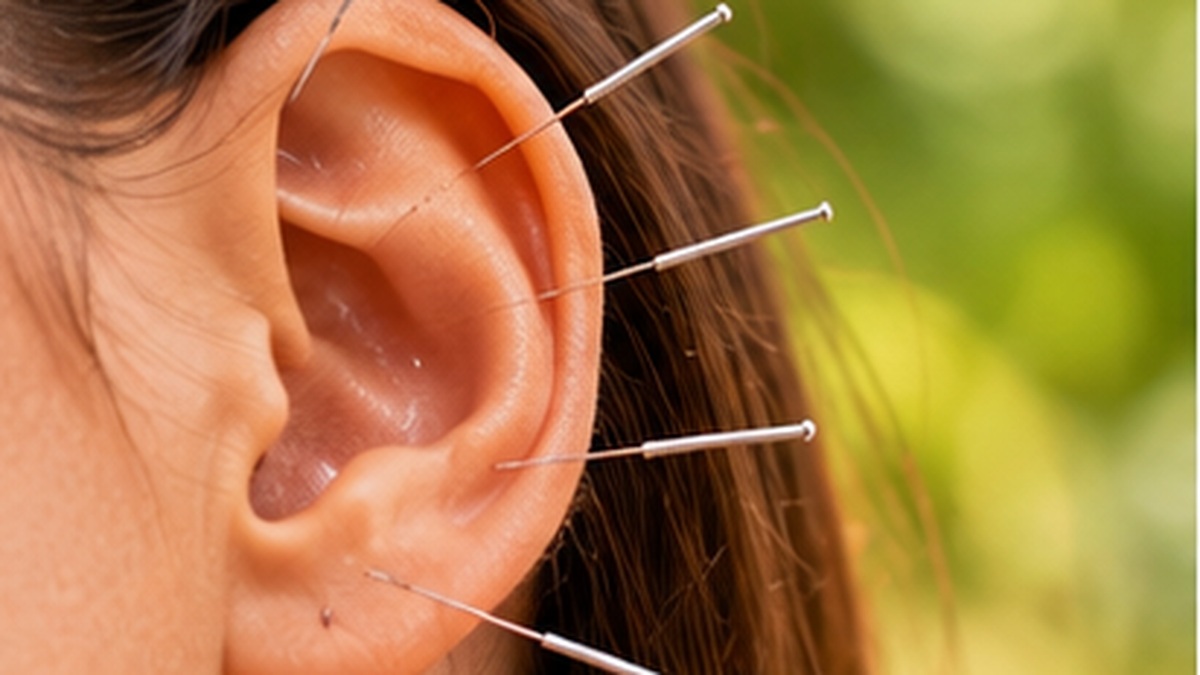
One of the complementary approaches used in addiction recovery and emotional wellbeing is Auricular Acupuncture.
The ear is regarded as a microsystem in traditional auricular medicine. Specific areas of the ear are stimulated using fine acupuncture needles or other appropriate forms of stimulation.
The NADA AcuDetox Protocol is a recognised five-point auricular acupuncture approach developed for use in substance-use recovery and supportive care.
It is used internationally in a variety of settings, including addiction recovery services, rehabilitation programmes, community health initiatives and wellness practices.
Why auricular acupuncture is relevant
The nervous system plays an important role in stress responses, emotional regulation, reward processing and the physical experience of cravings.
Auricular acupuncture is of interest because stimulation of the ear engages sensory pathways associated with the autonomic nervous system and central nervous system.
Research has investigated its potential role in:
- Supporting relaxation.
- Reducing stress and anxiety symptoms.
- Managing nicotine withdrawal symptoms.
- Supporting people undergoing substance-use recovery.
- Improving emotional wellbeing.
- Helping people cope with cravings.
- Supporting sleep and recovery.
There is a growing body of research, including randomised controlled trials, systematic reviews and meta-analyses.
For example:
A 2025 systematic review and meta-analysis by Mi and colleagues examined nine randomised controlled trials involving 1,032 participants. It found that auricular acupoint-related therapies were associated with improvements in nicotine withdrawal scores. The researchers also reported a favourable safety profile, although they noted that more research was needed to establish the most effective treatment approach.
A 2024 umbrella review and updated meta-analysis by Zhang and colleagues examined acupuncture and related acupoint therapies for smoking cessation. It found low-certainty evidence suggesting that needle acupuncture and auricular acupressure may support short-term smoking cessation.
A systematic review and meta-analysis by Choi and Kim, published in 2025, examined auriculotherapy for stress management and added to the growing research interest in ear-based therapies.
Research published in 2026 has also examined multiple acupuncture-related interventions for drug addiction, including auricular acupuncture, across 35 randomised controlled trials involving 2,812 participants.
These findings are encouraging and support continued investigation and appropriate use of acupuncture as a complementary approach.
It is important, however, to distinguish between studies of auricular acupuncture, auricular acupressure, body acupuncture, laser stimulation and the specific NADA five-point protocol. They are related approaches but are not interchangeable, and findings from one should not automatically be attributed to another.
What happens during an AcuDetox treatment?
At Spark of Life, the NADA five-point protocol involves the placement of five fine, sterile acupuncture needles in each ear.
The client then sits comfortably and quietly for approximately 30–45 minutes.
This period of stillness can be valuable in itself. It provides an opportunity to step away from daily demands, slow down and experience a structured period of relaxation.
For someone accustomed to constantly reaching for stimulation or relief, learning to become comfortable with stillness can be an important part of developing healthier coping strategies.
AcuDetox is not a cure for addiction and should not replace appropriate medical treatment, addiction counselling, psychological care or prescribed medication. It can, however, form part of an integrated recovery and wellness plan.
7. How Spark of Life can support your wellbeing
At Spark of Life Acupuncture in Meadowridge, Cape Town, we recognise that lasting wellbeing is rarely achieved by addressing one symptom in isolation.

Our approach combines Auricular Acupuncture, NADA AcuDetox, personalised wellness guidance and practical lifestyle support.
The objective is to help people develop healthier patterns, improve their ability to manage stress and build a more sustainable relationship with their physical and emotional wellbeing.
Emotional Balance Programme
For people experiencing emotional overwhelm, anxiety, prolonged stress, grief or difficulty maintaining emotional balance.
The programme combines Auricular Acupuncture, personalised lifestyle guidance and practical wellbeing strategies.
Explore the Emotional Balance Programme.
Stress Reset Programme
For people who feel constantly under pressure, struggle to switch off or find themselves relying on unhealthy coping behaviours.
This programme focuses on relaxation, nervous-system regulation, resilience and healthier responses to everyday stress.
Explore the Stress Reset Programme.
Healthy Weight and Lifestyle Support
For people who struggle with emotional eating, cravings, repeated dieting or establishing sustainable healthy habits.
The programme addresses eating behaviours, stress, sleep, physical activity and lifestyle choices, with personalised support and Auricular Acupuncture.
Explore the Healthy Weight and Lifestyle Support Programme.
Stop Smoking Support
For people who want to stop smoking and develop healthier ways of responding to nicotine cravings, stress and established smoking routines.
Auricular Acupuncture and AcuDetox can be incorporated into a broader cessation strategy.
Explore the Lifestyle Support Programmes.
Sleep Well Programme
For people whose sleep is affected by stress, anxiety, overthinking or unhealthy routines.
Improving sleep can be an important part of reducing dependence on stimulants during the day and unhealthy coping behaviours at night.
Explore the Wellness Programmes.
NADA AcuDetox
For people seeking complementary support during addiction recovery, smoking cessation, emotional recovery or periods of prolonged stress.
Learn more about the NADA AcuDetox Protocol.
Individual Auricular Acupuncture
Not everybody needs a structured programme. Some people simply want to explore Auricular Acupuncture as part of their personal wellness routine.
Discover Auriculotherapy and the Ear Acupuncture Microsystem.
8. Recovery begins with a different question

Perhaps one of the most important changes we can make is to stop looking at ourselves through the lens of failure.
Instead of asking: “Why am I so weak?”
Ask: “What am I trying to manage?”
Ask: “What am I afraid I will feel if I stop?”
Instead of: “Why can’t I stop?”
Instead of: “Why do I keep going back?”
Ask: “What need is still not being met?”
These questions do not excuse harmful behaviour. They help us understand it.
A craving may be a signal of physical dependence, a learned response, an emotional need or a combination of all three.
The important thing is to become curious rather than judgemental.
We cannot always choose the experiences that shaped us, but with the right support, we can begin to change the patterns that developed in response to them.
Recovery is not simply about giving something up. It is about developing a life in which we no longer feel that we need it in the same way.
You are not your addiction. You are not your cravings. And you are not defined by the coping mechanisms you developed during difficult periods of your life.
There is a way forward.
Take the first step
If you recognise some of these patterns in yourself, or are concerned about someone close to you, seeking help is a positive first step.
At Spark of Life, we offer a supportive, non-judgemental environment where we can explore your wellbeing goals and discuss how Auricular Acupuncture, NADA AcuDetox and our personalised wellness programmes may complement your recovery journey.
Explore Spark of Life Treatments and Programmes

Important: Alcohol or benzodiazepine dependence can cause dangerous withdrawal and should not be managed by abruptly stopping without medical supervision. Opioid dependence, prescription medication dependence, eating disorders, gambling problems and other serious compulsive behaviours also warrant appropriate professional assessment.
References and Further Reading
Addiction neuroscience and emotional regulation
- Koob, G.F. & Volkow, N.D. (2016). Neurobiology of addiction: a neurocircuitry analysis. The Lancet Psychiatry, 3(8), 760–773.
- Volkow, N.D., Michaelides, M. & Baler, R. (2019). The neuroscience of drug reward and addiction. Physiological Reviews, 99(4), 2115–2140.
- National Institute on Alcohol Abuse and Alcoholism. Neuroscience: The Brain in Addiction and Recovery.
- National Institutes of Health (2026). Treating addiction.
- World Health Organization. ICD-11: Disorders due to addictive behaviours.
Auricular acupuncture and addiction recovery
- Mi, Q., Zhao, X., Zhang, Z. & Bao, F. (2025). The effectiveness and safety of auricular acupoint-related therapy for nicotine dependence: A systematic review and meta-analysis. Tobacco Induced Diseases, 23.
- Zhang, Y.Y. et al. (2024). Acupuncture and related acupoint therapies for smoking cessation: An umbrella review and updated meta-analysis. Tobacco Induced Diseases, 22.
- Choi, S. & Kim, B. (2025). Effect of Auriculotherapy on Stress: A Systematic Review and Meta-Analysis. Journal of Holistic Nursing, 43(4), 336–353.
- Tan, C.R. et al. (2025). Acupuncture for substance use disorders: A protocol of systematic review and meta-analysis of randomised controlled trials. BMJ Open, 15(4), e095435.
- Hu, N. et al. (2024). Ear-Marking Relief: A Meta-Analysis on the Efficacy of Auricular Acupressure in Alleviating Anxiety Disorders. Complementary Medicine Research, 31(3), 266–277.
- Acupuncture-related therapies for drug addiction: A systematic review and network meta-analysis (2026). Frontiers in Human Neuroscience.
Eating behaviour and emotional cravings
- Hill, D.C. et al. (2021). Stress and eating behaviours in healthy adults: A systematic review and meta-analysis. Health Psychology Review.
- National Eating Disorders Association. Laxative Misuse: Health Consequences and Treatment.
Additional reference
- World Health Organization. Gaming disorder: Questions and answers.


You raise an intriguing point about the complexities of addiction and compulsive behaviors. It resonates with me because I’ve often found myself diving into distractions like binge-watching or endless scrolling on social media, especially when I’m dealing with stress or anxiety. It’s as if these behaviors were built-in coping mechanisms, developed over time to fill a void or escape discomfort.
This post resonates deeply with me, particularly the idea that our cravings and compulsive behaviors are often coping mechanisms rather than the root problems themselves. I’ve experienced this firsthand while navigating my own relationship with food and stress. After a particularly challenging week, I’d find myself reaching for comfort foods, not because I was physically hungry, but because I craved the emotional relief they provided.