
Book Appointment Now

Non-Invasive Auricular Acupuncture for Calm Nerves
Exploring Non-Invasive Auricular Acupuncture for Enhanced Calm
Core Principles of Auricular Acupuncture in South Africa

In South Africa, non-invasive auricular acupuncture targets specific ear points to help balance the nervous system. This method employs gentle pressure or low-level lasers, effectively promoting relaxation and tranquility for those grappling with everyday stressors. Wellness centers in major urban hubs such as Cape Town and Johannesburg have increasingly embraced these techniques, addressing the rising demand for mental health support.
Practitioners strive to cultivate a serene atmosphere where clients feel safe and acknowledged. By using non-invasive methods, they make treatments more accessible to a wider audience, including those who may be apprehensive about traditional acupuncture due to needle fears. This technique resonates with the holistic health philosophies prominent in South African culture, making it a fitting choice for many.
As the need for mental wellness solutions expands, this gentle form of auricular acupuncture proves to be a powerful tool for nervous system regulation. It connects with individuals seeking alternative therapies that align with their beliefs and lifestyle, establishing itself as a crucial aspect of the wellness dialogue in South Africa.
Essential Ear Points for Effective Nervous System Regulation
In non-invasive auricular acupuncture, specific ear points are identified to foster relaxation and emotional harmony. The Shen Men and vagus nerve points are particularly vital in this practice. These points are thought to significantly influence the nervous system, aiding in the alleviation of stress and anxiety among patients.
Practitioners in South Africa highlight the significance of these key points, catering to a diverse population that faces varying stress levels. For instance, residents in urban Johannesburg frequently encounter high-pressure situations, whereas those in rural areas may contend with different challenges, such as economic difficulties. The versatility of these techniques makes them applicable in varied contexts.
By concentrating on these targeted ear points, therapists can induce a state of relaxation that enhances overall wellness. This focused approach contributes to emotional stability, making it a critical element of mental health care in South Africa.
Tailoring Techniques to Meet Local Patient Needs
Therapists in South Africa appreciate the necessity of customizing non-invasive auricular acupuncture sessions to align with their patients’ unique requirements. Cultural factors significantly influence how these treatments are administered. By recognizing local stressors—such as economic difficulties, social issues, and historical contexts—practitioners can create a more impactful therapeutic experience.
For example, community workshops in various regions educate individuals about the advantages of auricular acupuncture, empowering them to independently manage their stress levels. These workshops often incorporate local traditions and practices, making the therapy feel more relatable and accessible.
Therapists actively engage with patients to understand their specific challenges and preferences, ensuring that treatment aligns with their lifestyles. This patient-centered approach builds trust and encourages individuals to adopt non-invasive techniques for nervous system regulation.
The Historical Journey of Auricular Acupuncture in South African Traditional Medicine
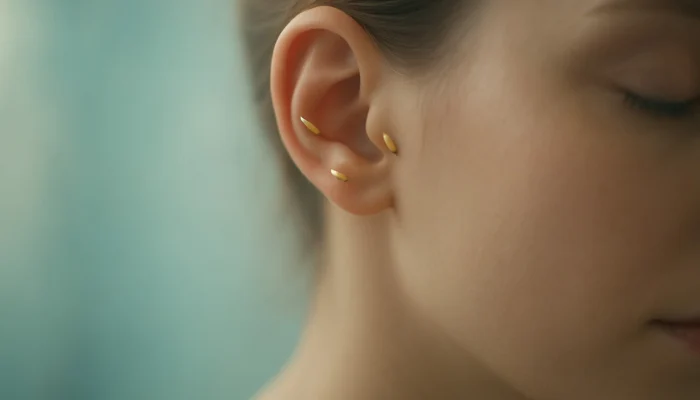
Origins in Indigenous Healing Traditions
The practice of non-invasive auricular acupuncture in South Africa has roots in indigenous healing traditions. Traditional healers have historically employed various methods of ear stimulation to enhance well-being and address emotional disturbances. Over time, these practices have evolved, integrating modern techniques while preserving ancient wisdom.
In numerous communities, traditional healers play a pivotal role in mental health care, frequently utilizing ear-related therapies to assist individuals in managing stress and anxiety. This fusion of historical and contemporary practices has facilitated the emergence of non-invasive auricular acupuncture as a recognized therapeutic option in modern contexts.
As awareness of mental health issues increases, the integration of these indigenous methods into contemporary wellness practices underscores the significance of cultural heritage in shaping effective treatment modalities. This connection to traditional healing deepens the understanding of the benefits of auricular acupuncture for nervous system regulation.
Transformation Through Colonial and Post-Apartheid Periods
Throughout South Africa’s colonial and post-apartheid periods, the incorporation of auricular methods into medical practices has been shaped by global interactions. During these times, various healing techniques were introduced, often localized to address the unique societal challenges faced by different groups.
This led many practitioners to adapt ear acupuncture techniques to better meet the needs of local populations. This evolution illustrates a growing appreciation for culturally relevant therapies in fostering mental health and well-being. The synthesis of traditional and modern practices has produced a rich variety of healing methods accessible to South Africans today.
This historical context highlights the importance of non-invasive auricular acupuncture as a strategy for nervous system regulation. By understanding its origins, practitioners can better appreciate its significance in modern healthcare and its potential to cultivate calm in an increasingly stressful environment.
Integration with Modern Healthcare Models
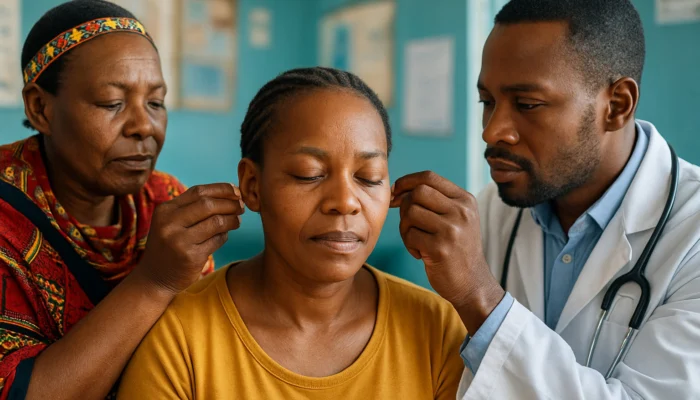
Currently, non-invasive auricular acupuncture is being increasingly integrated into South Africa’s public health initiatives. This integration aims to deliver accessible mental health support, particularly within underserved communities. Collaborating with traditional healers and contemporary medical practitioners has led to a growing recognition of this approach as a valuable therapy for nervous system regulation.
Structured training programs for local practitioners have emerged, ensuring that therapists possess the skills necessary to deliver effective treatments. These programs emphasize the importance of merging traditional practices with modern medical standards, creating a comprehensive care framework.
As non-invasive auricular acupuncture gains broader acceptance, its inclusion in public health initiatives reflects a larger commitment to addressing mental health challenges nationwide. This collaborative approach nurtures a more inclusive healthcare system that appreciates diverse healing modalities.
The Influence of Scientific Research on Traditional Practices
In recent years, scientific research has significantly contributed to validating the efficacy of traditional ear stimulation techniques employed by South African healers. Studies have shown that non-invasive auricular acupuncture can lead to measurable enhancements in mental health, particularly in reducing anxiety and stress levels.
The accumulating empirical evidence has supported the broader acceptance of these techniques within the medical community. As healthcare professionals recognize the advantages of non-invasive approaches, more patients are encouraged to consider auricular acupuncture as a legitimate option for nervous system regulation.
This synthesis of scientific inquiry with traditional practices not only bolsters the credibility of non-invasive auricular acupuncture but also empowers practitioners to deliver evidence-based care. This fusion of ancient wisdom and modern science paves the way for a more holistic approach to mental health in South Africa.
Documentation and Preservation of Healing Traditions
Efforts to document the oral traditions surrounding auricular methods within South African traditional medicine have gained importance. By safeguarding valuable insights into these practices, future practitioners can continue to harmonize historical techniques with modern applications in healthcare environments.
Organizations and researchers are focused on compiling detailed resources that outline the various ear stimulation methods utilized by traditional healers. This documentation serves as a reference for practitioners while also educating the public about the benefits of Non-invasive auricular acupuncture.
As awareness of these healing methodologies increases, preserving traditional knowledge ensures that the rich legacy of South African healing practices continues. This dedication to documentation supports the ongoing development of non-invasive auricular acupuncture as a relevant and effective therapy for nervous system regulation.
How Does Non-Invasive Auricular Acupuncture Support Local Communities?
Community Workshops in Township Areas
Community workshops are essential in educating residents about the benefits of non-invasive auricular acupuncture. These sessions are frequently hosted in township areas, where access to mental health resources may be scarce. By teaching ear acupressure techniques, residents gain the skills to manage their stress levels autonomously.
These workshops empower individuals to take control of their mental health. Participants learn practical techniques that can be seamlessly integrated into their daily lives. This grassroots approach nurtures community spirit and encourages collaboration among residents, fostering a supportive atmosphere for mental wellness.
As awareness of auricular acupuncture’s benefits grows, these workshops also help destigmatize mental health issues. By normalizing conversations about stress and anxiety, communities can collectively promote well-being and resilience in challenging times.
Enhanced Accessibility in Public Health Programs
Government-backed initiatives across South Africa have increased the accessibility of non-invasive auricular acupuncture for low-income populations. These programs aim to offer subsidized sessions, allowing individuals to seek treatment without significant financial burdens. This strategy is crucial in meeting the mental health needs of vulnerable groups.
By incorporating auricular acupuncture into public health services, the government acknowledges the vital role of mental wellness in overall health. This shift ensures that individuals from all backgrounds can access effective treatments for stress and anxiety.
As these initiatives expand, they contribute to a more equitable healthcare system that prioritizes mental health. The increased availability of non-invasive therapies empowers communities to take charge of their well-being and foster a culture of care and support.
Success Stories from Rural Clinics
In rural South African clinics, non-invasive auricular acupuncture has demonstrated promising results in alleviating anxiety symptoms among patients. Many individuals who previously struggled with stress report significant enhancements in their overall well-being after receiving treatment. Some notable benefits include:
- Reduction in anxiety levels
- Improved sleep quality
- Enhanced emotional regulation
- Greater resilience to stressors
These success stories underscore the effectiveness of non-invasive techniques in addressing mental health challenges in rural settings. By providing accessible treatments, clinics are making a substantial impact on the lives of individuals who might otherwise have limited options for care.
As awareness of these success stories spreads, more individuals are motivated to seek help, fostering a continuous cycle of healing and support within communities. This grassroots movement highlights the necessity of accessible mental health resources in promoting overall well-being.
Expert Perspectives on Non-Invasive Auricular Acupuncture for Calm Nerves
Clinical Observations from Local Practitioners
Local specialists in South Africa have reported remarkable improvements in patients’ mental health through non-invasive auricular acupuncture. Many practitioners have treated hundreds of individuals, noting significant decreases in anxiety and stress levels following consistent sessions. These clinical observations reinforce the effectiveness of this approach in achieving nervous system regulation.
Experts stress the importance of personalized treatment plans that cater to each individual’s needs. By evaluating patients’ unique stressors and emotional difficulties, therapists can devise targeted strategies that amplify the benefits of auricular acupuncture. This individualized approach fosters trust and motivates patients to fully engage in their healing journey.
As more practitioners share their success stories, the growing body of evidence supporting non-invasive techniques strengthens the argument for integrating auricular acupuncture into mainstream mental health care. This collaborative effort among specialists signifies the potential for positive transformations in the lives of many South Africans.
Training Standards for Practitioners
Establishing training standards for practitioners of non-invasive auricular acupuncture in South Africa is critical for ensuring safe and effective treatment delivery. Certification programs have been developed to equip therapists with the skills and knowledge necessary for effective practice. These programs emphasize both traditional techniques and contemporary medical principles.
Training encompasses thorough coursework on anatomy, physiology, and the specific ear points relevant to auricular acupuncture. practitioners learn about cultural considerations and patient-centered care strategies, ensuring treatments are tailored to diverse populations. This focus on cultural competence is vital in a nation as diverse as South Africa.
By maintaining high training standards, the industry can instill confidence in patients seeking treatment. This commitment to quality care not only improves the effectiveness of non-invasive techniques but also enhances the overall reputation of auricular acupuncture as a dependable option for nervous system regulation.
Challenges to Effective Implementation
Despite the growing recognition of non-invasive auricular acupuncture, several challenges persist in its implementation across South Africa. Resource constraints, particularly in rural areas, can impede access to training and treatment. Practitioners and organizations must collaborate to devise sustainable solutions to overcome these challenges.
One practical measure involves forming partnerships between urban wellness centers and rural clinics. By sharing resources, knowledge, and expertise, practitioners can widen access to effective therapies. Community outreach programs can also raise awareness and educate individuals about the advantages of auricular acupuncture.
<pAddressing these challenges necessitates a commitment to innovation and collaboration within the healthcare community. By prioritizing access to non-invasive treatments, practitioners can enhance mental health outcomes for individuals throughout South Africa.
What Preparations Are Necessary Before Treatment Sessions?
Patient Consultations in Urban Clinics
Before participating in non-invasive auricular acupuncture, patients in South African clinics typically undergo an initial consultation. This assessment reviews their medical history and current stress levels, enabling practitioners to tailor treatment plans effectively. Understanding each patient’s unique context is essential for optimizing outcomes.
During the consultation, practitioners may inquire about lifestyle factors, emotional challenges, and past experiences with acupuncture or other therapies. This comprehensive strategy ensures that treatments are customized to meet individual needs, fostering trust and cooperation between patients and therapists.
By emphasizing thorough consultations, practitioners can establish a supportive environment that encourages patients to fully engage in their treatment journey. This focus on personalized care enhances the effectiveness of non-invasive auricular acupuncture for nervous system regulation.
Dietary and Lifestyle Adjustments
Dietary and lifestyle modifications can significantly boost the outcomes of non-invasive auricular acupuncture. South African practitioners often recommend that patients adopt balanced nutrition and limit caffeine intake before their sessions. These adjustments facilitate better nervous system responses during therapy, enhancing treatment efficacy.
Incorporating whole foods, such as fruits, vegetables, and lean proteins, can provide vital nutrients that support overall health. staying hydrated is crucial for optimal bodily functions, including the nervous system. Practitioners may also suggest regular physical activity and mindfulness practices to further bolster mental health.
By motivating patients to make these adjustments, therapists can help establish a holistic approach to nervous system regulation. This comprehensive strategy not only enhances the efficacy of auricular acupuncture but also empowers individuals to take control of their health and wellness.
Techniques for Mental Readiness
Mental preparation for non-invasive auricular acupuncture is essential to maximize its benefits. South African providers often recommend simple breathing exercises to help individuals achieve a relaxed state before their sessions. These techniques can diminish anxiety and promote calm, setting the stage for effective treatment.
Practitioners may guide patients through visualization exercises or mindfulness practices, encouraging them to focus on positive outcomes and relaxation. This mental readiness deepens the connection to the treatment process, allowing individuals to fully engage in their healing experience.
By highlighting the importance of mental preparation, therapists can enhance the overall experience of auricular acupuncture, ensuring that patients feel empowered and ready to embrace the therapeutic benefits of their sessions.
Reviewing Medications Before Sessions
Prior to starting auricular acupuncture sessions, South African practitioners require patients to disclose their current medications and any known allergies. This pre-session review is critical for preventing potential interactions and ensuring safe treatment. By understanding each patient’s medical background, therapists can customize their approach to suit individual needs.
Practitioners may also discuss any previous experiences with acupuncture or other therapies, allowing them to adjust treatment plans accordingly. This thorough assessment cultivates trust and collaboration, encouraging patients to actively participate in their care.
By prioritizing safety and transparency, practitioners create a supportive environment that enhances the overall effectiveness of non-invasive auricular acupuncture for nervous system regulation.
Strategies for Optimal Appointment Timing
Selecting the right timing for auricular acupuncture appointments can significantly influence treatment effectiveness. In South Africa, practitioners often suggest scheduling sessions at times when patients can relax afterward, facilitating sustained benefits for the nervous system. This strategy allows individuals to incorporate the calming effects of treatment into their daily lives.
For example, scheduling appointments in the late afternoon or early evening can give patients the opportunity to unwind and reflect on their experience. This intentional timing reinforces the positive impacts of auricular acupuncture, allowing individuals to carry a sense of calm into their evening routines.
By considering appointment timing as a crucial element of the treatment process, practitioners can enhance the overall effectiveness of non-invasive auricular acupuncture, ensuring that patients reap the maximum benefits for their nervous system regulation.
Availability of Auricular Acupuncture in South African Healthcare Facilities
Options in Public and Private Sectors
In South Africa, non-invasive auricular acupuncture is becoming increasingly accessible in both public and private healthcare sectors. Public hospitals have begun to incorporate this therapy into their mental health services, acknowledging the necessity for accessible treatments for patients dealing with stress and anxiety. This shift reflects a growing understanding of the significance of holistic care in public health strategies.
Conversely, private wellness spas and clinics offer a more tailored approach to non-invasive auricular acupuncture. These facilities often provide a broader spectrum of complementary therapies, enabling patients to customize their treatment plans according to personal preferences. This variety ensures that individuals can find the right fit for their needs, whether in a public or private context.
The rising availability of auricular acupuncture across both sectors underscores the commitment to enhancing mental health care in South Africa. By offering diverse options, practitioners can better meet the unique needs of their communities.
Mobile Clinics Reaching Remote Areas
Mobile clinics play a vital role in delivering non-invasive auricular acupuncture to underserved populations in rural South Africa. These units travel to remote locations lacking fixed healthcare infrastructure, ensuring that individuals have access to effective treatments for nervous system regulation. This innovative strategy addresses the disparities in healthcare access faced by many communities.
Mobile clinics often collaborate with local organizations and traditional healers to provide culturally relevant care. By integrating community knowledge and practices, these clinics foster a supportive environment that encourages individuals to seek assistance for their mental health challenges.
As mobile clinics continue to expand their reach, they contribute to a more equitable healthcare system that prioritizes mental wellness. This commitment to accessibility empowers communities to take control of their health and access the necessary support.
Insurance Coverage for Treatments
Many medical aids in South Africa are starting to cover portions of non-invasive auricular acupuncture treatments, making these therapies more affordable for employed residents. This shift in insurance coverage reflects a growing acknowledgment of the importance of mental health care and the effectiveness of alternative therapies for nervous system regulation.
As more individuals seek non-invasive treatments, insurance providers are adjusting their policies to accommodate these options. This change not only enhances access to care but also encourages patients to explore alternative therapies that align with their health objectives.
By expanding insurance coverage for auricular acupuncture, South Africa’s healthcare system is making significant strides toward improving mental health outcomes for its citizens. This development emphasizes the need to integrate diverse treatment options into mainstream care.
Why Is Nervous System Regulation Crucial for South Africans Today?
Responding to High-Stress Lifestyles
Nervous system regulation has become increasingly essential for South Africans confronting high-stress lifestyles. Economic uncertainty, social changes, and urban pressures contribute to significant daily stressors that can adversely affect mental health. Non-invasive auricular acupuncture presents a valuable strategy for individuals striving to maintain calm and prevent chronic stress-related issues.
As awareness of mental wellness grows, therapies like auricular acupuncture offer a holistic approach to tackling these challenges. By fostering relaxation and emotional balance, individuals can navigate daily demands more effectively, enhancing resilience and overall well-being.
This focus on nervous system regulation aligns with the increasing recognition of mental health issues in South Africa, highlighting the necessity for accessible and effective treatments that empower individuals to take control of their health.
Connections to Overall Wellness Objectives
Effective nervous system regulation is closely associated with overall wellness objectives, including immune function and sleep quality. South Africans pursuing healthier lifestyles amid demanding circumstances can significantly benefit from therapies that enhance mental health. Non-invasive auricular acupuncture supports these goals by assisting individuals in managing stress and anxiety, leading to improved physical health outcomes.
By addressing the underlying causes of stress, individuals can strengthen their immune response and achieve better sleep quality. This interconnection between mental and physical health emphasizes the importance of integrating non-invasive therapies into holistic wellness strategies.
As awareness of these connections continues to grow, more South Africans are encouraged to explore comprehensive approaches to health that prioritize mental well-being as a fundamental aspect of overall wellness.
Cultural Significance of Calm Practices
Cultural values in South Africa stress the importance of balance and harmony in everyday life. Non-invasive auricular acupuncture aligns well with these traditional beliefs, establishing it as a culturally relevant option for supporting the nervous system. By incorporating these practices into contemporary healthcare, individuals can discover therapeutic solutions that resonate with their cultural heritage.
Many South Africans value holistic approaches to health that encompass emotional, physical, and spiritual well-being. Auricular acupuncture fits seamlessly within this framework, offering a natural and non-invasive method for managing stress and anxiety.
As the demand for culturally relevant therapies grows, non-invasive auricular acupuncture presents a meaningful way to support community values while addressing the urgent mental health needs of the population.
Research-Validated Benefits of Non-Invasive Auricular Acupuncture for Calm Nerves
Studies Conducted at Local Academic Institutions
Research undertaken at local universities in South Africa has confirmed the effectiveness of non-invasive auricular acupuncture in reducing stress and anxiety levels. These studies have shown measurable decreases in cortisol levels among participants, signifying the therapy’s potential to foster calm and relaxation.
By delivering empirical evidence of the advantages of auricular acupuncture, these studies contribute to the expanding knowledge base surrounding alternative therapies for nervous system regulation. This research not only validates the effectiveness of these techniques but also encourages more practitioners to integrate them into their treatment offerings.
As awareness of these findings spreads, it is anticipated that more individuals will seek non-invasive auricular acupuncture as a viable strategy for managing stress and enhancing overall wellness.
Measurable Patient Outcomes
Monitoring progress in South African contexts is crucial for understanding the lasting benefits of non-invasive auricular acupuncture. Practitioners frequently utilize patient feedback and assessments to gauge improvements in anxiety symptoms and overall mental health. This data-driven approach enables therapists to refine their techniques and better serve their patients.
Common metrics used to evaluate patient outcomes include self-reported stress levels, sleep quality, and emotional regulation. By tracking these factors, practitioners can identify trends and make informed decisions regarding treatment plans, ensuring that patients receive the most effective care possible.
As more practitioners adopt this data-driven methodology, the evidence supporting non-invasive auricular acupuncture will continue to grow, further establishing its role in mental health care across South Africa.
Comparative Effectiveness with Other Therapies
Real-world examples demonstrate the advantages of non-invasive auricular acupuncture compared to traditional medication for numerous patients in South Africa. Many individuals seeking natural solutions for stress relief have found that auricular acupuncture provides effective results without the side effects often linked to pharmaceuticals.
Patients frequently report enhanced emotional balance and reduced anxiety following auricular acupuncture sessions. This natural approach allows individuals to address their mental health challenges without relying solely on medication, which can sometimes lead to dependency or adverse reactions.
As awareness of these benefits spreads, more South Africans are encouraged to consider non-invasive therapies as a viable alternative to traditional treatments, cultivating a culture of holistic health and well-being.
Neuroimaging Findings from Regional Studies
Advanced neuroimaging studies conducted at regional research centers in South Africa have provided compelling evidence of the calming effects of non-invasive auricular acupuncture on neural pathways associated with stress and anxiety reduction. These studies reveal alterations in brain activity patterns that correlate with improved emotional regulation and decreased stress levels.
By employing cutting-edge technology, researchers have been able to visualize the impact of auricular acupuncture on the brain, deepening our understanding of its therapeutic effects. This neuroimaging evidence not only supports the effectiveness of non-invasive techniques but also encourages further exploration of their potential applications in mental health care.
As more findings emerge from these studies, the integration of scientific research with traditional healing practices will continue to shape the future of non-invasive auricular acupuncture in South Africa.
Long-Term Efficacy and Safety Profiles
Follow-up data gathered over several years in South African clinical trials has confirmed the sustained benefits and minimal side effects of regular non-invasive auricular acupuncture sessions. Patients often report long-lasting improvements in their mental health, including reduced anxiety and enhanced emotional stability.
This long-term efficacy positions auricular acupuncture as a reliable option for individuals aiming to maintain calm nerves and overall well-being. The low incidence of side effects further adds to its appeal, allowing patients to engage in treatment without concerns of adverse reactions.
As awareness of these positive outcomes spreads, more individuals are likely to seek non-invasive auricular acupuncture as a safe and effective solution for nervous system regulation, reinforcing its role in South Africa’s mental health landscape.
Emerging Trends in Calm Nerves Practices
Technological Innovations in Treatment Devices
Technological advancements are transforming the practice of non-invasive auricular acupuncture in South Africa. State-of-the-art laser tools are being adopted in clinics to enhance treatment precision, enabling practitioners to target specific ear points with greater efficacy. These innovations contribute to improved patient outcomes and a more streamlined treatment experience.
The incorporation of technology into auricular acupuncture also reflects a broader trend toward evidence-based practices in healthcare. As practitioners embrace these advancements, they can provide patients with more effective and efficient therapies for nervous system regulation.
As technology continues to evolve, it is likely that new devices and techniques will emerge, further enhancing the practice of non-invasive auricular acupuncture and broadening its reach within the South African healthcare system.
Policy Developments for Increased Access
Recent policy initiatives aim to integrate non-invasive auricular acupuncture into mainstream healthcare, expanding availability for nervous system support throughout South Africa. These efforts reflect a growing acknowledgment of the importance of mental health and the need for accessible treatment options.
By advocating for the inclusion of auricular acupuncture in public health programs and insurance coverage, policymakers are working to ensure that individuals from all backgrounds can access effective therapies for stress and anxiety. This dedication to expanding access is crucial for addressing the mental health challenges many South Africans face.
As these policy changes take effect, the landscape of mental health care in South Africa is likely to shift, making non-invasive auricular acupuncture a more prominent option for individuals seeking support for their well-being.
Educational Initiatives to Raise Awareness
Educational initiatives are key to increasing awareness of non-invasive auricular acupuncture in South Africa. Universities are enhancing their curricula to include this therapy, preparing more professionals to meet the growing demand for effective treatments. By training the next generation of practitioners, these initiatives contribute to the sustainability of auricular acupuncture as a viable option for nervous system regulation.
Workshops and community outreach programs also play a critical role in informing the public about the benefits of auricular acupuncture. By providing accessible information and resources, these initiatives empower individuals to take charge of their mental health and consider alternative therapies.
As awareness of non-invasive auricular acupuncture continues to expand, it is likely that more individuals will seek out this therapy as a valuable tool for managing stress and promoting overall well-being in South Africa.
Frequently Asked Questions
What is non-invasive auricular acupuncture?
Non-invasive auricular acupuncture is a therapeutic technique that employs gentle pressure or low-level lasers on specific points in the ear to regulate the nervous system and encourage relaxation.
How does it assist with stress and anxiety?
This method targets key ear points associated with emotional balance, helping to lower stress and anxiety levels through relaxation and improved nervous system function.
Where can I receive treatment in South Africa?
Non-invasive auricular acupuncture is accessible in various wellness centers, public hospitals, and private clinics across South Africa, covering both urban and rural areas.
Are there any side effects?
Generally, non-invasive auricular acupuncture is deemed safe with minimal side effects. Patients may experience slight discomfort, but serious adverse reactions are uncommon.
How many sessions are typically needed?
The number of sessions required varies by individual, but many patients notice significant benefits after a series of treatments, usually ranging from 3 to 10 sessions.
Can it be combined with other therapies?
Yes, non-invasive auricular acupuncture can be effectively combined with other therapies, such as counseling or mindfulness practices, to enhance overall mental health support.
Is it covered by medical insurance?
Many medical aids in South Africa are beginning to reimburse portions of non-invasive auricular acupuncture treatments, increasing accessibility for patients.
What should I expect during a session?
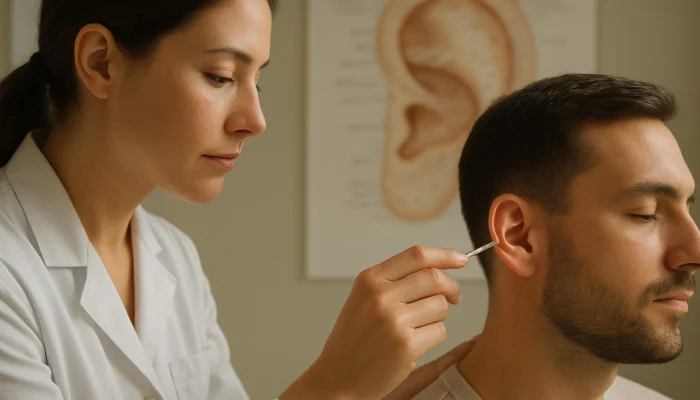
During a session, you can anticipate a calm environment where the practitioner will gently stimulate specific ear points. The experience is typically relaxing and non-invasive.
How do I prepare for a session?
Preparation may involve discussing your medical history, adjusting your diet, and practicing mental readiness techniques to enhance the treatment’s effectiveness.
What are the long-term benefits?
Long-term benefits may encompass improved emotional regulation, reduced anxiety, enhanced sleep quality, and overall well-being through consistent treatments.

Reading through your exploration of non-invasive auricular acupuncture in South Africa really got me thinking about the broader implications of holistic therapies in today’s fast-paced world. It’s fascinating to see how this gentle practice is gaining traction, especially in urban areas where stress levels can be sky-high. The transition to non-invasive methods, like using low-level lasers or gentle pressure, appears to bridge a significant gap for those who might shy away from needles.
Your exploration of non-invasive auricular acupuncture as a means to promote calmness touches on a significant shift in how we approach mental health and wellness. It’s fascinating to see how ancient practices are being adapted to meet modern needs, particularly in the context of South Africa, where cultural attitudes towards health, spirituality, and holistic practices are firmly rooted.
Ah, the joys of exploring the ear—who knew our lobes held the secrets to serenity? I love that non-invasive auricular acupuncture is making waves in South Africa. Honestly, I can’t think of a better way to tackle my modern-day stress than by channeling my inner Zen master via my earlobes!
It’s interesting to see how non-invasive auricular acupuncture is gaining traction in South Africa as a response to the escalating need for mental health support. While I appreciate the accessibility that non-invasive techniques offer, I wonder about their efficacy compared to traditional methods, especially for individuals with more profound mental health challenges.
It’s fascinating to see how auricular acupuncture is being integrated into mental health support in South Africa. The use of non-invasive techniques like gentle pressure and low-level lasers really opens up the practice to individuals who might have hesitations about traditional methods. I can relate to the anxiety some people feel about needles, so the gentle approach you described could be a game-changer for many.
Your exploration of non-invasive auricular acupuncture is both timely and relevant, especially as mental health continues to be a pressing concern for many. I appreciate how this method not only addresses anxiety through its non-invasive nature but also aligns with the holistic health principles embedded in South African culture.
It’s interesting how a small ear can pack such a powerful punch when it comes to our mental well-being! I love the idea of non-invasive auricular acupuncture. It feels like the perfect blend of modern wellness trends and cultural tradition – not everyone wants to feel like they’re getting readied for battle when seeking relaxation, right?
I find the topic of non-invasive auricular acupuncture particularly fascinating, especially considering its growing popularity in urban areas like Cape Town and Johannesburg. The way you’ve highlighted its potential to address mental health issues resonates deeply with many of us who face daily stressors. In recent years, there’s been an increasing acknowledgment of the importance of mental well-being globally, and non-invasive techniques seem to be at the forefront of this movement in South Africa.
I find the exploration of non-invasive auricular acupuncture in South Africa particularly interesting, especially given the increasing stress levels many of us are experiencing today. The emphasis on creating a safe and welcoming environment for clients highlights the importance of emotional support in wellness practices, something I believe can often be overlooked.
This exploration of non-invasive auricular acupuncture touches on a significant and often overlooked aspect of health and wellness that is gaining traction, especially in urban settings like Cape Town and Johannesburg. I find it fascinating how this method intertwines with the cultural narratives of holistic health in South Africa. Having experienced both traditional acupuncture and now non-invasive techniques, I can appreciate how the latter makes the practice more approachable for those who might shy away from needles.
It’s fascinating to see how non-invasive auricular acupuncture is gaining traction in South Africa, especially as mental health continues to be a pressing concern for many. I appreciate that this technique addresses anxiety and stress without the use of needles, making it more approachable for those who might be wary of traditional methods. This approach aligns beautifully with the growing emphasis on holistic health practices in various cultures, including our own.
Your exploration of non-invasive auricular acupuncture resonates deeply with the growing emphasis on mental health in our fast-paced world. I recently experienced a similar approach, utilizing gentle pressure techniques during a wellness retreat, and found it incredibly calming—far removed from the intimidation some might feel around traditional needles.
Your exploration of non-invasive auricular acupuncture is intriguing, especially in the context of South Africa’s evolving approach to mental health. I find it compelling how this practice not only addresses physical well-being but also promotes a sense of emotional safety, which is crucial in our fast-paced world.
It’s fascinating to see how non-invasive auricular acupuncture is gaining traction in South Africa! The focus on creating a calming environment is so important, especially as more people look for accessible mental health solutions. I’ve experienced similar techniques during my travels, particularly in places where holistic practices are woven into the culture.
I find the approach of non-invasive auricular acupuncture particularly resonant, especially given the increasing stressors of modern life that many of us face. The use of gentle pressure or low-level lasers seems like a promising alternative to traditional methods, particularly for those who might shy away from needles. It aligns beautifully with the holistic health paradigms that are growing in popularity worldwide, not just in South Africa.
Your exploration of non-invasive auricular acupuncture beautifully highlights a vital intersection between traditional practices and modern wellness approaches, particularly within the unique cultural landscape of South Africa. It’s fascinating to see how this modality not only aligns with holistic health philosophies but also actively encompasses a broader audience by addressing common fears associated with traditional acupuncture. This resonates with so many individuals who seek healing yet feel apprehensive about needles or invasive procedures.
This exploration of non-invasive auricular acupuncture truly highlights how innovative practices can meet the evolving needs of mental health support in South Africa. I’ve always been intrigued by the balance between modern wellness trends and traditional healing methods. It’s fascinating how techniques like auricular acupuncture resonate with holistic health philosophies, making them more culturally relevant and accessible.
It’s fascinating to see how non-invasive auricular acupuncture is gaining ground in South Africa, especially as more people seek accessible methods for managing stress and promoting mental health. I appreciate how this approach not only offers a viable alternative for those hesitant about traditional needles but also aligns with the holistic values in our culture.
I really appreciate the insights shared in this post about non-invasive auricular acupuncture. It’s fascinating how practices like this are gaining traction, especially in urban areas like Cape Town and Johannesburg. The balance between addressing mental health needs and making treatments more accessible really resonates with me.
It’s great to hear your thoughts! Non-invasive auricular acupuncture really is carving out an interesting space in urban wellness scenes. In places like Cape Town and Johannesburg, where life can get pretty hectic, these kinds of treatments offer an accessible way for people to address mental health needs without the hurdles that often come with traditional therapy.
It’s fascinating to see how non-invasive auricular acupuncture is gaining traction in South Africa as a means to enhance mental well-being. The emphasis on accessibility is so important—many people shy away from traditional acupuncture due to their fears of needles, so finding alternatives like gentle pressure or low-level lasers is a thoughtful approach.
Your exploration of non-invasive auricular acupuncture highlights a compelling intersection of traditional techniques and modern wellness practices, particularly in the context of South Africa’s growing mental health landscape. I appreciate how you emphasize the approach of creating a tranquil environment, as I believe that the therapeutic setting plays a crucial role in the effectiveness of treatments like these.
It’s really interesting to see how non-invasive auricular acupuncture is gaining traction in South Africa. I love the idea of making wellness more accessible—especially for those who have reservations about needles. It reminds me of the growing popularity of other holistic practices, like mindfulness and meditation, that also focus on creating a calming environment.
It’s really fascinating to see how non-invasive auricular acupuncture is gaining traction in South Africa, especially given the increasing focus on mental health. I think it’s so important that wellness practices are becoming more accessible, especially for those who might feel intimidated by traditional acupuncture.
Your exploration of non-invasive auricular acupuncture is timely, especially in a world increasingly afflicted by stress and anxiety. I appreciate how you’ve highlighted the accessibility of these techniques, particularly for those who are hesitant about traditional acupuncture due to needle anxiety. This approach not only addresses physical symptoms but also resonates with a larger cultural shift towards holistic mental health practices in South Africa.
It’s great to hear your thoughts on non-invasive auricular acupuncture. You’re spot on about how this method can serve as a bridge for many people who might shy away from traditional acupuncture due to needle anxiety. When you consider the growing interest in holistic practices, it’s exciting to see alternatives like this gaining traction, especially in a place like South Africa where we’re seeing a cultural shift towards more inclusive mental health strategies.
The exploration of non-invasive auricular acupuncture, particularly in the South African context, brings to light not only an innovative health practice but also the cultural intersections that shape our understanding of wellness. I find it particularly compelling how this approach prioritizes accessibility and comfort, especially for individuals who might be hesitant about traditional acupuncture due to a fear of needles. It’s a significant step towards demystifying alternative therapies and integrating them into mainstream wellness conversations.
Your exploration of non-invasive auricular acupuncture is both timely and relevant, especially given the growing awareness surrounding mental health in our daily lives. I’ve recently delved into holistic practices myself, and I’ve found that alternative therapies can offer unique paths to well-being that often complement conventional methods.
It’s fascinating to see how non-invasive auricular acupuncture is gaining traction in South Africa, particularly in urban centers where mental health support is becoming increasingly crucial. The gentle approach of using pressure or low-level lasers resonates well with individuals who may have hesitations about needles, opening the door to holistic healing for a broader range of people.
Your exploration of non-invasive auricular acupuncture as a means to enhance calm in the context of South Africa is both timely and thought-provoking. The increasing focus on mental health and holistic approaches to wellness certainly reflects a broader global trend, yet it also highlights unique cultural resonances within South Africa itself.
I find it fascinating how non-invasive auricular acupuncture can bridge the gap between traditional practices and modern wellness needs. It’s a wonderful example of how ancient techniques can adapt to serve contemporary society, especially in a fast-paced world where mental health is often neglected.