
Book Appointment Now

Auricular Acupuncture for Hypothalamus Emotional Effects
Understanding the Fundamentals of Auricular Acupuncture
Comprehensive Patient Assessment Techniques

In Johannesburg, practitioners initiate auricular acupuncture treatments with an in-depth patient interview. This evaluation emphasizes emotional symptoms associated with the hypothalamus, including anxiety, stress, and mood fluctuations. Gaining insight into a patient’s emotional state enables practitioners to customize their treatment strategies effectively.
After the initial interview, practitioners identify specific ear points for focused stimulation. This mapping is essential as it corresponds with the distinct emotional and physical symptoms experienced by each patient. Local clinics frequently adopt a collaborative approach, ensuring that treatment plans are personalized and culturally sensitive to meet the diverse needs of South African patients.
Techniques for Selecting Auricular Points
Choosing the right auricular points necessitates a thorough understanding of the neural pathways that link the hypothalamus to various organs and limbs. In South African healthcare practices, practitioners often refer to established acupuncture charts while also considering each patient’s unique history. This approach guarantees that the selected points align with the patient’s specific emotional and physical conditions.
Practitioners may implement advanced techniques like electro-acupuncture to boost the effectiveness of point selection. By merging traditional practices with modern technology, they can achieve more accurate results, which ultimately leads to enhanced patient outcomes and improved emotional regulation.
Guidelines for Session Duration
Standard auricular acupuncture sessions typically last about 30 minutes, giving practitioners ample time to engage with patients and evaluate their emotional responses. In South Africa, follow-up appointments are usually arranged weekly to observe changes in emotional states and their impact on physical functions such as limb mobility and organ health.
During these sessions, practitioners may modify treatment strategies based on patient feedback and observed developments. This flexible approach is crucial for achieving sustained emotional balance and enhancing overall well-being, especially within local healthcare frameworks.
Insights on Auricular Acupuncture’s Role in Managing Hypothalamus-Related Emotional Issues
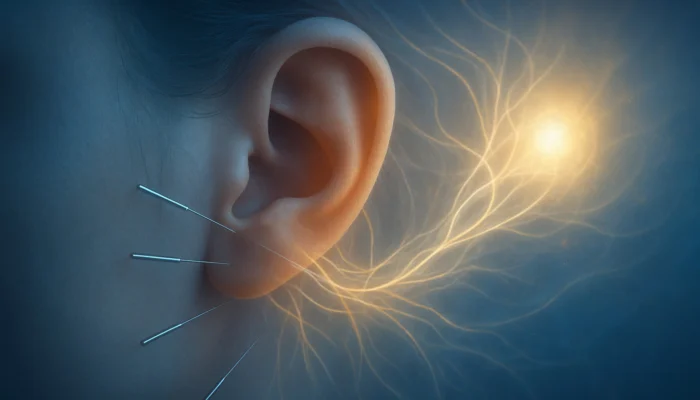
Understanding Neural Pathway Mapping
Case studies from Durban practitioners showcase the significant influence of the hypothalamus on limb mobility and organ reactions. Through precise ear stimulation techniques, practitioners can affect emotional states, resulting in improved physical outcomes. For example, patients suffering from anxiety may experience better limb coordination following targeted treatments.
Practitioners stress the necessity of understanding individual neural pathways, as responses can vary greatly among patients. By accurately mapping these pathways, practitioners can enhance treatment efficacy, ultimately fostering a stronger connection between emotional health and physical function in their patients.
Incorporating Patient Feedback into Treatment
Merging traditional acupuncture techniques with contemporary monitoring practices is vital for addressing emotional triggers in South African treatment contexts. Practitioners often invite patients to share detailed feedback during sessions, facilitating real-time modifications to the treatment plan.
This incorporation of patient feedback enriches the therapeutic process and empowers individuals to take charge of their emotional health. By encouraging open communication, practitioners can better tailor their methods, ensuring that treatments align with the unique cultural and emotional backgrounds of their patients.
Tracking Indicators of Progress

During auricular acupuncture sessions, practitioners monitor subtle changes in mood and physical symptoms, focusing on culturally relevant practices employed in regional wellness centers. Common indicators include variations in emotional responses, enhancements in limb mobility, and overall organ health.
To evaluate progress, practitioners may use standardized assessment tools alongside patient self-reports. This comprehensive monitoring guarantees that the treatment remains effective and responsive to the evolving needs of patients, ultimately leading to improved emotional balance and physical well-being.
Examining Hormonal Interactions
Expert analyses suggest that auricular acupuncture can significantly influence cortisol levels and emotional regulation. In Johannesburg clinics, practitioners combine acupuncture with psychological evaluations to deliver holistic care. This method acknowledges the complex relationship between emotional states and hormonal balance, particularly regarding the hypothalamus’s function.
By stimulating specific auricular points, practitioners can encourage hormonal stability, positively affecting emotional health. This holistic outlook is especially advantageous in diverse communities, where emotional well-being closely intertwines with cultural and social factors affecting patients’ lives.
How Does Auricular Acupuncture Promote Emotional Balance?
The Impact of Ear Point Stimulation
Targeted stimulation of ear zones aids in regulating emotional output from the hypothalamus, significantly influencing daily activities in South African communities. After treatment, patients frequently report feeling more centered and less reactive to stressors, which can enhance their interactions in both personal and professional environments.
This emotional regulation is vital for sustaining harmony in various life aspects. By addressing the underlying emotional triggers connected to the hypothalamus, auricular acupuncture fosters a sense of well-being that permeates a patient’s everyday experiences.
What Physiological Responses Can Be Expected?
Patients often report decreased tension as neural signals to organs improve, resulting in enhanced limb coordination and function. This physiological response is especially beneficial for individuals experiencing stress-related symptoms, as it enables a more seamless interaction between emotional and physical states.
The link between emotional well-being and physical health is particularly prominent in South Africa, where lifestyle factors can greatly impact both. By improving neural communication, auricular acupuncture promotes a more integrated approach to health, enhancing both emotional stability and physical vitality.
Integrating Auricular Acupuncture into Daily Routines
Auricular acupuncture therapy aligns with local lifestyle factors, helping sustain emotional stability and support organ health over extended periods. Many patients discover that incorporating these sessions into their routines enhances their ability to manage stress and emotional fluctuations effectively.
This integration is crucial for long-term success, as it encourages patients to perceive acupuncture as an integral component of their overall wellness strategy. By reinforcing positive habits and emotional resilience, auricular acupuncture can significantly improve quality of life in South African communities.
The Advantages of Neurotransmitter Modulation
Auricular acupuncture impacts serotonin and dopamine levels through targeted stimulation of ear points. This modulation fosters sustained emotional equilibrium while alleviating symptoms of depression and anxiety, particularly among individuals in diverse South African environments.
By enhancing overall mental resilience, practitioners assist patients in navigating daily life challenges more effectively. This methodology not only bolsters emotional health but also promotes physical well-being, creating a holistic framework for patient care that resonates with the cultural context of South Africa.
Research-Validated Benefits of Auricular Acupuncture for Hypothalamus-Related Emotional Effects
Findings from Clinical Studies
Clinical trials conducted in Pretoria have documented measurable improvements in emotional regulation and associated physical symptoms among patients receiving auricular acupuncture. These studies underscore the efficacy of targeted ear stimulation in addressing emotional issues linked to the hypothalamus.
Practitioners can utilize these findings to refine their treatment methodologies, ensuring they are rooted in evidence-based practices. By staying updated on the latest research, they can offer patients the most effective care tailored to their specific needs.
Long-Term Health Benefits
To apply insights from South African research, practitioners can incorporate auricular acupuncture into comprehensive treatment plans aimed at improving emotional and physical health. This strategy highlights the necessity of ongoing care and support for patients facing hypothalamus-related emotional challenges.
By concentrating on long-term health outcomes, practitioners can cultivate a more sustainable care model that addresses both immediate symptoms and deeper issues. This holistic perspective is vital for fostering lasting emotional balance and overall well-being in diverse communities.
Approaches to Comparative Analysis
Expert evaluations indicate that the benefits of auricular acupuncture extend to emotional effects across various local patient demographics. By comparing outcomes among different groups, practitioners can identify patterns and customize their approaches to meet the unique needs of distinct populations.
This comparative analysis not only enhances treatment effectiveness but also deepens the understanding of how cultural and social influences shape emotional health. By acknowledging these subtleties, practitioners can develop more inclusive and effective treatment strategies that resonate with their patients.
Evidence from Neuroimaging Studies
Cutting-edge neuroimaging research conducted in Johannesburg has revealed significant changes in hypothalamus function and emotional processing following auricular acupuncture sessions. These findings emphasize the physiological foundation for the emotional advantages associated with this treatment method.
By employing neuroimaging techniques, researchers can provide tangible evidence of auricular acupuncture’s effectiveness. This data not only enhances the credibility of the practice but also guides future research and treatment strategies, ultimately benefiting patients throughout South Africa.
What Are the Advantages for Limb and Organ Health?
Reducing Emotional Impact
Auricular acupuncture therapy alleviates stress driven by the hypothalamus, which can disrupt limb movement and organ performance in daily South African life. By targeting the emotional origins of stress, patients often experience enhanced physical health outcomes, such as improved mobility and organ functionality.
This reduction in emotional impact is crucial for individuals grappling with chronic stress or anxiety, as it enables them to engage more fully in daily activities. The positive effects on both emotional and physical health foster a balanced approach to wellness, essential for thriving in a fast-paced environment.
How Does Treatment Improve Mobility?
Focused auricular acupuncture sessions enhance neural communication, resulting in better physical responses and decreased discomfort. Patients consistently report improved mobility, which can dramatically influence their quality of life and overall well-being.
By addressing the emotional triggers that contribute to physical limitations, practitioners empower patients to regain confidence in their abilities. This empowerment encourages a more active lifestyle, allowing individuals to participate fully in their communities and enjoy a higher quality of life.
Promoting Internal Balance
Acupuncture nurtures harmony between emotional states and bodily systems through consistent application in community health initiatives. In South Africa, this holistic approach proves to be especially beneficial, recognizing the interdependence of emotional and physical health.
By incorporating auricular acupuncture into community health programs, practitioners promote a more comprehensive understanding of wellness. This emphasis on internal balance encourages patients to prioritize their emotional health, ultimately leading to improved physical outcomes and a better quality of life.
How Can Patients Access Treatment in Their Communities?
Locating Qualified Practitioners
Residents in South Africa can seek certified practitioners who specialize in using auricular methods for addressing hypothalamus-related emotional health. Major cities like Johannesburg, Cape Town, and Durban offer a variety of qualified professionals, ensuring access to effective treatment.
Patients are encouraged to verify practitioners’ credentials and seek recommendations from trusted sources. This diligence helps ensure they receive high-quality care tailored to their specific emotional and physical requirements.
Understanding Insurance and Cost Considerations
Numerous South African medical aids cover portions of auricular acupuncture sessions, enhancing accessibility for ongoing emotional and physical support. Patients should review their medical aid policies to grasp coverage options and potential out-of-pocket expenses.
By utilizing available insurance benefits, patients can make informed decisions regarding their treatment options. This accessibility is crucial for nurturing a culture of proactive health management, especially in communities where emotional health is often overlooked.
Preparing for Initial Consultations
Patients should compile detailed symptom records ahead of their first visits to maximize outcomes during consultations focused on limb and organ connections. Comprehensive records enable practitioners to better understand patients’ experiences and customize treatment plans accordingly.
By preparing this information, patients enhance the effectiveness of their consultations, ensuring that their emotional and physical needs are comprehensively addressed. This proactive strategy empowers individuals to take control of their health and well-being.
Ensuring Safety and Effectiveness in Treatment
Implementing Risk Assessment Procedures
Essential safety checks for hypothalamus treatments conducted in South African clinics include:
- Verification of practitioner qualifications and certifications
- Assessment of patient medical history and current conditions
- Monitoring for adverse reactions during and post-treatment
- Ensuring clean and sterile environments for procedures
These protocols help maintain high standards of care and guarantee patient safety throughout the treatment process.
Recommended Follow-Up Care
Regular evaluations are vital for ensuring sustained benefits regarding emotional effects on physical health. Practitioners typically recommend follow-up appointments to assess progress and make necessary adjustments to treatment plans.
This continuous care is crucial for maximizing the effectiveness of auricular acupuncture. By maintaining open communication and a commitment to patient well-being, practitioners can guide individuals through their emotional and physical health journeys successfully.
Systems for Tracking Efficacy
Key metrics utilized by local experts to measure patient outcome progress over time include:
- Changes in emotional state as reported by patients
- Improvements in physical symptoms, such as mobility
- Patient satisfaction and feedback regarding treatment effectiveness
- Regular evaluations of overall health and well-being
By employing these tracking systems, practitioners ensure that treatments remain aligned with patients’ evolving needs and goals.
Frequently Asked Questions
What is auricular acupuncture?
Auricular acupuncture is a specialized form of acupuncture that involves stimulating specific points in the ear to address various health concerns, including emotional and physical issues.
How does auricular acupuncture influence the hypothalamus?
Auricular acupuncture impacts the hypothalamus by regulating hormonal responses and emotional output, aiding in the balancing of emotional states and enhancing physical health.
What conditions can auricular acupuncture help address?
Auricular acupuncture can assist with anxiety, stress, depression, and physical symptoms related to emotional health, such as tension and mobility challenges.
What is the typical duration of a session?
A standard auricular acupuncture session lasts approximately 30 minutes, with practitioners often scheduling follow-up appointments weekly to monitor progress.
Is auricular acupuncture a safe procedure?
Yes, auricular acupuncture is generally safe when performed by qualified practitioners. Safety protocols, including risk assessments, are strictly followed in South African clinics.
Can I combine auricular acupuncture with other treatments?
Yes, auricular acupuncture can be effectively combined with other treatments, including psychological counseling and physical therapy, creating a holistic health approach.
How many sessions will I need for optimal results?
The number of sessions required varies by individual; however, many patients benefit from a series of treatments to achieve lasting emotional balance and physical improvements.
Will my medical aid cover the costs of auricular acupuncture?
Many South African medical aids provide coverage for portions of auricular acupuncture sessions, but patients should verify their specific policies for detailed coverage information.
What can I expect during my first appointment?
During your first appointment, the practitioner will conduct a thorough assessment, discuss your symptoms, and create a personalized treatment plan tailored to your needs.
How can I find a qualified practitioner for treatment?
You can locate qualified practitioners by researching online, seeking recommendations from healthcare providers, or checking local acupuncture associations in South Africa.

I must say, diving into auricular acupuncture feels like participating in a whimsical treasure hunt where your ears are the X that marks the spot! It’s fascinating how something as simple as a little ear stimulation can play such a big role in addressing emotional and physical symptoms. You mentioned the in-depth patient interview, which reminds me of my own experience with alternative healing therapies—though, I admit, my first “assessment” consisted of too much laughter and way too many snack breaks!
Your treasure hunt analogy is spot on! It’s interesting how something as seemingly small as an ear can guide us toward big changes in our well-being. I mean, who knew that a few tiny points could unlock layers of emotional and physical health? Your experience with alternative therapies sounds like a fun journey too—laughter and snacks definitely make anything more memorable.
Your exploration of auricular acupuncture and the emphasis on comprehensive patient assessments is a timely and relevant topic, especially considering the rising interest in holistic health approaches. I find it fascinating how practitioners are not just focusing on the physical symptoms that patients present but are also considering the emotional spine that ties into our overall well-being. This nuanced perspective can significantly impact how treatment outcomes are perceived, as emotional health often intertwines with physical manifestations of distress.
I found your insights on auricular acupuncture really intriguing, especially the emphasis on emotional symptoms tied to the hypothalamus. It’s interesting how the ear can act as a microcosm reflecting not just physical, but emotional states. In my experience with holistic therapies, I’ve seen how vital it is to address emotional health—not just treating symptoms but understanding the root cause.
You bring up a great point about the ear being like a tiny emotional map. It’s funny to think about how something as simple as an ear can hold so much potential. I mean, who would have thought that pressing on some little nodule might help someone find peace in their chaotic feelings? It’s like the ear’s got its own therapy session going on.
I find the approach to auricular acupuncture in Johannesburg particularly fascinating, especially the emphasis on the emotional context of treatment. It’s intriguing how targeting specific ear points can address not just physical symptoms but also complex emotional states like anxiety and stress.
I find the approach to auricular acupuncture in Johannesburg particularly fascinating, especially the emphasis on understanding a patient’s emotional state before treatment. It highlights the complex interplay between our mental and physical well-being, which is often overlooked in traditional medical approaches.
It’s great to hear you share that interest in auricular acupuncture! The connection between emotional states and physical health is such a rich area for exploration. In Johannesburg, practitioners really dive deep into this relationship, treating patients holistically. By addressing emotions alongside physical symptoms, they open up new pathways for healing that traditional methods often skip over.
I love the idea that auricular acupuncture starts with a deep chat about feelings—it’s like therapy for your ears! Honestly, if only my ear could speak back and tackle my procrastination on tasks—it might say, “Hey, just do it already!”
Your exploration of auricular acupuncture and the significance of a detailed patient assessment really resonates with me. I find it fascinating how such an ancient practice can have such a profound impact on modern health concerns, particularly emotional well-being. The emphasis you’ve placed on understanding emotional symptoms linked to the hypothalamus is crucial; it illuminates just how interconnected our emotional and physiological states truly are.
It’s great to hear that the exploration of auricular acupuncture resonated with you. It’s intriguing how this ancient practice offers such insights into our modern health issues, especially regarding emotional well-being. The connection between the hypothalamus and our emotions is a reminder of how intricately our bodies are designed. When we consider how stress can manifest physically, it really highlights the need for holistic approaches to health.
It’s fascinating to read about how auricular acupuncture is being implemented in Johannesburg, particularly the emphasis on comprehensive patient assessment techniques. The initial patient interview seems crucial not only for identifying physical symptoms but also for understanding the emotional landscape that may accompany them. This holistic approach resonates with a more comprehensive view of health, where mental and emotional well-being are intertwined with physical health.
Your exploration of auricular acupuncture highlights the intricate connection between emotional and physical health, particularly how our emotional states can influence our overall well-being. This approach resonates deeply with the growing recognition of holistic practices in healthcare today, where addressing the emotional aspects of conditions is just as vital as targeting the physical symptoms.
What a fascinating dive into auricular acupuncture! It’s intriguing to think how something as small as ear points can have such a significant impact on our emotional health. I must admit, I’ve always thought of acupuncture not just as a wellness technique but also as an art form! I mean, it’s like personalized music—a unique symphony for each individual composed of tiny needles.
Your exploration of auricular acupuncture highlights the critical role that thorough patient assessments play in tailoring treatment approaches. I find it particularly interesting how emotional symptoms related to the hypothalamus, such as anxiety and mood fluctuations, can significantly influence not only the choice of ear points but also the overall treatment plan.
I appreciate your thoughts on auricular acupuncture and the importance of a detailed patient assessment. It’s fascinating how holistic practices like this can weave together various aspects of physical and emotional health. The hypothalamus really is a pivotal player in our emotional landscape—anxiety and mood fluctuations can influence so much more than just our mental state; they can affect our overall well-being and even our responses to treatments.
Ah, auricular acupuncture—who knew that our ears could hold the key to untangling all those emotional knots! It’s like having a secret map to the human psyche, except instead of X marking the spot, we’ve got various little ear points playing hide and seek with our feelings.
Your post highlights the vital role of individualized treatment in auricular acupuncture, especially regarding emotional health. I find it fascinating how the ear can be a microcosm of our bodies and emotions. It reminds me of the broader concept of holistic health, where understanding a person’s emotional landscape often leads to more effective healing.
I love how you highlighted the personalized approach in auricular acupuncture. It really resonates with the idea of holistic health—taking the time to understand the emotional nuances is so crucial, especially with stress and anxiety being such prevalent issues today.
Your exploration of auricular acupuncture really resonates with me, especially the emphasis on a comprehensive patient assessment. It’s fascinating how our emotional states can be so closely linked to physical health, particularly through something as nuanced as ear points. I recently read about how other cultures utilize similar concepts in holistic practices, like Traditional Chinese Medicine, where the mind-body connection is paramount.
This post really got me thinking about how our ears could be the answer to more than just listening to a friend’s boring story! Who knew that those tiny ear points could hold the key to untangling our emotional spaghetti? It’s fascinating how auricular acupuncture not only delves into physical symptoms but also manages to be a therapist of sorts for our mental health, all while we’re just kicking back in a clinic chair.
Your insights on the patient assessment process in auricular acupuncture really resonate with me. The connection between emotional well-being and physical health is something I’ve increasingly come to appreciate, especially in holistic practices. It’s fascinating how specific ear points can correspond to emotional states like anxiety and stress.
I really appreciate how you’ve shed light on the importance of thorough patient assessment in auricular acupuncture. It sounds like a deeply personalized approach is key, especially when dealing with emotions tied to physical health. I’ve always found it fascinating how interconnected our mental and physical states are, and it seems like auricular acupuncture is a powerful way to address that synergy.
I find your exploration of auricular acupuncture particularly compelling, especially the emphasis on comprehensive patient assessment techniques. It’s fascinating how the practice not only addresses physical ailments but also delves into the emotional aspects, particularly the relationship with the hypothalamus and its influence on anxiety and mood fluctuations. This highlights an essential shift in holistic health practices, where we are increasingly recognizing the interconnectedness of our emotional and physical states.
Your exploration of auricular acupuncture’s foundational aspects truly highlights the nuanced relationship between emotional health and physical well-being. It’s fascinating how the initial patient interview acts as both a diagnostic and therapeutic step, allowing practitioners to gain a comprehensive understanding of an individual’s mental and emotional landscape. I’ve been particularly intrigued by the strong link between the hypothalamus and emotional symptoms like anxiety and stress, which you mentioned. This physiological connection underscores the importance of holistic approaches in modern health practices.
You’ve touched on some vital points that really get to the heart of what makes auricular acupuncture such an intriguing practice. The initial patient interview is often overlooked, yet it’s like peeling back the layers of an onion to reveal the intricate connections between emotional and physical health. This process isn’t just about gathering information; it’s a chance for practitioners to truly tune into the patient’s story. The more insight they gain into someone’s emotional landscape, the better equipped they are to address specific issues during treatment.
The exploration of auricular acupuncture in your post truly resonates with the growing interest in holistic approaches to health and wellness. I particularly appreciate the emphasis on the comprehensive patient assessment techniques employed by practitioners in Johannesburg. It’s fascinating how an in-depth patient interview can reveal so much about emotional symptoms linked to the hypothalamus. The brain-body connection is indeed profound, and understanding each patient’s unique emotional landscape allows practitioners to tailor their treatments in a way that feels personal and respectful of their cultural backgrounds.
It’s great to see this kind of interest in auricular acupuncture and holistic practices. Your point about comprehensive patient assessments resonates deeply with the core philosophy of these treatments. When practitioners take the time to really listen to a patient’s story and delve into their emotional experiences, they’re not just gathering facts—they’re creating a narrative that can guide their approach to care.
I really appreciate how you highlighted the importance of a comprehensive patient assessment in auricular acupuncture. It resonates with me because I believe that understanding the emotional landscape of patients is crucial, not just for acupuncture but for all forms of holistic health care. It reminds me of how integrative medicine has gained traction over the years, blending traditional practices with modern insights into mental health.
You’ve captured something really essential with your emphasis on understanding the emotional landscape of patients. It’s true that in holistic health care, this understanding goes beyond treating symptoms; it’s about connecting with the person using care that sees the whole individual. When we consider traditional practices like auricular acupuncture, we tap into a powerful blend of ancient wisdom and contemporary insights.
I find the approach to auricular acupuncture presented here truly fascinating, particularly the emphasis on the comprehensive patient assessment as a foundational component of effective treatment. It’s so true that understanding a patient’s emotional state can play a crucial role in their overall wellbeing, especially when it comes to conditions like anxiety and mood fluctuations. I can’t help but think about how the integration of traditional healing methods, such as auricular acupuncture, with more conventional psychological assessments can create a holistic approach to mental health care.
This is such an intriguing topic! I’ve always found it fascinating how the ear can be like a miniature map of the body’s emotional and physical signals. It’s like we all have our personal ‘ear-ologue’ going on!
It’s fascinating how auricular acupuncture taps into both the physical and emotional aspects of health! The detailed patient interviews really highlight the holistic nature of this practice. I think it’s so important to address the emotional symptoms, like anxiety and mood fluctuations, as they often have a significant impact on physical well-being.
You’ve highlighted a key aspect of auricular acupuncture that often gets overshadowed—the interplay between emotional and physical health. A lot of people view acupuncture solely as a tool for alleviating physical symptoms, but the practice really does embrace a more holistic perspective. The detailed patient interviews you mentioned are crucial because they reveal how deeply interconnected our emotional state is with our physical well-being.
It’s fascinating to see how auricular acupuncture is being tailored to meet the specific emotional and physical needs of patients in Johannesburg. The emphasis on comprehensive patient assessments really resonates with my understanding of holistic health practices. By integrating emotional evaluations—like those related to the hypothalamus—you are acknowledging the deep interconnection between our mental and physical well-being.
I appreciate the emphasis on patient assessment techniques in auricular acupuncture, particularly the focus on emotional symptoms related to the hypothalamus. In my experience, understanding a patient’s emotional landscape can dramatically influence the effectiveness of treatment. This holistic view aligns well with the growing trend of integrating mental health care into physical health treatments—an approach increasingly recognized in various medical practices globally.
Your exploration of auricular acupuncture and the process involved in comprehensive patient assessment resonates with me deeply. It’s fascinating how this practice, rooted in ancient traditions, can be harmonized with modern, patient-centered approaches. The emphasis on understanding the patient’s emotional state before initiating treatment highlights the holistic nature of this practice. It reminds me of how interwoven our emotional and physical health truly is—a theme that is often overlooked in conventional Western medicine.
Your discussion on auricular acupuncture and its emphasis on a comprehensive patient assessment caught my attention, especially the way it intertwines emotional health with physical treatment strategies. It’s fascinating to see how practitioners in Johannesburg tailor their approaches, not just by understanding the physical symptoms, but by diving deep into emotional states too. This holistic method reminds me of the therapeutic practices found in various cultures—where mind, body, and spirit are viewed as interconnected.
This approach to auricular acupuncture is really fascinating, especially how the emotional assessment plays such a central role in shaping treatment. It’s interesting to think about how our emotional health can manifest physically and how targeted stimulation might help balance that out.
This post raises interesting points about the integration of auricular acupuncture within a comprehensive patient assessment framework. The emphasis on emotional symptoms, particularly those tied to the hypothalamus, reflects an essential understanding of holistic health practices that resonate well with modern approaches to mental health and wellness.
This exploration of auricular acupuncture in Johannesburg highlights such an important layer of patient care that often gets overlooked—understanding a patient’s emotional wellbeing as part of their physical treatment plan. The connection between our emotions and physical symptoms is profound, and I’m fascinated to see how practitioners are tailoring treatments with that in mind.
This exploration of auricular acupuncture and its alignment with patient emotional health is quite illuminating. I appreciate the emphasis on understanding emotional symptoms tied to the hypothalamus before initiating treatment. This holistic approach not only fosters a more personalized treatment plan but also acknowledges the interconnectedness of mental and physical health—something that is often overlooked in conventional medical practices.
Your exploration of auricular acupuncture and the systematic approach taken by practitioners in Johannesburg raises several compelling points that merit deeper consideration. The emphasis on a thorough patient interview to assess emotional states is particularly noteworthy, as it highlights how integral a holistic perspective is in contemporary healthcare practices.
This exploration of auricular acupuncture’s foundational assessments really highlights the importance of personalizing treatments. In my experience, taking the time to understand a patient’s emotional state not only enhances the efficacy of the acupuncture points selected but also builds a deeper therapeutic relationship.
Your exploration of auricular acupuncture and its patient assessment techniques in Johannesburg highlights an essential aspect of holistic healthcare: the importance of understanding the emotional and cultural context of each patient. I find it particularly intriguing that the interview process emphasizes emotional symptoms linked to the hypothalamus, as this area often serves as a nexus for both mental and physical health concerns.
The approach you describe in auricular acupuncture is truly remarkable, especially the emphasis on understanding a patient’s emotional well-being. It’s clear that the integration of mental health into physical treatment not only personalizes care but also fosters a deeper connection between practitioners and patients.
You hit the nail on the head with that observation about auricular acupuncture. It’s fascinating how tuning into a patient’s emotional landscape can both personalize the experience and create a connection that feels much more human—kind of like when you find a barista who remembers your order and doesn’t make you feel like an extra in a coffee shop set.
Your insights on auricular acupuncture and the emphasis on a comprehensive patient assessment really resonate with me. The connection between emotional symptoms and the hypothalamus is often overlooked, yet it plays a crucial role in holistic treatment approaches.
I appreciate your thoughts on auricular acupuncture and the role of the hypothalamus. It’s true that many folks don’t realize how interconnected our emotions and physical health really are. The hypothalamus is like this little control center for so many bodily functions, and when emotions get tangled up, it can create a ripple effect.
I found the emphasis on emotional assessment in auricular acupuncture particularly fascinating. It really underscores the holistic nature of this practice. In my own experience with alternative therapies, I’ve noticed how intertwined our emotional and physical states can be. For instance, I once participated in a wellness retreat that focused on mindfulness and acupuncture, which made me realize how unaddressed emotional issues can manifest in physical symptoms.
This was an enlightening read! I’ve always found it fascinating how our ears seem to have more psychological baggage than we realize. Who knew that a tiny area could hold the key to our emotional well-being? For some reason, this reminds me of how my friend swears by ear seeds after a particularly stressful week at work. I teased her, saying she was just starting a trendy new jewelry line, but honestly, it’s intriguing how different cultures integrate ear acupuncture into holistic health practices.
It’s great to hear that you found the article engaging! The connection between our ears and emotional well-being is definitely a fascinating topic. It’s interesting how something that seems so small can play such a significant role in how we feel.
Your exploration of auricular acupuncture and comprehensive patient assessments in Johannesburg is very enlightening. The emphasis on understanding emotional symptoms tied to the hypothalamus really highlights the importance of a holistic approach in treatment. I appreciate how you noted the need for culturally sensitive practices; in a diverse setting like South Africa, acknowledging different cultural backgrounds can significantly impact treatment efficacy.
Your thoughts on the integration of auricular acupuncture and comprehensive assessments really resonate with me. It’s fascinating how the body, mind, and emotions interconnect, particularly when we think about the role of the hypothalamus. This small but powerful part of our brain influences so much—hormonal regulation, stress responses, and even our emotional states. By addressing emotional symptoms alongside physical ailments, we create a more complete picture of a person’s health and offer pathways to healing that go beyond mere symptom management.
It’s fascinating to see how auricular acupuncture is being utilized in such a thoughtful and personalized manner in Johannesburg. The emphasis on patient interviews to understand emotional symptoms really resonates with me. I’ve experienced the transformative power of discussing mental and emotional well-being before starting any treatment—it’s amazing how that connection can truly enhance the effectiveness of the approach.
This post is a breath of fresh air in the often murky waters of alternative therapies! It’s fascinating how auricular acupuncture connects to our emotional well-being—who knew our ears could pack such a punch? I mean, if only they handed out stability and serenity like ear piercings at the mall!
It’s interesting to see how auricular acupuncture integrates traditional practices with a comprehensive understanding of emotional well-being. The focus on the hypothalamus and its role in anxiety and mood regulation highlights the interconnectedness of physical and mental health. This reminds me of the growing emphasis on holistic approaches in modern medicine, where emotional health is increasingly acknowledged as crucial to overall well-being.
I really appreciate how you highlighted the importance of a comprehensive patient assessment in auricular acupuncture. It’s fascinating that the emotional state of patients is taken so seriously—especially given how interconnected our mental and physical health can be. In my experience with alternative therapies, I’ve always felt that the emotional undercurrents often dictate how well our bodies respond to treatment.
It’s fascinating how auricular acupuncture tailors treatments based on emotional landscapes, especially in a culturally rich place like Johannesburg. I’ve seen how different cultures approach healing, and this personalized method really speaks to the power of listening to a patient’s story.
It’s fascinating how auricular acupuncture is tailored so personally through comprehensive patient assessments—especially the focus on emotional symptoms linked to the hypothalamus. It reminds me of the holistic approach often seen in traditional healing practices across different cultures, where emotional well-being is just as prioritized as physical health.
I completely agree with you about the uniqueness of auricular acupuncture and its personalized approach. It’s intriguing how it connects emotional patterns to physiological responses, especially through the hypothalamus. This connection really highlights how our bodies are not just a collection of systems but deeply intertwined in how we experience life.
It’s interesting to think about how auricular acupuncture taps into our emotional landscape. Many people overlook the idea that emotional experiences can physically manifest in our bodies, but this practice really urges us to consider that link. The role of the hypothalamus brings a scientific grounding to these connections, showing that our emotional states can influence things like stress and hormonal balance.
This post offers such a valuable glimpse into the nuanced approach that auricular acupuncture practitioners take, especially in a culturally rich context like Johannesburg. I find the emphasis on understanding emotional symptoms tied to the hypothalamus particularly intriguing. It resonates with how integrative medicine increasingly recognizes the mind-body connection.
Your exploration of auricular acupuncture resonates deeply with the holistic approach many are seeking in today’s fast-paced world. The emphasis on understanding a patient’s emotional state as part of their physical treatment is both thoughtful and necessary. It reminds me of the growing recognition of the mind-body connection in wellness practices.
I really appreciate the way you’ve outlined the patient assessment techniques involved in auricular acupuncture. It’s fascinating how different forms of traditional practices, like this one, are being integrated into modern healthcare settings, especially in such a culturally rich place like Johannesburg.
I’m glad you found the article on auricular acupuncture insightful. It really does bring to light how traditional practices can coexist with contemporary healthcare approaches, particularly in vibrant cities like Johannesburg.
I found your exploration into auricular acupuncture particularly enlightening, especially in how you highlighted the importance of a comprehensive patient assessment. It’s fascinating how the interplay between emotional well-being and physiological health is increasingly recognized in various healing practices. The mind-body connection has been a key area of interest for me, and your insights reinforce the idea that our emotional states can manifest in physical symptoms, which is a crucial concept in holistic health.
It’s great to see that you found the exploration of auricular acupuncture enlightening. The connection between our emotional well-being and physical health is a crucial topic that, as you’ve noted, is gaining traction in many holistic practices. It’s interesting how these concepts are woven into the fabric of various healing methodologies.
I found your exploration of auricular acupuncture truly enlightening, especially the emphasis on the comprehensive patient assessment process. It resonates with my own experiences in alternative therapies, where understanding a patient’s emotional landscape plays such a crucial role in crafting effective treatment plans.
Your exploration of auricular acupuncture in relation to emotional health is thought-provoking, especially considering how personalized treatment is crucial in such a diverse country as South Africa. The emphasis on a comprehensive patient assessment resonates with modern holistic approaches to healthcare, where emotional and psychological factors are increasingly recognized as vital to overall well-being.
It’s fascinating to see how auricular acupuncture integrates a patient-centered approach, particularly in a culturally rich context like Johannesburg. The emphasis on understanding emotional symptoms related to the hypothalamus really highlights the mind-body connection that so many holistic practices today are embracing.
The emphasis on emotional symptoms in auricular acupuncture is particularly intriguing, especially in a culturally diverse context like Johannesburg. It strikes me that this approach not only addresses physical ailments but also resonates deeply with the emotional and psychological landscapes of patients.
The emphasis on a comprehensive patient interview as a foundation for auricular acupuncture is a crucial aspect that often gets overlooked in broader discussions about alternative therapies. I appreciate how this practice not only addresses the physical symptoms but delves into the emotional challenges faced by patients. It’s interesting to consider how emotional health and physical well-being are so closely intertwined, especially when treating conditions like anxiety and stress.