
Book Appointment Now
Your Ears Hold the Master Reset Button: The Vagus Nerve, Auricular Acupuncture, and Acudetox
Your Ears Hold the Master Reset Button: The Vagus Nerve, Auricular Acupuncture, and Acudetox
Your ears are not just hearing sound. They Are controlling your balance, your heart rate, and ability to heal – and there is a nerve behind them that changes everything.
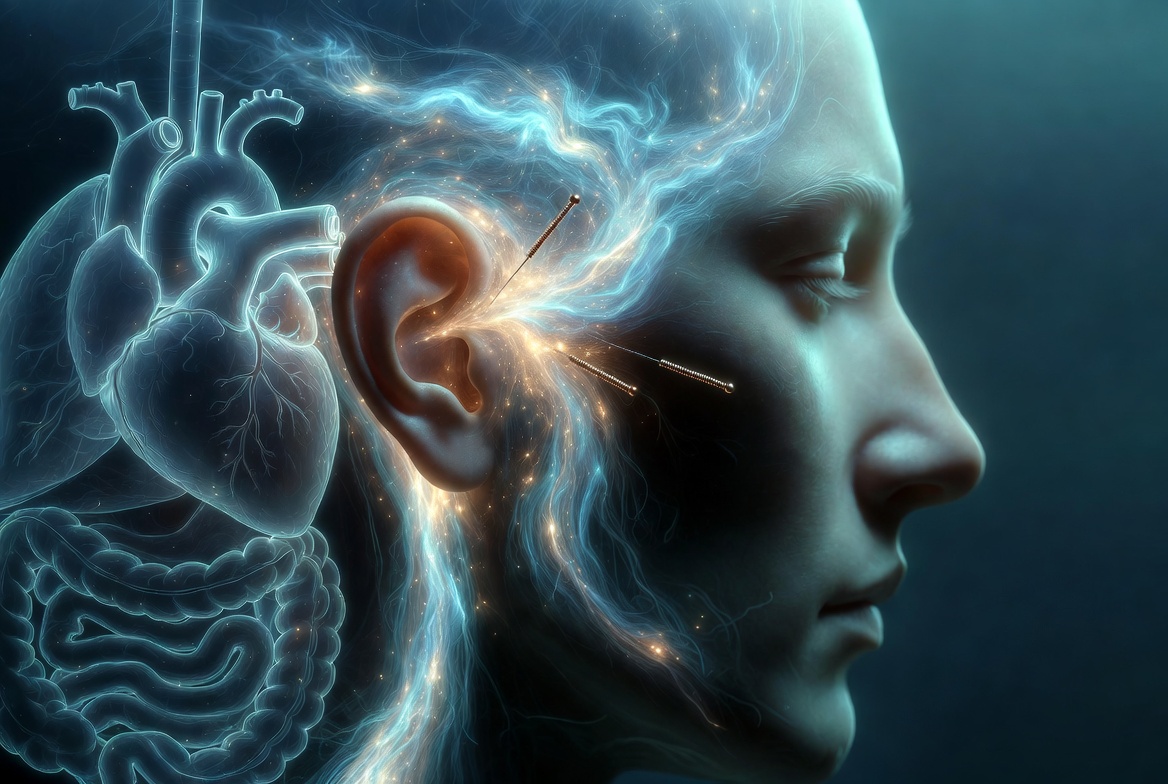
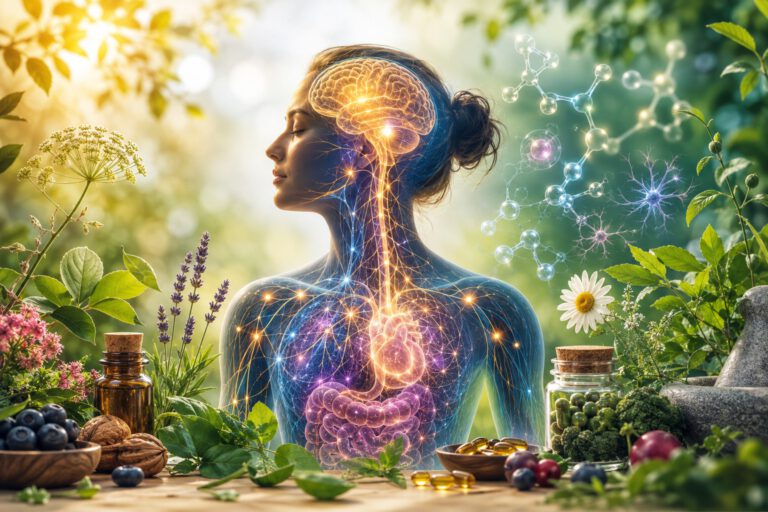
A powerful nerve runs directly behind your ear. Known as the vagus nerve, it is the longest cranial nerve in the body, stretching from the brainstem all the way down to the intestines. Along its path, it connects with the heart, lungs, liver, stomach, and gut. This remarkable nerve quietly controls functions most people never think about — heart rate, digestion, inflammation, immune response, and the critical switch between stress and recovery.
 In 2016, a team led by researchers including those from the University of Amsterdam published a landmark study in the Proceedings of the National Academy of Sciences showing that stimulating the vagus nerve reduced inflammatory markers and significantly attenuated disease severity in patients with rheumatoid arthritis — without drugs and with lasting effects.
The pharmaceutical industry spends billions per year on anti-inflammatory drugs. A nerve behind your ear does the same thing — for free, when properly activated.
The Vagus Nerve
Your vagus nerve is the master switch between fight-or-flight and rest-and-repair. When it is active, your heart rate drops, your digestion turns on, your immune system activates, and your body begins healing. When it is suppressed, you stay locked in survival mode. Cortisol floods your system. Inflammation runs unchecked. Sleep becomes shallow. Healing stops.
Eighty percent of the vagus nerve’s fibers carry information from the body to the brain. Not the other way around. Your gut is literally telling your brain how to feel. And the vagus nerve is the telephone line.
Chronic stress, shallow breathing, poor posture, and processed food suppress vagal tone. Your body gets stuck in emergency mode — permanently. Doctors call it anxiety. Depression. IBS. Chronic fatigue. Autoimmune disease. They prescribe drugs for each one separately. They never check the nerve that connects them all.
Humming activates the vagus nerve. Cold water on your face activates it. Slow exhales activate it. Gargling activates it. Singing activates it. Every ancient practice — chanting, prayer, breathwork, cold immersion — stimulates the exact same nerve. They didn’t know the science. They knew the result. And the result was healing.
You have a master reset button built into your body. It sits behind your ear and runs to every organ you own.
Now modern science has found a direct, non-invasive way to press that button — through your ears.
Auricular Acupuncture: Direct Access to the Vagus Nerve
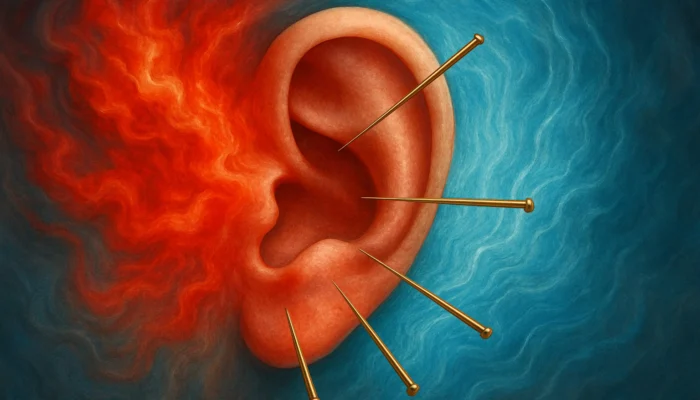
The ear is the only place on the body surface where the vagus nerve comes close enough to be stimulated from the outside. The auricular branch of the vagus nerve (ABVN) richly innervates the concha and certain parts of the outer ear. When specific points are gently needled or stimulated, it sends signals straight into the vagus nerve’s pathway — essentially a natural, needle-based form of vagus nerve stimulation (VNS).
A 2020 study published in Heart Rhythm O2 found that acupuncture precisely at the auricular branch of the vagus nerve significantly reduced heart rate and increased heart rate variability (HRV) — a gold-standard measure of vagal tone — compared to placebo. The effect favored parasympathetic (rest-and-digest) dominance.
A comprehensive 2012 review in Evidence-Based Complementary and Alternative Medicine concluded that auricular acupuncture regulates cardiovascular function through vagal mechanisms, lowering blood pressure and heart rate while promoting overall autonomic balance.
Beyond the heart, auricular stimulation reduces systemic inflammation. A 2025 systematic review and meta-analysis of randomized controlled trials showed significant drops in key inflammatory markers like C-reactive protein (CRP), TNF-α, IL-6, and IL-10 after auricular stimulation.
In short: auricular acupuncture isn’t “just ear needles.” It is a targeted, evidence-based method to boost vagal tone, calm the nervous system, reduce inflammation, and support the body’s built-in healing systems.
Acudetox (NADA Protocol): The 5-Point Ear Reset for Stress, Addiction, and Trauma
Acudetox — also known as the NADA protocol (National Acupuncture Detoxification Association) — is a standardized, simple form of auricular acupuncture using just five specific points in each ear: Sympathetic, Shen Men, Kidney, Liver, and Lung.
These points are located primarily in the concha — the exact region innervated by the auricular branch of the vagus nerve. The treatment is non-verbal, group-friendly, and remarkably effective as an adjunct therapy.
Originally developed in the 1970s for heroin withdrawal, NADA/acudetox has since been shown in dozens of studies to:
– Reduce cravings for alcohol, drugs, and nicotine
– Minimize withdrawal symptoms
– Increase calmness and emotional stability
– Improve sleep quality
– Relieve stress and trauma-related symptoms
– Support behavioral health and PTSD recovery
 A 2016 review in Journal of Acupuncture and Meridian Studies and a 2018 follow-up in Medicines documented mounting evidence across multiple populations showing NADA’s positive effects on addiction, pain, sleep, and emotional regulation.
Because many of the NADA points sit directly on vagus-innervated territory, the protocol naturally enhances parasympathetic activity — the same rest-and-repair state the vagus nerve governs. Practitioners and patients often describe an immediate sense of “grounding” and deep relaxation during the 30–45 minute sessions.
NADA is now used worldwide in hospitals, addiction centers, disaster relief, prisons, and wellness clinics precisely because it is safe, low-cost, and drug-free while delivering measurable autonomic nervous system benefits.
Why This Matters Now More Than Ever
We live in a world engineered for constant sympathetic activation — notifications, deadlines, processed food, and endless stress. Vagal tone has never been more important, or more suppressed.
The good news? You don’t need an expensive implanted device to stimulate your vagus nerve. You can access its healing power through ancient wisdom updated by modern science: simple ear stimulation via auricular acupuncture or the NADA/acudetox protocol.
Whether you’re dealing with chronic inflammation, anxiety, digestive issues, trauma, or simply want better resilience and recovery, your ears may hold the simplest, most direct path back to balance.
The nerve behind your ear has been there all along. Science has finally caught up. And the tools — auricular acupuncture and acudetox — are available today.
Ready to press your body’s master reset button?
Find a qualified practitioner trained in auricular acupuncture or NADA protocol. Your vagus nerve — and every organ it touches — will thank you.
Key References
- Koopman FA, et al. (2016). Vagus nerve stimulation inhibits cytokine production and attenuates disease severity in rheumatoid arthritis. PNAS.
- Boehmer AA, et al. (2020). Acupuncture at the auricular branch of the vagus nerve enhances heart rate variability. Heart Rhythm O2.
- He W, et al. (2012). Auricular Acupuncture and Vagal Regulation. Evidence-Based Complementary and Alternative Medicine.
- Hua K, et al. (2025). Effects of Auricular Stimulation on Inflammatory Parameters: Systematic Review and Meta-Analysis. *Neuromodulation*.
- Stuyt EB, et al. (2016 & 2018). Reviews on NADA Protocol efficacy. Journal of Acupuncture and Meridian Studies and Medicines.
- Official NADA Protocol benefits: https://acudetox.com/protocol
Your ears aren’t just for hearing. They’re for healing. The science is clear — and the power has been in your hands (or ears) all along.
Frequently Asked Questions
What exactly is auricular acupuncture?
Auricular acupuncture is a specialized form of acupuncture that focuses on stimulating specific points on the ear to promote healing and alleviate a variety of health conditions.
How can acupuncture be beneficial for stress relief?
Acupuncture aids in stress relief by promoting relaxation, reducing anxiety levels, and enhancing emotional balance, making it an effective tool for managing daily pressures.
Is auricular acupuncture considered safe?
Yes, auricular acupuncture is widely regarded as safe when performed by qualified practitioners using sterile equipment, which minimizes the risk of complications.
How often should I schedule acupuncture treatments?
The frequency of acupuncture treatments varies based on individual needs; however, many clients find that weekly sessions initially provide the best results, gradually transitioning to bi-weekly or monthly sessions as required.
Can acupuncture positively influence my sleep quality?
Absolutely, numerous clients report enhanced sleep quality through regular acupuncture sessions, as the treatment addresses underlying issues like stress and anxiety that disrupt sleep patterns.
What should I expect during my first acupuncture session?
During your inaugural session, expect a thorough consultation followed by targeted acupuncture treatment, where practitioners will ensure your comfort throughout the process.
Are there any side effects associated with acupuncture?
While side effects are rare, some individuals may experience mild bruising or soreness at the needle insertion points. Proper technique can help minimize these occurrences.
How does acupuncture complement other therapies?
Acupuncture enhances the effectiveness of other therapies by promoting relaxation, alleviating pain, and improving overall health, making it an excellent adjunct treatment option.
What types of conditions can auricular acupuncture effectively treat?
Auricular acupuncture is beneficial in treating a wide range of conditions, including chronic pain, anxiety, insomnia, and digestive issues, providing a holistic approach to health.
How can I locate a qualified acupuncturist in South Africa?
To find qualified acupuncturists, you can search local directories, seek recommendations from healthcare providers, or check professional associations for accredited practitioners.
I really appreciate how you’ve framed the vagus nerve in such an accessible way! It’s fascinating to consider the connection between our ears and all these critical functions we often take for granted.
The exploration of the vagus nerve and its influence on our physical and mental well-being is indeed fascinating. It’s intriguing how something as seemingly peripheral as auricular acupuncture can tap into such a profound system. Personally, I’ve experienced relief from stress-related ailments through mindfulness practices that indirectly engage the vagus nerve, such as deep breathing and yoga.
Your exploration of the vagus nerve and its role in our overall health offers a fresh perspective on an often-overlooked aspect of wellness. It’s intriguing to consider how a nerve so deeply connected to our physiological functions can serve as a ‘master reset button.’ The implications of this are vast, particularly in an era where stress-related disorders are on the rise.
Your exploration of the vagus nerve and its remarkable influence on our bodily functions truly resonates with me. It’s fascinating to think about how much control this seemingly understated nerve has over our everyday lives – from regulating our heart rate to managing our stress levels. I’ve read that many people spend a lot of time learning about the brain and its complexities, but it’s often overlooked how interconnected our body systems are, particularly with nerves like the vagus functioning as a bridge between our mind and body.
This is such a fascinating exploration of the vagus nerve and its far-reaching effects on our health. I’ve recently started to pay more attention to the mind-body connection, and your mention of the vagus nerve really highlights how interconnected our bodily systems are. It’s intriguing to think that something as simple as auricular acupuncture could potentially activate this master reset button.
It’s great to hear you’re diving into the mind-body connection. The vagus nerve is genuinely a fascinating piece of the puzzle. It’s often called the ‘wandering nerve’ because it stretches from the brain down to the abdomen, touching multiple organs along the way. This makes it a key player in regulating many body functions, such as heart rate, digestion, and even mood.
Your exploration of the vagus nerve and its profound influence on various bodily functions certainly sheds light on an often-overlooked aspect of our physiology. It’s fascinating to consider how this one nerve plays such a pivotal role in maintaining our health and fostering balance in our lives. The connection to auricular acupuncture and Acudetox particularly interests me, as it highlights a growing recognition of integrative approaches in health care.
It’s really fascinating to think about how the vagus nerve plays such a huge role in our overall health, often without us even realizing it. I’ve dabbled a bit in mindfulness practices and learned that it’s all about finding that balance between stress and recovery, which seems to tie back perfectly to the vagus nerve’s functions.
The connection between the vagus nerve and overall health is truly fascinating. As someone who has explored holistic approaches to wellness, I find it intriguing how often we overlook these intricate systems in our bodies. The impact of auricular acupuncture on vagus nerve stimulation highlights the potential for non-invasive therapies to enhance our physical and mental well-being.
You’ve touched on something really compelling. The vagus nerve acts almost like a bridge connecting various systems in our bodies, and it’s remarkable how we often forget about its influence on our overall well-being. It’s one of those hidden players in health that doesn’t always get the attention it deserves.
I completely resonate with your perspective on the vagus nerve and holistic wellness. It’s remarkable how interconnected our bodily systems are, often in ways we don’t fully understand. The role of the vagus nerve is pivotal not just for physical health but also for emotional regulation and stress response.
I appreciate your thoughts on the vagus nerve and the holistic perspective on wellness. It’s so easy to focus solely on isolated body parts or conditions, but when you start to think about how everything is interconnected, from our nervous system to our mental health, it opens up a whole new way of understanding our health.
This exploration of the vagus nerve and its integration with auricular acupuncture raises fascinating questions about the mind-body connection. I’ve always found it intriguing how a single nerve can influence such a wide array of physiological processes, from stress responses to digestion. It makes me wonder about the potential of using simple non-invasive techniques, like auricular acupuncture, in our increasingly tech-driven approach to health.
The insights on the vagus nerve and its vast implications for health are indeed fascinating. I’ve recently explored the intersection of neuroscience and traditional healing practices, particularly how auricular acupuncture is gaining recognition as a complementary approach for stress relief and immune modulation.
This is such a fascinating exploration of the vagus nerve and its impact on our bodily functions. It’s incredible to think that something as simple as auricular acupuncture might tap into such an extensive network of healing and regulation. I’ve experienced the calming effects of acupuncture myself, and it’s almost like a reset button for stress management.
It’s fascinating how the vagus nerve plays such a pivotal role in our health, often going unnoticed in discussions about wellness. I’ve been learning about vagus nerve stimulation therapies, and it’s impressive how interventions like auricular acupuncture can potentially modulate its activity. This seems especially relevant in today’s world where stress and inflammation are rampant.
This exploration of the vagus nerve and its connection to our overall health is both fascinating and enlightening. It’s so intriguing to think about how often we overlook the physiological processes happening within our bodies—like the role the vagus nerve plays in our daily lives, from regulating heart rate to facilitating digestion.
Your exploration of the vagus nerve and its significant impact on various bodily functions offers a fascinating perspective on how interconnected our body’s systems truly are. It’s intriguing to consider how something as seemingly simple as auricular acupuncture can tap into such a powerful nerve. The research you mentioned from 2016 highlights not only the therapeutic potential of vagus nerve stimulation but also raises questions about how underutilized these insights may be in traditional medical practices.
I never realized how integral the vagus nerve is to so many functions we often take for granted! It’s fascinating to think about how something so seemingly disconnected can influence everything from our mood to our digestion. I’ve recently started practicing mindfulness and deep breathing techniques, which I’ve read can help stimulate the vagus nerve as well. It’s interesting how our modern lifestyle often disconnects us from these natural processes; I wonder if more awareness of this nerve could lead to more people exploring alternative therapies like auricular acupuncture. Have any of you tried acudetox? I’m curious about people’s experiences with it!
It’s intriguing to consider how the vagus nerve plays such a vital role in regulating so many of our bodily functions, often without us even realizing it. The idea that auricular acupuncture and acudetox can harness this nerve’s potential opens up a fascinating discussion about the intersection of ancient practices and modern science.
Your exploration of the vagus nerve and its implications for health is both captivating and crucial, especially given the increasing recognition of mind-body interactions in contemporary medicine. The idea that our ears—often overlooked in discussions of health—play such a significant role in regulating vital bodily functions is a striking reminder of the complexity of our biology. However, I can’t help but wonder about the implications of this connection for how we approach wellness in today’s fast-paced environment.
This really makes me think about how often we overlook the body’s intricate connections, especially the vagus nerve. I’ve personally found that practices like deep breathing and mindfulness—both linked to vagal tone—can have such a profound effect on my stress levels. It’s wild to consider that something so simple can tap into this powerful nerve, influencing health in ways we’re just starting to understand.
Ah, the vagus nerve—much like that quirky friend who shows up to all the parties but never seems to get the credit they deserve. I mean, here we are going about our daily lives, sipping coffee, fighting traffic, and then suddenly—BAM! There’s this illustrious nerve chilling behind our ears, managing our heart rate like a pro conductor at a symphony of bodily functions. If only we could attach a ‘Help Wanted’ sign next to it, prompting it to take on even more responsibilities, like juggling our schedules or making dinner—now that’s a nerve I could get behind.
You’ve hit the nail on the head with that vivid analogy. The vagus nerve really does play a central role in our body’s orchestra. It’s fascinating how this relatively unassuming nerve manages so much—regulating heart rate, promoting digestion, and even influencing our mood. It’s like a backstage crew member who ensures everything runs smoothly while we focus on the main act.