
Book Appointment Now

Spark Of Life Acupuncture Holistic Services (Cape Town)
Comprehensive Look at Spark of Life Acupuncture Services in Cape Town
What is the Historical Background of Acupuncture in South Africa?

Acupuncture, an ancient practice derived from traditional Chinese medicine, has established a significant presence within the South African wellness sector by integrating time-honored techniques with modern methodologies. This healing art was introduced to South Africa towards the end of the 20th century and has progressively adapted to align with the diverse health requirements of South African communities across the nation.
Throughout the years, practitioners have successfully incorporated local herbal remedies and culturally relevant healing practices, forming a more comprehensive health and wellness framework. This fusion of traditions enhances the credibility of acupuncture and resonates profoundly with South Africa’s multicultural populace, making it an increasingly popular treatment modality particularly in urban hubs like Cape Town.
Essential Services Offered by Holistic Wellness Centers
Holistic wellness centers in Cape Town are reshaping the understanding of wellness by providing integrated solutions that combine acupuncture with a variety of therapeutic practices. Their offerings encompass massage therapy, yoga classes, and nutritional counseling, highlighting the rich heritage of South African wellness traditions. These integrative methods not only tackle physical health issues but also nourish emotional and spiritual growth, customizing treatments to cater to the individual needs of each person.
The embedding of mindfulness practices and community workshops further underscores these centers’ commitment to nurturing a supportive and healing environment. By blending acupuncture with these holistic approaches, individuals are empowered to take control of their health, which leads to enhanced well-being and vitality.
What Are the Community Benefits of Acupuncture?
In South Africa, especially in bustling urban areas like Cape Town, the incorporation of acupuncture into community health efforts provides numerous advantages. This ancient healing practice effectively addresses widespread health concerns such as chronic pain, anxiety, and stress, which are particularly relevant in the fast-paced lives of city residents. Community acupuncture sessions often embrace local cultural components, thereby increasing treatment effectiveness and ensuring it is accessible to all segments of the population.
Furthermore, by offering affordable treatment options, holistic wellness centers are revolutionizing the health landscape, advocating for preventive care, and lessening dependence on conventional medication. This shift not only enhances individual health but also bolsters the overall well-being of communities, fostering resilience against common urban health issues.
Professional Insights on Spark of Life Acupuncture Holistic Services in Cape Town

What Are Some Real-World Outcomes from South African Practitioners?
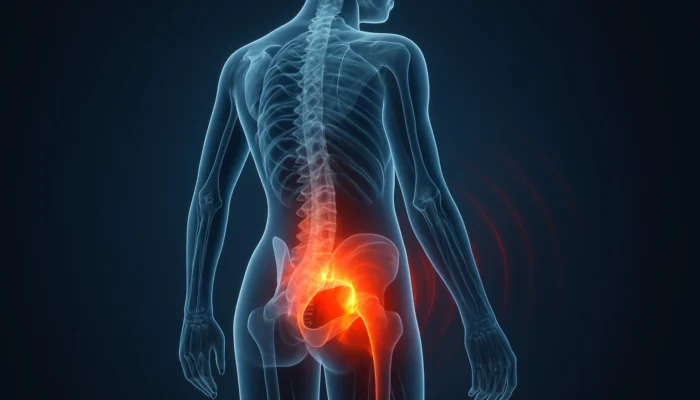
Numerous acupuncture practitioners in Cape Town have documented transformative results through personalized treatment plans. For example, one local practitioner reported notable improvements in patients suffering from chronic back pain following a series of customized acupuncture sessions. By concentrating on specific acupuncture points, practitioners effectively enhanced their patients’ mobility and alleviated discomfort.
Another intriguing case involved a patient struggling with anxiety, who noted a significant reduction in symptoms after incorporating acupuncture with mindfulness practices into their regimen. These real-life instances highlight the adaptability of acupuncture as a therapeutic modality, showcasing its effectiveness in addressing a variety of health conditions prevalent within the community.
What Steps Should You Take to Start Acupuncture Treatment?
For individuals in South Africa looking to embark on their acupuncture journey, there are several actionable steps to follow. Begin by researching reputable practitioners in your vicinity, as many offer initial consultations to discuss your treatment goals and expectations. Prepare for your first session by openly sharing your health history and any specific concerns you may have.
During your initial visit, expect a comprehensive assessment where the practitioner will pinpoint relevant acupuncture points tailored to your unique health needs. Approaching the process with an open mind and an active willingness to engage with the treatment is crucial. Consistent follow-up sessions are key to achieving the best possible results and enhancing your overall health experience in Cape Town.
How Effective Are Acupuncture Treatments According to Experts?

Acupuncture in Cape Town has shown significant health improvements, especially in the management of chronic pain and anxiety. Experts have observed that when treatments are tailored to the individual, patients frequently report enhanced results. The effectiveness of acupuncture is further supported by practitioners who apply evidence-based methodologies to refine their techniques and approaches.
In numerous holistic health studies conducted in the region, patients have exhibited substantial progress, with a considerable percentage noting relief from symptoms tied to various health conditions. This growing body of evidence emphasizes the importance of acupuncture as a complementary therapy, solidifying its role within the broader framework of South African healthcare.
How Does Acupuncture Function in South Africa?
What Is the Role of Energy Flow in Acupuncture Therapy?
The efficacy of acupuncture hinges on the principle of energy flow, known as “Qi,” which is thought to circulate throughout the body via meridians. In South Africa, practitioners prioritize achieving this balance to alleviate pain and bolster circulation. By stimulating key acupuncture points, the practice seeks to restore energy flow and address blockages that could contribute to both physical and emotional ailments.
Practitioners in Cape Town often modify their techniques to reflect local environmental conditions, considering the lifestyle and health challenges faced by urban residents. This tailored approach not only enhances treatment outcomes but also resonates with patients, fostering a holistic understanding of their health and wellness journey.
How Is Acupuncture Integrated with Modern Medicine?
In South Africa, acupuncture is increasingly being acknowledged as a valuable complement to contemporary medical practices. A growing number of healthcare providers are beginning to incorporate acupuncture into their treatment regimens for chronic conditions, thereby enhancing patient outcomes through a multifaceted approach. This integration often entails collaboration between acupuncturists and conventional healthcare professionals, promoting a more comprehensive understanding of patient care.
This collaborative effort enables the design of personalized treatment plans that address both the physical and emotional dimensions of chronic illnesses. This synergy not only heightens the effectiveness of both approaches but also encourages patients to explore a wider array of healing options available to them.
What Techniques Are Commonly Used by Practitioners in the Region?
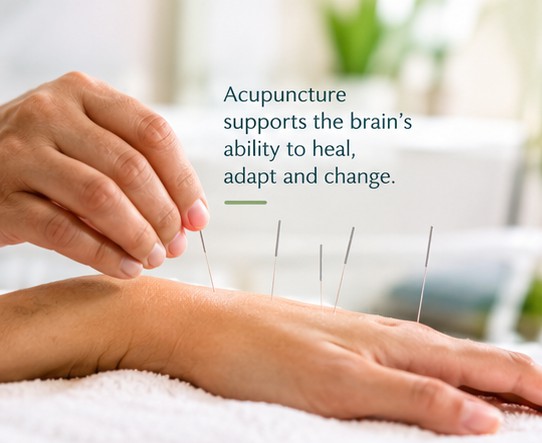
During acupuncture sessions in South Africa, practitioners employ a variety of techniques that are specifically designed to enhance healing and relaxation. One prevalent method involves the insertion of ultra-fine needles at designated acupuncture points, which promotes the release of endorphins and alleviates pain. Additionally, practitioners may utilize cupping therapy and moxibustion to amplify results while accommodating patients’ varying comfort levels and preferences.
Techniques such as auricular acupuncture, which focuses on the ear as a microcosm of the entire body, have gained popularity, particularly for managing addiction and stress-related disorders. By cultivating a supportive and adaptable approach, South African practitioners create an environment that encourages healing while honoring individual needs and cultural contexts.
What Is the Impact of Acupuncture on Mental Health in South Africa?
In South Africa, acupuncture has emerged as an invaluable resource for managing mental health issues, particularly those related to stress and anxiety. By specifically targeting meridians associated with emotional health, practitioners can assist in restoring balance and fostering relaxation. This method is especially effective in urban areas like Cape Town, where fast-paced lifestyles often exacerbate stress levels.
Moreover, the integration of local cultural practices into treatments enhances their effectiveness. Many practitioners incorporate traditional healing methods, fostering a sense of community and connection that is crucial for emotional recovery. This holistic focus not only addresses symptoms but also empowers individuals to take an active role in their mental health journey.
Research-Driven Benefits of Spark of Life Acupuncture Holistic Services in Cape Town
How Does Acupuncture Provide Pain Relief Through Targeted Sessions?
In South Africa, acupuncture has gained widespread recognition for its efficacy in pain management. Key benefits of acupuncture for pain relief include:
- Significant reduction in chronic back pain, with many patients reporting substantial improvements.
- Enhanced mobility for individuals with joint issues, promoting better physical functionality.
- Relief from headaches and migraines, often achieved in just a few sessions.
- Alleviation of menstrual pain, providing natural relief without reliance on medication.
Local studies have indicated that acupuncture can reduce dependency on pharmaceuticals, offering patients a viable alternative for pain management. This aspect not only elevates quality of life but also underscores acupuncture’s role in promoting holistic health throughout South Africa.
What Improvements in Mental Health Can Be Expected from Acupuncture?
Research from Cape Town suggests that acupuncture positively influences mental well-being, particularly in terms of stress reduction and emotional stability. Many individuals report feeling more balanced and less anxious after participating in acupuncture therapy. By addressing the underlying energetic imbalances contributing to these issues, practitioners can facilitate marked improvements in mental health.
As interest continues to grow, more studies are validating these findings, reinforcing the efficacy of acupuncture as a legitimate option for mental health management. This trend supports the necessity for holistic approaches and fosters broader acceptance of alternative therapies within the South African healthcare landscape.
How Does Acupuncture Promote Long-Term Wellness Outcomes?
Acupuncture encourages long-term wellness by targeting the root causes of illnesses, rather than merely alleviating symptoms. In various trials conducted in Cape Town, patients have demonstrated sustained health improvements, underscoring the significance of ongoing treatment. This holistic viewpoint motivates individuals to actively engage in their health journey, leading to improved long-term outcomes.
Regular sessions allow patients to monitor their progress and implement lifestyle changes that further enhance their health journey. This proactive approach to wellness is particularly crucial in South Africa, where chronic conditions are common and preventive care is vital for a healthier future.
What Are the Advantages of Holistic Services?
How Do Holistic Services Enhance Overall Health Approaches?
Holistic services in South Africa significantly enhance overall health and vitality, particularly through the integration of acupuncture. By addressing both mental and physical health, these services empower residents to bolster immunity and resilience against common ailments. Acupuncture serves as a core element of holistic care, complementing other therapeutic modalities and establishing a multidimensional approach to health that resonates well with the urban populace in Cape Town.
The collaborative nature of these services nurtures a supportive community atmosphere, where individuals can share their experiences and learn from one another. This sense of belonging is vital for maintaining motivation and commitment to achieving long-term health goals, underscoring the transformative potential of holistic health practices.
What Are the Benefits of Personalized Treatment Plans?
In South Africa, the shift towards personalized holistic treatment plans is gaining traction. By leveraging acupuncture, practitioners can develop customized solutions that address individual needs, targeting specific health challenges and lifestyle considerations. This personalized approach not only boosts the effectiveness of treatments but also empowers individuals to take an active role in managing their health.
For instance, practitioners often conduct thorough assessments to identify the unique health concerns of each patient, allowing for precise acupoint selections and tailored treatment techniques. This customization is particularly impactful in urban areas like Cape Town, where diverse lifestyles and health challenges necessitate innovative and adaptable solutions.
How Do Holistic Services Impact Community Health?
Holistic services, particularly acupuncture, play an essential role in advancing community health initiatives in South Africa. By providing accessible care options, these services foster group wellness initiatives that improve public health. Community acupuncture sessions, often organized in local centers, offer affordable treatment opportunities for individuals who may have otherwise been unable to access such services.
This collective approach not only enhances individual health outcomes but also encourages a sense of community engagement and support. As individuals come together to focus on their health, they strengthen community bonds and resilience, contributing to a healthier society overall.
How Do Holistic Services Improve Mental Health and Emotional Well-Being?
Holistic services like acupuncture are increasingly recognized in South Africa for their role in reducing stress and anxiety, promoting emotional stability, and enhancing mental clarity. This approach proves particularly beneficial in bustling cities like Johannesburg, where residents frequently encounter elevated stress levels. By targeting specific meridians linked to emotional well-being, acupuncture facilitates greater psychological resilience.
Furthermore, the incorporation of local cultural practices into acupuncture sessions fosters a sense of belonging and understanding, yielding a more profound healing experience. As participants engage with these holistic practices, they cultivate a balanced and fulfilling life, ultimately enriching their overall emotional well-being.
Why Is Acupuncture Gaining Popularity in South Africa?
How Is Acupuncture Culturally Integrated into Daily Life?
Acupuncture has gained traction within South African culture by seamlessly blending with traditional healing practices. By complementing local methods, acupuncture supports everyday health needs, particularly in urban centers like Cape Town, where access to holistic wellness options is increasingly sought. This cultural integration reflects a growing recognition of acupuncture’s benefits as a component of a comprehensive health strategy.
As individuals become more aware of the significance of preventive care, acupuncture offers an appealing alternative that aligns with their values and lifestyle. This shift towards holistic health practices highlights acupuncture’s adaptability in addressing the evolving needs of South African society.
What Factors Contribute to the Accessibility of Acupuncture for Diverse Groups?
Several elements contribute to the widespread availability of acupuncture in South Africa, ensuring it is accessible to various populations. Key factors include:
- Affordable clinics catering to different income brackets, ensuring that everyone can access care.
- A growing number of trained practitioners dedicated to community health.
- Increased awareness and education regarding the benefits of acupuncture.
- Local partnerships and initiatives aimed at promoting holistic health.
These factors not only enhance the accessibility of acupuncture but also create a more inclusive healthcare environment that values diverse perspectives and experiences.
What Are Some Success Stories from Acupuncture Users?
Numerous personal testimonials in South Africa illustrate the positive impact of acupuncture, highlighting how it has transformed lives through reliable results in local holistic settings. Many individuals report remarkable enhancements in their overall health, citing decreases in pain levels and improved mental clarity.
These success stories resonate within communities, inspiring others to consider acupuncture as a viable option for addressing their health challenges. This growing narrative reflects the transformative potential of acupuncture and its ability to facilitate positive change in individuals’ lives throughout South Africa.
How Can You Access These Holistic Services in South Africa?
What Are Effective Ways to Find Qualified Practitioners?
Residents in South Africa can locate reputable acupuncture practitioners through various resources, ensuring safe and effective treatments. Start by exploring online directories or local health forums that highlight qualified providers in your area.
Additionally, personal recommendations from friends, family, or healthcare professionals can guide you to trustworthy practitioners. Many acupuncture clinics offer introductory consultations, allowing you to assess their approach and expertise before committing to treatment. This due diligence is crucial for ensuring a positive acupuncture experience.
What Should You Know About Cost and Session Details?
Understanding the pricing and session details for acupuncture in South Africa is essential for effective planning. Generally, costs vary based on the practitioner’s experience, clinic location, and treatment complexity. Many clinics provide flexible pricing options, making sessions more accessible to a wider audience.
Sessions are typically designed for convenience, often lasting between 30 to 60 minutes. Allowing individuals to fit them into their busy schedules. It is advisable to inquire about package deals or discounts for multiple sessions, which can further lower costs while supporting your wellness journey.
What Are the Follow-Up Care Options After Acupuncture?
After acupuncture sessions, residents in South Africa can benefit from the following follow-up care strategies:
- Engaging in prescribed home exercises to amplify treatment effects.
- Maintaining a journal to document progress and reflect on changes.
- Attending regular follow-up appointments for ongoing support.
- Participating in community workshops or support groups to connect with others.
Implementing these strategies can significantly maximize the benefits of acupuncture, ensuring that individuals continue on their path to sustained health and well-being.
What Insurance and Coverage Options Are Available for Acupuncture?
Health insurance in South Africa may provide coverage for acupuncture treatments, depending on the specific policy. To explore coverage options, review your policy details for acupuncture benefits, eligibility criteria, and any limits on treatment sessions.
It is also advisable to inquire directly with your insurance provider about navigating claims and selecting practitioners who accept insurance. Understanding these aspects can help reduce out-of-pocket expenses and enhance accessibility to acupuncture services, making holistic health options more attainable for individuals across South Africa.
What Are the Future Trends in Spark of Life Acupuncture?
How Are Techniques Evolving in the Region?
The acupuncture landscape in South Africa is continuously evolving, with new techniques emerging to address modern health needs. Practitioners are exploring innovative approaches, such as digital acupuncture and remote consultations, which enhance accessibility for a broader audience. This evolution reflects acupuncture’s adaptability to remain relevant and effective amidst shifting healthcare paradigms.
As these new techniques gain traction, they promise to enrich the acupuncture experience further, allowing practitioners to tailor treatments even more closely to individual needs and preferences. This ongoing evolution positions acupuncture as a forward-thinking therapy in South Africa’s wellness environment.
How Is Acupuncture Being Integrated with Other Therapies?
In South Africa, acupuncture is increasingly being combined with other alternative treatments, creating a comprehensive approach to health maintenance and prevention. This synergy between acupuncture and practices like herbal medicine, yoga, and nutrition counseling enhances the overall effectiveness of treatment plans.
Such integration fosters a holistic health environment where individuals can benefit from a range of therapeutic modalities, addressing multiple aspects of their health. This collaborative approach not only improves patient outcomes but also promotes a deeper understanding of health within the context of South Africa’s diverse population.
What Is the Importance of Sustainability in Holistic Services?
Holistic acupuncture services in South Africa emphasize long-term viability through community education and resource availability. By prioritizing public health initiatives and promoting awareness of acupuncture’s benefits, practitioners aim to cultivate a sustainable model for holistic healthcare.
Moreover, ongoing training and support for practitioners ensure that quality care remains accessible. This focus on sustainability not only strengthens the acupuncture community but also contributes to the broader goal of promoting health equity throughout South African society.
Frequently Asked Questions
What Conditions Can Acupuncture Effectively Treat?
Acupuncture can effectively address a wide range of conditions, including chronic pain, anxiety, headaches, stress, insomnia, and digestive disorders. Its holistic approach enables practitioners to tackle both physical and emotional health concerns.
How Many Sessions Are Typically Necessary for Treatment?
The number of acupuncture sessions required varies by individual and specific condition. Many patients begin with a series of 6 to 8 sessions, followed by maintenance treatments as needed to sustain health benefits.
Is Acupuncture Considered Safe?
Yes, acupuncture is generally regarded as safe when performed by qualified practitioners. It involves minimal risk, especially when sterile, single-use needles are utilized during treatment.
Can Acupuncture Be Used Alongside Traditional Medicine?
Yes, acupuncture can complement traditional medicine effectively. Many practitioners collaborate with medical doctors to provide a comprehensive treatment plan, enhancing overall patient care and outcomes.
What Should I Expect During an Acupuncture Session?
During an acupuncture session, you can anticipate a thorough health assessment, the insertion of fine needles at specific acupoints, and guidance on aftercare to maximize benefits. The experience is often both relaxing and invigorating.
Are There Any Side Effects Associated with Acupuncture?
While acupuncture is safe, some individuals may experience mild side effects. Such as soreness at needle sites, fatigue, or a brief emotional release. These effects are typically transient and resolve quickly.
How Can I Find a Qualified Acupuncture Practitioner?
Finding a qualified practitioner involves researching local clinics, checking online directories, and seeking recommendations from friends or health professionals. Ensure that the practitioner is certified and has relevant experience.
What Should I Wear to an Acupuncture Session?
Wear comfortable, loose-fitting clothing that allows easy access to acupuncture points. Practitioners typically recommend avoiding tight or restrictive clothing to facilitate the treatment process.
Can Children Receive Acupuncture Treatments?
Yes, children can receive acupuncture. Pediatric acupuncture employs gentle techniques tailored to younger patients and is effective for a variety of conditions, including allergies and stress.
Is Acupuncture Covered by Health Insurance Plans?
Acupuncture coverage varies by insurance provider. It is essential to check your policy for specific details regarding coverage, eligibility, and any limits on treatment sessions.

Your exploration of acupuncture’s integration with South African wellness practices raises fascinating points about cultural exchange and adaptation. It’s intriguing to see how ancient techniques can be harmonized with local herbal remedies to meet the varied health needs of a multicultural society.
It’s really fascinating to see how acupuncture has evolved in South Africa, blending its ancient roots with local practices. I’ve always thought that the cultural integration of healing methods is integral to making any form of alternative medicine relatable and effective for diverse communities.
The integration of acupuncture into the South African wellness sector is a fascinating development, especially considering the country’s rich tapestry of cultural practices. The melding of traditional Chinese techniques with local healing methods truly reflects a broader trend in healthcare where holistic approaches are gaining traction.
Your exploration of the historical background of acupuncture in South Africa is quite enlightening. I find it fascinating how acupuncture has integrated local herbal practices to cater to the unique health needs of diverse communities. This adaptability not only enriches the practice but also helps bridge the gap between traditional and modern medicine, fostering greater acceptance among the populace.
It’s fascinating to see how acupuncture has woven itself into the diverse fabric of South African wellness culture. I recently visited a local acupuncture clinic in Cape Town that not only offered traditional treatments but also included consultations on local herbal remedies. It really highlighted how acupuncture is evolving here, blending ancient practices with our unique cultural heritage.
Your exploration of acupuncture’s integration into South Africa’s wellness landscape raises intriguing questions about cultural appropriation and authenticity in healing practices. While the blend of traditional Chinese techniques with local remedies is commendable, it’s vital to consider how this fusion honors both the origins of acupuncture and the local traditions it intersects with.
Your exploration of the historical background of acupuncture in South Africa truly highlights how this ancient practice has evolved to meet the diverse needs of our multicultural society. It’s fascinating to see how local herbal remedies have been blended with traditional techniques, reflecting the unique fabric of South African wellness.
It’s really intriguing to think about how acupuncture in South Africa has evolved alongside our rich tapestry of cultures and traditions. The blending of local herbal remedies with traditional techniques not only enhances the practice but also makes it more accessible and relevant to various communities.
It’s fascinating to see how acupuncture has evolved in South Africa by merging with local healing practices. This adaptability not only enhances its effectiveness but also reflects the rich tapestry of cultures within the country. I’ve noticed in my own experience that many patients appreciate treatments which resonate with their cultural backgrounds—whether it’s incorporating indigenous herbs or simply the approach to healing that feels familiar.
This exploration of the historical background of acupuncture in South Africa really highlights how traditional healing practices can evolve to meet contemporary needs. I find it fascinating how acupuncture has not only found its footing in a modern context but has also embraced local herbal remedies and culturally relevant practices. This blending really symbolizes the potential for holistic healing approaches to address diverse health issues in a multicultural society.
This blog post raises fascinating points about the integration of acupuncture within South Africa’s diverse cultural landscape. It’s intriguing to think about how traditional healing practices can adapt and thrive in new contexts. I’ve observed that the success of acupuncture in urban areas like Cape Town reflects not just a growing interest in alternative medicinal approaches but also a shift in how people perceive wellness in a broader sense.
You’ve highlighted a key aspect of the conversation around acupuncture in South Africa: its adaptability within various cultural contexts. It’s interesting to consider how traditional healing methods, like acupuncture, can not only coexist but also enhance the existing tapestry of healthcare in urban environments.
It’s so fascinating to see how acupuncture has been woven into the fabric of South African wellness. I love the idea of blending traditional Chinese techniques with local herbal remedies and cultural practices. It really emphasizes the importance of adapting healing methods to fit diverse communities.
The integration of acupuncture within South Africa’s wellness landscape is truly fascinating. It highlights how traditional practices can adapt and thrive in diverse cultural contexts. I find it particularly inspiring how practitioners are not only bringing ancient Chinese methods to the forefront but are also embracing local herbs and healing traditions. This approach not only respects the roots of acupuncture but also enhances its relevance in the modern healing journey for many South Africans.
It’s fascinating to see how acupuncture has carved its niche in South Africa, especially in a vibrant city like Cape Town. The integration of traditional Chinese techniques with local healing practices is a brilliant example of how diverse cultures can come together to enhance wellness. It makes me think about the importance of cultural relevance in medicinal practices.
You’ve touched on an important part of this discussion! The blending of acupuncture and local healing practices really showcases how adaptable and resilient wellness methods can be. In a place like Cape Town, where there’s such a rich tapestry of cultures, it’s exciting to see how people are weaving together different approaches to health.
This post provides such a thoughtful exploration of acupuncture’s journey in South Africa. The historical backdrop you’ve outlined really highlights the adaptability of traditional practices like acupuncture in responding to the unique cultural landscape of the country. I find it particularly fascinating how the integration of local herbal remedies not only respects the indigenous knowledge systems but also enriches the acupuncture practice itself. It brings to light the importance of cultural competence in healthcare, where practitioners are not only skilled in their specific modalities but are also able to honor and integrate the cultural contexts of their patients.
I appreciate the nuanced exploration of acupuncture’s integration into South African wellness practices, particularly how it has adapted to reflect the country’s rich cultural tapestry. The melding of traditional Chinese methods with local herbal remedies and cultural healing practices exemplifies a beautiful example of how diverse health systems can work together to create more holistic approaches to wellbeing.
You bring up an important point about the integration of acupuncture within South African wellness practices. It’s fascinating to see how different healing traditions can harmonize, creating a more inclusive approach to health. I’ve often thought about the role of cultural context in shaping these practices. For example, the way local herbal remedies are combined with acupuncture creates a unique synergy that not only addresses physical ailments but also resonates deeply with cultural identities.
You’re touching on such a crucial aspect of these healing practices. The blending of acupuncture with local herbal remedies is really a testament to the deep relationships we have with our environments and traditions. It’s fascinating how health practices evolve, reflecting not only the physical needs of communities but also the cultural narratives that shape their identities.
It’s great to see your appreciation for the way acupuncture has woven itself into the fabric of South African wellness. The blend of traditional Chinese techniques with local practices is not just fascinating; it highlights how adaptable and resilient our health perspectives can be.
It’s really interesting to read about the historical journey of acupuncture in South Africa, especially how it has adapted to fit within the diverse cultural tapestry of the nation. I’ve always been fascinated by how traditional practices can evolve when introduced to new environments and communities. It makes me think about the importance of context in healing practices. In many ways, acupuncture has found its place not just as a treatment method but as a bridge connecting various cultural beliefs about wellness.
You’ve raised a thought-provoking point about how traditional practices like acupuncture adapt in new contexts. It’s fascinating to see how these healing methods can take on fresh meanings and roles when they enter different cultural landscapes. In South Africa, where there’s such a rich blend of traditions and beliefs, acupuncture has managed to resonate with many, often becoming part of a broader conversation around holistic health.
It’s great to hear your thoughts on the evolving role of acupuncture in South Africa. The way traditional practices adapt to new cultural settings really highlights the fluid nature of healing. Acupuncture isn’t just about needles; it’s a dialogue between different beliefs and approaches to wellness.