
Book Appointment Now

Self-Esteem: Key to Freedom and Happiness: Essential Tips
Strategies for Building Strong Self-Esteem
Essential Habits for Developing Self-Esteem
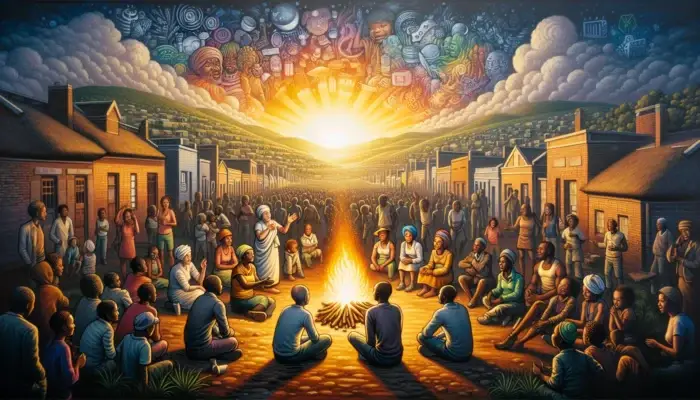
In South Africa, enhancing self-esteem begins with daily affirmations that draw inspiration from local traditions, especially the powerful art of storytelling within townships. Engaging in activities that celebrate personal strengths and the rich cultural heritage fosters resilience against adversities such as urban poverty, empowering individuals to attain personal freedom. Here are several practical daily exercises tailored to fit South African lifestyles:
- Start each morning with a positive affirmation in your native language to set a constructive tone for the day.
- Participate in a local storytelling circle to share your experiences and gain insights from others.
- Practice gratitude by writing down three things you appreciate about yourself every morning.
- Establish manageable daily objectives and take time to recognize and celebrate small victories.
- Partake in physical activities, including traditional dance or sports, to elevate your mood and well-being.
- Engage in volunteer work for community projects to nurture a sense of belonging and purpose.
- Reflect on your day each evening by noting instances that made you feel proud and accomplished.
- Seek mentorship from an inspiring figure within your community who encourages your growth.
These exercises not only enhance self-esteem but also foster a deeper sense of belonging and community, which is crucial for developing resilience in the face of life’s challenges.
What Impact Does Community Have on Self-Esteem?
In South African communities, especially in urban centers like Johannesburg, the significance of community in bolstering self-esteem is profound, rooted in the principles of ubuntu. These values highlight the importance of mutual support, respect, and cultural pride, enabling individuals to overcome historical inequalities while forging a more empowered identity. For many, feeling integrated into a cohesive community has a significant positive impact on their self-worth.
By participating in community events, individuals can experience shared joy and support, which enhances their overall happiness and autonomy. Cultural festivals that celebrate local heritage do more than instill pride; they provide platforms for individuals to express themselves, further reinforcing their self-esteem.
How to Sustain Self-Esteem During Life’s Challenges?
In both the rural and urban landscapes of South Africa, maintaining self-esteem during challenging periods often involves utilizing local resources like support groups found in cities such as Cape Town. These groups create structured environments where individuals can share their experiences and collaboratively navigate socioeconomic barriers. They offer not only emotional support but also practical strategies for coping with issues, significantly contributing to overall well-being.
For instance, community centers may organize workshops focused on teaching coping mechanisms that are tailored to local challenges. These initiatives help individuals build resilience and maintain their self-esteem, even in the face of adversity. Regular interaction with such support networks fosters an ongoing cycle of empowerment, where individuals feel valued and capable of overcoming their circumstances.
How Does Self-Esteem Facilitate Personal Freedom?

Discovering Pathways to Personal Liberation
In South Africa, individuals can discover pathways to personal freedom by cultivating self-esteem through various programs, particularly in urban areas like Durban. Workshops that address past traumas from the apartheid era empower participants to reclaim their narratives, which is essential for enabling people to make independent choices that align with their values and aspirations.
Programs that encourage sharing personal stories and collective experiences often motivate participants to confront and transcend their histories, leading to a newfound sense of agency. This transformative process not only bolsters self-esteem but also nurtures a deeper sense of freedom, allowing individuals to pursue life’s opportunities with joy and confidence.
What Emotional Liberation Techniques Can Be Explored?
Through practices that enhance self-esteem in South Africa, individuals can explore various emotional liberation techniques that promote a sense of freedom. Mindfulness sessions offered in cities like Pretoria provide participants with opportunities to engage in reflective practices that assist in releasing self-doubt and anxiety. These techniques encourage individuals to embrace their authentic selves, leading to a more profound connection with their personal happiness.
These sessions frequently integrate local cultural elements, making the mindfulness practice relatable and effective. By fostering greater emotional awareness, participants learn to navigate their feelings and experiences more constructively, resulting in stronger community bonds and enhanced personal well-being.
How to Measure Progress in Self-Esteem Development?
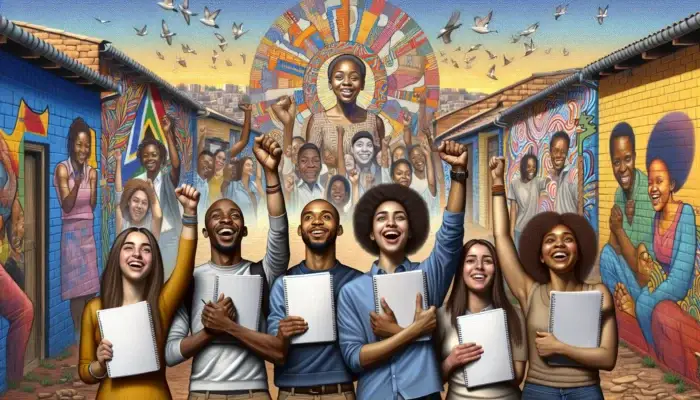
In South Africa, tracking improvements in self-esteem involves utilizing local assessments and feedback methods in areas like Soweto. Here, individuals can monitor their confidence levels through structured programs that measure changes over time. These assessments are crucial as they provide tangible evidence of personal growth, directly linking enhancements in self-esteem to feelings of freedom and sustained happiness.
By regularly evaluating their progress, individuals can pinpoint areas that require further development. This continuous reflection not only strengthens their commitment to personal growth but also supports an ongoing pursuit of happiness, reinforcing the interconnected nature of self-esteem and freedom.
How Community Initiatives Foster Self-Esteem?
Across South African communities, particularly in Johannesburg, fostering self-esteem is often achieved through collaborative activities and support networks. These initiatives address significant economic challenges while providing individuals with a platform to collaborate, share their experiences, and uplift one another. By working together, community members enhance their resilience and gain independence.
Such efforts frequently incorporate local culture, making the initiatives more relatable and impactful. For instance, community health workshops may focus on addressing mental health issues while promoting personal stories of triumph, which resonate deeply with participants, reinforcing their self-worth and happiness.
What Strategies Sustain Long-Term Freedom Through Self-Esteem Maintenance?
In rural regions of South Africa, the maintenance of self-esteem is critical for sustaining long-term freedom. Regular counseling and peer support groups, especially in areas like the Eastern Cape, provide essential emotional resilience. These support systems equip individuals with the tools necessary to confront life’s challenges while also securing their sense of happiness.
Moreover, involvement in community nurturing activities plays a significant role in individual development. By continuously engaging with these resources, individuals not only maintain their self-esteem but also enhance their capacity to pursue lifelong happiness and fulfillment in their daily lives.
Insights from Experts on Self-Esteem: The Key to Freedom and Happiness
Expert Analysis of the Foundations of Self-Esteem
Expert insights into the foundations of self-esteem in South Africa indicate that initiatives like those in KwaZulu-Natal are pivotal in shaping individual identities. Psychologists stress the importance of community-driven approaches that consider cultural diversity and historical context. These initiatives often involve collaborative learning and sharing personal stories, which help individuals recognize their strengths and build a cohesive identity.
Real-world examples from experts illustrate how culturally relevant practices, like community storytelling and traditional rituals, significantly contribute to personal freedom and happiness. By integrating these elements into strategies for developing self-esteem, individuals forge a stronger connection to their heritage, reinforcing their self-worth and overall quality of life.
What Expert-Recommended Strategies Foster Growth?
In South Africa, experts recommend tailored approaches to enhancing self-esteem, particularly in urban settings like Cape Town. Therapy and counseling services are vital, providing individuals with actionable steps to bolster their self-worth. Techniques such as journaling, which encourages self-reflection and expression, are highlighted as effective means to foster personal growth.
Additionally, engaging in creative outlets like art or music serves as powerful tools for self-exploration and emotional expression. These activities not only offer therapeutic release but also cultivate a sense of accomplishment that enhances self-esteem, leading to greater freedom and joy in life.
What Long-Term Perspectives Do Experts Hold on Maintenance?
Experts in South Africa emphasize that sustaining self-esteem necessitates commitment and ongoing engagement with community programs, especially in Johannesburg. These programs often focus on integrating self-esteem-building activities into everyday life, ensuring individuals have continuous access to supportive environments that foster happiness.
An analysis of long-term strategies indicates that regular check-ins with mentors or support groups assist individuals in navigating their personal journeys effectively, reinforcing their self-worth and autonomy. By prioritizing these community resources, individuals can cultivate resilient habits that lead to sustained happiness and liberation from self-limiting beliefs.
The Interconnection of Happiness and Self-Esteem
How Does Happiness Influence Daily Self-Esteem?
In South Africa, happiness has a significant impact on self-esteem on a daily basis. Activities like family gatherings in rural areas foster connections and joy, which in turn enhance individual self-worth. These gatherings not only create a sense of belonging but also reinforce cultural ties, helping individuals feel more liberated and capable of overcoming daily struggles.
Moreover, the shared laughter and support during these moments contribute to an uplifting environment where individuals can thrive. This interconnectedness suggests that happiness is not merely a personal pursuit but a collective journey that enhances self-esteem within communities, reinforcing the notion that joyful experiences can empower individuals.
How to Build Happiness Through Self-Esteem Practices?
In South Africa, approaches that link self-esteem to happiness often include communal activities, such as group therapy sessions in urban centers. These practices emphasize positive self-talk and shared experiences, creating environments where individuals can uplift one another. This positive reinforcement fosters a sense of freedom, allowing participants to express their authentic selves.
By encouraging individuals to recognize their strengths and celebrate their achievements, these practices not only build self-esteem but also cultivate lasting happiness. The more people feel valued and appreciated, the more liberated they become, enhancing their overall quality of life.
What Barriers Hinder This Connection?
In South Africa, various barriers, such as economic inequality, can disrupt the connection between happiness and self-esteem. Regions like the Eastern Cape often face challenges that impact residents’ mental health and overall well-being. However, local initiatives aimed at restoring this connection are crucial for promoting personal freedom and fulfillment.
Efforts such as community workshops and mental health advocacy serve an essential role in addressing these barriers. By creating platforms for open dialogue and support, individuals can learn to navigate their challenges, fostering a stronger link between self-esteem and happiness, despite external pressures.
What Are the Benefits of High Self-Esteem?
Personal Advantages of Elevated Self-Esteem
High self-esteem in South Africa brings numerous personal advantages, including improved career opportunities in urban areas like Pretoria. Individuals who believe in their abilities tend to seek out and attain positions that align with their aspirations, thereby enhancing both their happiness and freedom.
Confidence derived from elevated self-esteem empowers individuals to take risks and pursue their goals. This sense of agency enables them to navigate the workforce more effectively, resulting in increased job satisfaction and personal fulfillment, which ultimately contributes to a happier life.
How Does High Self-Esteem Impact Relationships?
Within South African communities, high self-esteem significantly strengthens family and social connections. Support networks in townships are crucial in this regard, where individuals uplift each other, fostering deeper happiness and liberated interpersonal relationships. These connections thrive in environments rich with cultural history and shared values.
When individuals harbor positive perceptions of themselves, they naturally extend that positivity to their interactions with others. This creates a ripple effect of support that enhances social cohesion, contributing to a more vibrant and interconnected community life.
What Societal Benefits Arise from High Self-Esteem?
South Africa reaps societal benefits from high self-esteem, evident in initiatives that empower youth and reduce crime in local areas. Programs aimed at fostering self-worth among young people not only enhance their personal happiness but also contribute to a more stable society where individuals feel empowered to make constructive choices.
These societal benefits manifest in various forms, including increased community engagement, lower crime rates, and enriched local cultures. Empowered individuals significantly contribute to the overall well-being of society, reinforcing the idea that high self-esteem is foundational for a thriving community.
How Does High Self-Esteem Influence Educational and Professional Growth?
High self-esteem in South Africa plays a crucial role in enhancing educational achievements and career advancement. Institutions like the University of Cape Town emphasize personal development programs that bolster students’ self-worth, fostering greater happiness and enriched learning experiences.
As students build their self-esteem through academic success, they become more inclined to pursue further opportunities, leading to liberated professional paths. This cycle of growth contributes not only to individual happiness but also to the overall advancement of society.
Effective Strategies for Enhancing Self-Esteem: The Key to Freedom and Happiness
Proven Methods to Enhance Self-Esteem
Providing actionable steps from trusted resources in South Africa, such as counseling services in Durban, showcases effective strategies for enhancing self-esteem. These methods often include personalized coaching that focuses on individual strengths and challenges, allowing participants to navigate their paths toward freedom and happiness.
Real-world examples, like workshops encouraging participants to articulate their personal narratives, highlight the significance of storytelling as a powerful tool for self-discovery. By sharing their experiences, individuals not only enhance their self-worth but also foster connections that lead to lasting support networks.
How to Adapt Strategies to Personal Contexts?
In South Africa, adapting self-esteem strategies to personal contexts involves integrating local customs and experiences, especially in rural villages. Experts recommend that individuals tailor their approaches to align with their unique life circumstances to achieve happiness and freedom.
This could include participating in community rituals or engaging with local leaders who exemplify the values of self-empowerment. By personalizing their journey, individuals can create meaningful experiences that resonate with their identity, ultimately enhancing their self-esteem.
How to Evaluate Strategy Effectiveness Over Time?
Trusted approaches in South Africa, such as ongoing workshops in Johannesburg, help individuals evaluate their self-esteem growth. By incorporating feedback mechanisms and regular assessments, participants can track their progress and identify areas for improvement.
Expert analysis emphasizes the importance of maintaining a reflective practice, where individuals regularly assess their feelings of self-worth and the impact of their strategies on their happiness. This ongoing evaluation fosters a proactive approach to personal development, ensuring individuals remain aligned with their goals.
How to Build Resilience Through Self-Esteem Practices?
In South Africa, trusted experts from Cape Town clinics recommend resilience-building exercises designed to enhance self-esteem. Real-life examples from rural farmers demonstrate how these practices can help individuals overcome hardships and cultivate freedom and happiness in their daily lives.
Engagement in community-driven agricultural projects illustrates how teamwork and shared goals can bolster individual self-esteem. Such initiatives not only promote resilience but also enhance the overall happiness of communities as individuals collaborate toward common objectives.
What Role Does Community Support Play in Enhancing Self-Esteem?
Community initiatives in South Africa, such as group sessions in Johannesburg led by local counselors, significantly enhance self-esteem. These gatherings provide essential support and create connections among participants, forming networks that reinforce self-worth and contribute to personal freedom.
Experts highlight that the sense of belonging cultivated through these initiatives fosters sustained happiness amidst social challenges. When individuals feel supported and valued, they are more likely to embrace their identities and pursue fulfilling lives.
What Challenges to Self-Esteem Are Common?
What Common Obstacles Exist in South African Contexts?
In South Africa, challenges such as unemployment in major cities can severely hinder self-esteem. However, local initiatives provide effective coping mechanisms that promote greater freedom and happiness. Some strategies include:
- Participating in job readiness programs designed to enhance employability skills.
- Engaging in mentorship opportunities to build confidence and self-belief.
- Joining community support groups that share resources and advice for personal development.
- Practicing self-care routines to improve mental health and emotional well-being.
- Volunteering to gain experience and boost morale while helping others.
- Setting personal goals that focus on achievable outcomes to maintain motivation.
- Seeking therapy or counseling for emotional support and guidance.
- Creating art or engaging in hobbies that promote self-expression and creativity.
These coping mechanisms empower individuals to navigate their challenges while maintaining a positive self-image and pursuing personal freedom.
How to Address External Pressures Effectively?
South African individuals confront external pressures through community events held in areas like the Free State, where collective efforts help rebuild self-esteem and achieve happiness despite societal demands. These gatherings provide essential support and a platform for sharing experiences, which is crucial for personal development.
By participating in these events, individuals can connect with others facing similar challenges, fostering a sense of solidarity and mutual empowerment. This communal approach aids in mitigating feelings of isolation and self-doubt, allowing individuals to reclaim their self-worth and pursue happiness.
What Internal Factors Affect Self-Esteem?
Internal factors such as self-doubt among South Africa’s diverse populations can be addressed through personal reflection and community engagement in settings like Cape Town. Individuals are encouraged to explore their internal narratives and confront negative thought patterns that undermine their self-esteem.
Engaging in mindfulness and self-reflection practices, often facilitated through workshops or support groups, can help individuals gain clarity and build a more positive self-image. This shift in mindset enhances personal freedom and leads to more joyful life outcomes.
Why Is Self-Esteem Crucial for Daily Life?
How Does Self-Esteem Affect Daily Routines?
In South Africa, self-esteem significantly shapes daily life by influencing routines in homes across various regions. Individuals who cultivate high self-esteem are more likely to engage in empowering habits that lead to freedom and happiness. This includes making conscious choices about their daily activities and the people they associate with.
Incorporating activities such as practicing gratitude, setting personal goals, and participating in community service can profoundly impact one’s outlook on life. By weaving these practices into their daily routines, individuals foster a positive self-image and create a more fulfilling existence.
What Is Its Influence on Decision-Making Processes?
Self-esteem in South Africa plays a crucial role in guiding individuals’ decision-making processes. In educational settings across Gauteng, students with elevated self-esteem tend to pursue paths that align with their personal values and aspirations, fostering happiness and a sense of autonomy.
When individuals possess a strong sense of self-worth, they are more inclined to make choices that reflect their true desires, leading to a more liberated and fulfilling life. This empowerment is essential for achieving long-term goals and cultivating meaningful relationships.
What Are the Long-Term Implications for Well-Being?
The significance of self-esteem for future health in South Africa cannot be overstated. Strong self-esteem ensures long-term well-being by underpinning emotional resilience in everyday situations. Individuals with high self-esteem are better equipped to handle life’s challenges, promoting lasting happiness and autonomy.
By prioritizing self-esteem development from an early age and fostering supportive environments, communities can contribute to the overall health and happiness of their members, leading to a more stable and thriving society.
Maintaining Long-Term Self-Esteem: Essential Strategies
What Strategies Are Effective for Ongoing Self-Esteem Care?
In South Africa, maintaining long-term self-esteem involves consistent practices, such as engaging in group activities within local communities. These initiatives ensure sustained freedom and happiness despite life’s fluctuations. Participation in regular events fosters a sense of belonging, reinforcing individual self-worth.
For example, community sporting events or cultural festivals provide opportunities for individuals to celebrate their achievements and connect with others, enhancing their self-esteem. This continued engagement is crucial for navigating life’s ups and downs while retaining a positive self-image.
What Factors Sustain Self-Esteem Long-Term?
South African factors, including cultural festivals and communal rituals, play a significant role in sustaining self-esteem by reinforcing identity and belonging. These events serve as reminders of individual and collective heritage, leading to enduring happiness and a liberated sense of self over the years.
By participating in these culturally rich gatherings, individuals can reaffirm their self-worth, creating lasting memories that contribute to their overall emotional well-being and joy in life.
How to Measure Enduring Benefits Over Time?
In South Africa, tracking the long-term effects of self-esteem through personal milestones in both urban and rural areas reveals pathways to perpetual happiness and freedom. Regular assessments of personal growth help individuals recognize their progress and identify areas needing further development, which is essential for sustaining high self-esteem.
By maintaining a reflective practice and celebrating achievements, individuals can cultivate a deeper understanding of their self-worth, ensuring that they remain committed to their personal growth and happiness over time.
What Challenges Must Be Overcome for Long-Term Self-Esteem?
In South Africa, overcoming obstacles to self-esteem often requires accessing mental health resources and community counseling. These resources enable individuals to navigate life’s hurdles while sustaining happiness and a profound sense of freedom throughout their lives.
Community-driven support systems, such as counseling services in local clinics, provide vital assistance in building self-esteem. By fostering open discussions about mental health, individuals can confront their challenges more effectively and develop strategies for long-term success and well-being.
Frequently Asked Questions
What Is the Connection Between Self-Esteem and Happiness?
The relationship between self-esteem and happiness is closely intertwined; higher self-esteem often leads to greater happiness, as individuals feel more confident in their abilities and choices, enhancing their overall quality of life.
How Can Community Support Improve Self-Esteem?
Community support can significantly enhance self-esteem by providing individuals with encouraging environments, allowing them to share experiences, and fostering a sense of belonging, which reinforces their self-worth.
What Are Common Barriers to Building Self-Esteem?
Common barriers to building self-esteem include socioeconomic challenges, negative self-talk, and external pressures, such as societal expectations or discrimination, which can undermine an individual’s self-worth.
How Can Mindfulness Practices Enhance Self-Esteem?
Mindfulness practices can enhance self-esteem by promoting self-awareness, reducing stress, and encouraging individuals to embrace their authentic selves, leading to increased confidence and happiness.
Why Is It Important to Measure Self-Esteem Progress?
Measuring progress in self-esteem is important because it helps individuals recognize their growth, identify areas needing improvement, and stay motivated on their journey toward personal freedom and happiness.
What Role Do Cultural Traditions Play in Developing Self-Esteem?
Cultural traditions play a vital role in shaping self-esteem by instilling a sense of identity, belonging, and pride, which are crucial for individuals to feel valued and empowered in their communities.
How Do Personal Goals Affect Self-Esteem?
Setting and achieving personal goals can significantly boost self-esteem, as accomplishing tasks reinforces a sense of capability and fosters a positive self-image.
What Strategies Are Effective for Maintaining Self-Esteem Long-Term?
Effective strategies for maintaining self-esteem over the long term include regular self-reflection, participation in supportive community activities, and seeking professional guidance when needed to navigate life’s challenges.
How Does Self-Esteem Influence Decision-Making?
Self-esteem influences decision-making by empowering individuals to make choices that align with their values and aspirations, fostering a sense of autonomy and personal fulfillment.
Can Therapy Improve Self-Esteem?
Yes, therapy can improve self-esteem by providing individuals with tools to challenge negative beliefs, explore their emotions, and develop healthier coping strategies, leading to greater overall happiness.


Your exploration of self-esteem strategies through the lens of South African culture really resonates with me. I’m particularly struck by the emphasis on daily affirmations and the art of storytelling. It reminds me of how powerful our words are in shaping our self-image, especially when we speak them in our native languages. This connection to cultural identity not only fosters a sense of belonging but also reinforces the unique strengths we all possess.
I love how you’ve highlighted the importance of storytelling in building self-esteem. In many cultures, including ours, sharing our stories not only connects us but also allows us to reflect on our journeys and grow from them. I’ve been part of a local storytelling circle, and it’s fascinating to hear how each person’s experiences shape their identities and resilience.
I really appreciate how you’ve highlighted the importance of cultural practices like storytelling in boosting self-esteem. It reminds me of my own experiences growing up where sharing stories was central to our community life. There’s something incredibly powerful about hearing the tales of others and realizing that we’re not alone in our struggles.
You hit the nail on the head with that one. Storytelling is like the original social media—minus the cat memes, but we can’t have everything, right? Growing up, I had a neighbor who could spin a yarn that would put Netflix to shame. There was something reassuring about sitting around, listening to his wild tales, and realizing that while he may have faced giant spiders in the Amazon (or so he claimed), we all wrestle with our own versions of giants.
I really appreciate the emphasis on local traditions and storytelling in your strategies for building self-esteem. Growing up in South Africa, I’ve always felt a deep connection to our rich narrative culture, and it’s fascinating how sharing our stories can be such a powerful tool for personal growth.
The strategies outlined in your post resonate deeply with me, particularly the emphasis on daily affirmations and the role of storytelling in enhancing self-esteem within the South African context. Growing up in a multicultural environment, I’ve often seen how narratives shaped our identities and connected us to our roots. Storytelling, as you mentioned, goes beyond mere communication; it is a profound cultural practice that has the power to uplift spirits and reinforce community bonds, particularly among marginalized groups.
This post highlights critical strategies for cultivating self-esteem, particularly through the integration of cultural practices like storytelling, which is so prevalent in South African communities. I resonate deeply with the suggestion to begin each day with affirmations in our native languages. This not only roots our self-acceptance in familiar cultural contexts but also reinforces a sense of belonging and identity.
I really appreciate how you highlighted the importance of cultural elements, like storytelling, in building self-esteem. It resonates with me deeply because I remember growing up in a community where sharing our stories was a way to connect and uplift one another, especially during tough times.
This post beautifully highlights how intertwined our cultural practices are with personal growth, particularly through the lens of enhancing self-esteem in South Africa. I especially resonate with the idea of using daily affirmations and storytelling circles as tools for self-reflection and connection. These practices not only foster a positive mindset but also build community—a vital support system that can help us withstand the challenges of urban life.
The emphasis on storytelling as a tool for building self-esteem resonates deeply within our cultural context. In many South African communities, stories not only entertain but also affirm identity and heritage. I’ve personally found that participating in local storytelling circles not only nurtures my self-worth but also strengthens my connection to our shared experiences.
This post resonates deeply, especially the emphasis on storytelling as a tool for building self-esteem. In many cultures, sharing personal narratives not only fosters connection but also reinforces a sense of identity and belonging. I’ve found that when individuals recount their stories, it creates a powerful ripple effect, encouraging others to embrace their own journeys.
I really appreciate how you’ve tied the concept of self-esteem to South African culture through storytelling and daily practices. It resonates deeply with me as I’ve seen firsthand how sharing and listening to personal narratives can create a sense of belonging and validate our experiences.
I resonate deeply with the idea of using local storytelling as a foundation for building self-esteem. In our communities, sharing personal narratives not only strengthens our own sense of identity but also fosters connections. I’ve found that when I participate in storytelling circles, the collective wisdom and vulnerability create an environment that is incredibly empowering.
I really appreciate your insights about local storytelling and how it weaves us together. There’s something so powerful about sharing personal narratives; it’s like we’re each adding a thread to a bigger tapestry. You mentioned storytelling circles, which I think are remarkable spaces for authenticity.
I truly resonate with the idea of utilizing local traditions, like storytelling, to nurture self-esteem. Growing up, I often found solace and strength in the stories my grandmother shared; they were not just tales but lessons woven into the fabric of our culture, highlighting resilience and wisdom. The power of storytelling cannot be underestimated, especially in a society where sharing personal experiences can break down barriers and foster connection.
I found your insights on building self-esteem within the South African context particularly resonant. The emphasis on daily affirmations and storytelling is a powerful reminder of the role cultural practices play in shaping our self-worth. Storytelling, especially, is such a rich tradition that not only connects us to our heritage but also allows us to share our struggles and triumphs with others. I’ve experienced how communal sharing can create a sense of belonging and uplift one’s self-esteem.
It’s great to hear that my take on self-esteem resonated with you. You’re spot on about the power of communal storytelling in South Africa. It’s not just about relaying experiences; it’s a way to weave our individual narratives into a larger tapestry that reflects our shared journey.
I find your emphasis on storytelling deeply resonant. In my own life, sharing personal narratives has always been a powerful way to connect with others and foster a sense of community. It’s fascinating how oral traditions not only preserve cultural heritage but also empower individuals by validating their experiences. I’ve participated in local storytelling sessions where the exchange of stories creates a profound sense of belonging and mutual understanding.
I love how you highlighted the power of storytelling in building self-esteem, especially within South African communities. It reminds me of how traditional stories often carry lessons that resonate deeply, fostering a sense of belonging and identity. I recently joined a local storytelling circle myself, and it was incredible to hear different perspectives and experiences—it truly emphasizes that we’re not alone in our struggles.
This is such a thought-provoking exploration of self-esteem, particularly how it intertwines with cultural traditions in South Africa. I resonate deeply with the emphasis on storytelling as a means to nurture self-esteem. In many ways, storytelling is not just an art form but also a vital tool for personal and communal empowerment. It reminds us that our experiences matter and that sharing our narratives can create connections that bolster our sense of self-worth.
This post sheds light on an often overlooked aspect of self-esteem building that’s deeply rooted in cultural identity. The emphasis on daily affirmations and storytelling touches on how our environments shape our self-perception. However, I wonder how effective these strategies are for individuals who might feel disconnected from their cultural heritage due to urbanization or socioeconomic factors.
Your insights into building self-esteem through local traditions and storytelling resonate deeply. I’ve often felt that the sharing of personal narratives fosters a sense of community and belonging, which are crucial for psychological well-being. However, I wonder how we can more effectively integrate these practices into our daily lives, especially in urban settings where time is scarce and individualism is rising.
I really appreciate how you’ve woven together the concept of self-esteem with South African culture, especially through storytelling. There’s something incredibly grounding about sharing experiences in a communal setting; it not only builds personal confidence but strengthens community ties as well. I’ve participated in various storytelling circles, and each time I walk away feeling more connected to my roots and empowered by the shared narratives.
The emphasis on daily affirmations and storytelling in your strategies for building self-esteem resonates deeply, especially within the South African context where cultural narratives play a significant role in shaping identity. However, it prompts me to reflect on the broader implications of self-esteem not just as an individual pursuit but as a collective societal challenge.
I really appreciate the focus on local traditions and storytelling as means to enhance self-esteem. Growing up in South Africa, I’ve always believed that our culture and history are immense reservoirs of strength. It’s fascinating how something as simple as daily affirmations can shift our mindset so profoundly. I remember when my grandmother would share stories from her youth, blending lessons of resilience with our family history—those moments taught me so much about pride and identity.