
Book Appointment Now

Acupuncture Techniques for Whiplash Recovery Success
In-Depth Exploration of Whiplash and Acupuncture’s Therapeutic Role
Understanding Whiplash: Causes, Symptoms, and Implications
Whiplash refers to a commonly encountered but often misunderstood neck injury, primarily resulting from a rapid back-and-forth motion of the head, similar to the cracking of a whip. This condition is frequently linked to car accidents, where sudden deceleration forces the neck into an unnatural and damaging position. However, whiplash can also arise from sports injuries, physical assaults, or falls from heights. Notably, symptoms such as neck pain, stiffness, and headaches may not appear immediately, highlighting the necessity for individuals to remain alert to any discomfort following such incidents to ensure timely intervention and management.
The mechanics of whiplash involve the overstretching and potential tearing of ligaments and muscles in the neck area, leading to inflammation and significant discomfort. Within South Africa, the exact ranking of whiplash as a cause of chronic pain is not specified, but neck pain is identified as one of the most common and debilitating musculoskeletal complaints, with whiplash being a significant source of neck trauma. Whiplash severely disrupts daily activities and quality of life. Beyond the physical suffering, many individuals also experience emotional distress and anxiety due to their inability to engage in routine tasks or enjoy life fully. Thus, the multifaceted nature of this injury necessitates a comprehensive treatment approach that addresses both the physical and psychological aspects to facilitate complete recovery and restoration of well-being.
Utilising Acupuncture for Effective Whiplash Relief
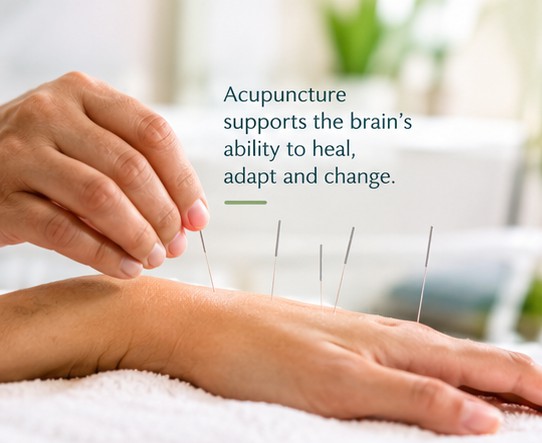
Acupuncture, a cornerstone of traditional Chinese medicine, offers a holistic approach for alleviating symptoms associated with whiplash. By targeting specific points throughout the body, acupuncture stimulates the nervous system and encourages the release of natural pain-relieving compounds, such as endogenous endorphins. This therapeutic practice not only diminishes pain but also enhances mobility in the affected regions, thereby facilitating a more effective pathway to recovery and improved functionality.
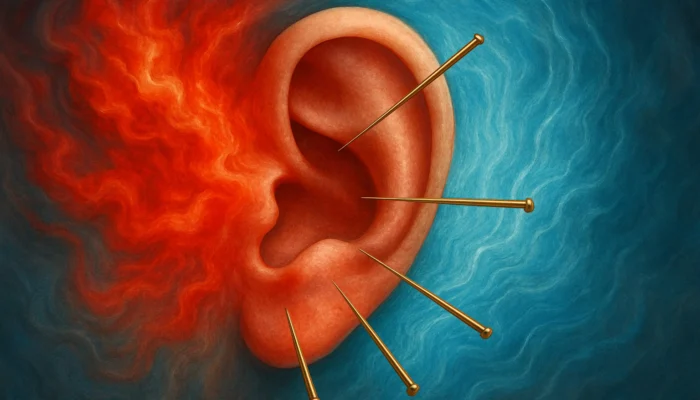
The process of auricular cupuncture involves the insertion of fine needles into designated acupuncture points of the ear, which are believed to correspond to various organs and systems within the human body. In the context of whiplash recovery, practitioners focus on specific points that alleviate neck pain and promote relaxation. This ancient healing technique provides a non-invasive alternative to pain relief, catering to individuals who prefer to avoid pharmaceuticals or invasive treatments, and underscores the increasing interest in holistic healing methodologies within modern healthcare.
Extensive research supports the effectiveness of acupuncture in managing pain and improving mobility for patients experiencing whiplash. A systematic review of clinical studies has demonstrated acupuncture’s substantial impact in reducing pain intensity and enhancing the overall quality of life for individuals suffering from whiplash-associated disorders. By improving blood circulation and reducing inflammation, acupuncture emerges as a powerful ally in the recovery process, fostering both physical and emotional healing.
Exploring the Multifaceted Advantages of Acupuncture for Whiplash Recovery
The therapeutic benefits of acupuncture in the context of whiplash recovery extend well beyond mere pain relief. For individuals grappling with the persistent effects of whiplash, acupuncture presents a natural solution that promotes healing from within. A primary advantage is its ability to reduce inflammation, a common contributor to chronic pain conditions. By minimising inflammation around the injured soft tissues, acupuncture accelerates the healing process, promoting a more effective and complete recovery.
Moreover, acupuncture significantly aids in restoring mobility, with many patients reporting an increased range of motion in their necks following treatment. This improvement allows individuals to engage in daily activities with greater ease and comfort. The relaxation that accompanies acupuncture sessions also mitigates the psychological burdens associated with chronic pain, fostering improved mental well-being and resilience throughout the recovery journey. This holistic approach empowers individuals to reclaim their lives and regain a sense of normalcy.
Additionally, acupuncture is a versatile treatment modality, offering a variety of techniques that can be customised to meet individual needs. Techniques such as electroacupuncture, which combines traditional acupuncture with electrical stimulation, can further enhance pain relief and facilitate deeper muscle relaxation. The adaptability of acupuncture positions it as a crucial element of a comprehensive treatment plan for whiplash recovery, ensuring that each patient receives tailored care that addresses their specific circumstances and recovery goals.
Diverse Acupuncture Techniques for Optimal Whiplash Treatment

Within the field of acupuncture, various techniques can be employed to maximise benefits for whiplash recovery. Traditional acupuncture remains the most widely practised method, involving the precise insertion of fine needles into specific acupoints based on the patient’s symptoms and overall health profile. This bespoke approach ensures that each treatment is uniquely tailored to the individual’s needs, enhancing its effectiveness and promoting a positive therapeutic experience.
Electroacupuncture is gaining popularity as a complementary technique to traditional acupuncture methods. This innovative approach utilises electrical impulses delivered through the needles, amplifying the stimulation of nerve endings. It is particularly beneficial for patients experiencing severe pain or muscle tension, as it encourages deeper muscle relaxation and pain relief, thereby facilitating a more efficient recovery process. This technique exemplifies the dynamic nature of acupuncture, allowing practitioners to adapt their methods to optimise patient outcomes.
Another noteworthy adjunctive technique is cupping therapy, which can enhance the effects of acupuncture for individuals dealing with whiplash. In this method, vacuum-sealed cups are applied to the skin, creating suction that draws blood to the surface and alleviates muscle tension while promoting circulation. Many patients find that the synergistic combination of acupuncture and cupping significantly enhances their overall sense of well-being and expedites the recovery process, showcasing the versatility of holistic treatment options available.
Clinical Evidence Highlighting Acupuncture’s Effectiveness in Treating Whiplash
Recent clinical studies provide substantial evidence supporting the efficacy of acupuncture in treating whiplash-associated disorders. Research, including systematic reviews and randomised controlled trials, consistently demonstrates that acupuncture can yield significant reductions in pain intensity and notable improvements in functional outcomes. A landmark study conducted in the UK revealed that patients receiving acupuncture reported a remarkable decrease in pain compared to those undergoing standard medical treatments, emphasising acupuncture’s unique potential in addressing whiplash symptoms.
Moreover, acupuncture has been shown to diminish the likelihood of chronic pain and disability following whiplash injuries. A study published in a reputable medical journal indicated that patients who underwent acupuncture were less likely to experience long-term complications compared to those who did not pursue acupuncture treatment. This compelling evidence underscores the critical importance of considering acupuncture as a primary treatment option for effective and sustainable whiplash recovery.
Additionally, the World Health Organisation (WHO) has recognised acupuncture as an effective treatment modality for various pain-related conditions, further solidifying its role in managing whiplash symptoms. With growing public and professional interest in holistic therapies, the evidence base supporting acupuncture continues to evolve, paving the way for its integration into standard care practices across the South African healthcare landscape.
Real-Life Case Studies and Patient Testimonials
Inspiring Success Stories from Across the UK
Throughout the UK, numerous patients have shared their transformative success stories following acupuncture treatments for whiplash recovery. One particularly compelling account comes from Sarah, a 32-year-old marketing professional who suffered debilitating neck pain after a car accident. Initially sceptical about acupuncture, Sarah decided to try it after conventional treatments failed to provide relief. After just a few sessions, she reported substantial improvements in her pain levels and mobility, praising the holistic approach of acupuncture for restoring her quality of life.
Another inspiring narrative involves Tom, a former athlete in his forties who endured chronic whiplash for over a year. Tom’s rigorous training regimen was disrupted by his injury, affecting both his physical performance and mental state. After integrating acupuncture into his rehabilitation plan, he experienced a remarkable turnaround, stating that the treatment not only alleviated his pain but also restored his confidence and ability to train effectively, enabling him to return to competitive sports.
These success stories reflect a broader trend within the UK, where more individuals are discovering relief through acupuncture. As patients continue to share their experiences, they create a supportive community that encourages others facing similar challenges in their recovery journey, fostering hope and resilience among those affected by whiplash.
Patient Experiences: Empowerment Through Acupuncture
Experiences of patients who have undergone acupuncture vary, yet many UK residents express sentiments of relief and gratitude. A common theme among those who have sought acupuncture for whiplash is the empowerment that comes from taking control of their healing process. Many patients describe their sessions as moments of relaxation and mindfulness, providing not only physical benefits but also a mental reprieve from life’s stresses and anxieties, ultimately enhancing their overall well-being.
One patient, Emma, recounted her journey through whiplash recovery, highlighting how acupuncture transformed her perspective on pain management. Emma emphasised the significance of the practitioner-patient relationship, noting that her acupuncturist took the time to listen to her concerns and customise treatments to her specific needs. This personalised approach made Emma feel valued and understood, enhancing the overall effectiveness of her treatment and contributing to a more positive healing experience.
Moreover, patients frequently mention the supportive environment offered by acupuncture clinics. Many find that the calming atmosphere is conducive to healing, with practitioners often encouraging open discussions about symptoms and progress. This dialogue fosters trust and motivates patients to remain engaged in their recovery journey, reinforcing their commitment to their health and well-being.
The Long-Term Advantages of Acupuncture for Whiplash Recovery
The long-term benefits of acupuncture in the context of whiplash recovery extend far beyond mere immediate pain relief. Research conducted in the UK has demonstrated that patients who undergo acupuncture treatment not only experience reduced pain but also witness improved overall function and quality of life. This advantage is particularly noteworthy in scenarios where conventional treatments yield limited results and highlight the necessity for alternative approaches.
Studies indicate that acupuncture can lead to sustained enhancements in neck mobility and a decreased likelihood of developing chronic pain. A study involving UK patients revealed that those who received acupuncture were less prone to report persistent pain compared to those who did not engage in acupuncture therapy. This finding underscores the role of acupuncture as a preventative measure against long-term complications associated with whiplash, promoting ongoing health and vitality.
Furthermore, the holistic nature of acupuncture fosters a sense of well-being that can yield lasting effects. Patients often report improved mood and reduced anxiety levels, contributing to a more resilient approach to recovery. As individuals learn to manage their pain and stress through acupuncture, they are better equipped to navigate the challenges of daily life, ultimately enhancing their overall quality of life and fostering a positive outlook on their health journey.
Integrating Acupuncture with Complementary Therapies for Optimal Recovery
Enhancing Whiplash Recovery Through Physiotherapy and Acupuncture
The integration of acupuncture with physiotherapy represents a powerful and effective approach to whiplash recovery in South Africa. While acupuncture focuses on alleviating pain and promoting healing through the stimulation of specific points, physiotherapy provides a comprehensive strategy for restoring movement and function. The combination of these two therapies can lead to accelerated recovery and significantly enhanced outcomes for patients, addressing both the physical and emotional aspects of healing.
Physiotherapists frequently incorporate acupuncture into their treatment plans, particularly for individuals dealing with chronic pain. By complementing traditional physiotherapy techniques—such as manual therapy and tailored exercises—with acupuncture, practitioners can more effectively target pain relief, resulting in higher patient satisfaction levels. Many patients find that acupuncture alleviates muscle tension, making it easier to engage in physiotherapy exercises and improving overall rehabilitation efforts, thus promoting a more holistic approach to recovery.
Moreover, the collaboration between acupuncturists and physiotherapists fosters a multidisciplinary approach to treatment. This teamwork ensures that every aspect of the patient’s recovery is addressed, promoting not only physical healing but also emotional well-being. As healthcare providers increasingly recognise the benefits of integrative approaches, patients can expect more cohesive and effective treatment plans tailored to their unique needs and circumstances.
Chiropractic Care and Acupuncture: Synergistic Healing Approaches
Chiropractic care and acupuncture share a mutual goal of promoting healing and restoring function, making them complementary therapies for whiplash recovery. Chiropractors often recommend acupuncture as part of a comprehensive treatment plan, recognising its effectiveness in alleviating pain and enhancing mobility for patients with whiplash-related injuries. This collaboration reflects a holistic understanding of health and wellness.
The combination of chiropractic adjustments and acupuncture can yield synergistic benefits. Chiropractic care focuses on aligning the spine and musculoskeletal system, while acupuncture addresses the body’s energy pathways and promotes relaxation. By integrating both approaches, patients may experience improved pain relief and a more effective recovery process, helping them regain their physical capabilities and quality of life.
For individuals seeking a holistic path to whiplash treatment, the combination of chiropractic care and acupuncture offers a well-rounded option. Patients benefit from the expertise of both practitioners, creating a collaborative environment that nurtures healing and enhances recovery outcomes. UK chiropractors are increasingly incorporating acupuncture into their practices, reflecting a broader trend towards integrative healthcare solutions that prioritise patient-centred care.
Comprehensive Pain Management Strategies Incorporating Acupuncture
Acupuncture can serve as a valuable component of a broader pain management strategy for individuals suffering from whiplash. Many patients discover that incorporating acupuncture alongside other pain management techniques enhances their overall experience and treatment outcomes. This multifaceted approach enables individuals to take control of their recovery journey while effectively addressing the complexities of their pain and its underlying causes.
In addition to acupuncture, patients may explore options such as physical therapy, medication, and proactive lifestyle modifications. Engaging in regular exercise, maintaining a nutritious diet, and managing stress through mindfulness practices can all contribute to improved pain management. By adopting a holistic perspective, patients can develop a comprehensive strategy that addresses not only the physical aspects of whiplash but also the emotional and psychological factors involved in their recovery, fostering a more balanced approach to health.
Furthermore, support from healthcare providers plays a crucial role in developing effective pain management strategies. Practitioners can offer guidance on integrating various treatments, ensuring that patients receive personalised care that meets their unique needs and circumstances. As more individuals embrace integrative approaches to pain management, the potential for successful recovery from whiplash continues to expand, promoting long-term health and well-being.
Ensuring Safety and Regulatory Compliance in Acupuncture Practices
Upholding Safety Protocols in Acupuncture Treatments
Safety is paramount when it comes to acupuncture treatments, particularly for individuals seeking relief from conditions such as whiplash. In SA, qualified acupuncturists adhere to strict hygiene and safety protocols to ensure patient well-being during treatments. This includes the use of sterile needles, maintaining a clean treatment environment, and complying with health and safety regulations, all of which are crucial for minimising the risk of infection or complications.
Practitioners are thoroughly trained to assess patients before treatment commences, ensuring that acupuncture is suitable for their specific condition. This assessment includes a comprehensive discussion of medical history, current symptoms, and any potential contraindications. By taking these precautions, acupuncturists can minimise the risk of complications and provide safe, effective care that prioritises patient health and comfort throughout the treatment process.
Moreover, patients are encouraged to communicate openly with their practitioners about any concerns or discomfort they may encounter during treatment. Practitioners are well-equipped to address these concerns and adjust their techniques as necessary, prioritising patient comfort and safety throughout the process, thereby fostering a supportive and responsive therapeutic environment.
Understanding Potential Side Effects of Acupuncture Treatments
While acupuncture is generally regarded as safe, patients should be aware of potential side effects that may arise during treatment. Common side effects include minor bruising, soreness, or temporary discomfort at the needle insertion sites. These effects are typically mild and resolve quickly; however, patients should communicate any unusual or persistent symptoms to their practitioners for further evaluation, ensuring that any concerns are addressed promptly.
In rare instances, individuals may experience dizziness or fainting during or after acupuncture sessions. This reaction is often attributed to anxiety or inadequate nourishment prior to treatment. Patients are advised to consume a light meal and remain hydrated before their sessions to minimise the risk of such occurrences and ensure a more comfortable experience during treatment.
Overall, the likelihood of experiencing serious side effects from acupuncture is minimal, especially when treatment is administered by a qualified and experienced practitioner. Awareness of potential side effects empowers patients to make informed decisions, allowing them to take charge of their health and recovery journey while fostering a sense of security in their treatment choices.
Envisioning the Future of Acupuncture
Advancements in Acupuncture Research and Development
The future of acupuncture is characterised by ongoing research and development aimed at validating the therapy’s effectiveness for various conditions, including whiplash. With an expanding body of evidence supporting acupuncture, researchers are exploring innovative methods to enhance treatment outcomes and broaden its application across numerous medical fields, paving the way for greater acceptance and integration into mainstream healthcare.
Current studies are focused on understanding the underlying mechanisms that contribute to acupuncture’s effectiveness, particularly in the realm of pain management. Research institutions and universities are conducting clinical trials to investigate the specific physiological changes that take place during acupuncture treatment. This scientific exploration not only bolsters acupuncture’s credibility but also paves the way for its integration into standard healthcare practices, fostering a more comprehensive approach to patient care.
Moreover, interdisciplinary collaborations between acupuncturists, medical professionals, and researchers are becoming increasingly prevalent. These partnerships foster a comprehensive understanding of acupuncture’s role in patient care, ensuring that practitioners remain well-informed about the latest advancements in both acupuncture and conventional medicine, ultimately benefiting patient outcomes and contributing to a more integrated healthcare system.
Increasing Public Awareness and Acceptance of Acupuncture
In recent years, public awareness and acceptance of acupuncture as a legitimate treatment modality have surged in South Africa. Patients are becoming more informed about the advantages of acupuncture for various conditions, including whiplash, and are actively seeking practitioners to explore their options. This growing interest is indicative of a broader shift towards holistic and integrative approaches to healthcare.
This increasing acceptance is reflected in media coverage, where positive reports on acupuncture’s effectiveness have contributed to its rising popularity. As more success stories come to light, individuals are encouraged to consider acupuncture as a viable alternative to conventional treatments and therapies, fostering a more comprehensive understanding of available healthcare options.
Moreover, community outreach initiatives and educational programmes are playing a vital role in demystifying acupuncture for the public. Workshops, demonstrations, and informational sessions offer valuable insights into the practice, enabling individuals to make informed decisions about their healthcare options and treatment pathways, ultimately empowering them to take charge of their health and well-being.
Frequently Asked Questions About Acupuncture
What is acupuncture and how does it function?
Auricular Acupuncture is a traditional Chinese medicine practice that involves the insertion of fine needles into specific points on the ear to promote healing and alleviate pain. It aims to balance the body’s energy and stimulate natural healing processes, enhancing overall well-being.
How does acupuncture assist in recovering from whiplash?
Acupuncture stimulates the nervous system, promoting the release of natural pain-relieving chemicals and reducing inflammation, thus aiding in the recovery process for individuals suffering from whiplash and restoring their quality of life.
Is acupuncture a safe treatment option for whiplash?
Yes, when performed by qualified practitioners, acupuncture is generally safe. It has minimal risks, and any potential side effects are typically mild and temporary, making it a reliable option for treating whiplash and enhancing patient comfort.
Can acupuncture be effectively combined with other therapies?
Yes, acupuncture can be effectively integrated with physiotherapy, chiropractic care, and other pain management strategies to enhance recovery from whiplash and improve overall patient outcomes, ensuring comprehensive care.
Are there any side effects associated with acupuncture?
While potential side effects of acupuncture are rare, they may include minor bruising, soreness, or temporary discomfort at the needle sites. Most side effects are mild and resolve quickly, allowing for a positive treatment experience.
How long does it usually take to see results from acupuncture?
The time required to see results varies by individual. Many patients report improvements within just a few sessions, while others may require ongoing treatment for optimal results and long-lasting benefits.
Is acupuncture effective for long-term pain management?
Yes, studies indicate that acupuncture can lead to sustained improvements in pain management and overall function, making it a valuable option for individuals seeking long-term care for whiplash injuries and enhancing their quality of life.

It’s interesting how whiplash doesn’t always present immediate symptoms; I’ve seen friends brush off neck pain after a minor accident only to struggle with it later. It makes me think about how crucial it is to educate people on the importance of seeking medical advice even if they feel fine at first.
You make a great point about how whiplash can sort of sneak up on people. It’s definitely one of those injuries that seems deceptively simple, especially after a minor accident. A lot of folks assume that if they’re not in severe pain right off the bat, everything’s fine. But the reality is that the body can take time to show the full impact of trauma. It’s easy to brush off a little neck discomfort as just a normal bad day or something that will go away after a bit of rest.
You’re spot on. It’s fascinating how our bodies sometimes keep things under wraps, isn’t it? That delayed onset of pain can really catch people off guard. Many assume that feeling okay right after an accident means they’re in the clear, when the truth is, some injuries can simmer below the surface.
Your exploration of whiplash and its underlying mechanics offers a comprehensive look into a condition that, as you pointed out, is often taken for granted until it strikes close to home. The intricate balance of our bodies and the potential for injury in everyday situations, such as driving or engaging in sports, truly underscores the complexity of whiplash. I can relate to your emphasis on the delayed onset of symptoms—I’ve seen this firsthand when a friend was involved in a minor car accident. Initially, he felt fine, but days later, he was suffering from severe neck pain that required medical attention. It’s a stark reminder of how crucial it is to listen to our bodies and seek care even if we feel okay immediately after an incident.
Ah, whiplash—the neck injury that feels like a plot twist in an action movie, but unfortunately, it comes with a lot fewer special effects and a lot more neck pain. I can’t help but chuckle when I think about how many of us underestimate the impact of a simple rear-end bump at a stoplight. One moment you’re minding your own business, the next you’re a contestant in the “Who Can Overreact to a Mild Jolt” game.
You’ve captured the essence of that jarring experience perfectly. It’s wild how something that seems so minor on the surface—a little bump at a stoplight—can throw our bodies into disarray. The irony is palpable: one moment, life feels normal, and the next, you’re navigating a whole new world of discomfort.
Your exploration of whiplash really resonates with me, especially the points you made about the symptoms not always being immediately noticeable. I’ve experienced something similar after a minor car accident. At first, I thought I was fine, but a few days later, the neck pain and headaches featured prominently. It’s interesting how our bodies can respond to trauma in such unexpected ways.
It’s always insightful to hear personal experiences with whiplash, especially since it highlights how our bodies can surprise us after seemingly minor incidents. It sounds like your experience is a classic case of how the immediate aftermath of trauma can mask deeper issues. It’s frustrating, isn’t it? You think you’re fine because there’s no visible injury, yet your body is sending signals that something isn’t quite right.
Your experience highlights such an important aspect of what whiplash can be like. Many people don’t realize that the effects of an injury aren’t always instantaneous. The body has this incredible way of shielding us from immediate pain, which can sometimes lead to a false sense of security. It’s almost like a protective mechanism that kicks in; you feel fine right after the accident, but then days later, unexpected symptoms appear and remind you that something isn’t quite right.
This post really sheds light on a topic that often gets brushed aside until it hits home. I can relate personally, as I experienced a mild whiplash from a minor car accident a couple of years ago. At first, I thought the stiffness in my neck was just a temporary annoyance, but it turned out to be way more complex. The delayed onset of symptoms was a real eye-opener; it took a few days before I realized I needed to seek help.
Your exploration of whiplash and its often-overlooked nuances is incredibly timely, especially considering how common this injury is in daily life. I’ve personally witnessed friends and family struggle with whiplash after minor fender-benders, only to find that their symptoms linger far longer than anticipated. This delayed onset really underscores your point about the importance of monitoring our bodies after such incidents.
Your observations really resonate with me. Whiplash often seems like such a minor issue initially, but it can have a profound, lasting impact on people’s daily lives. It’s interesting how the immediate symptoms might mask deeper problems, creating a false sense of security. I remember a friend who got into a slight accident and thought she was fine, but weeks later she was still struggling with neck pain and headaches. It’s like silence can be just as dangerous as noise when it comes to injuries like this.
It’s really true how whiplash can feel almost inconsequential at first. So many people brush it off, thinking they’ve “dodged a bullet” after a minor accident. Your friend’s experience highlights that slow creep of pain that often takes people by surprise. It can be frustrating when injuries aren’t visible; our bodies have a way of hiding the damage until you’re forced to confront it.
You really hit on something important about the way we perceive injuries like whiplash. It’s interesting how our reaction to pain can sometimes lag behind the actual physical injury. I remember a friend who wasn’t in a serious accident but ended up in a lot of pain a few days later. It’s such a sneaky injury, too. Like you said, it’s frustrating when damage isn’t visible, which can make it difficult for people to take it seriously. I feel like in our society, we often equate visible wounds with the validity of an injury.
This is a fascinating look at whiplash, and I appreciate how clearly you’ve laid out the complexities of this often-overlooked injury. It’s curious how common occurrences, like car accidents or even sports mishaps, can lead to such long-lasting pain and discomfort. I’ve had a friend who experienced whiplash after a minor fender bender, and it took her months to recover fully, which really opened my eyes to the importance of early detection and treatment.
This exploration of whiplash and its implications is incredibly timely and relevant, especially considering how pronounced this injury has become in modern society. Personally, I’ve seen firsthand how whiplash can affect individuals long after the initial incident—my friend, after a car accident, didn’t realize the full extent of her injuries until weeks later when the pain became unmanageable. It’s a stark reminder of the subtlety of injuries that can arise from seemingly minor incidents.
You make such an important point about the lasting impact of whiplash. It’s interesting how our bodies can sometimes mask injuries, making them seem less significant in the moment. I remember reading about the challenges in diagnosing these kinds of injuries because they often don’t show up on scans right away, leaving people in a confusing position where they feel pain but lack concrete evidence of the problem.
I completely resonate with your experience. Whiplash really does showcase how the body can respond in unexpected ways after a trauma. It’s often the case that people underestimate the significance of these “invisible” injuries. I remember a colleague who had a similar situation—she walked away from a minor fender-bender feeling fine, only to be sidelined by chronic neck pain weeks later. It really highlights the necessity for awareness, not just among those affected but also in how we approach road safety and health evaluations after accidents.
You’ve hit the nail on the head with that experience. Whiplash, in all its sneaky glory, does have this uncanny ability to play hide-and-seek with our well-being. You think you’ve just survived a minor fender-bender, feeling like a champ, only for your neck to decide it didn’t get the memo about the “minor” part. It’s almost as if the body has its own secret agenda, plotting out its course of eccentric responses post-trauma.
It’s enlightening to read your exploration of whiplash and the therapeutic role of acupuncture in addressing this complex injury. Whiplash is indeed a multifaceted condition that often gets brushed aside as a mere inconvenience when, in reality, its implications can extend far deeper, affecting not just physical health but also an individual’s emotional and psychological well-being.
This exploration of whiplash and the role of acupuncture offers a valuable perspective on a condition that, despite its commonality, is often overlooked in terms of both its physical and psychological impacts. It’s interesting to reflect on the societal tendency to regard whiplash merely as a nuisance, rather than acknowledging its potential to significantly disrupt daily life. I’ve personally witnessed friends and family members endure not just the acute pain, but lasting effects that can manifest as chronic issues—affecting everything from sleep to mental health.
You’ve touched on some really important points about whiplash and its broader implications. It’s easy for people to dismiss it as a minor inconvenience, especially when many think of it as just a result of car accidents. But your observation about the lasting effects is spot on. Whiplash can really turn the daily routine upside down—impacting everything from how well we sleep to our interactions with others.
You bring up such an important point regarding how whiplash is frequently dismissed. It’s really striking—like you said, the conversation often skims over the fact that it can lead to chronic pain or even affect mental health long after the initial injury. I’ve had a family member deal with whiplash from a minor car accident, and seeing them struggle with not just physical pain but also the emotional toll it takes over time has been eye-opening.
I really appreciate the depth of information you’ve shared about whiplash and the potential role of acupuncture in its treatment. It’s interesting how such a common injury is often overlooked in terms of its complexity and the varied ways it can affect someone’s life. I can relate to this because a few years ago, I experienced a mild whiplash injury after a minor car accident. At first, I brushed it off as just soreness, thinking it would fade with time. But as you noted, the symptoms like stiffness and headaches can sneak up on you, and I found myself struggling with both physical discomfort and a sense of frustration that made it hard to focus on everyday tasks.
It’s interesting how our bodies can sometimes react in unexpected ways, isn’t it? You’d think after a mild incident like a fender bender, the recovery would be straightforward, but whiplash can be really sneaky. That combination of physical and mental strain you mentioned is something many people don’t realize can be part of the experience. It’s not just about healing the neck; it affects your whole sense of well-being.
You’re spot on about the unpredictability of our bodies after even minor incidents. Whiplash often sneaks up on people, making it more than just a physical issue. The mental strain can really complicate things too. After a fender bender, you might expect to bounce back quickly, but the impact on mood, sleep, and even daily activities can linger much longer than anticipated. It highlights how interconnected our physical and mental health really are. It’s easy to underestimate how much emotional resilience is tested during recovery. Have you or someone you know experienced something similar? It can be interesting to hear different personal stories on this.
The exploration of whiplash in your post highlights a crucial yet often overlooked aspect of injury management—awareness and acknowledgment of the symptoms that may not surface immediately after an incident. I’ve seen how easy it is for people to dismiss any minor discomfort, thinking it will resolve on its own or attributing it to fatigue or stress. However, it’s essential to understand that early intervention is key in addressing these injuries to prevent potential chronic issues down the line.
You’ve brought up a really important point about the often invisible nature of whiplash symptoms and the tendency to shrug off discomfort. It’s fascinating how our minds work in those situations. Many of us have been conditioned to think that if we’re not in immediate, excruciating pain, then everything’s fine. This mindset can definitely lead to problems later on.
Your exploration of whiplash really sheds light on a condition that often flies under the radar, yet can have significant repercussions for those affected. I’ve personally known individuals who dismissed mild symptoms post-accident, only to find themselves struggling with chronic pain months later. It’s a poignant reminder of the importance of early intervention and ongoing self-awareness.
You bring up such an important point about the often overlooked nature of whiplash. It can be incredibly easy to downplay those initial symptoms after an accident, especially when the adrenaline is still pumping. I’ve spoken with many people who thought they were fine, only to face the unexpected challenges of chronic pain later on. It’s like the body has its own way of reminding us to pay attention, even when it feels like we’re in the clear.
You raise an important issue that definitely deserves more attention. It’s striking how so many people brush off mild symptoms after an accident, often thinking they’ll just go away. I’ve seen it too; those initial signs are easy to overlook, especially when adrenaline is still pumping. But as you pointed out, what might seem insignificant at first can evolve into chronic pain that impacts daily life in ways they never imagined.
Your exploration of whiplash and the therapeutic role of acupuncture struck a chord with me, particularly the emphasis on the multifaceted nature of this injury. Having witnessed the aftermath of a whiplash incident within my own family, I can attest to the often-overlooked complexities that accompany this seemingly straightforward diagnosis. The delayed onset of symptoms you mentioned is particularly concerning; I recall my cousin brushing off her initial neck discomfort, only to find herself grappling with persistent pain and headaches weeks later. This experience underscored for me the importance of immediate medical evaluation and awareness of one’s body following incidents that may cause whiplash.
Your experience with your cousin really highlights how deceptive whiplash can be. It often seems like just a bump in the road at first, but as you’ve pointed out, the delayed symptoms can catch people off guard. It’s not just about that initial discomfort; it sets the stage for a much bigger problem that can take weeks or even months to surface.
It’s intriguing to delve into the complexities of whiplash, a condition that many people might dismiss as merely a nuisance following a car accident or a minor mishap during an energetic sporting event. Your exploration of the symptoms and the mechanisms at play really highlights how multifaceted this injury can be, which is essential for raising awareness about its implications.
It’s interesting you mention how whiplash is often seen as a simple nuisance. Many people connect it primarily to car accidents, but its effects can extend far beyond what’s visible at first glance. The physical symptoms can be just one part of the story; the emotional and psychological impact can be considerable as well.
I appreciate your perspective on whiplash—it really is easy for people to overlook just how intricate this condition can be. Many think of it as just a fleeting annoyance, but it can actually have long-lasting effects on both physical health and mental well-being. I’ve seen this firsthand with a friend who suffered a whiplash injury during a minor car accident. Initially, they brushed it off, but months later, they were still dealing with chronic pain and tension.
You make a solid point about how whiplash often gets brushed off as just a minor inconvenience. I think a lot of folks don’t realize just how layered this injury can be. It’s not just about the immediate pain or stiffness; whiplash can have lasting effects that ripple into everyday life—like headaches, trouble concentrating, or even anxiety about getting back in the car.
You’re hitting the nail on the head! It’s easy for people to overlook the complexities of whiplash, which is often lumped together with more straightforward injuries. Many don’t realize how this seemingly minor condition can actually become a multi-layered experience. You mentioned some crucial aspects—headaches and difficulty concentrating are common companions of whiplash that many people don’t expect. It’s fascinating how an injury that primarily affects the neck can have such a broad impact on daily life.
Your exploration of whiplash provides a crucial insight into a condition that many overlook until they experience it firsthand. It’s interesting to consider not only the immediate physical impact of whiplash but also the broader implications it has on our mental well-being. For many, the pain and stiffness can lead to anxiety about movement and a change in lifestyle, which can be quite debilitating.
You’ve touched on a really important aspect of whiplash that often doesn’t get the attention it deserves. The physical symptoms can be hard enough to deal with, but what many people don’t realize is how much the mental toll can add to the weight of the whole experience. When you’re dealing with pain and stiffness, it’s natural to start feeling anxious about movement. It’s almost like your body and mind enter into this unspoken agreement to avoid anything that might trigger discomfort, which can lead to a downward spiral of fear and limitation.
The nuanced discussion around whiplash and its treatment options, particularly acupuncture, raises critical points about the complexity of this injury and the necessity for comprehensive understanding and intervention strategies. As someone who has had personal experience with whiplash following a minor car accident, I can attest to the importance of recognizing symptoms that may not be immediately apparent. The delayed onset of pain makes it easy to overlook the injury, often leading individuals to seek help only when symptoms become unbearable, which, as you rightly pointed out, underscores the need for vigilance.
You bring up such an important point about the delayed onset of pain with whiplash. I think many people underestimate how insidious injuries can be, especially when they don’t present immediate symptoms. It’s fascinating how our bodies can react to trauma in ways that we might not even recognize at first, leading to a sort of denial about the severity of the situation.
The exploration of whiplash and its complexities, particularly in relation to the therapeutic benefits of acupuncture, is a topic that resonates deeply with many of us who have either experienced this condition firsthand or have seen loved ones suffer from its effects. Whiplash often emerges as an under-discussed yet prevalent health issue, and your emphasis on the sometimes delayed onset of symptoms is especially important. It reminds us that the aftermath of trauma can unfold in unexpected ways, which is why proactive monitoring of our health following any kind of incident is crucial.
You’ve hit the nail on the head with your thoughts about whiplash and the complexities that come with it. It really is one of those conditions that can linger quietly, catching people off guard when they least expect it. The delayed onset of symptoms can throw you for a loop; you might feel fine one day and then, out of nowhere, you’re dealing with a stiff neck and persistent headaches. The hidden layers of this injury can be confusing and frustrating, especially when you think you’re in the clear after an incident.
This is such an interesting read! I’ve personally dealt with a whiplash injury after a minor fender bender, and the delayed onset of symptoms really caught me off guard. It took a couple of days for the neck pain to kick in, and by then, I was already back to my routine, thinking I was fine.
It’s intriguing to hear about your experience with a whiplash injury, especially that delayed reaction to the pain. It really highlights how our bodies can sometimes be deceptive when it comes to injuries. Many people operate under the assumption that if they feel fine immediately after an accident, they’re in the clear. However, whiplash and similar injuries often have a sneaky way of surfacing when least expected, causing people to underestimate the situation.
I’m glad you found the piece interesting. Whiplash can really throw you for a loop, especially with how sneaky the symptoms can be. It’s wild how our bodies can feel fine one minute and then hit us with pain the next. That lag between injury and when you actually feel it is more common than you might think. A lot of folks underestimate the importance of listening to their bodies right after an incident, even if it seems minor. Have you done anything since then to help manage or prevent those kinds of injuries?
You’ve nailed a crucial point about whiplash and the way our bodies respond to injury. The delayed onset of symptoms can be very confusing. It’s fascinating how pain doesn’t always manifest right away, making it easy to brush off what might seem like a minor incident until it escalates.
Your exploration of whiplash and the therapeutic role of acupuncture raises significant points about a condition that undoubtedly affects many, yet is often overlooked in terms of both treatment options and broader societal understanding. Whiplash injuries, as you rightly pointed out, can stem from a variety of sources beyond just vehicular accidents, and acknowledging these different avenues can help individuals recognize the potential for injury in daily activities, sports, or even unexpected incidents around the home.
Ah, whiplash! The neck injury that doesn’t just rear its ugly head like an unwelcome relative at a family gathering but also manages to bring with it a host of discomforts and inconveniences. It’s fascinating, isn’t it? One second you’re cruising along, maybe even singing along to your favorite tune, and in the blink of an eye (and a sudden brake), you’ve got a sore neck and a headache that feels like small construction workers are jackhammering the inside of your skull.
Your description of whiplash hits the nail on the head—it’s like a surprise guest at a party you never wanted. It’s strange how life can shift so abruptly from cruising to a sudden halt, and you’re left dealing with not just the sore neck, but all those annoying side effects that often tag along. Those headaches, feeling like tiny construction crews at work, can be particularly frustrating. Sometimes, it feels like the world is moving on while you’re stuck in slow motion, coping with the aftermath.
You’ve captured the experience of whiplash perfectly. It really does feel like that unwelcome relative crashing the party, doesn’t it? One minute, you’re in a rhythm—enjoying life, and the next, you’re grappling with this unexpected and often frustrating injury. It’s such an irony: a sudden stop shouldn’t result in a lingering pain that can feel like a performance of a heavy construction crew on an unwarranted afternoon.
You’ve hit the nail on the head with that image of an unwelcome relative—like they crash in, treat your living room like a construction site, and suddenly, you’re left nursing a sore neck. It’s wild how life can shift from blissfully mundane to a real-life episode of “What Just Happened?” in the blink of an eye.
Ah, whiplash! The unwelcome gift that comes wrapped in a rather unfortunate bow—let’s call it the “Surprise Neck Injury” package. You know, it’s fascinating how something as straightforward as a car ride or a friendly game of rugby can turn into a full-on “whoopsie daisy” moment. One second you’re minding your own business, and the next, your neck is auditioning for a role in a horror film, complete with lightning bolt-like pain and an uncanny inability to glance left or right.
You’ve captured the unexpected nature of whiplash perfectly. It is incredible how everyday activities can lead to those unforeseen moments that feel like they belong in a thriller. That “whoopsie daisy” element really highlights how quickly our bodies can go from regular to vulnerable.
It’s true, isn’t it? The unexpectedness of life often brings those “whoopsie daisy” moments right when we least expect them. Whiplash is such a strange injury, almost like it sneaks up on you. One minute you’re enjoying a simple drive or game, and the next, you’re left trying to figure out how to get your head back into its normal range of motion.
Speaking of those unexpected neck mishaps, have you ever thought about how ancient healing methods like acupuncture might help ease that surprise pain?
‘Acupuncture Cape Town: Discover Ancient Healing in the Region’
https://www.sparkoflife.co.za/acupuncture-cape-town-discover-ancient-healing-in-the-region/.
Whiplash really does bring a new meaning to “life can change in an instant.” It’s wild how something that seems so innocuous can turn into such a nagging issue. One moment you’re enjoying a day out with friends or just commuting, and suddenly you’re contorted in ways you never thought possible.
Your exploration of whiplash is both informative and necessary, especially in an era where awareness of such injuries is critical. Personally, I’ve encountered a few instances where individuals have downplayed the signs of whiplash, often believing that if they don’t feel acute pain immediately, they’re in the clear. This mindset can lead to delayed diagnoses and prolonged suffering down the line. I’ve seen friends dismissing their symptoms, only to discover months later that what seemed like a mild annoyance had developed into a chronic condition.
This post really resonates with me, as I’ve seen how whiplash can be such a stealthy injury. I remember a friend who got into a minor car accident—nothing too dramatic—but she thought she was fine at the time. It wasn’t until days later that the pain set in, and by then, it had escalated considerably. It’s eye-opening how something that seems so innocuous can turn into a major issue if it’s not addressed right away.
It’s fascinating to hear your experience about your friend’s encounter with whiplash. It underscores a truth many people overlook: the body can be deceptive, sometimes masking the severity of an injury. Immediate symptoms often don’t paint the full picture. After an accident, many individuals feel fine and assume that everything is in order. It’s only after a few days, when that initial adrenaline fades, that pain levels can rise and make their presence known.
In exploring the complexities of whiplash, it’s important to consider how often this injury goes underreported or misunderstood, especially in contexts like sports where athletes are pushed to “tough it out.” I remember a friend who suffered from whiplash after a minor car accident—she didn’t realize the extent of her injury until months later when chronic pain became a part of her daily life.
You make a great point about how whiplash can often fly under the radar, especially in sports. Athletes are frequently encouraged to play through pain, and that can lead to injuries being dismissed or minimized, particularly when they don’t have obvious symptoms right away. Your friend’s experience highlights a crucial aspect of whiplash—it can be sneaky, showing up long after the incident and complicating everyday life.
Ah, whiplash! The neck injury that sounds like a character straight out of a circus act—who knew a rapid head movement could result in such a debacle? I’m always a bit puzzled by the irony of the term. One moment you’re enjoying a leisurely drive, and the next, you have the neck flexibility of a disgruntled T-Rex because someone decided that brake lights were merely a suggestion.
Your exploration of whiplash and the therapeutic role of acupuncture sheds light on a condition that, while ubiquitous, is often overlooked in terms of its profound impact on individuals’ lives. As someone who has personally navigated the murky waters of neck injuries, I can attest to the intricate relationship between physical ailments and emotional wellbeing.
It’s evident that navigating the complexities of neck injuries can be incredibly challenging. Your point about the intricate relationship between physical ailments and emotional wellbeing resonates deeply. Whiplash can seem like a straightforward physical injury, but the ripple effects on mental health are often profound and multifaceted.
Navigating the realities of neck injuries like whiplash really does reveal how interconnected our bodies and minds are. It’s fascinating to think about how something that seems primarily physical can lead to emotional turmoil, right? Many people don’t realize that the experience of pain isn’t just a physical sensation—it can echo through our entire lives, impacting our mood, relationships, and even our sense of purpose.
This post really shines a light on a condition that tends to fly under the radar, especially after a car accident. I had a friend who thought their neck pain after a rear-end collision would just go away, but it lingered for ages. It’s so true that people often underestimate how serious whiplash can be until those symptoms hit.
It’s so interesting how often conditions like whiplash are overlooked, even though the effects can be long-lasting and impactful on daily life. It sounds like your friend’s experience is a reminder of how our bodies can react in unexpected ways after an accident. It makes me wonder how much awareness there is about these kinds of injuries—the education surrounding them often feels lacking.
It’s true—conditions like whiplash often slip under the radar, and that can have a profound effect on everyday life. Your friend’s experience really highlights how invisible injuries can be just as difficult as those we can see.
You raise such a valuable point about the often-overlooked nature of injuries like whiplash. It’s true—many people don’t fully grasp how those sudden jolts from accidents can ripple through daily life. My friend’s journey post-accident really highlights that undercurrent of uncertainty. It’s not just about the initial injury; it can lead to a chain reaction of consequences, from pain management issues to emotional adjustments.
It sounds like your friend went through a really tough experience, and it’s unfortunate how often situations like this are dismissed. Many people don’t realize that the effects of a car accident can linger well beyond the immediate aftermath. Whiplash can be particularly deceptive; at first, the pain might seem minor or even nonexistent. But as time passes, those nagging symptoms can really begin to impact daily life.
It’s really fascinating how whiplash can have such delayed symptoms; I know several people who’ve shrugged off neck pain only to discover it was related to an old incident. I remember a friend who had a minor car accident and didn’t see a doctor right away, thinking the discomfort was just part of everyday stress. After a few weeks, it turned into a chronic issue.
You’re spot on about the delayed symptoms with whiplash. It’s crazy how something that feels minor can turn into a persistent issue down the line. I think many people assume that if the pain isn’t immediate or extreme, it’s probably not that serious. But with whiplash, those soft tissue injuries can really sneak up on you.
I found your post on whiplash and the potential role of acupuncture in treatment really insightful. It’s such a relevant topic, especially since many people still underestimate how serious neck injuries can be. Your description of the injury mechanics makes it clear why it’s essential for anyone who’s experienced a sudden impact to monitor their symptoms closely.
I’m really glad to hear you found the post helpful. Whiplash is one of those things that can fly under the radar for so many people. One minute you’re driving along, and the next, it feels like your neck’s taken a hit from a sledgehammer. It’s not just a “stiff neck” or some soreness; the mechanics of it can really mess with a person’s day-to-day life.
Your exploration of whiplash and its implications resonates deeply with many who have experienced its repercussions, whether from a car accident or a sports injury. It strikes me how often we underestimate the importance of acknowledging our pain, especially when symptoms don’t surface immediately. I remember a friend who struggled with persistent neck discomfort long after a minor car incident; it took a while for her to connect the dots and seek out effective treatment.
The exploration of whiplash in your post really highlights the often-overlooked complexity of this injury. I found it particularly interesting how you emphasized the delayed onset of symptoms. Having witnessed a family member experience whiplash after a minor car accident, I can attest to the bewilderment and frustration when the pain crept in days later. It seems crucial for people to understand this aspect, as many may dismiss their discomfort initially, thinking it’s just a bruise or muscle strain.
It’s great to hear your perspective on this topic. Witnessing a loved one deal with the unpredictable nature of whiplash can be incredibly tough. The delayed onset of symptoms can make it challenging for people to connect the dots between an accident and their discomfort. It’s easy to brush off that lingering stiffness as a simple strain, especially when the initial impact seems minor.
I really appreciate you sharing your thoughts on this. Witnessing someone you care about go through something like whiplash can be such a helpless feeling. The way symptoms can creep up days or even weeks after an accident adds another layer of frustration. It’s interesting how our bodies respond in unexpected ways; it leads to a lot of uncertainty.
It’s really true how helpless it can feel when someone we care about is dealing with something like whiplash. The unpredictability of symptoms really can throw you for a loop, especially when they show up long after the initial event. I think it’s fascinating, in a frustrating way, how intricately our bodies work—one minute everything seems fine, and then suddenly you’re dealing with pain or discomfort that wasn’t there before.
What a compelling deep dive into whiplash! It’s fascinating how such a common injury can carry so many nuances. I’ve personally encountered friends who dismissed their neck pain after minor accidents, only to have it linger and affect their daily lives. It’s a poignant reminder of how we often overlook our bodies’ signals, especially in our fast-paced lives.
This blog post sheds light on a topic that often flies under the radar for many, despite its prevalence in our daily lives. Whiplash, as you’ve rightly pointed out, is often associated with car accidents, but I find it intriguing how it can arise from various other situations, such as sports injuries or even minor falls. This highlights the importance of public awareness regarding the diverse causes and symptoms of whiplash.
You make a great point about whiplash often being linked primarily to car accidents. It’s easy to overlook how common it really is in other contexts, like the sports injuries you mentioned. I remember a friend who suffered from it after a fall while snowboarding—she thought it was just a little strain at first, but it turned out to be more serious.
You bring up a really important point about how whiplash can easily be mistaken for less serious injuries. It’s true, many people associate it just with car accidents, and it can be surprising to realize how often it happens in sports or even during everyday activities. Your friend’s experience with a seemingly minor fall while snowboarding illustrates that perfectly. At first, it can feel like just another bump or strain, but then the reality of a deeper issue sets in.
You’ve raised a really interesting point about the range of situations that can lead to whiplash. It’s one of those things that most people associate strictly with car accidents, but as you mentioned, it can come from so many everyday activities. I remember a friend who got whiplash from a seemingly harmless fall while hiking—just a misstep on an uneven trail.
You bring up an important point about the often-overlooked aspects of whiplash. It’s fascinating how people tend to associate it solely with car accidents, when the reality is, like you mentioned, it can stem from a variety of situations. This misconception might be why so many individuals suffer in silence after experiencing whiplash from non-vehicular incidents.
You make such an interesting observation about the common assumptions surrounding whiplash. It’s true that many people immediately think of car accidents, and it’s a shame, really, since there are numerous scenarios—like sports injuries or even slips and falls—that can lead to similar issues. I’ve encountered a few individuals who experienced whiplash after minor incidents, and they often feel dismissed because their injury isn’t linked to a high-impact event.
Your exploration of whiplash sheds light on an injury that is often overlooked or misunderstood in a broader conversation about health, particularly in the context of our fast-paced lives. It’s fascinating how a seemingly minor incident—like a sudden stop during a car ride—can lead to symptoms that emerge much later, complicating the recovery process. This delayed onset certainly underscores the importance of paying attention to our bodies and seeking medical attention even if we feel fine immediately after an incident.
Your observation about whiplash really resonates. It’s interesting how society often views injuries that seem minor at first glance, especially in situations like car accidents, as not warranting much concern. But as you’ve pointed out, the symptoms can manifest later, sometimes complicating the whole recovery process. Many people might walk away from a fender bender feeling relatively unscathed, only to battle issues weeks down the line that they hadn’t associated with the incident.
You’ve touched on such an important aspect of health that often gets overshadowed by more immediate or visible conditions. It’s true that our fast-paced lives can make it easy to overlook injuries like whiplash, especially when they seem to come out of nowhere. The way you highlighted the delayed onset of symptoms really resonates with me; it feels like a reminder that our bodies sometimes need time to communicate what’s truly going on.
You’ve hit the nail on the head about how our busy lives can overshadow subtle injuries like whiplash. It’s interesting how our bodies can be these intricate systems, often taking their time to signal what’s wrong. This delay can be frustrating, especially when we’re used to dealing with quick fixes for more visible ailments.
You’ve really captured the essence of it. Whiplash can feel so elusive, often sneaking up on us when we’re caught up in daily routines. It’s fascinating how our bodies have their own timelines for revealing injuries. Sometimes, we push through discomfort or ignore those subtle signals, thinking they’ll just go away. The way your body communicates can be intricate—like a slow unraveling of a story that we might not be ready to hear.
I found your exploration of whiplash and the role of acupuncture in its treatment to be both informative and thought-provoking. Whiplash injuries are indeed often downplayed, and it’s interesting how the delayed onset of symptoms can lead many people to underestimate the seriousness of the condition. I remember a friend of mine who was involved in a minor car accident; she felt fine initially but experienced debilitating neck pain weeks later. It really highlighted for me the importance of monitoring oneself after any incident, regardless of how minor it seems at first.
It’s great to see that the article sparked your thoughts on such an important topic. Your friend’s experience really underscores how tricky whiplash can be. While the initial impact might feel minor, it’s that delayed reaction that can catch many off guard. I think it’s often an overlooked aspect of car accidents that people might brush off. They might think, “I didn’t hit my head or feel anything right away, so I’m fine.” But pain and stiffness can creep in, sometimes weeks after the incident.
This exploration of whiplash and its implications resonates deeply, particularly in today’s fast-paced society where many people suffer from similar neck-related injuries, often without immediate awareness. I recently learned about the delayed onset of symptoms, which reinforces the importance of regular check-ups after accidents, even if one feels fine initially.
This topic really hits close to home for me. I was in a minor car accident a few years back that resulted in whiplash, and, like you mentioned, my symptoms didn’t really surface until a few days later. It was frustrating because I thought I had just shaken it off, but then I started having headaches and a stiffness in my neck that made everyday activities increasingly difficult. This kind of delayed reaction is definitely something people need to be aware of, especially if they’ve been in any sort of impact situation.
Your experience really highlights an important aspect of injuries that many people overlook. It’s easy to think we’ve managed to walk away from an accident unscathed, especially when the immediate adrenaline wears off. Whiplash is so sneaky that way—those little signs can creep in when you least expect them. It’s frustrating when symptoms take their time to show up; it can feel like your body is playing tricks on you.
I can relate to the complexities surrounding whiplash injuries. A while back, I was involved in a minor car accident, and although I thought I was just a bit sore, the neck pain that developed over the next few days was quite the wake-up call. What you mentioned about symptoms not appearing immediately is so true, and I found that out the hard way. It’s a stark reminder of how intricately our bodies respond to trauma, even when we might not feel it right away.
It’s interesting how our bodies work, isn’t it? Your experience highlights a crucial aspect of whiplash: the delayed onset of symptoms. It’s almost like our bodies are processing the trauma at their own pace. Many people think they’re in the clear right after an accident, only to find out that neck pain is just waiting to catch up with them.
I can relate to what you experienced; it’s surprising how the body can keep secrets when it comes to injuries. I had a similar situation a few years back, where I dismissed initial discomfort after a minor fender bender. It took a few days for the full extent of the whiplash to set in, and I found myself grappling with not just physical pain but also a bit of mental strain—wondering how I could have missed those symptoms.
It’s interesting how our bodies can catch us off guard, isn’t it? I relate to the feeling of disbelief. After my experience, I learned to really pay attention to those subtle signs. Dismissing discomfort often leads to a deeper understanding of how interconnected our physical and mental well-being really is.
It’s really interesting to see whiplash discussed in such detail, especially since it’s often brushed off or misunderstood. I experienced a minor whiplash myself a few years ago in a fender bender, and I didn’t realize how long-lasting the effects could be. It was frustrating to have the pain creep in slowly—definitely took me by surprise when it popped up days later.
It’s surprising how often whiplash gets brushed off, especially considering how it can affect daily life. I can relate to what you went through—a minor accident can lead to unexpected physical challenges. The delayed onset of pain is particularly perplexing. It’s almost like your body is keeping a secret until it can’t anymore.
I totally get how surprising those lingering effects of whiplash can be; speaking of healing, I recently came across some insights on acupuncture that might resonate with your experience and offer some relief.
‘Acupuncture Cape Town: Discover Ancient Healing in the Region’
https://www.sparkoflife.co.za/acupuncture-cape-town-discover-ancient-healing-in-the-region/.
Your exploration of whiplash and its multifaceted impact really highlights how complex this injury can be. I’ve been personally touched by this issue after a minor car accident last year left me with lingering neck pain. It was eye-opening to learn just how delayed symptoms could be, often arriving days or even weeks later. It makes me wonder how many people suffer in silence, unaware that what they’re experiencing is related to whiplash.
It’s fascinating to read about whiplash in such a clear and informative way. I remember when a friend of mine suffered from a whiplash injury after a minor car accident. It took months for them to realize the full extent of their symptoms, and they initially brushed it off as just a bit of neck discomfort. This really highlights the importance of being vigilant about our health post-injury.
Your exploration of whiplash and its implications genuinely highlights a critical area of health that often goes overlooked until people experience its effects firsthand. It’s intriguing how the symptoms can be delayed, which underscores the importance of public awareness and education about the injury.
It’s interesting how whiplash is often brushed off as just a minor inconvenience when, in reality, it can lead to such prolonged suffering if left unchecked. I remember a friend who was in a minor fender bender—she seemed fine at first but days later, she found herself struggling with debilitating neck pain and tension headaches that sidelined her from her daily activities. It really highlights how symptoms can be deceptive and don’t always rush in to make their presence known.
It’s so true how misleading the initial symptoms of whiplash can be. Your friend’s experience really drives home the idea that some injuries don’t reveal their true nature right away. I think a lot of people underestimate how much tension and stress we carry in our bodies, especially after an accident, even if it seems minor at first.
You bring up a really important point about how easily whiplash can be minimized, especially when someone appears fine right after an accident. It’s often surprising how our bodies can mask issues at first. Your friend’s experience is a prime example of how symptoms can take time to emerge and still have a significant impact on someone’s life.
This post really struck a chord with me! I’ve seen a few friends deal with whiplash after accidents, and it’s crazy how symptoms can sneak up on you days later. It makes me wonder about the importance of being informed and proactive when it comes to our health.
It’s interesting how injuries like whiplash can take us by surprise, right? One minute you’re shaking off the impact of an accident, and then days later, you’re left with discomfort or strange neck pain that you wouldn’t even think to connect back to that moment. It really highlights how our bodies can be a bit sneaky when it comes to signaling issues.
Oh, the mysteries of whiplash! It’s like the neck injury equivalent of a pesky surprise party — you’re just cruising along in life when suddenly, *bam*, your neck decides it wants to take the scenic route through pain town, giving you that delightful neck stiffness and a headache to boot. And let’s be real, the timing is impeccable! Who doesn’t love a surprise discomfort right when you finally sit down to binge-watch your favorite series?
Your exploration of whiplash elucidates an area that often gets overlooked in discussions about road safety and injury prevention. I’ve witnessed firsthand how debilitating this condition can be, both from personal experience after a minor fender bender and through friends who’ve suffered from its lingering effects. What strikes me is the common tendency for individuals, including healthcare providers, to dismiss mild symptoms post-accident, underestimating the long-term consequences. This can lead to chronic pain and other serious issues down the line.
It’s insightful to hear about your firsthand experiences with whiplash, as they underscore a critical point: the impact of seemingly minor injuries can be far-reaching. It’s alarming how often we disregard early symptoms, thinking they’ll fade away on their own. This kind of thinking can turn what might have been a temporary issue into something chronic.
This exploration of whiplash and the role of acupuncture in its management is incredibly insightful! Whiplash is indeed one of those conditions that can be so elusive, and I appreciate how you shed light on its causes and symptoms, particularly how they can manifest well after the initial injury. I think it’s vital for people to understand that just because they feel fine at the moment of an accident—whether from a car crash or in sports—they might still be at risk for developing these symptoms later on.
This exploration of whiplash and its complexities resonates on many levels. Having experienced a minor car accident myself, I found that the delayed onset of symptoms can be quite alarming. It serves as a poignant reminder of how our bodies can react in ways we may not immediately understand.
The exploration of whiplash in your post really resonates with me, particularly the emphasis on how symptoms can delay in appearing. It’s remarkable how something as seemingly innocuous as whiplash can have profound implications on one’s daily life and wellbeing. Personally, a friend of mine experienced this after a minor fender bender and didn’t realize the extent of her injury until weeks later, leading to chronic pain that took months of treatment to manage.
It’s interesting how experiences like your friend’s help shed light on a wider issue surrounding whiplash. Many people underestimate the delayed onset of symptoms, figuring that if they don’t feel pain right away, they’re in the clear. However, the body often takes time to react to injuries, making it tricky to connect a minor incident to later discomfort.
Your exploration of whiplash sheds light on an often overlooked injury that many individuals may dismiss until it manifests significantly. The lack of immediate symptoms can indeed complicate diagnosis and treatment, leading to chronic issues if not addressed. I’ve encountered several people who have had whiplash from minor accidents, only to ignore the initial discomfort thinking it would fade away. This can be a dangerous mindset, as the long-term implications of untreated whiplash can be debilitating.
You’ve touched on a really important point about whiplash and its often deceptive nature. It’s fascinating how something that can seem so minor at first can lead to such significant and chronic pain later on. I know several people, too, who brushed it off after a minor fender bender, thinking they’d just be sore for a day or two. But it’s that initial discomfort that can be a precursor to bigger issues down the line.
You bring up such an important point about how whiplash can easily fly under the radar after a seemingly minor accident. It’s fascinating—and a bit unsettling—how our bodies can be so resilient at first, covering up injuries until they decide to make a grand entrance later on. It’s so easy to brush off that initial discomfort, thinking it’s just a bump in the road that’ll clear up in no time. But, as you mentioned, that mindset can really set people up for long-term problems.
Whiplash is indeed a multifaceted injury that often goes underappreciated until symptoms escalate. Your emphasis on the delayed onset of symptoms is particularly crucial; it might encourage individuals to seek medical advice sooner rather than later. Personally, I’ve spoken with friends who experienced sudden neck pain weeks after a minor car accident, reinforcing the idea of vigilance regarding one’s health after such incidents.
The exploration of whiplash and its implications in your post is both timely and important, especially considering how frequently we encounter this type of injury in daily life—whether it be from traffic accidents, sports, or even unexpected falls. What strikes me most about the discussion is the common misconception surrounding whiplash; many individuals do not realize that the initial symptoms can be deceptively mild or even non-existent immediately following an incident. This delay can lead to underestimating the seriousness of the injury and consequently delaying necessary treatment.
You’ve raised a crucial point about whiplash, especially regarding its often stealthy nature when it first occurs. It’s fascinating and a bit unsettling how our bodies can react after an injury. That initial sense of “everything’s fine” can be misleading. Many people go about their daily lives post-incident, assuming that if they’re not in immediate pain, they’re in the clear. It’s only days or even weeks later that they might start to notice symptoms manifesting; that’s when the problem really becomes apparent.
You bring up a really important point about the initial symptoms of whiplash often being mild or even non-existent. It’s almost like our bodies can be deceptive in how they respond to trauma. I’ve seen this firsthand with friends who’ve had minor car accidents, thinking they’re fine at first, only for the pain and stiffness to kick in days later. It’s that classic case of “I feel okay now, so I must be okay”—which can be really dangerous.
I recently came across some insights on acupuncture that really resonated with me, particularly in how this ancient healing practice can offer support for various injuries, including those pesky whiplash cases that often get underestimated.
‘Acupuncture Cape Town: Discover Ancient Healing in the Region’
https://www.sparkoflife.co.za/acupuncture-cape-town-discover-ancient-healing-in-the-region/.
Reading your exploration of whiplash and the therapeutic potential of acupuncture brings back memories of a close friend of mine who experienced a severe case after a minor car accident. Initially, she brushed off her symptoms as simple soreness; it wasn’t until weeks later that the persistent pain and stiffness became truly debilitating. This experience highlights the critical point you made about being vigilant for even the slightest discomfort following an incident. Many people may not realize how deceptively mild symptoms can foreshadow more serious issues.
Whiplash certainly seems like an injury that deserves more attention beyond the initial pain it causes. It’s fascinating how the effects can linger and manifest in unexpected ways, often creating a ripple effect on overall well-being. I remember a friend who experienced whiplash from a minor car accident but struggled with chronic headaches for months afterward. It really opened my eyes to how interconnected our body systems are; something as seemingly localized as neck injury can lead to broader issues.
You bring up a really important point about how whiplash can cast such a long shadow. It’s surprising how something that seems straightforward – like a neck injury from a fender bender – can lead to a whole mess of other issues. Chronic headaches, like what your friend experienced, are a perfect example. It’s not just about the neck pain; it can definitely change how someone feels overall on a daily basis.
The exploration of whiplash and its nuances is indeed a crucial topic that often flies under the radar, especially given its frequent association with car accidents. It’s interesting to think about how society’s understanding of injuries like whiplash has evolved—or, in some cases, struggled to keep pace with the realities faced by those suffering from them.
You’re spot on about whiplash and how it often gets overlooked in discussions about injury. It’s fascinating to see how societal perceptions can lag behind real experiences. Many people see it as just a minor inconvenience, while for those who deal with chronic pain or long-term effects, it can be life-altering.
Your exploration of whiplash and its implications truly sheds light on a condition that many people may take lightly until they experience it firsthand. I remember a friend who suffered from whiplash after a minor car accident; at first, they thought it was nothing, but the delayed onset of pain was a real wake-up call. It’s fascinating how the body can sometimes mask injury symptoms until they can no longer be ignored.
It’s interesting how experiences with whiplash often reveal the complex relationship between a seemingly minor incident and the body’s response. Your friend’s story is a reminder that our bodies can be quite deceptive, keeping us unaware of underlying injuries until symptoms become too significant to ignore. Many people underestimate the mechanics of whiplash, thinking it’s just a fleeting discomfort. However, the delayed onset makes it even more challenging to connect the dots back to the initial impact.
Your exploration of whiplash sheds much-needed light on this often-overlooked injury, especially in the context of its prevalence in high-stress environments like road traffic and contact sports. The delayed onset of symptoms you mention is a crucial point, as many individuals may not connect their post-accident discomfort to prior traumatic events until much later, which can complicate diagnosis and treatment.
It’s fascinating how whiplash can so easily go unnoticed until symptoms make themselves known. I remember a friend who experienced a mild car accident and thought he was fine, only to develop chronic neck pain weeks later. This highlights just how important it is to listen to our bodies post-incident and seek proactive treatment.
You’re so right about how sneaky whiplash can be. It’s one of those injuries that feels low-key at first, and then out of nowhere, it starts messing with your day-to-day life. Your friend’s experience is a great example of how our bodies sometimes don’t act right away, which can make things tricky.
You’ve hit the nail on the head with that observation. It’s almost like our bodies have a secret club where they share information only when they feel like it. One minute, you’re checking the rearview mirror, mentally congratulating yourself for surviving that minor fender bender, and the next, your neck is giving you side-eye like it’s been waiting to file a complaint about how it’s been treated.
Your exploration of whiplash and its complexities truly sheds light on a subject that often gets overlooked in mainstream discussions about neck injuries. The link between whiplash and auto accidents seems particularly relevant, especially considering how common such incidents are in our daily lives. It’s interesting to think about the broader implications of whiplash beyond immediate symptoms, particularly in how they affect a person’s quality of life over time.
You raise some critical points about the complexities of whiplash, particularly its connection to auto accidents. It’s true that while many people might recognize whiplash as simply a neck injury, the reality is much deeper. This injury can be a gateway to a range of challenges that impact daily living in ways that aren’t always immediately apparent.
You’ve touched on an essential aspect of the conversation surrounding whiplash, especially as it relates to auto accidents, which are so prevalent in our daily lives. Whiplash is often misunderstood, and focusing on its complexities helps to illuminate the challenges those affected face.
You’ve highlighted an important aspect of whiplash that deserves more attention than it often receives. Whiplash isn’t just an injury that happens and fades into the background; it’s something that can ripple through various parts of someone’s life. When we think about auto accidents—a scenario that plays out far too frequently on our roads—it’s easy to overlook the long-term effects of these seemingly ‘simple’ neck injuries, yet these effects can be profound.
It’s fascinating how often whiplash is glossed over in conversations about injuries, especially considering its impact on daily life. As someone who’s experienced the frustrating aftermath of a whiplash injury, I can truly appreciate the complexity of managing the symptoms that don’t always make themselves known right away. It’s like being in a constant state of vigilance, waiting for discomfort to kick in, which can feel quite isolating.
Your exploration of whiplash and the potential therapeutic role of acupuncture hits on several critical aspects of injury management that often go under-discussed. The multifaceted nature of whiplash injuries—ranging from their causes to their delayed symptom manifestation—certainly underscores the importance of early intervention, as you’ve pointed out. Many individuals may dismiss initial discomfort after an accident, attributing it to stress or fatigue, which can lead to a prolonged recovery if not addressed promptly.
It’s really interesting how whiplash can have such a wide range of causes, not just car accidents. I had a friend who got it from a pretty benign-looking fall while downhill biking. It seems like so many people overlook how serious neck injuries can be, particularly when symptoms don’t show up right away.
You’re right to point out how easily neck injuries can be overlooked, especially when they stem from activities that might seem low-risk. A fall while downhill biking might not sound like much at first, but the impact on the body can be significant. It’s also frustrating that symptoms sometimes don’t appear until days or even weeks later, which leads many people to underestimate the severity of their injury. It really highlights the importance of listening to our bodies and seeking medical advice, even after what seems like a minor incident. The more awareness we raise around these kinds of injuries, the better equipped we all are to handle them if they occur. Your friend’s experience could serve as a wake-up call for others who might ignore similar signs.
You make some excellent points about the easily overlooked nature of neck injuries, especially in activities that seem low-risk like downhill biking. It’s often the case that we take our bodies for granted until something happens to make us pay attention. I’ve seen this happen with friends who’ve dismissed minor aches or stiffness, only for it to lead to serious issues later on.
Ah, whiplash—the delightful souvenir from our vehicles that we never asked for! It’s wild to think about how a split second of chaos in a car can lead to weeks (or even months) of neck-related indignities. Not to mention the sneaky way symptoms can come creeping in, almost like they’re waiting for the perfect moment to ruin your day. It’s like playing a game of “Will I be okay the next time I look over my shoulder?”
The exploration of whiplash and its effects, particularly in relation to therapeutic modalities like acupuncture, raises some intriguing questions about how we perceive and manage neck injuries. As you rightly point out, the deceptive nature of whiplash—the way symptoms may surface only after some time—can complicate both diagnosis and treatment. This uncertainty often leads to frustration, especially for those who are unaware of their condition immediately following an accident.
You’re touching on a really important aspect of whiplash, and I appreciate your perspective on the challenges it presents. The slow and sometimes sneaky onset of symptoms can definitely make it hard for people to connect their pain to a past event, like an accident. It’s frustrating for anyone experiencing it because the body doesn’t always give clear signals right away, which can lead to a lot of confusion and uncertainty in both diagnosis and treatment.
You’re right about the complexity of whiplash and how symptoms can creep up unexpectedly. It took me a while to understand how linked our psychological state can be to our physical health in situations like this. I remember hearing about a study that showed how stress and anxiety can amplify pain perception. For many, the challenge isn’t just the physical symptoms but also navigating the emotional repercussions of feeling unheard or misunderstood by healthcare providers.
Your exploration of whiplash really highlights the complexity of this injury and its often underestimated implications. In my experience, I’ve noticed many people tend to dismiss neck pain following an accident, not realizing that symptoms can develop days, or even weeks, later. It’s crucial for individuals to be proactive about their health post-injury.
You’ve hit the nail on the head about whiplash. It’s like that sneaky roomate you never invited in but suddenly shows up, unannounced, with a suitcase full of neck pain. At first, you think you’re in the clear, just a little jarred from the accident. Then, a few days—or weeks later—your neck starts feeling like it’s auditioning for the role of “Most Uncomfortable Experience Ever.”
It’s interesting how often whiplash is overlooked in conversations about injury, especially considering its prevalence in car accidents and sports. I remember a friend who had a pretty bad accident and didn’t feel the effects until days later. It really opened my eyes to how deceptive these injuries can be.
You’ve touched on such an important aspect of discussing injuries, especially in the context of whiplash. It’s fascinating how our bodies can sometimes mask symptoms, making it hard to immediately recognize the impact of a collision. Your friend’s experience highlights just how sneaky these injuries can be. It’s easy to think everything’s fine in the moment, but then days later, the discomfort starts to creep in.
Your exploration of whiplash and its implications offers a valuable reminder of how easily injuries can be overlooked, particularly in a society that often prioritizes immediate concerns over long-term health. I’ve seen how people underestimate their injuries, dismissing them as minor inconveniences that will resolve on their own. For example, after a minor car collision, a friend of mine experienced neck stiffness that she attributed to stress at work rather than seeking medical attention. Months later, she was still experiencing discomfort and had to undergo physical therapy to address the lingering effects.
You’ve touched on a crucial point about how we often overlook injuries, especially when we try to rationalize them away or blame other stresses in our lives. It’s striking how many people, like your friend, choose to endure what seems like minor discomfort, convincing themselves it will fade away. There’s a belief for many that only severe pain warrants a doctor’s visit, and that sentiment can lead to a domino effect of unresolved health issues.
Your exploration of whiplash really resonated with me, especially the emphasis on its often-overlooked complexities. Many people assume that an injury like whiplash is a straightforward consequence of a car accident, yet the nuances you’ve presented highlight just how multifaceted it is.
Your exploration of whiplash and its complexities really resonates with me, especially considering how often it’s downplayed until the symptoms become debilitating. I experienced a minor whiplash injury from a fall while hiking, and the delayed onset of pain was surprising. It made me realize how our bodies can endure a lot before signaling distress.
It’s interesting how our bodies can take so much before they actually throw up the red flags, isn’t it? Your experience with that delayed pain from a minor whiplash injury really highlights how the body’s signals can sometimes be tricky. It’s almost like there’s a lag time before our brain catches up with what’s happening. I think a lot of people assume that an injury or trauma means you’ll feel pain right away, but that’s not always the case. It’s a sneak attack, really, and it can mess with your perception of what’s going on.
It’s really interesting how our bodies can sometimes keep things under wraps until they can’t anymore. Your experience with that minor whiplash injury from hiking highlights something a lot of us don’t think about until we find ourselves in a similar situation. It’s almost like our bodies are operating on a delayed-response system, which can be frustrating and confusing.
Your exploration of whiplash is both timely and essential, especially in a world where car accidents remain prevalent. I find it intriguing how the symptoms often don’t manifest immediately—this can lead to underreporting and a lack of appropriate treatment. In my own experience, I encountered similar delayed symptoms after a minor sports-related injury. It wasn’t until weeks later that I realized the extent of the damage.
You raise a crucial point about the delayed onset of symptoms, which really complicates diagnosis and treatment. It’s fascinating—and a bit frustrating—how our bodies can keep things hidden until we least expect it. Your experience with the sports-related injury highlights how those lingering effects can catch us off guard.
It’s fascinating how our bodies can respond to trauma in such unpredictable ways. Your experience with delayed symptoms after a minor sports injury reflects a reality many people encounter, often without realizing the deeper implications of seemingly small events. It’s not just a matter of resilience; it’s about how the body can mask pain until everything seems manageable, only for the layers of injury to reveal themselves later on.
It’s interesting to hear about your experience with delayed symptoms; it’s a situation many can relate to, whether due to a car accident or a sports injury. Those initial few days or even weeks can lead to a false sense of security. The body doesn’t always alert us right away to what’s going on, which is part of the frustrating nature of injuries like whiplash.
Your post on whiplash and the therapeutic role of acupuncture is incredibly timely and resonates with many who have personally experienced this often-overlooked injury. A few years ago, I was involved in a minor car accident that left me with a lingering neck pain I never expected. Like many, I brushed it off at first, thinking it was just a bit of soreness that would fade over time. However, the reality is that whiplash often has deeper implications that can affect not just physical well-being but also mental health and daily life activities.
It’s striking how a seemingly minor event like a car accident can leave lasting effects that extend well beyond physical discomfort. Your experience with lingering neck pain is something many can relate to. Whiplash isn’t just a term tossed around casually; it represents a real struggle for many, often affecting how we go about our daily lives.
It really is fascinating how a car accident can ripple through so many aspects of life. I never really considered whiplash to be such a profound issue until I experienced it myself. The initial shock is what you notice immediately—pain and confusion. But then comes the slow burn of persistent discomfort and the way it can influence everything from sleep patterns to physical activities. It’s more than just a physical ailment; it silently transforms your daily routine.
I recently came across an insightful piece about how acupuncture in Cape Town can provide relief and support for those dealing with the lasting impacts of injuries like whiplash—it’s a gentle, ancient practice that might resonate with your experience.
‘Acupuncture Cape Town: Discover Ancient Healing in the Region’
https://www.sparkoflife.co.za/acupuncture-cape-town-discover-ancient-healing-in-the-region/.
Your exploration of whiplash and its implications truly highlights a prevalent yet often underestimated aspect of physical health. Having experienced a whiplash injury myself after a minor car accident a few years ago, I can personally attest to how those initial symptoms can be deceptively subtle. In my case, while I felt fine immediately after the incident, it wasn’t long before I noticed persistent neck pain and nagging headaches creeping in—definitely a reminder of how crucial it is to monitor for delayed symptoms.
Your experience sheds light on a common scenario that many people face after a whiplash injury. The subtle onset of symptoms can make it challenging to connect the dots between the initial incident and the later discomfort. It’s interesting how the body can react in such delayed ways; what feels like a fleeting moment can lead to persistent issues if not monitored properly.
This exploration of whiplash and the role of acupuncture raises some critical points regarding the often overlooked complexities of such injuries. In my experience, the delayed onset of symptoms can complicate not just treatment but also the understanding of whiplash’s impact on daily life. I’ve known several individuals who brushed off their initial discomfort, only to find themselves struggling with chronic pain months later. This highlights the importance of not just immediate medical attention but also ongoing awareness and education about the symptoms that might not surface right away.
You’ve really captured the essence of how whiplash injuries can be so insidious. The delayed onset of symptoms is particularly challenging because it creates a real disconnect between the initial injury and the subsequent pain management. I’ve heard stories similar to yours, where people are active and feeling fine right after the incident but then find themselves grappling with unexpected limitations weeks or months down the line. It’s a reminder of how our bodies can sometimes mask deeper issues, making it crucial to listen to what they’re saying, even if it feels minor at first.
Your exploration of whiplash and the therapeutic potential of acupuncture brings forth such an important discussion, particularly in our fast-paced society where injuries often go overlooked. I resonate with your insights on how whiplash can result from various circumstances—it’s a reminder that our bodies are often more vulnerable than we realize.
You’ve touched on a really valid point about how quickly we can overlook injuries in our busy lives. Whiplash is often dismissed as a minor issue, but it can really throw a wrench into our everyday routines. Many don’t realize that it can stem from more than just car accidents—things like falls or even a sudden turn of the head can lead to those annoying neck strains.
It’s intriguing to see whiplash discussed in such detail, as it often seems to be overshadowed by more commonly recognized injuries. I experienced a mild bout of whiplash a few years back after a minor car accident, and I can personally attest to how deceptive the symptoms can be; for weeks, I brushed off the neck stiffness, attributing it to daily stress. It was only after a persistent headache and increasing discomfort that I sought help.
I appreciate how you’ve highlighted the nuances of whiplash, especially the way symptoms can be delayed. It’s a reminder that our bodies often hide their pain until they can no longer manage it. This resonates with my experience after a minor fender-bender last year, where I initially felt fine but weeks later developed severe neck stiffness. It was a wake-up call to be more aware of my body’s signals.
It’s interesting how our bodies can keep things under wraps until they reach a tipping point, isn’t it? Your experience after that fender-bender really illustrates how we might not connect the dots right away. It’s like our bodies are saying, “I’ll handle this,” and then suddenly they decide they need a serious conversation.
This exploration of whiplash and acupuncture is really enlightening! I’ve personally experienced the lingering effects of a whiplash injury from a car accident a few years back, and it’s fascinating how our bodies can react in such complex ways. I found that acupuncture played a pivotal role in my recovery journey. It not only helped alleviate my neck pain but also enhanced my overall sense of well-being.
I’m glad to hear that acupuncture has made such a positive impact on your recovery from whiplash. It’s interesting how our bodies can respond differently to injuries, and it sounds like acupuncture really helped you reconnect with your sense of well-being during that tough time.
This exploration of whiplash sheds light on a condition that many may underestimate until they experience it firsthand. I vividly remember a friend who, after a minor fender bender, dismissed the nagging neck pain. It wasn’t until weeks later that the discomfort became debilitating, underscoring the importance of being vigilant about post-accident symptoms.
It’s really interesting how whiplash is often brushed off until it becomes a major issue. I had a friend who was in a minor car accident; she felt fine right after but a week later, she was in so much pain that it was hard for her to turn her head. It shows just how sneaky this injury can be!
You’ve hit on something really important with your point about whiplash being dismissed until it escalates into something serious. It’s alarming how often people associate car accidents with immediate physical trauma, and then ignore or downplay symptoms that may seem minor at first. Your friend’s experience is a classic example, and it highlights the way our bodies sometimes react to trauma. Like many injuries, whiplash can be deceptive; the pain can take time to manifest, leaving people confused and frustrated when it finally does.
This exploration of whiplash and the potential benefits of acupuncture is both enlightening and timely. It’s a phenomenon I’ve witnessed firsthand—not only in terms of personal friends who have suffered from whiplash after car accidents but also in the therapeutic environments I’ve engaged with over the years. The often delayed onset of symptoms really emphasizes the importance of being vigilant after any kind of impact.
I really appreciated your breakdown of whiplash and how it can sneak up on us after seemingly minor accidents. I’ve personally experienced something similar after a fender bender, where the symptoms didn’t kick in until days later. It’s interesting how our bodies can react in such delayed ways.
It’s really interesting how our bodies can surprise us, isn’t it? The delayed onset of symptoms after an accident, especially a fender bender, is more common than many realize. The adrenaline rush we often experience right after an impact can mask any immediate pain or discomfort. By the time the adrenaline wears off, those underlying issues can come to the surface.
I appreciate your deep dive into whiplash and the complexities that surround it. It’s fascinating how a seemingly straightforward injury can lead to such a complex array of symptoms and long-term implications. I remember a friend who experienced whiplash after a minor fender bender. Initially, she brushed off the stiffness, thinking it was just a little soreness, but weeks later, she was still dealing with headaches and fatigue. It really highlights your point about symptoms not always being immediate and the importance of seeking professional advice after any kind of trauma.
It’s really interesting how often whiplash can sneak up on people. Your friend’s experience is a perfect example of how that initial soreness can be misleading. When something doesn’t seem too serious at first glance, it’s so common to write it off, especially with something like a minor fender bender where there’s no obvious damage and no visible injuries. But you’ve touched on something critical—the body often has its own timeline for reacting to trauma.
You bring up an important point about how our bodies handle trauma, often in ways that catch us off guard. I remember a friend who got into a minor accident and brushed off the soreness, thinking it was just a little shock. Weeks later, they found themselves dealing with persistent pain that disrupted their daily activities. It’s fascinating—and a little unsettling—how our bodies can sometimes delay their responses like that.
Your exploration of whiplash is timely and certainly relevant, particularly given how frequently individuals dismiss neck injuries until more serious symptoms arise. It’s interesting to consider the broader implications of whiplash beyond its immediate physical symptoms. For instance, many suffer from chronic pain or psychological issues following what seems like a minor accident, yet the healthcare system often overlooks the long-term effects of such injuries.
Your exploration of whiplash provides a comprehensive look at a condition that affects many individuals yet often remains shrouded in misunderstanding. Having personally experienced the effects of whiplash after a minor car accident, I can attest to the delayed onset of symptoms, which can be perplexing for those who assume that immediate physical impact equates to immediate pain. This lapse can sometimes lead to a lack of urgency in seeking treatment, creating a cycle of worsening discomfort that could potentially have been mitigated with timely management.
Your exploration of whiplash and the role of acupuncture in its management speaks to a critical yet often overlooked aspect of health that resonates with many of us. The nuance in understanding how whiplash can manifest both immediately and subtly over time is particularly insightful. As someone who has navigated the aftermath of a minor car accident, I can attest to the bewildering journey that follows such an injury. Initially, I dismissed my neck pain as a temporary inconvenience, only to find that the effects lingered for weeks, prompting me to seek out various treatments.
It’s interesting how something that seems minor, like a car accident, can lead to such a complex journey with pain and healing. Your experience resonates with a lot of people. Many underestimate how whiplash can extend beyond immediate discomfort, often developing into something more persistent and perplexing.
It’s striking how the aftermath of an accident can unfold in such unexpected ways. The journey you’ve described is all too familiar for many. Whiplash doesn’t just bring physical symptoms; it often comes with a whole emotional and psychological layer that adds to the complexity. Initially brushing off the pain as a minor issue is something many people do, only to face the lingering effects later.
It’s interesting how whiplash is often brushed off, right? I remember a friend who was involved in a minor fender bender and thought they were fine. A few days later, they were in so much pain—a clear reminder that symptoms can sneak up on you. I feel like there’s still a stigma around taking neck injuries seriously, partly because many people assume they’ll bounce back without any long-lasting effects.
You’re spot on about how many people dismiss whiplash. It can be so deceptive—people often think they’re fine right after an accident, only to find out later that they’re dealing with something more serious. The way symptoms can manifest days later really throws a wrench in the usual expectations about recovery.
Your exploration of whiplash and its often subtle yet profound impact on individuals really resonates with me. As someone who has experienced a neck injury from a sports-related incident, I can relate to the symptoms you’ve described, particularly the delayed onset of discomfort. It’s surprising how a seemingly harmless moment can lead to such long-term issues.
It’s fascinating to delve into the intricacies of whiplash, particularly how it can affect individuals in ways that are often more complex than we might initially think. Your explanation of how whiplash can manifest from various situations—car accidents, sports injuries, and even unexpected falls—really highlights just how ubiquitous this injury can be. The delayed onset of symptoms is something many people may not consider, which can lead to underreporting and potentially more severe complications later on.
You bring up a vital point about the complexity of whiplash and how often the nuances can slip under the radar. It’s true that many people think of it as just a stiff neck or minor aches after a car accident. What’s often overlooked is how this injury can crop up in a variety of situations, not just the obvious ones.
You raise some really insightful points about whiplash. It’s something that many people don’t realize can be due to seemingly minor incidents, like a slip or a casual sports play, rather than just major accidents. The delayed onset of symptoms is particularly concerning; it’s easy to brush off initial neck stiffness as just soreness from a normal day. But those lingering effects can complicate recovery later on.
You bring up a great point about those seemingly minor incidents that can lead to whiplash. It really does catch many off guard. I think the delayed symptoms can make it tricky because, as you said, a person might just think they’re feeling fine or that it’s nothing serious. It’s all too easy to push through what feels like normal soreness.
You’re spot on about how whiplash can sneak up on us. Many people associate it with car accidents, missing the fact that everyday activities can lead to similar injuries. That moment of slipping on a wet floor or even a casual dive to catch a ball can set the stage for ongoing issues. It’s such a common reaction to shrug off those initial signs, thinking they’ll resolve with a little rest.
It’s fascinating to delve into the complexities of whiplash and its implications on overall health. I’ve personally seen how a seemingly minor car accident can lead to long-term issues if not addressed promptly. Acupuncture as a complement to traditional treatment is intriguing; it seems to tap into this holistic approach many people are seeking today.
I really appreciate your in-depth exploration of whiplash and its connection to acupuncture. It’s a topic that often seems to get glossed over, but the nuances behind it are so crucial for both understanding the injury and figuring out how to manage it effectively.
It’s encouraging to hear that you found the exploration of whiplash and its connection to acupuncture valuable. It’s true—this topic doesn’t always get the attention it deserves, and that can lead to misunderstanding and mismanagement of the condition. Whiplash is often seen just as a consequence of an accident, but there’s so much more happening beneath the surface.
I really appreciate your perspective on whiplash and its complexities. It’s so true that many people view it as just a byproduct of a car accident, without understanding the full spectrum of symptoms and long-term effects it can have. I’ve read that the emotional and psychological components can be just as significant as the physical ones, which adds another layer of challenge to treatment.
I recently came across a piece that delves into the profound connection between acupuncture and healing, especially in contexts like whiplash, and I think it offers some thoughtful insights worth exploring.
‘Acupuncture Cape Town: Discover Ancient Healing in the Region’
https://www.sparkoflife.co.za/acupuncture-cape-town-discover-ancient-healing-in-the-region/.
This exploration of whiplash and the potential role of acupuncture in managing symptoms raises some important points about a commonly overlooked injury. As someone who’s dealt with lingering neck pain after a minor car accident, I can attest to how easily these symptoms can be dismissed initially, only to re-emerge days or even weeks later with a vengeance.
It sounds like you’ve been through quite a journey with your neck pain after that accident. It’s interesting how something that seems minor at the time can end up causing ongoing issues. A lot of folks think if they’re not in immediate agony, they’re in the clear, but as you mentioned, those symptoms can sneak up on you later.
Ah, the infamous whiplash—an injury so well-known that even a Google search for it could lead you down a rabbit hole of memes featuring cartoon characters’ heads snapping back dramatically. But, in all seriousness, it’s a bit of a sneaky little devil, isn’t it? One moment you’re cruising along, perhaps belting out your favorite tune in the car, and the next you find yourself with a neck that feels like it’s been auditioning for a role in a horror movie.