
Book Appointment Now

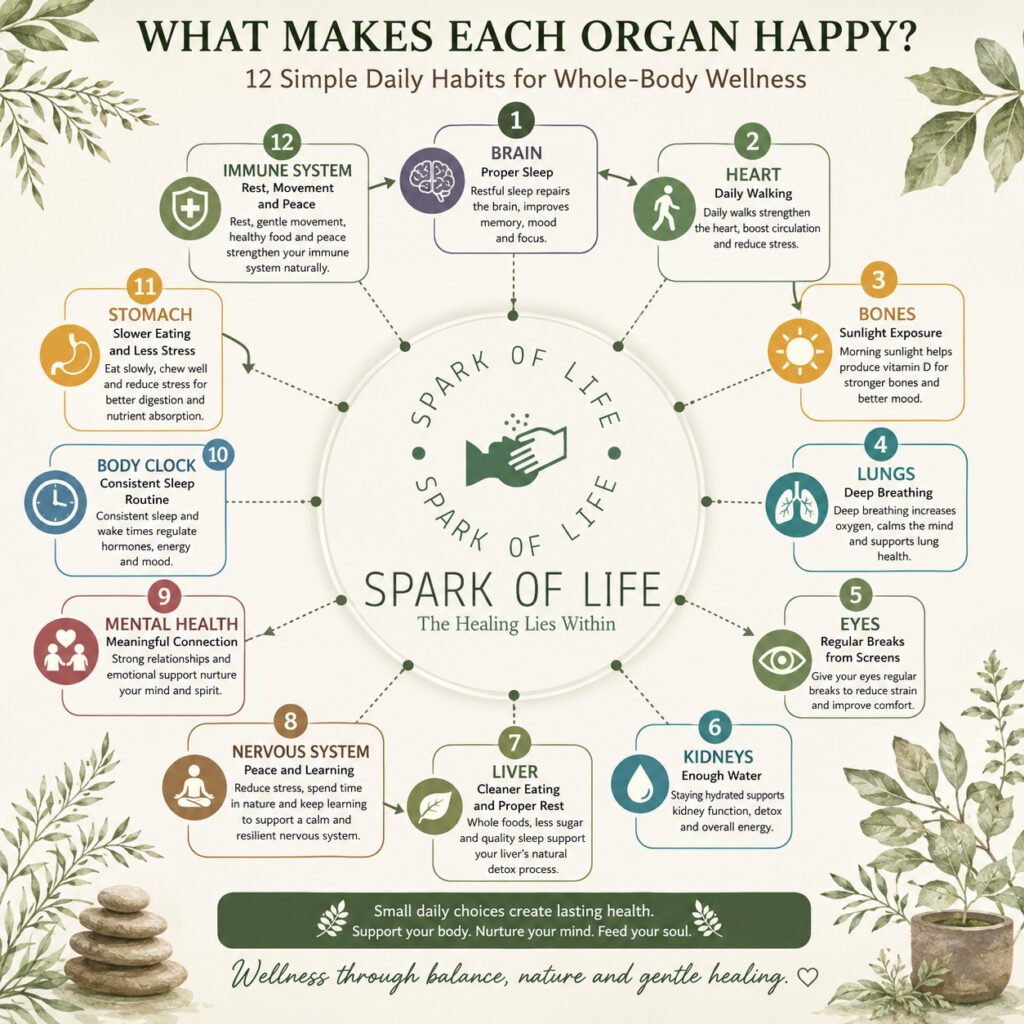
What Makes Each Organ Happy? Simple Daily Habits for Whole-Body Wellness
Optimal Health Starts with Everyday Choices
Many individuals think that achieving optimal health necessitates drastic lifestyle changes, rigid diets, or exhausting workout regimens. In truth, sustainable wellness is cultivated more subtly. It grows from the small decisions you make daily—such as the quality of your sleep, the nutritional value of your meals, the ways you stay active, the depth of your breathing, and your ability to manage stress effectively.
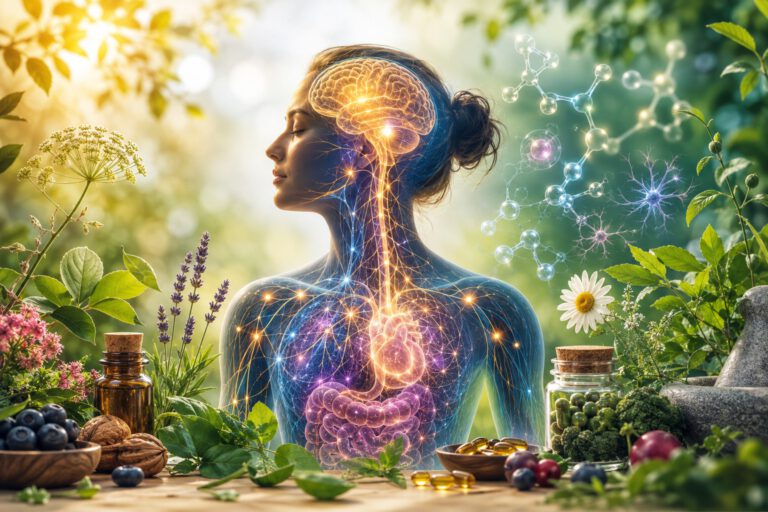
Your body is a remarkable system of interconnected organs that tirelessly work to sustain your life and health. Every heartbeat, breath, thought, and movement relies on these organs functioning in unison. When one system is compromised, others often compensate, highlighting the importance of maintaining balance throughout the body.
For thousands of years, Traditional Chinese Medicine (TCM) has recognized this interconnectedness. Instead of viewing organs as separate entities, TCM understands them as components of an integrated network linked by the flow of Qi (vital energy), blood, bodily fluids, and emotional health. A healthy body is one where these systems are balanced, enabling the body’s innate healing processes to operate optimally.
Contemporary medical research increasingly supports these principles. Studies continue to underscore the significance of quality sleep, consistent physical activity, stress management, nutritious eating, proper hydration, and social interaction in preventing chronic diseases and enhancing longevity.
At Spark of Life, we merge these age-old principles with modern insights to empower our clients in achieving enhanced health naturally. Through auricular acupuncture, the NADA AcuDetox Protocol, Traditional Chinese Medicine, and practical lifestyle advice, we assist in restoring balance so that the body can heal itself more efficiently.
The encouraging news is that improving your health doesn’t have to feel daunting. Small, consistent habits frequently yield the most significant long-term benefits.
Let’s delve into what keeps each organ thriving, explore major organs and body systems, and uncover simple strategies to support your health every day.
1. Your Brain Thrives on Quality Sleep

Your brain is among the most active organs in your body. Even during sleep, it never truly shuts down; instead, it performs some of its most critical functions.
During deep sleep, your brain:
- Organizes memories from the day.
- Processes emotions.
- Repairs nerve cells.
- Clears metabolic waste products.
- Regulates hormones.
- Restores mental energy.
- Enhances learning and concentration.
Without adequate sleep, these vital processes can falter. Insufficient sleep has been associated with diminished concentration, low mood, heightened anxiety, compromised immunity, weight gain, increased inflammation, and even a heightened risk of dementia in later life.
Modern lifestyles often disrupt healthy sleep patterns. Long work hours, the use of electronic devices, irregular routines, excessive caffeine consumption, and persistent stress keep many individuals awake long after their bodies signal a need for rest.
Ways to Enhance Brain Function
Implementing simple habits can greatly enhance sleep quality:
- Stick to consistent sleep and wake times.
- Limit screen time in the hour before bed.
- Ensure your bedroom is cool, dark, and quiet.
- Steer clear of heavy meals and caffeine in the evening.
- Create a soothing bedtime routine.
Insights from Traditional Chinese Medicine
In the framework of Traditional Chinese Medicine, restful sleep relies on the harmonious interplay between the Heart, Liver, and Kidneys. When Qi stagnates or the mind (referred to as the Shen) is unsettled, sleep disturbances frequently arise.
Auricular acupuncture is widely utilized to soothe the nervous system, alleviate emotional tension, and promote deeper, more restorative sleep. Many clients report feeling significantly more relaxed following treatment and discover it easier to establish healthier sleep patterns over time.
Quality sleep is not a luxury—it is one of the most impactful investments you can make in your physical and emotional wellbeing.
2. Your Heart Benefits from Daily Movement

Your heart beats over 100,000 times daily, often without acknowledgement. It pumps blood through roughly 100,000 kilometers of blood vessels, delivering oxygen and nutrients to every cell in your body.
Like any muscle, the heart strengthens with regular use.
Fortunately, promoting heart health does not necessitate intense workouts or costly gym memberships. Regular, moderate activity often yields more significant long-term benefits than infrequent, vigorous exercise.
A simple daily walk can:
- Enhance circulation.
- Lower blood pressure.
- Reduce cholesterol levels.
- Improve insulin sensitivity.
- Fortify the heart muscle.
- Boost energy levels.
- Decrease stress hormones.
- Enhance mental wellbeing.
Walking outdoors offers additional advantages. Exposure to fresh air, natural environments, and sunlight can further alleviate stress while enhancing mood and sleep quality.
Exercise’s Impact on Emotional Wellbeing
Engaging in physical activity triggers the release of endorphins and serotonin—natural chemicals that elevate mood and diminish anxiety. Just twenty to thirty minutes of walking daily can significantly enhance emotional health.
Insights from Traditional Chinese Medicine
Within Traditional Chinese Medicine, healthy movement facilitates the smooth circulation of Qi and Blood throughout the body. Qi stagnation may lead to discomfort, fatigue, emotional frustration, and poor circulation.
Gentle daily movement aids in preventing stagnation while nourishing both the Heart and Liver systems.
Auricular acupuncture can complement regular exercise by reducing stress, aiding recovery, improving sleep, and fostering overall balance within the nervous system.
The objective is not perfection; the goal is simply to keep moving. Your heart will appreciate every step.
3. Your Bones Thrive on Morning Sunlight
Strong, healthy bones form the foundation for an active and independent life. While many view bones as rigid structures, they are actually living tissues that continuously break down and rebuild throughout your life. This process relies on adequate nutrition, regular weight-bearing activity, hormonal balance, and one often-overlooked element—sunlight.
When exposed to sunlight, your skin naturally produces vitamin D. This vital nutrient enables the absorption of calcium and phosphorus, essential minerals for maintaining bone density and strength. Insufficient vitamin D can lead to weak and brittle bones, increasing the risk of fractures and osteoporosis.
Vitamin D also plays a role in:
- Healthy muscle function.
- Regulating the immune system.
- Reducing inflammation.
- Enhancing mood.
- Improving cognitive function.
Morning sunlight is especially beneficial as it helps regulate your circadian rhythm, the body’s internal clock. Exposure to natural light shortly after waking signals your brain to decrease melatonin production and increase alertness, boosting daytime energy and promoting better sleep later that evening.
Daily Practices for Strong Bones
Maintaining healthy bones requires more than just calcium supplements. Consider incorporating these daily habits:
- Spend 10 to 20 minutes outdoors in the morning whenever possible.
- Include calcium-rich foods like leafy greens, seeds, nuts, and dairy products if suitable.
- Engage in regular weight-bearing exercises such as walking, dancing, or light resistance training.
- Avoid smoking and excessive alcohol intake.
- Maintain a healthy body weight.
Insights from Traditional Chinese Medicine
In Traditional Chinese Medicine, the Kidneys govern the bones and store what is known as Jing, or Essence. Jing represents the body’s deepest reserves of vitality, playing a critical role in growth, development, aging, reproduction, and skeletal health.
Depletion of Kidney energy can lead to symptoms such as lower back discomfort, weak knees, reduced stamina, hearing issues, premature aging, or decreased bone strength.
Auricular acupuncture is often integrated with Traditional Chinese Medicine to support Kidney function, foster balance within the body’s energy systems, and promote overall vitality. Combined with healthy lifestyle choices, it offers a natural pathway to long-term wellbeing.
Healthy bones are built gradually through consistent care, and every sunrise presents another opportunity to strengthen them.
4. Your Lungs Flourish with Deep Breathing
Breathing is an automatic function most of us rarely contemplate—until it becomes a challenge. Yet each breath supplies oxygen to trillions of cells, expels carbon dioxide, regulates the nervous system, and influences both physical and emotional health.
Unfortunately, many individuals breathe too quickly or shallowly, especially under stress. Chest breathing, poor posture, prolonged sitting, and chronic anxiety all diminish lung efficiency and limit oxygen exchange.
Deep diaphragmatic breathing, in contrast, activates the body’s relaxation response.
Benefits include:
- Enhanced oxygen delivery throughout the body.
- Improved lung capacity.
- Lowered blood pressure.
- Reduced stress hormone levels.
- Better focus.
- Diminished anxiety.
- Improved sleep quality.
Just a few minutes of slow, mindful breathing each day can have a profound impact on both body and mind.
A Simple Breathing Exercise
Try this exercise once or twice daily:
- Sit comfortably with relaxed shoulders.
- Place one hand on your abdomen.
- Breathe slowly through your nose for four seconds.
- Allow your abdomen—not your chest—to expand.
- Pause briefly.
- Exhale gently through your mouth for six seconds.
- Repeat for five to ten minutes.
Many individuals notice an immediate sense of calm after just a few minutes.
Insights from Traditional Chinese Medicine
In Traditional Chinese Medicine, the Lungs govern Qi and are regarded as the “Master of Breath.” They play a significant role in the body’s defensive energy, aiding in protection against illness.
The Lungs are closely linked to the emotions of grief and sadness. Prolonged emotional stress can weaken Lung Qi, while healthy breathing, gentle exercise, and emotional release can restore balance.
Auricular acupuncture is commonly used to alleviate stress, calm the nervous system, and encourage deeper relaxation. Many clients describe feeling lighter, calmer, and more emotionally centered following treatment.
Each deep breath serves as a reminder to your body that it is safe, nourished, and alive.
5. Your Eyes Appreciate Regular Breaks
Our eyes evolved to scan wide landscapes, perceive varying distances, and engage with nature. modern life demands they perform quite differently.
Many of us find ourselves focusing for hours on phones, tablets, laptops, and televisions. This constant near work places significant strain on the eye muscles, often resulting in what is now termed digital eye strain or computer vision syndrome.
Common symptoms include:
- Dry or irritated eyes.
- Blurred vision.
- Headaches.
- Tension in the neck and shoulders.
- Difficulty focusing.
- Eye fatigue.
Although screens are now integral to daily life, simple habits can greatly reduce their negative effects.
The 20-20-20 Rule
Eye care specialists recommend adhering to the 20-20-20 rule.
Every 20 minutes:
- Look at something approximately 20 feet (6 meters) away.
- Maintain your gaze for at least 20 seconds.
This straightforward practice relaxes the eye muscles and diminishes fatigue.
Other beneficial habits include:
- Blink more frequently while using screens.
- Adjust screen brightness to comfortable levels.
- Position monitors slightly below eye level.
- Spend time outdoors each day.
- Ensure adequate lighting while reading or working.
Insights from Traditional Chinese Medicine
Traditional Chinese Medicine teaches that the Liver opens into the eyes. Healthy Liver Blood nourishes vision, while imbalances may lead to dry eyes, blurred vision, headaches, or eye fatigue.
Supporting Liver health through nutritious foods, quality sleep, stress management, and regular acupuncture treatments may enhance both vision and overall wellbeing.
Taking regular screen breaks is a small investment that your eyes will appreciate for years to come.
6. Your Kidneys Thrive on Adequate Hydration
Water is one of the simplest yet most powerful tools for sustaining health.
The average adult body comprises about 60 percent water, and virtually every organ relies on sufficient hydration to operate effectively.
Your kidneys work incessantly to:
- Filter waste products from the blood.
- Maintain electrolyte balance.
- Regulate blood pressure.
- Support the production of healthy red blood cells.
- Help control fluid levels throughout the body.
When you become dehydrated, even slightly, these functions become less efficient. Early signs of dehydration may include fatigue, headaches, poor concentration, constipation, and reduced physical performance.
Establishing Healthy Hydration Habits
Hydration needs fluctuate based on age, climate, activity levels, and overall health, but these straightforward guidelines can assist:
- Drink water consistently throughout the day instead of waiting until you feel very thirsty.
- Increase fluid intake during hot weather and exercise.
- Consume water-rich foods such as cucumbers, oranges, watermelon, tomatoes, and leafy greens.
- Limit sugary beverages and alcohol, which may contribute to dehydration.
A practical indicator of good hydration is pale straw-colored urine, although certain medications and foods can alter its appearance.
Insights from Traditional Chinese Medicine
The Kidneys hold a central role in Traditional Chinese Medicine. They store Jing (Essence), govern growth and aging, regulate water metabolism, and provide the foundational energy that supports every other organ system.
Since Kidney energy is regarded as precious, TCM emphasizes the importance of protecting it through sufficient rest, nutritious food, stress management, moderate exercise, and avoiding chronic overexertion.
Auricular acupuncture can be incorporated into a holistic treatment plan to help restore balance, alleviate stress, and support the body’s natural healing processes.
Clean water, healthy habits, and regular self-care empower your kidneys to perform one of the body’s most remarkable tasks.
7. Your Liver Thrives on Clean Nutrition and Sufficient Rest
Few organs work as diligently as your liver. Every day, it carries out hundreds of essential tasks that maintain your health, often without you even noticing.
The liver is responsible for:
- Processing nutrients from your food.
- Producing bile for healthy digestion.
- Storing vitamins and minerals.
- Regulating blood sugar levels.
- Metabolizing medications.
- Neutralizing toxins.
- Supporting hormone balance.
- Manufacturing vital proteins for blood clotting and immunity.
Because the liver operates continuously, it greatly benefits from healthy daily habits rather than sporadic “detox” efforts. While many commercial detox programs promise miraculous outcomes, your liver is already a highly efficient detoxification organ. What it requires most is the right environment to perform its functions.
Everyday Strategies to Support Liver Health
Healthy liver function begins with simple lifestyle choices.
- Consume a varied diet rich in vegetables, fruits, legumes, whole grains, nuts, and seeds.
- Opt for lean protein sources when appropriate.
- Reduce highly processed foods and excessive refined sugars.
- Limit alcohol intake.
- Maintain a healthy weight.
- Engage in regular physical activity.
- Prioritize quality sleep each night.
Quality sleep is especially crucial because many restorative processes take place while the body is at rest. Chronic sleep deprivation increases inflammation, disrupts metabolism, and places additional stress on the liver.
The Liver’s Role in Emotional Wellbeing
Traditional Chinese Medicine perceives the Liver differently than Western medicine does. It not only performs physical functions but also facilitates the smooth flow of Qi throughout the body.
When Liver Qi flows freely, individuals often feel:
- Calm.
- Motivated.
- Flexible.
- Patient.
- Emotionally balanced.
Conversely, stagnant Liver Qi may result in symptoms such as:
- Irritability.
- Mood swings.
- Frustration.
- Headaches.
- Muscle tension.
- Digestive discomfort.
- Premenstrual symptoms.
- Poor sleep.
Stress is one of the most common factors contributing to Liver Qi stagnation in modern life.
Auricular acupuncture is often utilized to promote relaxation, alleviate emotional tension, and restore the smooth flow of Qi. Many clients report enhanced emotional resilience, improved digestion, and greater overall health following regular treatments.
Caring for your liver is not about achieving perfection. It is about consistently making choices that empower this remarkable organ to fulfill its functions optimally.
8. Your Nervous System Thrives on Calm
The nervous system serves as the body’s communication network. Every sensation, movement, heartbeat, thought, emotion, and organ function relies on it.
One of its primary roles is to determine whether your body is in a safe environment.
When encountering danger, the sympathetic nervous system activates a “fight or flight” response. Your heart rate escalates, muscles tense, breathing quickens, and stress hormones prepare you for action.
This response is crucial during genuine emergencies.
The challenge arises when modern life keeps us in this heightened state for longer than necessary.
Work pressures, financial worries, constant digital notifications, poor sleep, relationship difficulties, and information overload all contribute to chronic stress. Over time, the nervous system may become trapped in survival mode.
This may lead to:
- Anxiety.
- Poor concentration.
- Fatigue.
- Muscle tension.
- Digestive issues.
- High blood pressure.
- Poor sleep.
- Emotional exhaustion.
- Reduced immune function.
Restoring Peace to the Nervous System
Fortunately, the nervous system displays remarkable adaptability.
Small daily practices can gradually help restore balance.
Helpful habits include:
- Spending time outdoors.
- Limiting unnecessary screen exposure.
- Engaging in mindfulness or meditation.
- Reading or learning something new.
- Gentle stretching or yoga.
- Listening to soothing music.
- Establishing healthy boundaries.
- Allowing guilt-free time for rest.
Learning new skills also benefits both the brain and nervous system by creating new neural pathways. Whether you’re learning a language, gardening, painting, or playing an instrument, lifelong learning fosters cognitive flexibility while mitigating stress.
The Benefits of Auricular Acupuncture
One reason auricular acupuncture has gained popularity is its profound impact on the autonomic nervous system.
The internationally recognized NADA AcuDetox Protocol has been utilized globally for decades to assist individuals dealing with stress, anxiety, emotional trauma, addiction recovery, and mental health challenges.
Gentle stimulation of specific points on the ear may help regulate the body’s stress response, encouraging the parasympathetic nervous system—the “rest and restore” system—to become more active.
Many clients describe experiencing deep relaxation during treatment, with benefits that often extend long after the session ends.
At Spark of Life, many individuals seek auricular acupuncture simply to feel calmer, improve sleep quality, enhance mental clarity, and regain balance in their busy lives.
Peace is not a luxury; it is a biological necessity.
9. Your Mental Health Thrives on Meaningful Connections
Human beings are inherently social creatures. While moments of solitude can be refreshing, prolonged isolation can adversely affect both mental and physical health.
Research consistently indicates that strong social relationships contribute to:
- Lower stress levels.
- Improved emotional resilience.
- Enhanced immune function.
- Reduced risk of depression.
- Better heart health.
- Increased longevity.
Feeling connected provides individuals with a sense of purpose, belonging, and emotional security.
Connection doesn’t necessarily require a large circle of friends. Often, a few trusted relationships offer the most significant benefits.
Meaningful connections may encompass:
- Spending quality time with family.
- Catching up with a close friend over coffee.
- Joining a community group.
- Volunteering.
- Engaging in a shared hobby.
- Participating in a support group.
- Openly discussing your feelings.
Even brief positive interactions can enhance mood and reduce feelings of loneliness.
Emotional Health and the Physical Body
Traditional Chinese Medicine has long recognized the deep connection between emotions and physical health.
Each organ system corresponds to specific emotional traits. For instance:
- The Heart relates to joy.
- The Liver to anger and frustration.
- The Lungs to grief.
- The Kidneys to fear.
- The Spleen to excessive worry.
This does not imply that emotions are detrimental. Each emotion serves a valuable purpose. Issues arise when emotions become prolonged, suppressed, or overwhelming, disrupting the body’s natural equilibrium.
Holistic therapies such as auricular acupuncture aim to foster both physical and emotional wellbeing simultaneously.
Many individuals report improvements not only in their symptoms but also in their overall sense of calm, resilience, and emotional clarity.
Strategies for Nurturing Mental Wellbeing
Supporting your mental health is not a sign of weakness; it is an investment in every aspect of your life.
Simple daily practices can create a meaningful impact:
- Prioritize quality sleep.
- Stay physically active.
- Consume nourishing foods.
- Spend time in nature.
- Practice gratitude.
- Limit unnecessary stress.
- Reach out for support when needed.
At Spark of Life, we understand that emotional wellness and physical health are intertwined. Our holistic approach recognizes that when the mind is calmer, the body often becomes better equipped to heal.
Sometimes, the most significant act of self-care is allowing yourself to slow down, connect with others, and accept support when necessary.
10. Your Body Clock Thrives on Consistency
Have you ever noticed that you naturally feel drowsy at specific times in the evening or tend to wake up just before your alarm goes off? This is your circadian rhythm—your body’s internal clock—functioning precisely as it should.
The circadian rhythm is a complex timing system that regulates nearly every major function in the body, including:
- Sleep and wake cycles.
- Hormone production.
- Body temperature.
- Digestion.
- Energy levels.
- Mental alertness.
- Immune function.
- Metabolism.
When your body clock is synchronized, these systems operate efficiently. irregular sleep patterns, shift work, frequent late nights, excessive exposure to artificial light, and inconsistent meal times can disrupt this natural rhythm.
Over time, this disruption may contribute to:
- Poor sleep quality.
- Daytime fatigue.
- Mood fluctuations.
- Reduced concentration.
- Weight gain.
- Digestive challenges.
- Weakened immunity.
- Increased stress levels.
Supporting Your Body’s Internal Clock
Fortunately, restoring a healthy circadian rhythm often starts with simple habits.
Consider these strategies:
- Go to bed and wake up at the same times each day, even on weekends.
- Expose yourself to natural morning sunlight.
- Minimize bright screen exposure before bedtime.
- Avoid heavy meals late at night.
- Establish a calming evening routine.
- Limit caffeine intake later in the day.
Consistency is more important than occasional perfection. Minor improvements maintained over time can yield remarkable outcomes.
Insights from Traditional Chinese Medicine
Traditional Chinese Medicine acknowledges that each organ system has peak energy periods throughout the day. This concept, often referred to as the Chinese Organ Clock, mirrors the cyclical movement of Qi through the body’s meridians.
While modern science and Traditional Chinese Medicine describe these rhythms differently, both recognize the importance of aligning daily routines with the body’s natural cycles.
When daily practices are in harmony with these rhythms, many people experience improved sleep, enhanced digestion, increased energy, and greater emotional stability.
Auricular acupuncture can further support healthy sleep patterns by calming the nervous system and helping the body return to its natural rhythm.
11. Your Stomach Thrives on Mindful Eating and Reduced Stress
Eating is much more than simply filling your stomach. Digestion is a carefully coordinated process involving the brain, nervous system, stomach, intestines, liver, pancreas, and numerous hormones and enzymes.
When you eat while rushing, working, driving, or feeling anxious, your digestive system cannot function optimally.
Many people encounter:
- Indigestion.
- Bloating.
- Heartburn.
- Gas.
- Poor nutrient absorption.
- Irregular bowel habits.
These symptoms are often exacerbated by stress.
The Impact of Stress on Digestion
When the body enters the fight-or-flight response, it naturally redirects blood flow away from the digestive organs toward the muscles and brain.
This is beneficial in emergencies but not during meals.
Eating in a calm, relaxed state activates the parasympathetic nervous system—commonly referred to as the “rest and digest” response—allowing digestion to occur more smoothly.
Healthy Eating Practices
Supporting your digestive system doesn’t require a complicated diet.
Simple practices include:
- Eat slowly.
- Thoroughly chew each bite.
- Avoid eating while distracted by phones or television.
- Sit comfortably during meals.
- Stop eating when you feel satisfied, not overly full.
- Opt for mostly whole, minimally processed foods.
- Drink enough water throughout the day.
These habits enable your digestive organs to operate with significantly less effort.
Insights from Traditional Chinese Medicine
Traditional Chinese Medicine regards the Stomach and Spleen as central to digestion and energy generation.
Food is transformed into Qi and Blood, nourishing every organ in the body.
When digestion is compromised, symptoms may include:
- Fatigue.
- Poor concentration.
- Bloating.
- Loose stools.
- Decreased appetite.
- A sensation of heaviness.
Emotional stress, irregular eating habits, excessive cold foods, and overeating can all hinder digestive function.
Auricular acupuncture is commonly employed alongside healthy lifestyle habits to promote relaxation, alleviate stress-related digestive symptoms, and encourage the body’s natural healing mechanisms.
Healthy digestion begins long before food reaches your stomach; it starts with slowing down.
12. Your Immune System Thrives on Rest, Movement, and Calm
Your immune system operates continuously to defend against bacteria, viruses, fungi, and other potentially harmful invaders. It also plays a crucial role in tissue repair, healing, and maintaining overall health.
Contrary to common belief, a healthy immune system is not merely about “boosting” immunity. Instead, it focuses on achieving balance.
An overactive immune response may lead to allergies and autoimmune conditions, while an underactive immune system can heighten susceptibility to infections.
Maintaining balance is paramount.
Daily Practices That Enhance Immunity
Many of the same healthy habits that benefit other organs also strengthen your immune system.
These practices include:
- Getting enough sleep.
- Eating a diverse, nutrient-rich diet.
- Staying adequately hydrated.
- Engaging in regular exercise.
- Managing stress effectively.
- Spending time outdoors.
- Maintaining a healthy body weight.
- Avoiding smoking.
- Limiting excessive alcohol consumption.
- Building strong social connections.
No single food, vitamin, or supplement can substitute for these fundamental lifestyle practices.
The Connection Between Stress and Immune Function
Chronic stress poses one of the most significant threats to the immune system.
Persistent elevation of stress hormones can diminish the body’s ability to respond effectively to infections while increasing inflammation throughout the body.
This explains why many individuals fall ill following prolonged periods of stress or emotional exhaustion.
By supporting emotional wellbeing, ensuring quality sleep, and regulating the nervous system, you also bolster your immune resilience.
Insights from Traditional Chinese Medicine
Traditional Chinese Medicine describes the body’s protective energy as Wei Qi.
Wei Qi acts as the body’s first line of defense against external pathogens while helping maintain internal balance.
Healthy Wei Qi relies on the harmonious functioning of several organ systems, particularly the Lungs, Spleen, and Kidneys.
Rather than addressing individual symptoms in isolation, Traditional Chinese Medicine aims to enhance the body’s intrinsic capacity to maintain health.
Auricular acupuncture supports this philosophy by promoting relaxation, enhancing stress resilience, and aiding the body’s natural regulatory processes.
When your body feels rested, nourished, hydrated, emotionally supported, and balanced, your immune system is better equipped to perform its remarkable functions.
The Holistic Wisdom of Traditional Chinese Medicine: Treating the Whole Individual
One of the greatest strengths of Traditional Chinese Medicine is its holistic understanding of health. Instead of concentrating solely on a single symptom or organ, TCM recognizes that every system in the body influences others.
A disrupted night’s sleep may affect digestion. Chronic stress can impact the liver, heart, and immune system. Poor digestion can reduce energy levels, consequently affecting mental clarity and emotional wellbeing.
Everything is interconnected.
This holistic philosophy closely aligns with modern scientific understanding of the connections between lifestyle, stress, inflammation, hormonal balance, and chronic disease.
At the core of Traditional Chinese Medicine is the concept of Qi—the vital energy that animates every function within the body. Qi circulates through pathways known as meridians, nourishing the organs and maintaining harmony.
When Qi flows freely, health is supported. When it becomes deficient, stagnant, or unbalanced, symptoms may gradually arise.
The purpose of acupuncture is not solely to alleviate discomfort but to restore balance, enabling the body’s own healing mechanisms to operate more effectively.
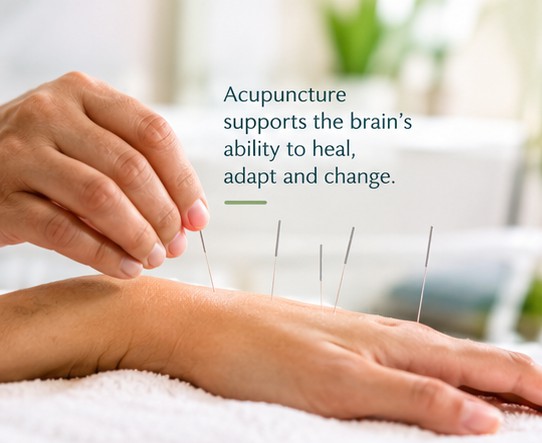
Auricular acupuncture offers a particularly gentle yet powerful means of influencing this balance. By stimulating specific points on the ear, practitioners aim to calm the nervous system, regulate Qi flow, diminish stress, and support both physical and emotional wellbeing.
Many clients choose regular treatments not because they are seriously ill, but because they wish to maintain their health, enhance resilience, sleep more soundly, think more clearly, and improve their quality of life.
This proactive approach embodies one of the oldest principles of Traditional Chinese Medicine: maintaining health is always preferable to treating disease after it arises.
How Auricular Acupuncture Fosters Whole-Body Wellness
Healthy living is built upon the everyday habits discussed throughout this article. Consuming nourishing food, getting adequate sleep, exercising regularly, staying hydrated, managing stress, and fostering meaningful relationships all contribute to improved physical and emotional health.
Our bodies sometimes require a little extra support.
Stress accumulates. Sleep becomes disrupted. Emotional challenges surface. Chronic pain arises. Energy levels wane. During these times, holistic therapies can help restore balance and encourage the body’s own healing processes.
At Spark of Life, auricular acupuncture plays a crucial role in this holistic approach to wellness.
What Is Auricular Acupuncture?
Auricular acupuncture is a specialized branch of Traditional Chinese Medicine that involves stimulating carefully selected points on the outer ear. The ear is home to hundreds of recognized acupuncture points that correspond to various organs, body systems, and neurological pathways.
Due to its rich supply of nerves, including branches of the vagus nerve, gentle stimulation of these points can influence the autonomic nervous system and support the body’s natural regulatory mechanisms.
Auricular acupuncture has been effectively utilized worldwide to complement conventional healthcare and assist individuals facing a range of physical and emotional challenges.
The NADA AcuDetox Protocol
One of the most widely recognized auricular acupuncture treatments is the NADA AcuDetox Protocol.
Originally developed to support addiction recovery programs, this protocol is now implemented globally in hospitals, community clinics, mental health programs, disaster response initiatives, correctional facilities, and private practices.
The protocol consists of five carefully selected acupuncture points in each ear that work in concert to help:
- Calm the nervous system.
- Reduce stress and anxiety.
- Promote emotional balance.
- Enhance sleep quality.
- Support addiction recovery.
- Boost resilience during challenging life circumstances.
- Encourage deep relaxation.
One of the strengths of the NADA protocol is its simplicity. Treatments are gentle, non-verbal, and suitable for a wide range of individuals seeking support during times of physical or emotional stress.
At Spark of Life, auricular acupuncture is employed not only to address specific health concerns but also to promote overall wellbeing and assist clients in maintaining a healthier balance in their daily lives.
Enhancing the Body’s Natural Healing Capability
Traditional Chinese Medicine teaches that the body is always striving for balance.
Rather than imposing healing, acupuncture encourages the body’s own regulatory systems to function more effectively.
Many clients report advantages such as:
- Feeling calmer and more relaxed.
- Experiencing deeper sleep.
- Achieving improved mental clarity.
- Reducing feelings of overwhelm.
- Enhancing emotional resilience.
- Increasing energy levels.
- Attaining greater overall wellbeing.
While each individual’s experience is unique, regular treatments combined with healthy lifestyle habits typically yield the most substantial long-term benefits.
Implementing Healthy Habits
Reading about healthy living is valuable, but lasting change comes through consistent action.
You don’t need to overhaul your entire lifestyle overnight.
Instead, focus on one or two habits each week.
Perhaps you will:
- Go to bed thirty minutes earlier.
- Take a walk around your neighborhood after dinner.
- Drink an extra glass of water daily.
- Spend ten minutes outdoors in the morning sunlight.
- Practice deep breathing before work.
- Enjoy one meal each day without distractions.
- Schedule time to meet a friend.
- Book an acupuncture appointment to support your wellness journey.
Small actions may seem trivial at first, but they accumulate over weeks, months, and years.
Your body acknowledges every positive choice you make.
Wellness Is a Lifelong Journey
There is no endpoint when it comes to health and what makes each organ happy.
Every life stage presents new opportunities and challenges. The aim is not perfection but balance.
Some days will be easier than others. There will be times when life becomes hectic, stressful, or unpredictable. During those moments, return to the fundamentals.
Prioritize sleep.
Nourish your body with wholesome food.
Stay active.
Practice deep breathing.
Spend time in nature.
Connect with loved ones.
Allow yourself time to rest.
Seek support when necessary.
These straightforward practices have proven effective over time because they work.
When combined with the wisdom of Traditional Chinese Medicine and the gentle support of auricular acupuncture, they create a solid foundation for lifelong health.
Experience the Spark of Life Difference
At Spark of Life, we believe that true wellness is achieved by treating the individual as a whole rather than merely addressing isolated symptoms.
Our holistic approach integrates Traditional Chinese Medicine principles with auricular acupuncture, the internationally recognized NADA AcuDetox Protocol, and personalized care to help restore balance throughout the body.
Whether you are facing stress, anxiety, poor sleep, emotional exhaustion, chronic discomfort, or simply wish to enhance your overall wellbeing, we are here to assist you on your journey toward better health.
Each treatment is designed to work in harmony with your body’s remarkable capacity to heal itself naturally.
If you’re ready to experience the benefits of holistic healthcare, we invite you to schedule an appointment and discover how acupuncture can help you feel healthier, calmer, and more energized.
Your body works tirelessly for you every day.
Provide it with the care, kindness, and attention it deserves.
Schedule Your Appointment Today
Take the next step toward improved health with professional auricular acupuncture and holistic wellness care at Spark of Life.
Together, we can help you restore balance, enhance resilience, and support your body’s natural healing ability—one treatment and one healthy habit at a time.
Frequently Asked Questions
What keeps each organ happy and healthy?
Every organ has specific requirements, but they all benefit from the same foundational healthy lifestyle principles: quality sleep, regular physical activity, nutritious whole foods, adequate hydration, stress management, meaningful social connections, and consistent daily routines. When these habits are practiced consistently, they help the body function efficiently and maintain long-term health.
Can acupuncture enhance organ health?
Acupuncture is utilized to support the body’s natural healing processes by promoting balance within the nervous system and facilitating the smooth flow of Qi (vital energy), according to Traditional Chinese Medicine (TCM). Although acupuncture is not a cure for organ disease, many individuals incorporate it alongside conventional healthcare to manage stress, improve sleep, alleviate pain, support digestion, and enhance overall wellbeing.
What is auricular acupuncture?
Auricular acupuncture is a specialized form of acupuncture that involves stimulating specific points on the outer ear. In Traditional Chinese Medicine, these points correspond to various organs and body systems. Modern research also indicates that stimulating certain ear points may influence the nervous system, promoting relaxation and supporting the body’s natural regulatory functions.
What is the NADA AcuDetox Protocol?
The NADA AcuDetox Protocol is a standardized five-point auricular acupuncture treatment developed by the National Acupuncture Detoxification Association (NADA). It is used globally to support individuals experiencing stress, anxiety, emotional trauma, addiction recovery, behavioral health challenges, and mental wellbeing. The protocol is valued for its simplicity, safety, and ability to promote relaxation and emotional balance.
Can acupuncture help alleviate stress and anxiety?
Numerous individuals report feeling calmer and more relaxed after acupuncture treatments. Research suggests that acupuncture may assist in regulating the autonomic nervous system, reducing stress hormones, and encouraging the body’s natural relaxation response. At Spark of Life, auricular acupuncture is frequently employed to support stress management and emotional wellbeing as part of a holistic health approach.
How often should I undergo acupuncture treatments?
The frequency of treatment depends on your personal health objectives and circumstances. Some individuals benefit from weekly sessions during periods of stress or recovery, while others opt for monthly maintenance treatments to support their ongoing wellbeing. Your practitioner will recommend a treatment plan tailored to your needs.
Can acupuncture improve sleep quality?
Many clients seek acupuncture to address sleep difficulties. By calming the nervous system and reducing stress, acupuncture may help individuals achieve deeper, more restorative sleep. Enhanced sleep can also positively impact mood, concentration, energy levels, and immune function.
Is acupuncture safe?
When conducted by a qualified practitioner using sterile, single-use needles, acupuncture is generally regarded as very safe. Most individuals experience little or no discomfort during treatment, and serious adverse effects are uncommon when proper clinical standards are maintained.
Does Traditional Chinese Medicine address the whole person?
Yes. A core principle of Traditional Chinese Medicine is treating the whole individual rather than focusing solely on isolated symptoms. TCM considers physical health, emotional wellbeing, lifestyle, diet, sleep, and environmental factors when developing a treatment approach, aiming to restore balance throughout the body.
What lifestyle habits promote long-term health?
Some of the most effective habits include:
- Getting sufficient quality sleep.
- Walking or exercising regularly.
- Eating a balanced, whole-food diet.
- Drinking enough water.
- Effectively managing stress.
- Spending time outdoors.
- Maintaining meaningful connections.
- Following a consistent daily routine.
- Seeking professional healthcare when necessary.
These simple habits, when practiced consistently, establish a strong foundation for lifelong health and wellbeing.
References
The following organizations and publications provide reliable, evidence-based information regarding what keeps each organ happy and healthy through healthy lifestyle habits, acupuncture, Traditional Chinese Medicine, sleep, exercise, hydration, and holistic wellbeing.
General Health and Lifestyle
- World Health Organization (WHO). Health Promotion.
https://www.who.int/health-topics/health-promotion - World Health Organization (WHO). Physical Activity.
https://www.who.int/news-room/fact-sheets/detail/physical-activity - World Health Organization (WHO). Healthy Diet.
https://www.who.int/news-room/fact-sheets/detail/healthy-diet
Sleep
- National Sleep Foundation.
https://www.thensf.org - American Academy of Sleep Medicine.
https://aasm.org
Nutrition
- Harvard T.H. Chan School of Public Health – The Nutrition Source.
https://www.hsph.harvard.edu/nutritionsource/
Exercise
- American Heart Association – Physical Activity Guidelines.
https://www.heart.org
Mental Health
- World Health Organization – Mental Health.
https://www.who.int/health-topics/mental-health
Hydration
- Mayo Clinic – Water: How Much Should You Drink Every Day?
https://www.mayoclinic.org
Traditional Chinese Medicine and Acupuncture
- World Health Organization – Traditional, Complementary and Integrative Medicine.
https://www.who.int/health-topics/traditional-complementary-and-integrative-medicine - National Center for Complementary and Integrative Health (NCCIH) – Acupuncture.
https://www.nccih.nih.gov/health/acupuncture-what-you-need-to-know
NADA AcuDetox Protocol
- National Acupuncture Detoxification Association (NADA).
https://acudetox.com - NADA South Africa.
https://www.acudetox.org.za - AcuDetox Cape Town
https://www.acudetoxcapetown.co.za
Wellness through balance, nature, and gentle healing. Disclaimer: This article is intended for educational and informational purposes only and should not be considered medical advice. Acupuncture and Traditional Chinese Medicine are complementary healthcare approaches and should not replace diagnosis or treatment by a qualified medical practitioner. If you have concerns about your health or experience persistent symptoms, consult your healthcare provider.

I appreciate this perspective on health, particularly the idea that optimal wellness stems from daily choices rather than sweeping changes. I’ve found that small adjustments—like prioritizing my evening routine for better sleep or taking short, mindful breaks during the day—have made a significant difference in my overall well-being.
You’ve really captured an essential part of the wellness journey—those small, consistent choices can create a ripple effect in our lives. It sounds like your evening routine has become a key anchor for you. Sleep is such a crucial element of health that often gets overlooked. Many people underestimate how much a few adjustments, like winding down with a book or practicing some gentle stretches, can cultivate a more restful night’s sleep.
I really appreciate how you highlighted the importance of small everyday choices in achieving optimal health. It’s so easy to get caught up in the idea that we need to overhaul our lives completely to make a difference. I remember when I first started my wellness journey, I focused on making one small change at a time, like drinking more water or incorporating a short daily walk into my routine. Those little adjustments gradually added up and made a huge impact over time.
I appreciate your perspective on how optimal health is truly about those daily choices rather than an overhaul of one’s lifestyle. It resonates with me, especially during a time when quick fixes and fad diets seem to dominate health conversations. I’ve found that focusing on small, manageable habits—like taking a few moments to meditate in the morning or prioritizing whole foods in my meals—can create significant changes over time without the overwhelm.
Your insights into the subtlety of achieving optimal health resonate deeply with me, particularly as someone who has navigated the often-overwhelming landscape of wellness trends. The emphasis on daily choices rather than radical overhauls strikes a chord, especially in a society that often promotes extremism in dieting and fitness routines. I remember when I first started my health journey; I felt compelled to commit to a strict regimen that left little room for enjoyment or flexibility. It wasn’t until I shifted my focus to those small, manageable changes, that I truly began to see a difference—both physically and mentally.
I found your insights on the subtle yet profound impact of everyday choices on our overall health quite enlightening. It’s so easy to fall into the trap of thinking that significant changes are needed to achieve wellness, often leading to frustration when these efforts yield minimal results or feel unsustainable. The idea that optimal health can be fostered through smaller, intentional decisions resonates deeply with my own experiences.
Your insights on the subtlety of achieving optimal health resonate with me, particularly the emphasis on small, daily choices. In my own journey toward better health, I’ve found that the integration of mind, body, and spirit is crucial. For example, my morning routine has evolved to prioritize not just physical activity but also mental clarity through practices like meditation and mindful breathing.
I really appreciate this perspective on health—it reminds me how often we get caught up in the idea that wellness has to be this monumental undertaking, when in reality, it’s frequently about the small shifts we can make in our daily routines. For me, it was a journey of recognizing that self-care isn’t just about indulging in occasional spa days or splurging on fancy health supplements. It’s much more nuanced and often involves the basics we tend to overlook, like making sure we drink enough water throughout the day or finding simple ways to incorporate more movement into our routines.
Your post raises an important point about the often-overlooked idea that small, consistent choices lead to long-term health benefits. However, I wonder if there’s a risk of oversimplifying this concept. In many cases, daily decisions about health can also be influenced by external factors like socio-economic status, access to resources, and cultural beliefs regarding food and exercise.
You’ve touched on a crucial aspect of health that a lot of folks tend to overlook—the idea that wellness is built on those small, everyday choices. I used to think that I needed to overhaul my entire routine to see meaningful changes. It felt overwhelming to ditch everything I loved and commit to a rigid new lifestyle. However, I slowly realized that it’s the little habits that really stack up over time.
I really appreciate how you’ve highlighted the importance of our everyday choices when it comes to health. It’s so easy to get caught up in the idea that we need to overhaul our lives completely to make a difference, but seeing health as a product of small, consistent decisions is refreshing. Just recently, I started focusing on my nightly routine—something that I hadn’t thought much about before. I used to scroll through my phone right before bed, but now I set it aside and dedicate that time to relaxation, like reading or meditative breathing. The impact on my sleep quality has been remarkable.
Your insights on the connection between everyday choices and optimal health truly resonate with me. It’s so easy to get caught up in the hustle of modern life and think that significant changes are needed to make a real difference. I’ve found that even simple adjustments, like prioritizing a consistent sleep schedule or taking short walks throughout the day, can have profound effects on my overall well-being.
This perspective on optimal health resonates deeply with me, particularly the emphasis on everyday choices rather than monumental lifestyle shifts. I’ve found that small, intentional changes—like prioritizing a good night’s sleep and incorporating more whole foods into my diet—have led to significant improvements in my overall well-being.
I really resonate with your perspective on the importance of everyday choices in achieving optimal health. It’s fascinating how small adjustments, like mindfulness in our breathing or prioritizing quality sleep, can have a profound impact on our overall well-being. I’ve personally found that incorporating short moments of meditation into my daily routine not only helps manage stress but also improves my focus throughout the day.
I really resonate with the idea that optimal health comes from those small, daily choices rather than massive overhauls. It reminds me of how I started paying attention to just one thing at a time—like swapping out sugary snacks for fruits. That little change not only made me feel better physically, but it also encouraged me to explore other healthy swaps.
You hit the nail on the head! Those tiny victories, like ditching the sugary snacks for fruits, can be game-changers. It’s funny how our taste buds can suddenly become tiny adventure-seekers, craving new flavor experiences. I used to swap out potato chips for air-popped popcorn, and who knew I’d get excited about seasoning it like a chef?
Your exploration of optimal health as a product of daily choices resonates deeply with me, particularly in our often fast-paced world, where the emphasis on quick fixes can overshadow the value of simplicity and consistency in healthful living. It’s interesting to reflect on how our culture has increasingly gravitated towards immediate results, whether through diet fads or intense workout challenges, sometimes overlooking the profound impact of nurturing our daily habits.
I really appreciate your perspective on the importance of small, daily choices in our journey toward optimal health. It resonates with my own experiences, especially as I’ve realized how impactful seemingly minor changes can be. For example, I’ve started prioritizing my sleep hygiene, and I’ve noticed that it not only enhances my mood but also boosts my productivity during the day. It’s fascinating to think about how intertwined our various health aspects are, much like the principles of Traditional Chinese Medicine that you mentioned.
I really resonate with the idea that optimal health is built on those everyday choices rather than sweeping changes. I’ve found that incorporating small habits, like taking a few minutes for deep breathing each day or prioritizing my sleep, has made a big impact on my overall wellbeing. It’s fascinating how our bodies seek balance—like how when I’m stressed, I notice my digestion seems off, which really highlights that interconnectedness you mentioned.
Your exploration of how optimal health is rooted in our daily choices resonates deeply with me. It’s easy to get overwhelmed by the idea of needing to overhaul our lives, especially with the constant barrage of health trends touting quick fixes. I’ve found that the most sustainable changes often come from making incremental improvements rather than drastic shifts.
You’ve touched on a vital and often overlooked aspect of health in your post—how our daily choices contribute to our overall wellness. I’ve found that the journey toward optimal health can indeed feel overwhelming when we consider the array of “quick fixes” and trendy diets that dominate popular discourse. It’s refreshing to be reminded that cultivating health is often about those small, consistent choices rather than radical shifts.
I appreciate how you emphasize the importance of small, everyday choices in achieving optimal health. It’s fascinating to reflect on how these seemingly minor decisions can create a ripple effect in our well-being. For instance, I’ve found that prioritizing a few minutes of deep breathing each morning not only sets a positive tone for my day but also helps manage stress in the long run.
It’s so true that small daily choices can accumulate into significant health changes! I’ve found that focusing on the quality of my sleep made a huge difference in my overall well-being. It’s fascinating how much more I can handle in terms of stress and activity when I prioritize getting enough rest.
I really appreciate how you’ve highlighted the importance of everyday choices in achieving optimal health. It’s true that sometimes we get caught up in the idea of drastic changes or quick fixes, often influenced by trends in social media or diet fads. But when I reflect on my own journey toward better health, it’s those small, seemingly insignificant decisions that have made the biggest impact over time.
Your emphasis on the importance of small daily choices in achieving optimal health resonates deeply with me. I’ve found that integrating mindfulness into my daily routine has significantly improved my well-being. For example, taking just a few minutes each morning for deep breathing exercises not only calms my mind but also sets a positive tone for the day.