
Book Appointment Now

Sciatica Pain Relief Solutions
Understanding Sciatica: A Comprehensive Overview
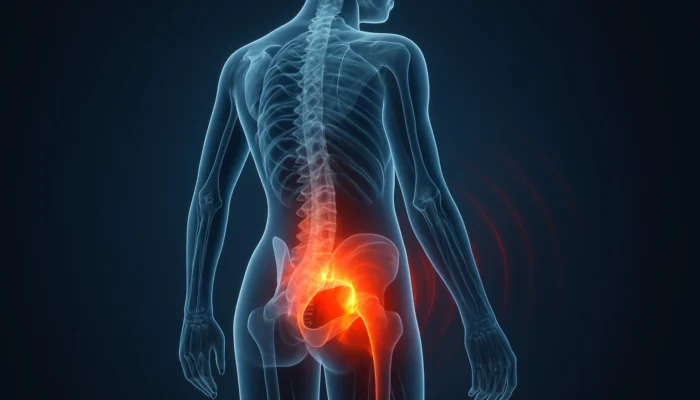
Sciatica is not a standalone condition; rather, it is a symptom indicating an underlying issue that affects the sciatic nerve, which is the longest nerve in the human body. This nerve originates from the lower back, extends through the hips and buttocks, and travels down each leg. When the sciatic nerve becomes irritated or compressed, it can lead to debilitating pain, numbness, or tingling sensations that significantly hinder everyday activities. If you are facing challenges due to sciatica, remember that you are not alone—statistics show that nearly 40% of individuals will experience sciatica at some point in their lives, highlighting its prevalence and the importance of understanding this condition.
Identifying the Key Factors Behind Sciatica Pain
Understanding the source of sciatica pain is essential for effective management and relief. The discomfort associated with sciatica arises from pressure or irritation on the sciatic nerve, and several common factors can contribute to this condition:
- Herniated Disc: A slipped or bulging disc in your spine can press against the nerve, causing pain.
- Spinal Stenosis: This condition involves the narrowing of the spinal canal, which can put pressure on the nerve roots.
- Piriformis Syndrome: The piriformis muscle, located in the buttocks, can irritate the sciatic nerve when it becomes tight or spasms.
- Bone Spurs: These overgrowths on the vertebrae can pinch the sciatic nerve, leading to discomfort.
- Injury or Lifestyle Factors: Poor posture, heavy lifting, and prolonged periods of sitting can contribute to nerve compression.
Recognising the root cause is crucial for finding effective relief; this is where professional help, such as the team at Spark of Life, can provide valuable assistance.
Recognising the Common Symptoms of Sciatica
The experience of sciatica can vary widely among individuals, but there are several hallmark symptoms that many share, including:
- Intense or burning pain that may radiate from the lower back through the buttocks and down one leg.
- Numbness or tingling sensations in the affected leg or foot, which can disrupt daily activities.
- Muscle weakness in the leg that may hinder mobility and balance.
- Increased pain during movement, coughing, or extended periods of sitting, making it difficult to find comfortable positions.
If you recognise these symptoms, it is essential to take action—relief could be just a consultation away, and timely intervention can prevent the condition from worsening.
Effective Home Remedies to Alleviate Sciatica Pain
 While seeking professional treatment is often necessary for lasting relief, there are several effective home remedies that can help ease sciatica pain. Here are some practical approaches to consider:
1. Flat-Footed Squats for Strengthening
This gentle yet effective exercise focuses on strengthening your lower back and core without placing strain on the sciatic nerve. Here’s how to perform it:
- Begin by standing with your feet shoulder-width apart and your toes pointing slightly outward.
- Maintain a straight back and keep your chest lifted throughout the movement.
- Slowly lower your hips as if you are sitting back into a chair, ensuring your feet remain flat on the ground.
- Hold this position for a few seconds before returning to a standing position. Aim to repeat this exercise 10 times.
Note: If you experience any pain during this exercise, stop immediately and consult a healthcare professional for personalised guidance.
2. Gentle Stretching Techniques
Consider incorporating a knee-to-chest stretch into your routine: lie on your back, pull one knee toward your chest, hold the position for 20-30 seconds, and then switch legs. This simple stretch can help relieve tension in the lower back.
3. Utilising Heat or Cold Therapy
Applying a cold pack for approximately 20 minutes can help reduce inflammation, while using a heating pad can assist in relaxing tight muscles. Alternating between heat and cold can provide added relief and comfort.
4. Staying Active with Light Movement
Engaging in short walks or light movements can help prevent stiffness and improve circulation. However, it’s crucial to avoid overexerting yourself and listen to your body’s signals.
Comprehensive Treatment Options for Sciatic Pain
For those seeking lasting relief, professional care is often the most effective approach. At Spark of Life, we provide tailored solutions that address the root causes of sciatica:
- Chiropractic Care: Our chiropractic services focus on realigning your spine, which can effectively relieve pressure on the nerve.
- Physiotherapy: Our expert physiotherapists will guide you through personalized exercises that strengthen muscles and enhance mobility.
- Massage Therapy: Targeted massage techniques can alleviate tension in the piriformis and surrounding muscles, offering much-needed relief.
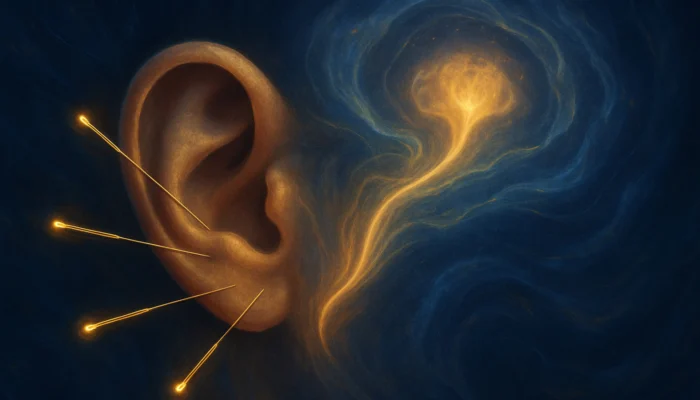
- Auricular Acupuncture: This specialised technique targets specific points on the ear to alleviate sciatic pain and reduce inflammation. By stimulating these areas, it promotes natural healing and balances the body’s energy. We incorporate auricular acupuncture into your treatment plan for comprehensive relief.
- Holistic Approaches: We create personalised treatment plans that cater to your unique needs, ensuring a comprehensive approach to your health.
Why continue to suffer longer than necessary? The dedicated team at Spark of Life in Meadowridge, Cape Town is ready to assist you in reclaiming your comfort and freedom from pain.
Empower Yourself to Seek Relief Today
Sciatica should not dictate the quality of your life. Whether you choose to start with simple home remedies like flat-footed squats or opt for professional care, know that effective relief is within reach. At Spark of Life, our expert team is prepared to diagnose the underlying cause of your sciatica and design a treatment plan specifically for you. Don’t hesitate—book a consultation today and take the crucial first step towards a pain-free tomorrow!
Valuable Resources for Further Understanding Sciatica
To gain more insights into sciatica and its effective management, consider exploring these trusted resources:
- Mayo Clinic: Sciatica Symptoms and Causes – A comprehensive overview of sciatica, including its causes and symptoms.
- WebMD: What Is Sciatica? – Detailed explanation of sciatica pain and common triggers.
- Healthline: Sciatica Exercises and Stretches – Home remedies and exercises, including beneficial stretches for relief.
- Spine-Health: Sciatica Treatment Options – An overview of professional treatments and therapies available for sciatic pain.
- Spark of Life: Acupuncture – Discover more about personalized solutions for sciatica management in South Africa.

Thank you for shedding light on sciatica and its complexities. I can personally relate to this, as I experienced severe sciatica pain a few years ago, which made even simple activities feel daunting. I had no idea that the sciatic nerve was so extensive and crucial until I faced those challenges myself. The statistics you shared about its prevalence are eye-opening; it makes me think about how often we overlook our back health in our daily lives.
It’s interesting how personal experiences like yours can really change our understanding of something we take for granted, like back health. Sciatica can make even the simplest things feel incredibly challenging, doesn’t it? Many people don’t realize the impact that nerve can have until they experience pain firsthand.
It’s fascinating to consider how sciatica, while often treated as a singular issue, underscores the complexity of our body’s interconnected systems. I’ve experienced sciatica firsthand, and it did make me rethink my daily habits—like how I sit or lift things. The point about its prevalence is crucial; with nearly 40% of people affected, it’s clear that public awareness and education around the underlying causes are vital.
You bring up an important aspect of sciatica that often gets lost in the conversation: the body’s interconnected systems. It’s easy to think of sciatica as just a pain in the back or leg, but when you experience it, you start to notice how everything is linked—muscle tension, posture, and even stress levels can all play a part.
You really hit the nail on the head about the body’s interconnected systems when it comes to sciatica. It’s true that we often focus on the pain itself and overlook how mind-body connections can influence our experience. I’ve noticed that during times of stress or when I’m not paying attention to my posture, the discomfort tends to flare up more. It’s like the body is reminding me to be mindful.
It’s interesting how our bodies really do send us signals when things are off balance, isn’t it? Stress can create those tight knots that lead to pain, and being aware of our posture can make a huge difference. I often catch myself slumping when I’m deep into work or feeling stressed. It’s one of those moments where I have to remind myself to take a step back.
You’ve touched on an important point with your experience of sciatica. It’s true that many people perceive it as just a singular issue when, in reality, it’s a reflection of how intricately our body systems work together. When you felt those symptoms, it likely prompted a closer examination of your lifestyle choices. Adjusting how you sit, lift, and even move throughout your day can have a significant impact—not just on sciatica, but on overall musculoskeletal health.
You bring up an essential point about how interconnected our body systems are. When I first experienced sciatica, it was an eye-opener for sure. I had always thought of aches and pains as isolated incidents, but that experience nudged me into more holistic thinking about my health. It made me really evaluate not just my physical habits but also my overall lifestyle choices.
This overview of sciatica really resonates with me, especially understanding that it is not just a condition in itself, but rather a symptom of an underlying issue. The complexity of the sciatic nerve and its role in our bodies is something that I think is often overlooked. When I first experienced sciatica several years ago, it felt isolating at times—certainly I was not alone, as your statistics suggest, but knowing that helped little when I was in the midst of the pain.
You bring up a crucial point about sciatica being more than just a standalone condition; it often signals deeper issues that can vary significantly from person to person. It’s fascinating—and a bit frustrating—how the sciatic nerve can be a kind of barometer for our overall spinal health. Your experiences highlight something many people struggle with: the isolation that comes with chronic pain. Even when you’re aware that others share similar struggles, it can feel very personal and almost like a solitary battle.
It’s interesting to see how sciatica is often misunderstood as just a painful condition, rather than a symptom of underlying issues. I personally experienced sciatica after a herniated disc, which made me realize the importance of addressing the root causes rather than just managing the pain. It’s fascinating to note that physical therapy and targeted exercises can often provide significant relief, which calls for a holistic approach to treatment.
It’s great to hear about your journey with sciatica and the realization you’ve come to. It’s true that many people see sciatica simply as pain without connecting it to the underlying issues. A herniated disc can be incredibly challenging, and it sounds like you’ve navigated that path thoughtfully.
You’ve touched on an important point about sciatica that many people overlook. It’s not just about the pain; it’s a signal from our body that something deeper may be going on. After your experience with a herniated disc, it’s clear you’ve gained firsthand knowledge about how interconnected our body mechanics are.
I really appreciate how you’ve broken down the complex issue of sciatica and clarified how it’s a symptom of a bigger underlying problem. It’s interesting to think about how many factors can contribute to sciatic nerve irritation, from herniated discs to lifestyle choices. It makes me reflect on my own experiences—I’ve had friends who’ve faced sciatica, and it’s remarkable to witness how much it affected their day-to-day lives. One friend of mine would talk about the frustration of not being able to go on long hikes anymore, something she once loved.
You’ve really touched on something important about sciatica—the way it can ripple through every aspect of life. It’s not just about the pain; it influences how we live and engage with the activities we love. Your point about your friend losing her hiking adventures really resonates with me. Hiking isn’t just a physical activity; it’s a way to connect with nature, friends, and even ourselves. When something like sciatica comes into play, it can feel like losing a part of one’s identity.
It’s great to hear your thoughts on this! Sciatica really can turn everyday activities upside down, and your friend’s experience with hiking hits home. It’s such a bummer when something you love gets sidelined by pain.
I completely agree; sciatica can really disrupt the flow of life, especially for someone who enjoys being active outdoors. There’s something special about hiking, where you’re not just exercising, but also connecting with nature, finding peace on a trail, and soaking in the view. It’s tough when pain gets in the way of those experiences.
This post on sciatica really resonates with me, especially given how pervasive this issue is and how it intertwines with our daily lives. As someone who has experienced sciatica symptoms firsthand, I can attest to the debilitating nature of this condition and how it can disrupt even the simplest activities, from walking to sitting comfortably.
I can relate to your experience of sciatica and the impact it has on everyday activities. It’s interesting how something that seems so straightforward, like walking or even sitting, can become a challenge when you’re dealing with pain. That constant awareness of discomfort can really shift your focus, making it hard to enjoy the moments that should be simple and stress-free.
It’s interesting to hear how profoundly sciatica has impacted your daily life. You’re not alone in feeling the weight of this condition; many people struggle with similar challenges. Sciatica often sneaks up on us, manifesting in different ways and sometimes turning routine tasks into hurdles. You mentioned walking and sitting comfortably—these are two activities we usually take for granted, and it’s hard to appreciate just how much they contribute to our overall quality of life until they become difficult.
Your exploration of sciatica as a symptom rather than a standalone condition truly resonates with me. It’s fascinating how intertwined our bodies are, and how something like sciatica can reveal deeper issues that we might overlook in our daily lives.
I completely agree with your perspective on sciatica. It’s amazing how interconnected our body systems are, often in ways we don’t fully appreciate until we’re faced with discomfort or pain. Sciatica as a symptom really highlights the idea that pain isn’t just an isolated issue—it can point to underlying problems that we might be ignoring.
This overview on sciatica resonates deeply, especially as someone who has navigated the frustration of chronic pain. It’s fascinating how interconnected our body systems are—understanding that the sciatic nerve is often a symptom of something larger has been a revelation for me. I found that engaging in physical therapy not only alleviated my symptoms but also educated me about my body mechanics.
It’s really powerful to hear how you’ve approached your journey with sciatica. The connection between our body systems can be mind-boggling, yet it’s often in these complexities that we find solutions. Physical therapy definitely plays a crucial role—not just in relieving pain, but in empowering us with knowledge about our own bodies.
It sounds like you’ve really tapped into an important aspect of dealing with chronic pain—recognizing that the sciatic nerve isn’t just a standalone issue but part of a broader picture. It’s so easy to get caught up in the pain itself and overlook what might be contributing to it. Physical therapy seems to provide a great blend of relief and education, allowing you to gain a better understanding of your own body mechanics.
It’s great to hear how deeply the overview on sciatica resonates with you. Chronic pain can be such a relentless challenge, and discovering the interconnectedness of our body systems can open up a lot of possibilities for understanding and healing. It’s so true that the sciatic nerve can often be a symptom of larger issues, like spinal alignment or muscle imbalances.
I completely relate to what you’re saying about chronic pain being such a challenge. It really can feel like you’re chasing your tail sometimes, especially when it seems like the cause is hiding behind something else, like spinal alignment or those tricky muscle imbalances. It’s interesting how our body systems are all so connected, right? Sometimes, a little tweak somewhere can lead to big changes in how we feel overall.
Your overview of sciatica really resonates with me. I experienced sciatica a few years ago, and it was eye-opening to realize how interconnected our bodies are. At one point, I was surprised to learn that my lower back issues stemmed not just from an injury but also from poor posture and a sedentary lifestyle. It really highlights the importance of understanding the underlying causes of sciatica pain rather than just focusing on immediate relief.
I completely agree with you on the interconnectedness of our bodies. It’s fascinating how one aspect, like posture or inactivity, can ripple through and affect us in ways we might not immediately recognize. When I started to understand this, it changed the way I approached my own health. I’ve learned that making small adjustments—like taking breaks to stretch throughout the day or being mindful of my sitting position—can really make a difference over time.
It’s great to hear your perspective on sciatica. Your experience really highlights how complex our bodies can be. Many people focus solely on pain relief without considering the broader picture—how things like posture and lifestyle choices play a big role in our overall health.
It’s great to hear your experience resonated with you. The realization that our bodies are linked in so many ways can be quite profound. Sciatica often serves as a reminder of how our daily habits, like posture and activity levels, can impact our overall well-being. It’s not just about treating the pain but also understanding what got us there in the first place.
I’ve personally experienced the challenges of sciatica, and it’s truly eye-opening how such a common issue can disrupt everyday life so profoundly. It’s fascinating how the sciatic nerve, being the longest nerve in the body, can be affected by various underlying conditions—from herniated discs to spinal stenosis.
Experiencing sciatica can feel like being caught in a cycle of discomfort that just won’t let up, affecting everything from daily chores to how well we sleep at night. It’s interesting that you brought up the connection to different underlying conditions. Each individual’s situation can vary so much—not just in terms of the source of the pain, but also in how it changes one’s lifestyle.
You’re spot on about sciatica being a real game-changer. It’s like the sciatic nerve decided to throw a surprise party for discomfort, and everyone’s invited! It’s wild how something so long and seemingly innocent can bring our daily routines to a screeching halt. You’d think the longest nerve in the body would take on a more heroic role, maybe like helping us achieve our dreams instead of reminding us how much we miss bending down to tie our shoes.
It really is interesting how something like sciatica, which many people experience, can change the way we go about our daily lives. I’ve had my own run-ins with nerve pain, and it really puts things into perspective. I remember a period when just sitting for extended periods—or even walking—became a challenge. It’s amazing how interconnected our bodies are; a problem in the lower back can cascade into various issues elsewhere.
This overview of sciatica sheds light on a condition that many people encounter yet often misunderstand. As someone who has dealt with nerve pain in the past, I can relate to the frustration and limitations that come with sciatica. The interplay between lifestyle factors and underlying conditions—such as herniated discs or spinal stenosis—can often complicate one’s journey toward relief.
You bring up a crucial point about the complexity of sciatica and how it often intertwines with broader lifestyle factors and specific medical conditions like herniated discs or spinal stenosis. It’s easy to think of nerve pain in isolation, but as many who’ve experienced it can attest, the reality is much richer and nuanced.
You hit the nail on the head with that observation. Sciatica has a way of making us feel like our own bodies are staging a quiet rebellion, doesn’t it? And the frustration? It can turn a walk in the park into a bit of a survival mission. One minute you’re breezing along, and the next, it feels like you’ve wrestled a bear and lost. Just reaching for the remote can feel like an Olympic event.
This is a very important topic, and your insights shed light on a condition many might overlook until it hits close to home. I found it fascinating that nearly 40% of people will experience sciatica at some point. Personally, I’ve noticed that lifestyle factors, such as prolonged sitting or inadequate ergonomics, can really exacerbate these symptoms.
You hit the nail on the head with that observation! Sciatica does seem to sneak up on people, much like that last slice of pizza at a party—everyone thinks they can handle it, but then they find themselves in an unfortunate state of regret.
You’ve touched on a crucial aspect of sciatica that often goes unnoticed until it directly impacts our lives. It’s easy to overlook how our daily habits contribute to discomfort, especially in a world where we often prioritize convenience over our well-being. When you mention lifestyle factors like prolonged sitting and poor ergonomics, you’re shining a light on something we can all relate to. After all, many of us find ourselves hunched over screens for hours on end, and it’s surprising how that seemingly small action can lead to significant health issues.
Ah, sciatica—the unwelcome guest that crashes your party and then refuses to leave. It’s like your sciatic nerve decided to throw a surprise pain festival right in your lower back, and let me tell you, the music is *not* what I signed up for!
You’ve described sciatica so perfectly; it’s like dealing with that one friend who takes over your living room and won’t leave when the party’s over. The constant thrum of discomfort can become overwhelming and, let’s be honest, it really puts a damper on your day-to-day activities. It’s frustrating because it sneaks in when you least expect it, and suddenly, even the simplest tasks can feel monumental.
Ah, sciatica! The unwelcome party crasher who shows up uninvited at the most inconvenient times, like when you’re trying to enjoy a serene afternoon nap or engage in the very important sport of Netflix binge-watching. I must say, reading about this condition takes me back to a time when I thought I was invincible—until I bent down to pick up a cat toy (of all things), and my lower back promptly took the opportunity to remind me that I’m not twenty anymore. Who knew a small plastic mouse could spark such chaos?
I can definitely relate to the struggles of sciatica—it’s such a tricky issue. I’ve dealt with it on and off for years, and it’s surprising how many people brush it off as just a back problem without realizing how extensive the nerve pain can be. I found that certain activities, like yoga and mindfulness practices, really help in managing the discomfort.
I appreciate you sharing your experience with sciatica. It really can be a complex issue, and you’re right—many people don’t fully understand just how widespread the pain can be. It’s encouraging to hear that you’ve found relief through activities like yoga and mindfulness. Those practices can create a deeper connection between body and mind, which is so important when it comes to managing nerve-related discomfort.
Your overview on sciatica sheds light on what can often feel like an isolated and misunderstood struggle. As someone who has dealt with sciatica for several years, I appreciate how you’ve emphasized that it’s a symptom rather than just a condition. This perspective can be empowering—it encourages us to seek out the root causes rather than simply resigning ourselves to the pain.
Your comprehensive overview of sciatica brings to light a topic that often goes unrecognized in discussions about spine health and pain management. What I find particularly interesting is how the condition is frequently dismissed as just another part of aging or a mere side effect of an active lifestyle. However, your emphasis on the sciatic nerve’s role highlights that this isn’t a trivial issue — it’s a signal from our body that something needs attention.
You bring up a crucial point about how sciatica tends to be overlooked in the broader conversation about spine health. It’s easy for many people to dismiss this condition as just another inconvenience of getting older or a consequence of living an active lifestyle. But as you highlighted, sciatica is more than a mere nuisance; it’s a significant indicator that something might be amiss in our bodies.
You raise some really important points about sciatica and how it’s often brushed aside in discussions about spine health. It’s interesting how we tend to normalize discomfort, especially as we age or lead busy lives. For many, sciatica can easily be seen as just a sign of getting older or a result of staying active. However, as you’ve pointed out, it can be a crucial clue that there’s something deeper going on.
You make an important observation about the normalization of discomfort as we age or stay busy; it’s such a prevalent issue. Sciatica is often brushed aside or linked to just getting older, but it really can be indicative of more significant underlying problems. I’ve noticed that many people, myself included at times, tend to dismiss the discomfort for fear of slowing down or disrupting our routines.
You’ve touched on a really important point about how sciatica is often seen through a narrow lens. The tendency to dismiss it as merely a consequence of getting older or an inconvenient side effect of an active lifestyle can certainly overshadow the significance of what the body is trying to communicate. It’s true—the sciatic nerve isn’t just a random detail; it acts as a major pathway for nerve signals throughout the lower back and legs. When it’s under duress, it’s our body trying to signal that something is out of balance.
It’s reassuring to hear that you found the piece insightful, especially considering how often sciatica is brushed aside in conversations about health. You’re right; many people seem to think of nerve pain as something that just “comes with the territory” of aging or being active. But treating these signals as mere inconveniences can be misleading. The sciatic nerve, as I highlight in the article, is a crucial player in how our bodies function, and when it sends out distress signals, it’s worth paying attention to.
You’ve touched on a really important point here. Sciatica often gets minimized, but it’s clear that ignoring those signals can lead to bigger problems down the road. It’s easy to think that pain is just part of getting older or living an active lifestyle, but our bodies always have a story to tell. The sciatic nerve’s role in our overall well-being can’t be understated.
It’s true that sciatica often gets brushed aside, mistaken for just another part of getting older or something we accept as a trade-off for staying active. But that perspective ignores the complexity of our bodies and the messages they send us. The sciatic nerve is a key player in our overall mobility, and when it acts up, it’s more than just an inconvenience—it’s like a warning light on the dashboard of a car.
You’ve touched on a crucial point about how sciatica is often brushed aside in the broader conversations around spine health. It’s easy for people to dismiss these symptoms as just another consequence of aging or an overactive lifestyle, but that perception does a disservice to those who are truly suffering from it. The sciatic nerve is more than just a nerve; it’s a key player in a complex system of signals our bodies send us. Ignoring the pain is like putting a band-aid over a deeper wound—it may cover things up temporarily, but it doesn’t address the root cause.
Your comprehensive overview of sciatica really sheds light on this often-misunderstood condition. It’s striking to realize that nearly 40% of people will encounter sciatica at some point in their lives, underscoring just how common it is. While I’ve always read about sciatica in a more clinical sense, your emphasis on it being a symptom rather than a standalone condition is crucial. This perspective shifts how we approach not only treatment but also our understanding of pain.
It’s great to see that the article resonated with you. The statistic about nearly 40% of people experiencing sciatica really highlights how pervasive this issue can be. When we look at sciatica as a symptom rather than a standalone condition, it opens up a wider conversation about the underlying issues that can contribute to it, like herniated discs or spinal stenosis.
You’ve touched on a key aspect of sciatica that often gets overlooked. It’s quite eye-opening to think about how many people will experience this at some point; it really highlights the need for better understanding. By framing sciatica as a symptom rather than an isolated condition, we open the door to exploring the underlying issues that might be causing the pain.
I appreciate how you highlighted the importance of recognizing sciatica as a symptom rather than a standalone condition. It’s fascinating how interconnected our bodies are, and how something as simple as poor posture or prolonged sitting can lead to issues with the sciatic nerve. I’ve personally dealt with sciatica, and it really opened my eyes to the importance of regular movement and stretching.
This overview on sciatica really hits home for me. I’ve experienced that sharp, shooting pain myself—definitely not fun. It’s interesting how common sciatica is, yet so many people still don’t fully grasp what causes it. I’ve found that understanding the underlying issues—like what you mentioned about nerve irritation—can really empower us to seek better solutions.
It’s great to hear that the piece resonated with your personal experience. Sciatica can be such a frustrating battle, especially since it can stem from various underlying issues. One thing I’ve found really helpful is focusing on preventative measures, like staying active and being mindful of posture. Sometimes, simple lifestyle adjustments can significantly impact how our bodies handle stress on the sciatic nerve.
It’s really great to hear that you resonated with the overview. Sciatica can be such a frustrating experience, and it’s true that many people aren’t fully aware of what’s going on beneath the surface. Pain like that often feels random, but diving into the underlying causes—like nerve irritation or disk issues—can shed light on personal health choices.
It’s great to hear your thoughts on sciatica and to know that the article resonated with you. That sharp, shooting pain is definitely a real challenge, and it’s fascinating how many people out there are experiencing something similar yet might not fully understand what’s going on beneath the surface.
This overview of sciatica really hits home for me. I’ve dealt with sciatica pain for a few years now, and it’s fascinating—albeit frustrating—how something that seems so localized can actually stem from various underlying issues. I remember the first time I experienced that irritating numbness running down my leg. I thought I had pulled a muscle exercising, but little did I know it was just the beginning of a long journey of understanding my body better.
It’s interesting how our bodies can send us signals that might feel straightforward at first but are actually pointing to more complex issues. That experience of numbness can be particularly disconcerting, especially when you’re in the middle of an active lifestyle. Many people assume that pain is just a result of an injury, and it often takes time and exploration to realize it could relate to something deeper, like nerve compression or issues with spinal alignment.
I totally get where you’re coming from. Sciatica can really throw a wrench in your day-to-day life, can’t it? It’s interesting how our bodies sometimes send us signals that we don’t quite recognize right away. That numbness running down your leg is like trying to make sense of a riddle. You think you’ve just pulled a muscle, and then reality hits you that it’s something bigger.
Your exploration of sciatica is both informative and timely, especially given how prevalent this condition is among many individuals. I resonate with your emphasis on understanding the underlying causes, as I have personally navigated the challenges of sciatica. It was crucial for me to identify that my symptoms were linked to a herniated disc rather than just general back pain, which led to more targeted treatment and relief.
Your comprehensive overview of sciatica really resonates with me, especially the emphasis on its role as a symptom rather than a standalone condition. I personally experienced sciatica during a particularly intense period of work, and it was shocking to realize how much a nerve could impact daily life. It forced me to reconsider not just my posture but also my entire approach to self-care.
It’s interesting how our bodies have a way of telling us when we’re pushing too hard, isn’t it? Sciatica can be a real wake-up call. The connections between our physical state and daily habits can be quite complex, and it sounds like you got a close-up look at that.
Thank you for shedding light on such an important topic! Sciatica can indeed be a game changer when it comes to daily life. I remember when I first encountered sciatica symptoms; it was a waking nightmare that made even the simplest tasks feel like climbing a mountain. It’s astonishing how something like a nerve can create such widespread discomfort.
I really appreciate this comprehensive overview of sciatica and its implications. It’s interesting how something that seems just like back pain can stem from such a complex interplay of factors affecting the sciatic nerve. I’ve had my own encounters with sciatica, which truly opened my eyes to how much we often overlook the health of our nerves. It’s almost alarming to think that so many people will experience this at some point in their lives!
It’s great to hear that my piece resonated with you. Sciatica is one of those things that many people brush off until it happens to them, and then it suddenly becomes this real, intricate puzzle to solve. It’s fascinating, yet somewhat concerning, how our body’s nervous system plays such a crucial role and can affect our well-being in ways we often don’t consider until we’re faced with discomfort ourselves.
It’s fascinating to learn how common sciatica is and how it connects to our everyday life. I’ve had my own bouts with sciatic pain, and it really opened my eyes to the importance of understanding body mechanics and posture. I’ve found that activities like yoga and even simple stretching can make a big difference. It’s interesting to consider how our increasingly sedentary lifestyles may contribute to this condition. Have others found specific exercises or habits that help manage sciatica? I’d love to hear what strategies have worked for you!
It’s great to hear about your experiences and how you’ve been proactive in managing your sciatic pain. Your insights into body mechanics and posture highlight a crucial aspect of our daily lives that many of us often overlook. When we’re caught up in our busy routines, it’s easy to forget how our posture while sitting or standing can have a direct impact on our overall well-being.
It’s interesting to hear about your experiences with sciatica; it really underscores how interconnected our lifestyle choices are with our overall health. I’ve also struggled with sciatic pain on occasion, and like you, I’ve found that yoga and stretching play a significant role in managing it. There’s something about the combination of movement and mindfulness in yoga that not only relieves physical tension but also helps reduce stress, which can be a contributor to pain.
Your overview of sciatica really highlights an important yet often misunderstood condition. It’s fascinating to consider how many people may dismiss their symptoms due to a lack of awareness about the underlying causes. Personally, I encountered sciatica during a particularly stressful period in my life, and it forced me to reassess my posture and daily habits. I found that incorporating gentle stretching and strengthening exercises made a significant difference over time.
Your experience really brings to light an essential aspect of dealing with sciatica: the intersection of stress, lifestyle habits, and this often-painful condition. It’s interesting how our physical discomfort can sometimes be a direct reflection of mental strain. When life gets hectic, we tend to overlook the tiny adjustments we could make daily to support our well-being.
You’ve really hit on something important with that connection between stress and physical pain. I’ve noticed how even small daily habits can build up, and when life gets overwhelming, it’s easy to let them slip. I’ve started incorporating mindfulness practices into my routine, like simple breathing exercises or short walks. It’s fascinating how these little moments can shift my perspective and, in turn, impact my physical state.
It’s interesting to hear how sciatica had such a significant impact on your life, especially during a stressful time. It’s true that many of us often overlook our body’s signals or just chalk them up to common aches and pains. A lot of people don’t realize that conditions like sciatica can sometimes be tied to both physical and emotional stress, so your experience is a valuable reminder of the interconnectedness of our bodies and minds.
It’s interesting to hear how your experience with sciatica prompted such a positive shift in your habits. Stress can really take a toll on our bodies in ways we often don’t recognize until something like this happens. I’ve found that many people overlook the connection between their mental and physical health, so it’s always refreshing to see someone actively reassess their routine.
Your exploration of sciatica really resonates with me, particularly considering how it can deeply affect our daily lives. As someone who has not personally experienced sciatica, I’ve watched close friends struggle with it, and it’s clear that it can disrupt not only mobility but also mental well-being. The connection between the physical pain and the emotional toll it takes is something I believe deserves more attention.
I completely agree that the connection between physical pain and mental well-being is often overlooked. It’s interesting how something like sciatica, which is primarily a physical ailment, can create a ripple effect that impacts nearly all aspects of someone’s life. I’ve seen this myself; a friend dealt with sciatica for a while and it really wore them down emotionally. It’s remarkable how the body and mind are intertwined—chronic pain can lead to feelings of frustration, isolation, or even depression.
It’s really fascinating how interconnected everything can be when it comes to our bodies and minds, isn’t it? The example of sciatica is such a perfect illustration. The physical pain might seem like just a nuisance at first, but it can spin out from there and touch on so many areas of someone’s life. I’ve heard similar stories too, where a friend or family member suddenly finds themselves not just dealing with back pain, but falling into a cycle of frustration and isolation—kind of like a snowball effect.
You bring up a crucial point about the emotional side of sciatica. It’s interesting how we often focus solely on the physical symptoms, but the psychological effects can be just as debilitating. Watching a friend struggle with something so painful can leave us feeling a mix of helplessness and frustration. It’s not just about the pain they endure but also the anxiety and isolation that can come with it.
Your insights into sciatica bring to light an often misunderstood aspect of our health. I remember experiencing sciatica pain myself, which seemed to surface unexpectedly, making even simple tasks feel monumental. It’s fascinating how essential our nervous system is, yet how easily it can be disrupted.
It’s interesting how quickly sciatica can turn everyday tasks into challenges we never anticipated. I remember when I first experienced it too; the suddenness of the pain really made me appreciate just how interconnected our body systems are. The nervous system is like the unsung hero, coordinating everything and responding to stressors, yet when it’s out of whack, we become acutely aware of its importance.
Your post on sciatica offers a clear and informative perspective on a condition that many people may not fully understand, despite its prevalence. I appreciated the emphasis on sciatica being a symptom rather than a standalone diagnosis; this distinction can often be lost, and it’s crucial for individuals to recognize that addressing the underlying issues is key to finding relief.
I’m glad you found the post helpful. It’s so true that people can get caught up in just the symptoms of sciatica without understanding the root causes. This can sometimes lead to quick fixes rather than lasting solutions.
It’s interesting to think about how often we focus on just addressing the pain rather than digging deeper into what’s really causing it. I’ve had my share of dealing with similar issues, and I found that when I took the time to understand the underlying factors—like posture, movement patterns, or even stress—it made a significant difference in my recovery journey.
You’ve touched on a vital aspect of understanding sciatica. Many people get caught up in the pain and overlook that it often signals something deeper. Recognizing sciatica as a symptom opens the door to a more holistic approach. It can lead to a broader exploration of lifestyle changes, exercises, or even the emotional aspects connected to chronic pain. Some find that stress or posture plays a role in their discomfort, which adds another layer to addressing the issue. It becomes less about just finding a quick fix and more about creating a lifestyle that promotes overall well-being. Redefining our understanding of pain can be the first step toward finding real relief. What has your experience been in recognizing those underlying factors?
It’s fascinating to see how sciatica, often viewed solely in the context of pain, actually serves as a signal from our body about deeper issues. Personally, I experienced a bout of sciatica a few years ago due to a herniated disc, and it really illuminated how interconnected our body systems are. I found that stretching and incorporating yoga helped tremendously—not just for pain relief, but also for understanding my body better.
It’s great to hear about your experience with sciatica, especially how it helped you gain a deeper understanding of your body. Many people often focus so much on the pain itself that they overlook the opportunity to explore what might be causing these signals. When you think about it, pain like that can be a complex interplay of physical and emotional factors, highlighting how our body systems communicate.
I completely resonate with what you’re saying about the complexity of pain and how it can open up a dialogue with our bodies. Sciatica, while uncomfortable, did force me to slow down and really pay attention to my physical state. It made me reflect on how often we disconnect from our bodies in the hustle of daily life.
It’s fascinating, isn’t it? How something like sciatica can act as a wake-up call. It’s almost ironic that pain, something we try so hard to avoid, can push us to reconnect with our bodies in a more meaningful way. We move through life so quickly, often thinking our bodies are just tools for getting things done. When we’re forced to slow down, it’s like we’re given a chance to listen to all those signals we often ignore.
You bring up a powerful point about the connection between pain and self-reflection. Sciatica, while not something any of us seeks out, has a strange way of nudging us towards this deeper dialogue with ourselves. It forces us to confront how we usually move through life, often on autopilot, valuing productivity over our well-being.
It’s intriguing how our experiences with something like sciatica can serve as such profound lessons about our bodies. Your journey with a herniated disc really highlights just how much we often overlook the messages our bodies are sending us. Sciatica is more than just a painful nuisance; it can be a deeply personal insight into our physical state and lifestyle habits.
It’s interesting how pain can prompt us to tune into our bodies more closely. Your experience highlights the point that sciatica isn’t just an isolated issue; it’s often a reflection of other underlying factors, like that herniated disc you mentioned. Stretching and yoga have such a holistic approach, right? They not only help alleviate pain but also enhance body awareness.
I appreciate your comprehensive look at sciatica! It’s like that uninvited guest at a party: it shows up unexpectedly, disrupts the vibe, and suddenly everyone’s focused on how to get rid of it. I guess the real challenge is figuring out what brought it to the gathering in the first place—much like locating the root cause of sciatica.
Your insights into sciatica really resonate with me. I experienced sciatica pain a couple of years ago, and it was eye-opening to realize how such a seemingly localized issue can wreak havoc on daily life. It’s been a journey of understanding not just the pain but also the lifestyle changes I had to make, like incorporating more stretching and strengthening exercises into my routine.
It’s great to hear that my insights resonated with you. Sciatica can really flip life upside down, can’t it? That journey of understanding the pain and figuring out how to manage it is something many people can relate to. The interplay between our bodies and daily habits is so interesting—what seems like just a back issue can influence everything from how we sit at our desks to how we sleep at night.
I appreciate you sharing your experience. It’s interesting how pain can shift our perspective on health and wellness. Sciatica often highlights areas of our lives that we might overlook until something forces us to pay attention. It sounds like your journey has not only been about managing pain but also about discovering new practices that enhance your well-being. Stretching and strengthening can be powerful tools—not just for physical relief, but for fostering resilience in our daily routines.
I resonate with what you said about pain shifting our perspective on health and wellness. It’s almost like a wake-up call that forces us to reevaluate the way we take care of ourselves. For me, sciatica became more than just a physical ailment; it was an opportunity to explore practices I had previously neglected.
I really appreciate the deep dive into sciatica and how you’ve laid out its significance not just as a standalone issue but as a symptom of underlying conditions. It’s interesting to think about the sciatic nerve’s journey through the body, which serves as a reminder of how interconnected our physical systems really are. I never realized just how common sciatica is until I started talking with friends and colleagues about their experiences. It’s almost like a hidden epidemic, with so many people suffering in silence, which is a bit unsettling.
It’s fascinating to hear how your conversations with friends and colleagues have opened up awareness around sciatica. It really underscores how much we often hide our discomfort or assume others aren’t facing similar struggles. You mention the interconnectedness of our physical systems, which is a crucial point. The sciatic nerve’s pathway—starting from the lower back, branching through the hips, and down into the legs—illustrates how pain in one area can reflect issues elsewhere.
It’s fascinating how many people have shared their experiences with sciatica once the topic comes up. It really does highlight the hidden nature of this condition and how often symptoms like these go unspoken. It’s a bit shocking that so many are dealing with something that can be quite debilitating, yet it often remains in the shadows until someone shines a light on it.
Your observation really resonates. It’s true that many people shy away from discussing sciatica and the challenges it brings. When you think about it, a lot of us tend to keep our struggles under wraps, maybe because of a sense of shame or because we don’t want to burden others. The moment someone opens up about their experience, though, it creates a ripple effect—encouraging others to share their stories as well.
It’s interesting to think about how deeply personal struggles like sciatica or any chronic pain can feel, and yet they’re so common. I remember when I first started experiencing back issues a few years ago, I felt isolated. It’s easy to slip into that mindset where you think no one else really understands what you’re going through. But when I gradually opened up about it—first to close friends, then more broadly—it did spark some great conversations. Friends shared their own challenges, sometimes unrelated, and it really highlighted how we all have our own battles, even if they don’t look the same on the surface.
It’s really fascinating how experiencing chronic pain can shift our perspective on our social connections. You mentioned feeling isolated when you first encountered back issues, and that’s such a common reaction. There’s this strange paradox where something so widespread can make us feel so alone. Pain can create a bubble around us, making it hard to see that others are dealing with their own struggles—often invisible ones.
It’s fascinating how something like sciatica can be so prevalent yet still feel like a hidden struggle for many. The interconnectedness of our physical systems really illustrates how complex our bodies are. I mean, the way the sciatic nerve makes its way down from the lower back, branching out through the pelvis and into the legs makes one realize how intricately everything works together.
It’s fascinating how experiences like sciatica can really highlight the broader issues in our health systems, isn’t it? Your point about it being a “hidden epidemic” resonates with me. I’ve had conversations with friends where they share their struggles, and it often leads to discussions about how many people are dealing with chronic pain but don’t talk about it openly. It makes you wonder what other common ailments might be flying under the radar.
You bring up such an important point about the hidden nature of chronic pain, like sciatica, and how it connects to larger issues within our health systems. It struck me while writing the article that so many people suffer in silence, and often, the conversations around these challenges don’t happen until there’s a more serious trigger. Your conversations with friends must have opened a lot of eyes, revealing how wide-reaching this issue is.
You bring up some excellent points about sciatica and its broader implications. It’s true that the sciatic nerve’s pathway through the body highlights just how interconnected our systems are. When we experience pain in one area, it can often be linked to issues elsewhere. This interconnectedness is something many people overlook until they find themselves grappling with symptoms that don’t seem to make sense at first.
You’ve really captured the essence of how our bodies function as interconnected systems. It’s fascinating how the sciatic nerve, in particular, can be a source of discomfort that sends us on a journey to explore underlying issues. I remember a friend who dealt with sciatica for months, but what started as localized pain ended up revealing a whole host of lifestyle factors contributing to his discomfort—like sitting for long hours without breaks, poor posture, and even stress.
You’ve highlighted a crucial aspect of our understanding of pain and discomfort in the body, especially regarding conditions like sciatica. It’s often surprising to realize how a single nerve, like the sciatic nerve, can be a reflection of a much larger, interconnected system. When someone experiences pain in the lower back or legs, it’s easy to focus solely on those areas and overlook how other parts of the body are involved.
Your overview of sciatica captures the nuances of this often-misunderstood condition perfectly. It is intriguing to see how a symptom like sciatica can stem from various underlying issues, making it crucial for individuals to not only seek relief but also delve into understanding their bodies more deeply.
You’re spot on about sciatica’s complexity. It’s like that friend who always shows up uninvited, except this friend can come from your lower back, herniated discs, or even tight hip muscles. It’s the ultimate “where’s that pain coming from?” scavenger hunt.
It’s always interesting to hear how sciatica is experienced differently by each individual, isn’t it? The body really is a complex system where one symptom can open up a whole range of issues to explore. For me, the connection between physical discomfort and emotional health is especially fascinating. Sometimes addressing the root causes of something like sciatica goes beyond just the physical; it’s about lifestyle, stress management, and overall wellness too.
I really appreciate how you framed sciatica as a symptom rather than just a condition. It’s so easy to overlook the complexity of it. I experienced sciatica a couple of years ago after sitting too long at my desk—not fun at all! I had no idea it was related to my posture and how I was treating my body daily. It’s fascinating how lifestyle choices can lead to something so painful.
It’s wild how our bodies are sort of like those mystery boxes you see on the internet—filled with stuff you didn’t even know was in there, just waiting for the right conditions to pop out. Sitting at a desk for too long can definitely trigger some of those hidden surprises, like sciatica. It’s like your body is saying, “Hey, remember me? You forgot I exist!”
I can relate to your experience with sciatica; it’s surprising how something as seemingly benign as desk posture can lead to such significant discomfort. It really highlights how interconnected our bodies are and how our daily habits play a huge role in our overall well-being.
I totally agree with you about how desk posture can seem so simple but really mess up our bodies in the long run. I’ve had my battles with sciatica too, and it’s interesting how quickly a small adjustment can make a big difference. It forces you to re-evaluate not just your workspace but your lifestyle as well.
It’s interesting how often we overlook the connection between our daily habits and our physical health. Your experience with sciatica really highlights that. I also had a similar wake-up call a while back when I started experiencing discomfort from sitting at my desk for long stretches. It made me reflect on how our modern lifestyles, especially with so much remote work, often force us into poor posture patterns without us even realizing it.
Your breakdown of sciatica really resonates with me, especially as someone who has experienced its challenges firsthand. It’s striking how this symptom can stem from such a variety of issues—like herniated discs or even lifestyle factors like prolonged sitting. I often wonder how major shifts in work culture, especially the rise of remote work, might affect our sciatica prevalence in the future. Sitting for extended periods can be so detrimental, sometimes leading to discomfort that makes it hard to focus. Have you seen any recent trends or innovations in ergonomic solutions that could help mitigate these issues? I’d love to hear what others have experienced as well—sharing our stories might just lead to new insights for managing this condition.
It’s encouraging to hear your thoughts on sciatica, especially since you’ve navigated those challenges personally. You’re right about the mix of factors that can contribute to this condition. Herniated discs, muscle tension, or even lifestyle choices, like prolonged sitting, can all play a part. The shift toward remote work has certainly changed how we interact with our environments, and I think you’re onto something important regarding future prevalence.
You’ve hit on a critical issue with the rise of remote work and its impact on health, particularly sciatica. With so many of us spending hours sitting in makeshift home offices, it’s no surprise that more people are feeling the strain. The correlation between prolonged sitting and back pain is well-documented, and your personal experience echoes what many are facing.
It’s interesting that you brought up the impact of shifts in work culture on sciatica, especially with the rise of remote work. Sitting for long periods has indeed become the norm for many, and I can relate to how it leads to discomfort that distracts from productivity. Personally, I’ve found that incorporating short breaks to stretch or even walk around makes a noticeable difference in how I feel throughout the day.
You make a great point about the impact of remote work on things like sciatica. It’s interesting how a shift in our work culture, moving from active office environments to virtual ones, can change not just our productivity but our overall well-being. I’ve noticed that even minor adjustments, like standing up or changing positions regularly, can really stave off that creeping discomfort.
I recently came across an article that delves into how acupuncture can benefit both our brain and fascia, which might shed some light on effective ways to relieve that discomfort from prolonged sitting.
‘How Acupuncture Reshapes Brain and Fascia: Key Mechanisms’
https://www.sparkoflife.co.za/how-acupuncture-reshapes-brain-and-fascia-key-mechanisms/.
Your overview of sciatica really resonates with me, especially the point about it being a symptom rather than a standalone condition. It’s easy to overlook the underlying issues when we’re focused solely on the pain. I’ve experienced sciatica myself and found that understanding my body better made all the difference in my management strategy.
It’s refreshing to hear how your personal journey with sciatica has led you to a deeper understanding of your body. Being aware of the underlying issues can truly change the game when it comes to managing pain. Many people get trapped in the cycle of focusing solely on the discomfort, which can leave them feeling powerless.
It’s great to hear that my overview struck a chord with you. Sciatica can be such a puzzling experience, especially because, as you pointed out, it’s often just the symptom riding along with deeper issues like herniated discs, spinal stenosis, or even some muscular imbalances. Focusing solely on the pain can lead us down a rabbit hole of frustration. It’s like putting a band-aid on a leak without checking where the water is coming from.
I’m glad to hear that my overview struck a chord with you. It’s so true that sciatica can feel like a big, overwhelming issue on its own, when in reality, it’s often just a signpost pointing to something deeper going on in our bodies. Once you start to see it that way, it really opens up the conversation about how we approach managing it, doesn’t it?
It’s great to hear that the article resonated with you. Sciatica is such an intriguing part of the conversation around back pain, and it’s fascinating how often it gets labeled simply as a standalone issue without delving deeper.
I really appreciate this thorough breakdown of sciatica and its implications. It’s fascinating yet concerning how such a prevalent issue could stem from various underlying conditions. I’ve had my own struggles with back pain, which led to some pretty unpleasant episodes of sciatica, so I can definitely relate to what you outlined.
It’s great to hear that the article resonated with you. Sciatica can really turn a simple day into a struggle, can’t it? It’s one of those things that can sneak up on you, often tied to issues that aren’t even directly related to your back—like a misaligned pelvis or even muscle tightness in your hips. Your own experience with back pain leading to sciatica is not uncommon; many people find that life’s little quirks—sitting at a desk for too long or trying out a new workout—can set off a chain of events that lead to that nerve pain.
It’s great to hear that you found the breakdown helpful, and I can relate to your struggles with back pain too. Sciatica really can be a tangled web. It’s interesting how a single symptom can have so many roots, from posture to herniated discs. Have you found anything that helps ease your pain? Sometimes simple things like stretches or changes in daily habits can make a difference. It’s all about figuring out what works for you on your journey.
I really appreciate the thorough overview you’ve provided on sciatica. It’s fascinating yet unfortunate how a symptom like sciatica can reveal such a complicated web of issues related to the sciatic nerve. As someone who has experienced sciatica firsthand, I can attest to how debilitating the pain and discomfort can be. It’s not just physical pain; it impacts every aspect of daily life, from work to socializing and even simple activities like walking or sitting comfortably.
You’ve captured the essence of what so many experience with sciatica—the physical pain intertwined with the emotional and social challenges it brings. It’s one thing to read about it, but living with that discomfort changes the entire perspective. The disruption in daily activities, whether it’s navigating the workplace or finding joy in social gatherings, creates a ripple effect that touches every part of life.
It’s great to hear your perspective, especially having experienced sciatica firsthand. You aptly highlight the multifaceted nature of the pain. It’s often underestimated how deeply a condition like this can affect daily life. From trying to sit through meetings at work to the challenge of enjoying time with friends, the impact goes way beyond just the physical aspect.
It really is eye-opening how sciatica can impact so many areas of life. I often hear people describe it as more than just pain; it feels like the whole routine gets disrupted. With something as simple as sitting or getting up becoming a challenge, it’s understandable how frustrating that can be.
This is such an insightful overview! I’ve personally battled with sciatica on and off for a few years, and it really is a wake-up call to how interconnected our body is. For me, the pain often flares up after long days sitting at my desk. I’ve found that incorporating regular stretching and even yoga has helped with managing the discomfort. It’s interesting how something like working from home can impact our health in ways we might not expect.
It’s great to hear how you’re navigating the ups and downs of sciatica. The connection between prolonged sitting and our bodies is fascinating, isn’t it? It’s like we underestimate how much our daily routines can shape our physical health.
I really appreciate your insights on sciatica and its impact on daily life. Having dealt with this myself, I understand how daunting it can be to face the unpredictability of pain and discomfort. It’s interesting how it’s often a symptom of something deeper—like a herniated disc or spinal stenosis—which makes a proactive approach to healthcare so important.
It’s great to hear from someone who understands the complexities of living with sciatica. The unpredictability you mention can be such a hurdle. Some days can feel manageable, while others can catch you off guard, making even the most mundane tasks seem daunting. Those moments when you’re just trying to bend over to pick something up, and a sharp pain reminds you of its presence can really throw you off balance—literally and metaphorically.
This overview on sciatica really resonates with me, especially since I experienced a bout of it last year. It was eye-opening to realize that something as simple as poor posture at my desk could lead to such intense pain. I’ve learned that understanding the underlying causes can really help in managing the symptoms—things like stretching or even certain types of yoga have made a world of difference for me. It’s interesting how common it is, though—40% is quite a lot! I wonder how many people out there are like me, just trying to figure out effective strategies for relief. Has anyone found specific exercises or treatments that worked wonders for them? I’d love to hear more about different experiences!
This really sheds light on a topic that can often feel overwhelming! I remember when I first experienced sciatica pain; it felt like a mystery that no one could solve. It’s interesting how many people go through this without even realizing what it is. I think the point about sciatica being a symptom rather than a condition in itself is crucial—it’s all about getting to the root cause.
You’ve touched on something really important, and it resonates with so many who experience back issues. The journey with sciatica can feel daunting, especially when that discomfort first hits. It’s easy to see how it seems like a mystery—pain that shoots down your leg often feels like it comes out of nowhere, leaving you to wonder what’s going on.
It’s interesting how so many people can relate to that mystery of sciatica pain. When it hits, it’s not just the physical discomfort; it’s also about not knowing what’s causing it, which can add to the stress. You’re spot on about sciatica being a symptom. Understanding what triggers it—whether it’s a herniated disc, tight muscles, or even lifestyle factors—really helps in managing it effectively.
Your experience really resonates. Sciatica can feel like this elusive puzzle, especially when you’re in the thick of it, trying to understand what’s happening with your body. For many, it starts as just another part of life until one day it takes center stage, and what follows is often a frustrating journey to find relief. It’s not just the pain; it’s the uncertainty and the wrestling match with various specialists, therapies, and advice that can leave you feeling more lost than when you started.
You hit the nail on the head with that one. Sciatica really does have this uncanny ability to transform from a low-key nuisance into the lead actor in the drama of your life. One minute you’re comfortably binge-watching your favorite show, and the next, you’re diving deep into forums and medical advice, wondering if you missed the memo on how to navigate this new chapter.
This is such an important topic! I didn’t realize until recently how widespread sciatica is—40% really puts it into perspective. I’ve been dealing with it myself for a while now, and it’s interesting how it can stem from so many different underlying issues, from herniated discs to muscle tension. I’ve found that mindfulness and gentle stretching really help me manage the symptoms, but I still have off days. Have others found certain remedies or treatments particularly effective? It seems like sharing those personal experiences could really help folks in our same boat.
It’s great to hear about your experience with sciatica and how mindfulness and gentle stretching have become part of your routine. Many people find that lifestyle changes can make a big difference. It’s fascinating how personalized these remedies can be, depending on what specifically triggers the pain.
I appreciate your perspective on the importance of lifestyle changes in managing sciatica. It really is intriguing how individual experiences shape our approach to pain relief. For me, it’s been a journey of trial and error to identify what truly works.
It’s fascinating how everyone’s journey with sciatica unfolds differently, isn’t it? Your experience with trial and error really highlights a key point – managing pain is often not a straight path. What works for one person might not resonate with another, which can make finding the right routine feel like a bit of an adventure.
It’s great to hear from someone who’s navigating the challenges of sciatica firsthand. The range of underlying issues really does highlight how varied this condition can be. It’s interesting to see how personal approaches, like mindfulness and gentle stretching, can make a meaningful difference.
It’s great to hear that mindfulness and gentle stretching have been working for you. Sciatica can be such a frustrating condition to deal with, and exploring different management strategies is so important. It’s not just the physical pain; the mental side can weigh heavily too. Many find that integrating practices like mindfulness not only helps reduce pain but also cultivates a sense of calm during those tougher moments.
It’s great to hear that you’ve found mindfulness and gentle stretching helpful in managing your sciatica symptoms. It’s quite remarkable how such a common issue can vary so much from person to person, and sharing our experiences can definitely create a supportive community for those of us navigating this.
I couldn’t agree more about the uniqueness of sciatica experiences; it really is fascinating how something so common can manifest so differently for each of us. For me, integrating mindfulness not only helps me manage the physical pain but also shifts my perspective on it. It’s amazing how being present can help in reframing the discomfort.
It’s interesting how integrating mindfulness shapes individual experiences with sciatica, isn’t it? Your point about being present is key. For many, our relationship with pain can be a cycle of tension and anxiety that only intensifies the discomfort. By reframing our thoughts around the pain, we can break that cycle.
Your observations about the varied experiences of sciatica really resonate. It’s true that even a common condition can feel completely unique to each individual. I find it particularly interesting how mindfulness plays a role—it’s not just about managing pain but also altering our relationship with it.
This overview on sciatica offers valuable insight into a condition that so many face, and it’s a reminder of how interconnected our bodies truly are. I’ve had my own experiences with nerve pain, and it often feels like a silent adversary that can disrupt daily life in unexpected ways. It’s comforting to understand the commonality of such experiences—knowing that we are not alone in navigating the complexities of pain.
It’s interesting to hear about your experiences with nerve pain. Many people don’t realize how deeply intertwined our physical and emotional well-being can be. Sciatica, for instance, can be tied not just to physical strain but also to stress and lifestyle factors.
It’s great to hear your perspective on nerve pain. It really can feel like a silent adversary, can’t it? One moment you’re going about your day, and the next, it can hold you back in unexpected ways. What’s fascinating is how our body’s systems are all intertwined—the pain we experience isn’t just about the physical symptoms, but also how it can shift our emotions and daily routines.
It’s insightful to see the multi-faceted nature of sciatica highlighted in your overview. I’ve encountered this issue personally, and it really illustrates how interconnected our body systems are. For me, it was a herniated disc that led to nerve compression, and the process of managing the pain required a holistic approach—strengthening, stretching, and even lifestyle adjustments.
Your overview of sciatica presents a crucial conversation about a condition many find themselves grappling with at some point. I’ve personally experienced the challenges of sciatica, and I can relate to the way it disrupts daily routines and activities.
Ah, sciatica! The sneaky little gremlin that waits patiently to pounce on unsuspecting souls when they least expect it. I remember the time I decided to try my hand at yoga—thought I’d channel my inner pretzel, bend like a willow, you know? Instead, my sciatic nerve apparently took this as a declaration of war. While I was in the middle of what I thought was an elegant downward dog, I realized my lower back was throwing a protest worthy of a viral TikTok.
Your experience with yoga and sciatica resonates with many who have found themselves in a similar predicament. It’s interesting how a practice meant to promote flexibility and relaxation can sometimes trigger the very issues we’re trying to alleviate. That’s the tricky nature of sciatica—it can lurk quietly, waiting for just the right moment to remind us of its presence.
I totally get where you’re coming from. It’s fascinating how something as gentle as yoga can sometimes have that unexpected reaction, especially with issues like sciatica. I’ve had my own moments where a pose that was supposed to open up my hips ended up reminding me of the tension lurking in my lower back.
It’s interesting how yoga can bring that kind of awareness to our bodies, isn’t it? You think you’re just rolling out your mat for some gentle stretching, and then suddenly you’re faced with all those hidden tensions. I’ve had similar experiences where a pose I thought would be restorative turned into a reminder of something I’d been ignoring.
Ah, sciatica—the unwanted guest that crashes the party of life! I never truly appreciated the length of the sciatic nerve until it made its presence known in my life, turning simple tasks into Olympic events. Can we just take a moment to acknowledge how ridiculous it is that my left leg can feel like it’s on fire while simultaneously being numb? It’s like my body decided to play a cruel joke on me.
It sounds like you’ve had quite the experience with sciatica, and I get where you’re coming from. The way your body can turn everyday movements into a challenging feat is something a lot of people find frustrating. That fiery, numb sensation is definitely a bizarre combo and can feel quite surreal. It’s like your nervous system is playing tricks on you, and those tricks can be totally debilitating.
You’re spot on about that fiery, numb sensation—it’s such a strange mix, and it can really warp your perception of movement. I’ve had my share of struggles with sciatica, and it often feels like this invisible barrier between me and the simplest tasks. Just bending down to pick something up or even sitting for too long can become a game of negotiation with my own body.
It sounds like you’ve really been through the wringer with sciatica, and your description brings back some memories for me, too. That feeling of having your leg caught in a weird tug-of-war between fire and numbness is something I wouldn’t wish on anyone. It’s like your own body is staging a protest, and you’re just left trying to figure out how to get through your day while it throws you these curveballs.
Right? Sciatica really knows how to make an entrance, doesn’t it? It’s like your leg suddenly decided to audition for a horror film—”This week on ‘Extreme Pain and Numbness!’” I mean, who knew that one nerve could throw such a wild get-together all on its own?
This overview of sciatica really highlights an often misunderstood aspect of our health. It’s interesting to think about how something like sciatica can serve as a signal from our body about deeper issues we might be facing. Personally, I’ve seen how focusing on lifestyle factors—like posture, exercise, and even stress management—can play a crucial role in both prevention and relief.
You’ve touched on such an important point about sciatica and its deeper implications. It’s fascinating how our bodies communicate with us and how symptoms like sciatica can often serve as a wake-up call that we need to pay attention to our overall well-being. The connection you’ve made between lifestyle factors—like posture, exercise, and stress management—paints a fuller picture of how we can approach health.
You bring up a really important point about sciatica and how it can be a wake-up call from our bodies. It’s true; a lot of us tend to brush off pain or discomfort as just a part of life, not realizing they often hint at something deeper going on. When you talk about lifestyle factors like posture, exercise, and stress management, I think it’s worth diving a bit deeper into how they interconnect and influence our overall well-being.
Your exploration of sciatica beautifully underscores its complexity and the importance of recognizing it as a symptom rather than a standalone condition. Having personally experienced episodic sciatica pain, I can attest to how bewildering and frustrating it can be. It often felt as though my body was at odds with itself, a painful reminder of how interconnected our musculoskeletal system is. This experience really does resonate with the statistic you shared about nearly 40% of people experiencing sciatica at some point in their lives; it is a testament to the widespread nature of this issue and the necessity for informed discussions such as this one.
Your experience with sciatica really illustrates the intricate relationship between our body’s systems and the often confounding nature of pain. It’s interesting how sciatica is typically perceived as just one thing—a pain shooting down the leg—but it’s much more nuanced than that. It often reflects wider issues within the spinal column, muscular imbalances, or even lifestyle factors.
Your description of experiencing sciatica really resonates with me. It’s such a frustrating condition, isn’t it? When you’re in that moment of pain, it can feel like your body is somehow working against you. You think you understand how everything fits together — the muscles, the nerves, your spine — but then sciatica hits, and it’s like everything gets thrown out of whack. It can deepen the sense of frustration, especially when you realize just how many people go through something similar.
It’s refreshing to see a comprehensive overview of sciatica since so many people seem to brush it off or misinterpret it as merely lower back pain. I remember the first time I experienced sciatica—what I thought was just a twinge in my back quickly escalated into pain shooting down my leg. It was a real eye-opener for me about how interconnected our bodies are and how some symptoms can mask more complex issues.
This overview of sciatica provides an essential foundation for understanding a condition that can often feel overwhelming for those experiencing it. What strikes me is the statistic that nearly 40% of individuals will deal with sciatica at some point; it speaks volumes about just how common this issue is and underscores the need for wider awareness and education around it.
You’ve touched on something really important. Sciatica can feel like this daunting cloud hanging over daily life, and it’s easy to feel isolated when you’re going through it. That statistic about 40% is a real eye-opener—it shows this isn’t just a niche issue; it’s something so many people can relate to.
I found your overview of sciatica really insightful, especially how you emphasize that it’s a symptom rather than a standalone condition. That’s such an important distinction that a lot of people overlook. Personally, I’ve experienced sciatica on and off for years, and the first time it hit me, I honestly had no idea what was going on. It was just this intense pain that crept down my leg and left me wondering if I was going to be able to walk properly again. It’s scary to feel that kind of pain without understanding what causes it.
Your insights into sciatica really resonate with me—I’ve dealt with it off and on for a few years now. It’s interesting how something that seems like just a pain can actually point to deeper issues in our bodies. I remember my doctor explaining that even lifestyle factors like sitting too much can play a huge role, which made me rethink my work-from-home setup.
It’s so true how something like sciatica can reflect deeper issues within our bodies. I’ve had my own battles with back pain, and I found it fascinating how a seemingly small tweak to my routine made a big difference. When my doctor pointed out the impact of prolonged sitting, it felt like a lightbulb moment. I ended up investing in a standing desk and trying to get up and move around more often throughout the day.
It’s great to hear that the article resonated with you. Sciatica can be a complex issue, and it’s often surprising how interconnected our body functions are. When your doctor pointed out lifestyle factors, they highlighted a fundamental truth: our daily habits significantly impact our physical health.
It’s interesting how many people experience sciatica without really knowing what it is or how it affects them. I had a bout with it a couple of years back, and I initially thought it was just a muscle strain. Finding out that it could stem from so many underlying issues really opened my eyes.
It’s true; many people don’t realize how complex conditions like sciatica can be. I had a similar experience where I thought I was just dealing with a simple back issue, but it turned out to be linked to a herniated disc. It’s fascinating how interconnected our bodies are—one small issue can lead to broader challenges.
It’s definitely eye-opening how conditions like sciatica can reveal a lot about our bodies. I had a similar realization when I was dealing with persistent discomfort and assumed it was just muscle strain. After seeking help, I learned it was actually tied to some underlying issues with my lower back, not too different from your experience with the herniated disc.
It’s interesting to hear how your experience led to that realization—many people assume discomfort is purely muscular without considering the underlying structures. The body has a way of communicating, but it doesn’t always do so clearly. When I was dealing with my herniated disc, it felt like a puzzle trying to figure out what was really going on. I was caught up in the day-to-day discomfort, convinced it was just an overworked muscle. It wasn’t until I dove into research and sought professional help that the broader picture started to emerge.
It’s so true how sciatica can catch us off guard. Many people think it’s just a simple muscle strain, but there’s so much more beneath the surface. I appreciate you sharing your experience. It’s a real eye-opener how this condition is often linked to issues like herniated discs or spinal stenosis, which can be quite complex.
It’s true; many people don’t really understand sciatica until they experience it firsthand. I remember my first encounter with it feeling like nothing more than a nuisance at first—just some tightness that echoed through my lower back and down my leg. I also thought it was just a muscle strain. It wasn’t until I started researching that I realized how interconnected our nerves and muscles are, and how even minor issues can lead to significant discomfort.
It’s interesting how many people overlook sciatica as just back pain. I went through a tough time with it a couple of years ago, and it really opened my eyes to how interconnected our body systems are. I remember struggling with simple tasks like getting up from the couch, which made me rethink my posture and ergonomics at work.
It’s so true that many people underestimate the complexity of sciatica and just lump it in with general back pain. I had a similar experience where I didn’t fully appreciate the impact it could have on daily life until I faced it myself. It’s fascinating how something like nerve compression can affect your entire body, from your mobility to your mood.
Your exploration of sciatica and its implications really resonates with me. It’s quite alarming how something as seemingly innocuous as back pain can evolve into such a complex issue that affects daily life so profoundly. I appreciate how you’ve framed sciatica not just as a condition to endure but as a signal from our bodies indicating that something deeper may be at play.
It’s interesting how back pain, something many people dismiss as just part of life, can actually unfold into a much deeper conversation about our bodies and wellness. You mentioned the complexity of sciatica and its profound impact on daily life, and it’s really a reminder of how interconnected everything is when it comes to our health.
It’s great to hear that the article resonated with you. You’re right; what starts as simple back pain can spiral into a real challenge. Sciatica often serves as a reminder of how interconnected our body systems are. It’s not just about discomfort—it’s a cue that there might be issues with posture, lifestyle, or even stress levels that need our attention. Having that awareness can really shift how we approach our daily habits. Have you found any strategies or practices that help you manage your own experience with back pain? I’m curious to hear how others navigate this.
You hit the nail on the head with your thoughts on sciatica. It’s wild how something that starts as a minor twinge can snowball into a full-blown drama, making you question your life choices like you’re the lead in a medical thriller.
This overview on sciatica really hits home for me! I’ve experienced those pesky tingling sensations that make you feel like you’re auditioning for a role in an awkward dance sequence—seriously, who knew being a human could come with such funky side effects?
It sounds like you’ve got quite the unique experience going on with those tingling sensations! Sciatica can certainly bring about some unexpected moments that feel a bit like being caught off guard in a dance routine—something you never signed up for, but here it is anyway. It’s interesting how our bodies let us know when something’s off balance, often in ways that can feel more bizarre than straightforward.
I get what you mean—those tingling sensations can feel like your body is trying to pull off some avant-garde performance art. It’s wild how something like sciatica can turn everyday moments into these unexpected dance-offs.
I really appreciate how you broke down sciatica and its roots—it’s such an often-overlooked issue despite its prevalence. I think a lot of people (myself included) tend to think of sciatica as just another back pain, but understanding that it’s more about the sciatic nerve and its underlying causes really shifts the perspective.
Isn’t it interesting how our bodies can sometimes communicate with us in the most dramatic fashion? I mean, who knew that an angry nerve could wield so much power over our day-to-day lives? I used to think sciatica was just a term whispered in hushed tones in doctor’s offices—like “gout” or “syphilis.” But now, it feels like sciatica and I are old friends, albeit not ones I want to hang out with too often!
It really is fascinating how our bodies find unique ways to signal when something’s off, isn’t it? Sciatica can definitely feel like an unwelcome houseguest who just won’t leave, making everything from sitting at a desk to enjoying a walk a bit of a challenge. It’s wild how one nerve can throw everything into disarray!
Your explanation of sciatica really resonates with me. I’ve experienced the challenges firsthand after my own episode a few years ago. It’s interesting how many people overlook the connection between lifestyle factors, like posture and physical activity, and sciatica pain. While it’s crucial to understand the underlying causes, I believe educating ourselves on preventive measures and incorporating some regular stretching or strengthening exercises can be just as important. Have you come across any holistic approaches that people find helpful? Additionally, the psychological impact of chronic pain is often underestimated. That mental burden can really complicate the journey to finding relief. What are your thoughts on addressing the emotional aspects related to sciatica?
It’s great to hear your perspective. The link between lifestyle choices and sciatica pain is often overlooked, yet it plays a crucial role in both prevention and recovery. Simple adjustments like improving posture, staying active, and incorporating stretching can make a significant difference in how our bodies respond to strain.
You’ve really touched on an important aspect of wellness that often gets sidelined. The link between lifestyle choices and sciatica pain is indeed crucial. I can relate to this; I’ve experienced my own issues with back pain, and it’s fascinating how just changing my daily routines made a noticeable difference.
It’s great to hear that you’ve found a connection between your daily routines and your experience with back pain. Making small adjustments can often yield surprising benefits. For many, incorporating movement into their day—like standing up or stretching regularly—can help reduce discomfort. Similarly, paying attention to posture while sitting or lifting can play a significant role in preventing strain.
I completely agree with you about the importance of lifestyle choices when it comes to sciatica pain. It’s interesting how often we overlook the impact of our daily habits. Since I’ve started paying more attention to my posture while sitting at a desk for work, I’ve noticed a difference, even beyond back pain—my energy levels through the day are improved too.
I relate to what you’re saying about sciatica and the way lifestyle factors play a significant role. It’s easy to overlook how posture and physical activity can affect our bodies until we’re facing real discomfort. Regular stretching and strengthening exercises not only help in preventing flare-ups but also foster a deeper understanding of our body mechanics. It’s like a little ritual that reminds us to move mindfully.
You hit the nail on the head. It’s wild how much we take our bodies for granted until something like sciatica demands our attention. I’ve found that simply setting aside a few minutes each day to stretch or strengthen my core can really make a difference. It’s almost like tuning an instrument; the more I do it, the better I feel overall.
You’ve really nailed an important point about how lifestyle intricacies influence issues like sciatica. It’s amazing how something as simple as posture can set off a cascade of discomfort. I think we often take our bodies for granted until they signal us to pay attention, right? The mind-body connection is fascinating—when we invest a little time in understanding it through regular stretching and strengthening, there’s a kind of empowerment that comes with that knowledge.
I totally get what you’re saying about the interplay between lifestyle factors and our bodily health, especially when it comes to sciatica. It’s often not until we’re in discomfort that we really start paying attention to how our posture and daily activities affect us. A few months ago, I found myself in a similar situation where my own negligence in daily stretching caught up to me. It was a wake-up call.
It’s great to hear your perspective on sciatica. Your experience really highlights how multifaceted this issue can be. It’s true that lifestyle factors like posture and physical activity often get overlooked; so many people tend to think of sciatica as a purely physical issue, when in reality, our daily habits can play a huge role in managing or exacerbating the pain. I completely agree that incorporating regular stretching and strength exercises can make a significant difference. Simple routines, like incorporating yoga or Pilates, can promote flexibility and core strength, which many find beneficial.
You’re spot on about the complexities of sciatica. Many folks get stuck thinking it’s just about physical injuries, but the role of daily habits really can’t be overstated. It’s interesting how something as simple as our sitting posture or how we carry stress can contribute to that pesky sciatic nerve pain.
I completely get where you’re coming from. It’s surprising how often lifestyle factors slip under the radar when people think about sciatica. You’re right on point about the importance of posture and physical activity. Simple changes—like being mindful of how we sit or making time for movement—can really help in preventing flare-ups.
This overview of sciatica is enlightening, and it raises some crucial points about the underlying mechanisms contributing to this widespread issue. I can relate personally to the challenges posed by sciatica; a few years ago, I experienced significant discomfort that made even simple tasks feel daunting. It turned out that a herniated disc was the culprit, illustrating how much our everyday activities can be affected by something so central as the sciatic nerve.
It’s great to hear you found the overview helpful, and I totally get where you’re coming from. Sciatica can really flip everyday life upside down, can’t it? A herniated disc throwing everything out of whack is no fun at all.
Your exploration of sciatica truly encapsulates the challenges many face with this often-misunderstood condition. I’ve experienced sciatica myself and found that the physical pain often echoes emotional stress, revealing how interconnected our mental and physical health can be.
Your reflections on sciatica really resonate with me, especially the connection you’ve made between physical pain and emotional stress. It’s interesting how often we overlook that bond. When people talk about sciatica, it usually focuses on the sharp, shooting pain or the difficulty in movement, but it’s easy to forget that our emotional states can influence how we experience those physical sensations. It’s almost like having to navigate two battles at once.
I can really relate to what you’re saying about the connection between physical pain and emotional stress with sciatica. It’s interesting how our bodies can reflect what’s happening in our minds. I remember during a particularly stressful period, my own sciatica flared up, and it felt like my body was trying to tell me to slow down and pay attention.