
Book Appointment Now

Holistic Healing: Balance of Mind, Body, and Spirit
Exploring the Depths of Holistic Healing Practices in South Africa
What Defines Holistic Healing in South Africa?

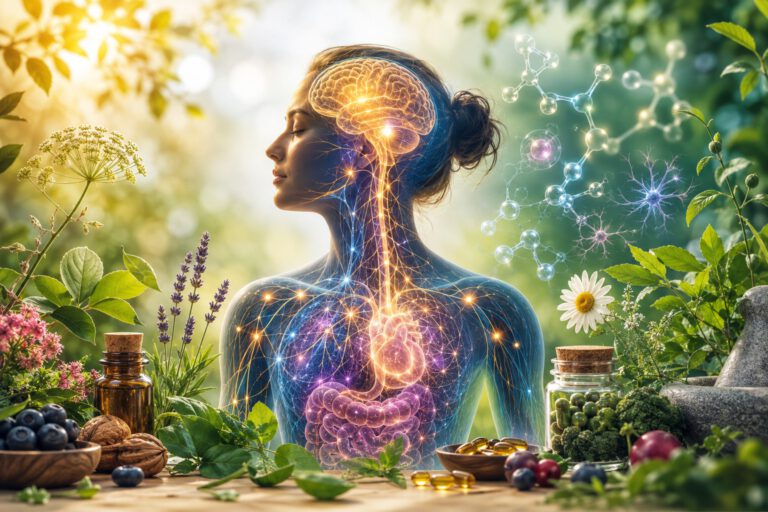
Holistic healing in South Africa is a vibrant tapestry that weaves together traditional practices such as the Ubuntu philosophy and the use of herbal remedies aimed at enhancing overall wellness. This approach underscores the profound interconnectedness of the mind, body, and spirit. Significant historical influences that shape this practice include:
- Indigenous San and Khoi traditions
- Colonial herbal practices
- Spiritual rituals stemming from local cultures
- Influence from Western wellness movements
This unique synthesis creates a health paradigm that resonates deeply with the cultural fabric of South African society. Here, wellness is perceived as a harmonious relationship between individuals and their communities, highlighting the significance of mutual support and shared experiences in the healing journey.
In this context, the principles of holistic healing prioritize natural therapies, including indigenous plant-based treatments and community healing circles. The primary objective is to foster both emotional and physical harmony while considering socio-cultural factors, firmly rooting this approach within local customs and traditions.
Essential Principles Guiding Holistic Healing
The foundational principles of holistic healing in South Africa are centered on the understanding that individuals are integrated wholes. Therapeutic methods often blend physical treatments with emotional support, reflecting the community’s core values. The local perspective on health emphasizes the simultaneous addressing of emotional, spiritual, and physical dimensions.
Practitioners strive to nurture resilience through traditional healing methods that advocate for sustainable health and wellness practices. This holistic approach acknowledges the intricate link between personal well-being and the surrounding social environment, ensuring individuals can achieve balance amidst life’s challenges.
Traditional Healing Methods Across the Region
South Africa’s traditional healing practices encompass a diverse array of methods that merge spiritual elements with practical care. These include sangoma rituals and the application of African bush medicine. Such practices draw upon ancestral knowledge, focusing on comprehensive well-being that encompasses emotional stability and physical health.
For example, herbal remedies sourced from indigenous plants are often administered alongside spiritual guidance from local healers. This integral relationship between herbal medicine and spirituality is pivotal in building resilience, establishing a holistic health framework that honors and harnesses the rich cultural heritage of South Africa.
Tracing the Origins of Holistic Healing in South Africa

Historical Context of Healing Practices
Holistic healing in South Africa has profound historical roots, dating back to ancient traditions of the San and Khoi. These early practices emphasized a deep connection with nature and the spiritual realm, forming the bedrock of modern healing approaches. Over centuries, these traditions have evolved, influenced by colonial practices that integrated local herbs and rituals designed to treat ailments holistically.
The evolution of these healing practices reflects the resilience of communities that have preserved their traditions despite external pressures. As South Africa transitioned into modernity, combining traditional methods with contemporary health practices became essential in crafting a holistic health model that resonates with the cultural identity of its people.
How Have Indigenous Cultures Influenced Holistic Healing?
Indigenous cultures in South Africa have played a crucial role in shaping holistic healing by blending shamanic rituals with natural elements. This intricate fusion enhances mental clarity and physical recovery, demonstrating the adaptability of these practices. Traditional healing methods emphasize the value of community, as ceremonies often involve collective participation, reinforcing social bonds and cultural identity.
The ongoing evolution of these practices reflects a profound respect for ancestral wisdom, where cultural adaptation remains vital in modern health paradigms. As individuals pursue balance in their lives, holistic healing continues to draw from these rich traditions while incorporating innovative techniques and contemporary knowledge.
The Role of Local Healers in Holistic Wellness

In South Africa, local healers, known as izangomas, play an integral role in the holistic healing landscape. These practitioners employ divination, herbal concoctions, and spiritual guidance to address emotional and physical imbalances. Their culturally-specific methods resonate deeply with the community’s history and collective experiences.
This personalized approach encourages preventive care, enabling individuals to maintain emotional stability and physical health through familiar and trusted practices. The legacy of these healers, transmitted through generations, ensures that holistic healing remains a vital aspect of South African society.
How Has Holistic Healing Transformed Over Time in South Africa?
Significant Changes During the 20th Century
The 20th century ushered in significant transformations for holistic healing in South Africa, as traditional methods began merging with global wellness movements. This evolution was spurred by urbanization and the necessity for accessible health solutions that resonated with a diverse population. Practitioners adapted their techniques to incorporate modern concepts while retaining core elements such as spiritual cleansing and community engagement.
As urban centers grew, the demand for holistic health services increased exponentially, leading to the establishment of various wellness studios and community workshops. This newfound accessibility marked a transformative phase, allowing individuals from diverse backgrounds to engage with holistic healing practices and broadening the understanding of health and well-being.
Modern Adaptations of Holistic Techniques
In contemporary South Africa, modern adaptations of holistic healing techniques reflect a seamless blend of traditional practices with current wellness trends. The incorporation of yoga, meditation, and mindfulness practices alongside local rituals provides urban dwellers with access to holistic care that promotes stress relief and vitality. These adaptations prioritize personalized approaches, enabling individuals to tailor their healing journeys to suit their unique lifestyles and preferences.
Moreover, the rising interest in mental health has prompted the inclusion of psychological principles within traditional practices. This combination fosters a comprehensive approach to health, ensuring that emotional and spiritual well-being are prioritized alongside physical health.
Emerging Trends in Holistic Healing Practices
Current trends in South African holistic healing highlight a dynamic landscape of eco-friendly therapies and community workshops. These practices increasingly emphasize mental health, particularly in response to the social challenges faced by many communities. By utilizing local resources, holistic healing promotes sustainable living, encouraging individuals to adopt practices that support both personal and environmental health.
Additionally, workshops and group sessions serve as valuable platforms for knowledge sharing and building community resilience. These initiatives reflect a growing recognition of the significance of collective well-being, paving the way for more inclusive and supportive health practices across South Africa.
Insights from Experts on Holistic Healing
Expert Analysis on the Effectiveness of Holistic Healing
Experts in South Africa underscore the effectiveness of holistic healing through various real-world examples, such as community programs that utilise local herbs for therapeutic benefits. They emphasise that incorporating these methods into daily routines can significantly enhance overall health. Practical strategies include drinking herbal teas, using essential oils, and participating in community healing circles.
By embracing these practices, individuals can nurture their health and well-being in ways that align with local traditions and contemporary health insights. The combination of traditional knowledge and modern understanding creates a robust framework for achieving holistic health.
Recognised Benefits of Holistic Healing by Professionals
Professionals in South Africa identify numerous benefits associated with holistic healing, particularly in enhancing immunity through traditional remedies. These practices have proven effective in addressing chronic conditions such as hypertension and diabetes. Experts analyze these benefits within the context of local case studies, illustrating how holistic approaches can lead to positive health outcomes.
Through a combination of dietary changes, lifestyle adjustments, and community support, holistic healing offers a multifaceted strategy for health management, empowering individuals to take control of their wellness informed by both tradition and contemporary medicine.
Case Studies Highlighting Holistic Healing’s Impact
Case studies from South Africa reveal the profound impact of holistic healing on mental wellness, particularly through spiritual rituals that foster emotional balance. Real-world examples from clinics highlight how individuals have experienced long-term benefits from consistent participation in holistic healing programs.
These case studies provide actionable insights into the effective implementation of holistic strategies, emphasizing the importance of community engagement and personalized approaches. They illustrate how diverse healing methods can cater to individual needs while nurturing a supportive environment.
Expert Perspectives on Integrating Culture into Holistic Healing
South African experts delve into how cultural traditions enrich holistic healing practices. They emphasize the importance of blending indigenous knowledge with modern approaches to enhance health outcomes. Strategies for cultural preservation include community-based programs that celebrate traditional practices while incorporating new techniques for broader applicability.
This cultural integration ensures that holistic healing remains relevant and accessible, fostering a deeper connection to cultural identity and community health. By prioritizing these values, practitioners enhance the effectiveness of their methods and promote a more inclusive health model.
What Are the Key Benefits of Holistic Healing?
Physical Health Enhancements through Holistic Methods
In South Africa, holistic healing significantly contributes to physical health by employing natural therapies such as massage and herbal treatments. These methods effectively alleviate pain and boost energy levels, playing a crucial role in improving lifestyle choices and preventing disease.
By emphasising natural remedies, individuals are more inclined to adopt healthier habits, resulting in a holistic transformation of their overall physical state. This proactive approach to health underscores that prevention is just as vital as treatment in achieving well-being.
How Does Holistic Healing Impact Mental Health?
Holistic healing in South Africa profoundly influences mental health. Practices such as mindfulness sessions and community ceremonies effectively reduce anxiety and foster inner peace. This approach not only provides emotional support but also incorporates physical activities, cultivating a balanced state of well-being.
By addressing mental health through holistic methods, individuals can develop resilience and emotional stability, essential for navigating life’s challenges. The combination of these practices creates a supportive environment that nurtures mental wellness alongside physical health.
Enhancements in Overall Well-being
South African holistic healing promotes overall well-being by advocating for dietary changes and spiritual exercises. Key lifestyle tips to help individuals achieve harmony and resilience include:
- Incorporating more plant-based foods into daily meals
- Practicing daily mindfulness or meditation
- Engaging in regular physical activity, such as walking or yoga
- Participating in community support groups and workshops
These practices not only enhance individual health but also contribute to a collective sense of well-being within the community. By embracing these holistic strategies, individuals can cultivate a lifestyle that fosters resilience and harmony.
Social and Community Advantages of Holistic Healing
In South Africa, holistic healing greatly strengthens social ties through community gatherings and shared rituals. These practices foster empathy, support networks, and collective resilience, addressing issues like loneliness and social isolation.
By engaging in community-based healing circles, individuals can forge deeper connections with others, reinforcing the belief that health is a shared responsibility. This social aspect of holistic healing cultivates a supportive network that underpins both individual and community health.
Economic and Accessibility Benefits of Holistic Healing
Holistic healing in South Africa offers cost-effective health alternatives through local resources and therapies, making wellness accessible to a wide range of populations. This approach supports economic growth in natural medicine sectors while simultaneously reducing the reliance on expensive treatments.
By leveraging community knowledge and natural resources, holistic practices provide a sustainable health model that empowers individuals economically and socially. This accessibility encourages greater public engagement in health management, ultimately promoting overall community resilience.
Research-Backed Insights into Holistic Healing Benefits
Scientific Studies Supporting Holistic Healing in the Region
Research conducted in South Africa validates the benefits of holistic healing, demonstrating that traditional methods can improve heart health and reduce inflammation. These studies emphasise local trials that yield reliable health outcomes, showcasing the effectiveness of integrating holistic practices into daily life.
Through scientific validation, these findings encourage wider acceptance of holistic healing, positioning it as a legitimate option within the healthcare landscape. As more individuals recognise its benefits, holistic healing can establish itself as a crucial component of health and wellness.
What Evidence Validates the Use of Holistic Healing?
Evidence in South Africa substantiates the efficacy of holistic healing through clinical data regarding herbal treatments. Actionable steps based on expert findings encourage the safe adoption of these practices, promoting a holistic approach to health that intertwines traditional wisdom with modern insights.
By equipping individuals with knowledge about these practices, holistic healing can seamlessly integrate into daily routines, fostering sustainable health and well-being through informed choices.
Long-Term Effects of Holistic Healing Approaches
The long-term effects of holistic healing approaches in South Africa include sustained emotional stability and reduced stress levels. Research indicates that ongoing engagement with holistic practices results in improved community health outcomes, reinforcing the importance of integrated care methods.
By consistently applying holistic strategies, individuals can cultivate resilience and adaptability to life’s challenges, creating a supportive environment for both personal and community health. This ongoing commitment to wellness reflects a culture of care deeply rooted in South African society.
Why Is Holistic Healing Gaining Popularity in South Africa?
Cultural Factors Driving Its Popularity
In South Africa, cultural factors contribute to the rising popularity of holistic healing due to its alignment with ancestral beliefs and community values. This connection makes it a preferred choice for accessible and meaningful health solutions that resonate with the populace.
As individuals seek health practices that honor their heritage, holistic healing provides a pathway to connect with cultural identity while pursuing well-being. The fusion of traditional methods and contemporary practices enhances its appeal across diverse demographics.
Why Is Holistic Healing Accessible to Many Individuals?
Holistic healing is widely accessible in South Africa due to affordable local resources and the prevalent knowledge within communities. This popularity is driven by its inclusive nature, enabling diverse groups to achieve personal balance and health equity.
Emphasizing community-based practices ensures that holistic healing remains within reach for a broad spectrum of individuals, reflecting a commitment to collective well-being. This accessibility fosters a culture of health that empowers individuals to take charge of their wellness journeys.
Community Support for Holistic Healing Practices
South African communities actively champion holistic healing through shared workshops and group sessions. These gatherings enhance social connections, contributing to collective well-being through culturally resonant activities that highlight the importance of community in health.
By participating in communal rituals and healing practices, individuals not only improve their health but also foster a sense of belonging and support. This aspect of holistic healing underscores the interconnected nature of personal and community health.
Implementing Holistic Healing Techniques Effectively
Popular Methods Utilised in Local Practices
Common methods of holistic healing in South Africa include energy healing and aromatherapy, both tailored to cater to individual needs for promoting relaxation and recovery. These practices emphasise sustainable techniques that yield long-term benefits for individuals and communities alike.
The focus on personalised treatment allows practitioners to address specific concerns, creating a more effective and tailored healing experience. By integrating these methods, individuals can develop their routines around holistic principles that resonate with their lifestyles and preferences.
How to Seamlessly Integrate Holistic Healing into Daily Life
Integrating holistic healing into daily life in South Africa can be achieved through simple routines such as daily meditation and mindful breathing exercises. These methods enhance focus and promote overall health, making it easier for individuals to adopt practices that improve emotional and physical well-being.
Making small adjustments to daily activities can lead to significant improvements in overall wellness, promoting a proactive approach to health. This adaptability is crucial in ensuring that holistic practices remain relevant and accessible for everyone.
Inspiring Success Stories from the Community
Success stories from South Africa feature individuals who have transformed their health and overcome illnesses through holistic approaches, showcasing real-life transformations and the motivational impact of personalized health strategies. These narratives illustrate the power of community support and the application of traditional methods in contemporary contexts.
By sharing these experiences, practitioners can inspire others to engage with holistic healing, demonstrating its potential for transformative change. These stories serve as compelling testimonials to the effectiveness of holistic health practices in improving lives.
The Future Landscape of Holistic Healing in South Africa
Emerging Trends Shaping Holistic Practices
Emerging trends in South Africa include the utilization of digital applications that provide holistic guidance, effectively merging technology with traditional methods to enhance reach and support ongoing personal development. This modernization of holistic practices broadens accessibility for individuals seeking health solutions.
As technology advances, these applications can enhance the effectiveness of holistic healing by offering tailored resources and support. This trend reflects a growing recognition of the need for innovative health approaches that align with contemporary lifestyles.
Potential Challenges Facing Holistic Healing
Despite the growth of holistic healing in South Africa, potential challenges persist, including regulatory hurdles that may impact practice. Nevertheless, innovation continues to drive adaptation and growth in this essential health sector, enabling practitioners to navigate obstacles while maintaining their commitment to holistic principles.
The resilience of holistic healing practices ensures their ability to evolve to meet the needs of an ever-changing health landscape. By proactively addressing these challenges, practitioners can secure a prominent position for holistic approaches within South African healthcare.
Growth Opportunities Within the Holistic Healing Sector
Growth opportunities for holistic healing in South Africa include expanding training programs that enhance accessibility and integrate innovative techniques for future health advancements. Such initiatives can empower emerging practitioners and promote a deeper understanding of holistic principles across diverse communities.
By investing in educational resources and community outreach, the holistic health sector can flourish, fostering a culture of well-being that supports both personal and collective health. This dedication to growth and innovation underscores the potential for holistic healing to play a pivotal role in South Africa’s health landscape.
Frequently Asked Questions about Holistic Healing
What is the essence of holistic healing?
Holistic healing represents a comprehensive approach to health that considers the entire person—mind, body, and spirit. It emphasizes interconnectedness and advocates for overall wellness through natural therapies and community support.
How does holistic healing contrast with conventional medicine?
Holistic healing emphasizes natural remedies and integrates various facets of health, whereas conventional medicine often focuses on treating specific symptoms or diseases. Holistic approaches prioritize preventive care and emotional well-being alongside physical health.
Are there specific herbs commonly utilized in South African holistic healing practices?
Indeed, some commonly used herbs include African potato for immune support, devil’s claw for pain relief, and rosemary for cognitive health. These herbs are integral to various holistic practices due to their therapeutic properties.
Can holistic healing effectively address mental health issues?
Absolutely. Holistic healing can significantly enhance mental health by incorporating practices such as mindfulness, community support, and traditional rituals that help alleviate anxiety and promote emotional stability.
What are effective ways to integrate holistic healing into daily routines?
You can incorporate holistic healing into your daily life by practicing meditation, preparing meals with nutritious ingredients, attending community workshops, and utilizing natural remedies in your wellness regimen.
What role do local healers play in the holistic healing process?
Local healers, such as izangomas, provide culturally relevant care that blends spiritual and physical health practices. They are essential in maintaining community health and promoting traditional remedies.
Is holistic healing an economically viable option?
Yes, holistic healing often leverages local resources and traditional methods, making it a cost-effective option for many individuals seeking health solutions without the high costs associated with conventional medical treatments.
Are there community programs dedicated to holistic healing in South Africa?
Yes, numerous community programs focus on holistic healing, offering workshops, healing circles, and educational resources that promote wellness through traditional practices and collective support.
What are the advantages of community support in holistic healing?
Community support enhances holistic healing by fostering social connections, alleviating feelings of isolation, and creating a network of care that reinforces personal health initiatives and overall community well-being.
What future trends may influence holistic healing in South Africa?
Future trends may involve the integration of technology for improved access to holistic resources, increased public awareness of natural remedies, and continued blending of traditional practices with modern wellness approaches.
Your exploration of holistic healing practices in South Africa brings to light a rich tapestry of cultural influences that are deeply rooted in history. I find the interconnectedness between individuals and their communities particularly compelling. The Ubuntu philosophy, with its emphasis on communal support and shared experiences, reminds us that healing transcends the individual and is inherently relational.
Your exploration of holistic healing in South Africa beautifully captures the essence of a practice that is as much about cultural identity as it is about health. The interplay between traditional beliefs and modern influences is particularly fascinating. I appreciate how you highlighted the Ubuntu philosophy, as it emphasizes community support and interconnectedness—principles that are often overlooked in Western health models.
Your exploration of holistic healing practices in South Africa resonates with me on many levels. The rich tapestry of traditions and philosophies, especially the Ubuntu concept, underscores a profound philosophy of interconnectedness that is essential not only in healing but in daily human interactions. I often think about how the African perspective on health contrasts with more individualistic approaches seen in Western societies. In South Africa, the notion that one’s well-being is deeply intertwined with that of the community is something we could all benefit from considering more fully.
I really appreciate how you’ve captured the essence of holistic healing in South Africa and its rich, intertwined cultural influences. The Ubuntu philosophy, in particular, speaks volumes about the community-centric approach to wellness. It’s interesting to think about how this philosophy resonates not just in health practices but in daily life. Experiences are certainly amplified when shared with others, and I can’t help but recall stories from my travels through the Eastern Cape, where I witnessed first-hand how communal gatherings often double as healing spaces, emphasizing support and shared wellness journeys.
It’s great to hear how the Ubuntu philosophy resonates with your experiences in South Africa. It really does weave through so much of our daily lives, creating a sense of belonging that goes beyond just healing. The way you described communal gatherings in the Eastern Cape beautifully highlights how these moments foster connection and support—a true reflection of that shared journey towards wellness.
I found your exploration of holistic healing in South Africa incredibly fascinating, especially how it draws upon such rich cultural heritage and diverse influences. The Ubuntu philosophy, with its emphasis on community and interconnectedness, really resonates with me. It highlights a perspective that’s often overlooked in more individualistic approaches to health and wellness.