
Book Appointment Now
World Cancer Day: Raising Awareness and Prevention Efforts
In-Depth Look at Cancer Challenges in South Africa
Which Cancer Types Are Most Prevalent in South Africa?
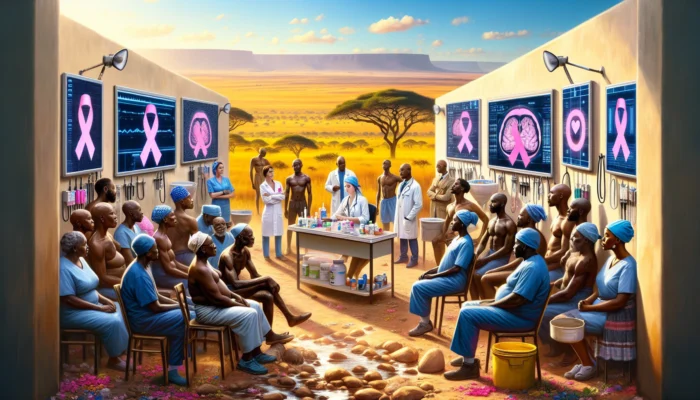
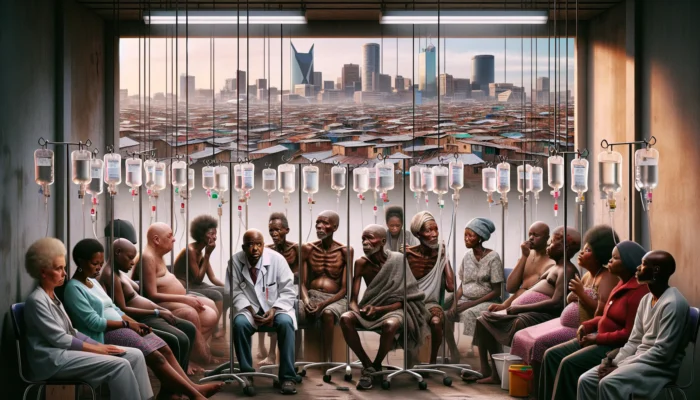
Cancer poses a formidable health challenge in South Africa, with specific cancer types showing heightened prevalence rates among the population. Recent health reports highlight that the most frequently diagnosed cancers include breast cancer, prostate cancer, and cervical cancer. Breast cancer has emerged as a significant health concern, impacting thousands of women annually. The National Cancer Registry reveals that approximately 1 in 27 women in South Africa will receive a breast cancer diagnosis in their lifetime. Prostate cancer presents a serious threat, particularly among Black men, with incidence rates significantly exceeding global averages. Cervical cancer remains a pressing issue, aggravated by limited access to screening and preventive measures, especially in rural areas where healthcare resources are scarce.
Efforts for early detection are crucial in the battle against these prevalent cancers. Various local health initiatives have been launched, concentrating on community outreach and education. Campaigns designed to boost awareness of symptoms and promote regular screenings have demonstrated encouraging outcomes. For example, the Breast Health Foundation conducts outreach programs that effectively educate women on the significance of self-examinations and routine mammograms. Additionally, organisations like the Cancer Association of South Africa (CANSA) actively advocate for cervical cancer screenings, underscoring the necessity of Pap smears, which can identify precursors to cervical cancer in its early stages.
What Are the Main Risk Factors Contributing to Cancer in South African Lifestyles?
The rising rates of cancer in South Africa can be attributed to various risk factors, which can be divided into environmental and behavioural categories. Urban populations often exhibit lifestyle patterns that include sedentary habits and dietary preferences high in processed foods while lacking adequate servings of vegetables and fruits. Conversely, rural communities may face challenges such as exposure to agricultural chemicals and inconsistent access to nutritious food options. These detrimental lifestyle choices are further compounded by the prevalence of smoking, which remains a significant risk factor for numerous cancers, including lung cancer.
Health initiatives aimed at smoking cessation have been rolled out across various communities, highlighting the critical role of education in mitigating risk factors. Smoking is particularly prevalent among men in urban settings, with many individuals beginning this habit at a young age. Additionally, the increasing consumption of alcohol, often intertwined with social and cultural practices, has been linked to a heightened risk of liver cancer and oral cancer.
In response to these lifestyle-related risks, numerous organisations have launched programs that promote healthier living, including community fitness initiatives and nutritional workshops. These efforts not only aim to lower cancer risks but also strive to foster a holistic approach to health within communities, encouraging individuals to make informed choices that enhance their overall well-being.
What Do Current Statistics Reveal About Cancer Incidence in South Africa?
The landscape of cancer incidence in South Africa is changing, marked by both alarming statistics and encouraging developments in public health awareness. Recent data from the South African Medical Research Council indicates that approximately 110,000 new cancer cases are diagnosed each year, with a significant increase in incidence rates observed over the past decade. This trend can be attributed partly to advancements in detection methods and heightened awareness, though it also reflects the increasing burden of cancer on the country’s healthcare system.
Public health campaigns have been pivotal in this context. For example, the “Cervical Cancer Awareness Month” initiative has played a critical role in promoting screenings and vaccinations, resulting in a noticeable uptick in the number of women seeking Pap smears and HPV vaccinations. Nevertheless, disparities persist, particularly in rural regions where access to diagnostic services is often limited due to infrastructural challenges.
In conclusion, while the data may present a daunting picture of rising cancer incidence, they also underscore the importance of sustained public health initiatives and community engagement in the ongoing fight against cancer. The statistics reveal an urgent need for ongoing education, outreach, and support to mitigate these trends and enhance overall health outcomes for the population.
Insights from Experts on World Cancer Day

What Innovative Cancer Treatments Are Available in South African Clinics?
In the field of oncology, South Africa has made remarkable progress in offering innovative treatments that enhance patient outcomes. Local clinics and hospitals are increasingly adopting advanced therapies, including targeted treatments and immunotherapy, which have shown promising efficacy across various cancer types. These therapies are gradually becoming integral to standard care protocols, contributing to improved survival rates and overall quality of life for patients.
For instance, the Chris Hani Baragwanath Academic Hospital in Soweto has launched a comprehensive cancer care program that incorporates access to cutting-edge treatments and clinical trials. Patients diagnosed with conditions such as breast and prostate cancer benefit from personalised treatment plans that utilise molecular profiling to inform therapy choices. This tailored approach not only enhances treatment efficacy but also minimises adverse effects, fostering better patient adherence and satisfaction.
Moreover, the integration of palliative care services has emerged as a focal point within treatment frameworks in South Africa. Palliative care providers collaborate with oncologists to ensure that patients receive holistic care that addresses not only the disease but also the physical, emotional, and spiritual dimensions of healing. This comprehensive approach is particularly vital in rural settings where access to specialised care may be limited, thus ensuring continuity and quality of care for patients.
What Role Do Specialists Play in Managing Cancer Cases in South Africa?
Oncology specialists are essential in managing cancer cases throughout South Africa, ensuring that patients receive tailored care that meets their specific needs. Oncologists are responsible not only for diagnosing and treating cancer but also for coordinating a multidisciplinary approach that frequently involves surgeons, radiologists, and supportive care teams.
Local oncologists have pioneered community-based programs aimed at enhancing treatment access and support networks across various provinces. For example, the Free State province has introduced mobile oncology units that travel to underserved areas, offering screenings and consultations. This initiative has significantly improved healthcare access for rural populations that would otherwise face long journeys for treatment.
Additionally, oncologists are actively involved in education and outreach programs that empower patients and families with knowledge about cancer. These professionals often participate in workshops and seminars, addressing common misconceptions, advocating for early detection, and providing guidance on navigating the healthcare system. Collaborations with community health workers have proven effective in creating a supportive environment for patients, fostering a sense of community and shared responsibility in cancer care.
What Evidence-Based Approaches Are Used in Patient Care?

In South Africa, evidence-based approaches to patient care are foundational in shaping oncology practices. Integrating clinical research findings directly into patient care protocols ensures that treatment strategies are both effective and tailored to the unique needs of the local population. Local medical experts stress the importance of continuous evaluation of treatment outcomes and adapting strategies based on real-world data.
One actionable step that has emerged from studies conducted by South African researchers is the implementation of integrated care models. These models emphasise continuity of care, ensuring that patients receive coordinated services from diagnosis through treatment and into survivorship. This approach enhances patient experience and improves adherence to treatment regimens, ultimately leading to better health outcomes.
Moreover, patient education initiatives have been shown to significantly impact treatment success. Programs that empower patients to manage their own care, comprehend treatment protocols, and recognise side effects enable them to take an active role in their health journey. This shift towards patient-centered care reflects a broader trend in South African healthcare, emphasising collaboration between healthcare providers and patients, which fosters trust and enhances overall satisfaction with care.
How Is Cancer Awareness Promoted in South Africa?
What Community Events Support Local Cancer Awareness Efforts?
Community events play a vital role in advancing cancer awareness across South Africa, actively engaging residents in education and preventive measures. Numerous grassroots initiatives, such as health fairs and workshops, have been established to provide critical information on cancer symptoms, risk factors, and screening practices. These events frequently feature healthcare professionals offering free screenings, consultations, and educational materials to attendees.
For example, the annual “Shavathon” event encourages participants to shave their heads in solidarity with cancer patients while raising funds for cancer support services. Events like this foster community solidarity and serve as powerful platforms for disseminating essential information about cancer and the importance of early detection.
Additionally, organisations like CANSA organise community walks and educational seminars targeting high-risk populations in both urban and rural areas. These events emphasise the significance of lifestyle changes and regular screenings, aiming to reduce the stigma associated with cancer and promote open discussions about health.
Through these community-driven efforts, residents are empowered to take charge of their health, leading to increased participation in national cancer campaigns and a greater understanding of the disease within their communities.
What Strategies Do Local Organisations Use for Cancer Education?
Local organisations in South Africa employ a range of strategies to educate the public about cancer prevention and awareness. These strategies are tailored to meet the diverse needs of various populations, ensuring that information is accessible and relevant. Schools have become key venues for education, where programs are implemented to teach children about healthy lifestyles, the importance of screenings, and how to recognise potential cancer symptoms.
Media campaigns significantly amplify these educational efforts, utilising television, radio, and social media platforms to reach broader audiences. Targeted messaging often focuses on high-risk groups, emphasising the need for early detection and the benefits of healthier lifestyle choices.
Key outreach tools utilised by local organisations include:
- Workshops and seminars in community centers
- School-based health education programs
- Mobile health units providing screenings and consultations
- Collaboration with local influencers for awareness campaigns
- Distribution of educational materials in multiple languages
- Interactive social media campaigns to engage younger audiences
- Public service announcements through local radio stations
- Partnerships with faith-based organisations to reach diverse demographics
These strategies not only foster awareness but also build a supportive network, encouraging individuals to actively participate in cancer prevention initiatives.
What Is the Impact of Media on Public Knowledge of Cancer?
The media plays a transformative role in shaping public knowledge about cancer in South Africa, influencing perceptions and behaviours related to the disease. Recent campaigns on television and radio have significantly increased awareness about the signs and symptoms of various cancers, promoting the importance of early detection and regular screenings. Programs featuring survivor stories and expert interviews create relatable content that resonates with audiences, encouraging them to take proactive steps regarding their health.
One notable example is the “Cancer Conversations” series aired on local television, where experts discuss different cancer types, treatment options, and prevention strategies. This program has not only informed viewers but also dispelled myths surrounding cancer, reducing stigma and fostering an environment where individuals feel more comfortable seeking help.
Furthermore, social media platforms have emerged as instrumental in spreading awareness. Hashtags like #KnowYourBody and #CancerAwareness drive discussions among younger demographics, encouraging them to share their experiences and knowledge about cancer. This digital engagement has led to increased clinic visits and participation in screening programs, demonstrating that media outreach can effectively influence behaviors and promote proactive health management.
The impact of these media initiatives is evident in the increasing number of community members who report heightened awareness of cancer risks and the significance of timely medical intervention. Consequently, the media’s role in public health advocacy remains a vital component in the fight against cancer in South Africa.
Research-Backed Benefits of Cancer Screening in South Africa
What Effective Screening Methods Are Practiced in Local Health Centers?
Effective cancer screening methods are essential for improving early detection rates, which are directly correlated with better patient outcomes. In South Africa, health centers utilise a range of screening tools, including mammograms for breast cancer and Pap smears for cervical cancer. While the implementation of these technologies may vary by region, initiatives have showcased promising success in increasing early diagnosis rates.
For instance, the South African government, in collaboration with non-governmental organisations, has rolled out mobile clinics that provide mammograms to women in underserved communities. These mobile units have been vital in reaching populations that lack access to healthcare facilities, resulting in a significant rise in the number of women screened for breast cancer. This proactive approach illustrates the effectiveness of community outreach combined with accessible healthcare services.
Additionally, cervical cancer screening has seen substantial improvements due to initiatives aimed at raising awareness and minimising barriers. Health campaigns emphasising the importance of regular Pap smears have led to increased participation, particularly among women aged 30 and above. Screening programs often focus on educating women about the HPV vaccine, which can prevent cervical cancer, further enhancing the effectiveness of early detection efforts.
How Do Regular Check-Ups Reduce Cancer Mortality Rates in South Africa?
Regular check-ups are crucial for reducing cancer mortality rates in South Africa, particularly among populations facing significant barriers to healthcare access. Studies conducted by local researchers indicate that early intervention through routine screenings can lead to improved survival rates, especially for breast and cervical cancers. The emphasis on regular health check-ups facilitates timely diagnoses, enabling swift initiation of treatment.
Research has shown that women who participate in annual mammography screenings have a 20% higher chance of surviving breast cancer compared to those who do not undergo regular check-ups. This correlation underscores the significance of public health initiatives that encourage women to prioritise their health. Similarly, cervical cancer screening through Pap smears allows for the identification of precancerous lesions, significantly enhancing the chances of successful treatment and long-term survival.
Moreover, community health programs advocating for regular check-ups have successfully reached underserved populations, helping to bridge disparities in cancer care. These programs often incorporate education on the signs and symptoms of cancer, empowering individuals to seek medical attention promptly. The cumulative effect of these interventions has contributed to a gradual decline in cancer-related mortality rates across the country.
What Barriers to Screening Access Exist in the Region?
Despite the well-established benefits of cancer screening in South Africa, numerous barriers hinder access, particularly in rural and underserved communities. Resource limitations, such as inadequate healthcare infrastructure, a shortage of trained personnel, and financial constraints, pose significant challenges to accessing timely screenings. Many individuals in these areas encounter long travel distances to reach health facilities, discouraging them from seeking necessary check-ups.
Awareness gaps also contribute to low participation rates in screening programs. Many individuals remain uninformed about the available services or the importance of regular screenings, leading to late-stage diagnoses that could have been prevented. Common obstacles identified in health surveys include:
- Limited transportation options for reaching healthcare facilities
- Lack of awareness about screening benefits
- Financial constraints preventing access to diagnostic services
- Cultural beliefs and stigma associated with cancer
- Inadequate healthcare workforce to meet community needs
- Insufficient outreach and education in rural areas
- Language barriers impacting communication with healthcare providers
- Scheduling conflicts and time constraints for individuals
Addressing these barriers necessitates a comprehensive approach, including policy changes to enhance healthcare infrastructure, increased funding for outreach programs, and efforts to educate communities about the importance of early detection.
What Challenges Does South Africa Face in Cancer Treatment?
How Do Healthcare Inequalities Affect Treatment Options?
Healthcare inequalities in South Africa significantly impact the treatment options available to cancer patients, particularly in rural regions where access to specialised care is limited. Disparities in healthcare resources contribute to a fragmented system, leaving many patients without timely interventions. Urban centers often boast better-equipped facilities and access to advanced treatments, while rural communities may struggle with a lack of trained oncologists and insufficient infrastructure.
These inequalities lead to varied patient experiences; for instance, a patient in a metropolitan area may have access to the latest immunotherapy treatments, while a patient in a remote area may only receive palliative care due to the absence of specialised services. The ramifications of these disparities are profound, as they can result in delayed diagnoses and treatment initiation, ultimately affecting survival rates.
Efforts to bridge these gaps are ongoing, with initiatives aimed at increasing healthcare accessibility in underserved regions. Mobile health clinics and telehealth services have emerged as viable solutions to enhance patient care, ensuring that more individuals receive the treatment they require, regardless of their geographical location.
What Factors Contribute to Delayed Diagnosis Locally?
Delayed diagnosis of cancer in South Africa often stems from several interconnected factors that hinder timely medical intervention. Awareness gaps within the population play a substantial role, as many individuals may not recognize the early warning signs of cancer, leading to late presentations when the disease is more challenging to treat. Additionally, cultural beliefs may dissuade individuals from seeking help, as some may rely on traditional medicine or perceive cancer as a death sentence.
Common obstacles identified in health surveys include:
- Lack of education about cancer symptoms and screening
- Stigma associated with cancer diagnosis
- Insufficient healthcare facilities in rural areas
- Long waiting times for appointments and diagnostics
- Limited awareness of available treatment options
- Financial barriers preventing access to healthcare
- Cultural attitudes towards seeking medical help
- Transportation challenges hindering access to clinics
Addressing these factors requires a concerted effort from healthcare providers, government agencies, and community organisations. Public awareness campaigns aimed at educating individuals about cancer symptoms and the importance of early detection can significantly improve diagnosis timelines and enhance overall health outcomes.
What Is the Financial Cost of Treatment for Residents in This Environment?
The financial burden of cancer treatment in South Africa is a pressing concern for many families, particularly those from low-income backgrounds. The costs associated with diagnosis, treatment, and supportive care can be overwhelming, often leading to insurmountable debt or the decision to forgo essential treatment altogether. Patients may face high out-of-pocket expenses for consultations, medications, and hospital stays, creating significant barriers to accessing timely care.
Government subsidies and healthcare initiatives have been implemented to alleviate some of these financial burdens. The South African government provides cancer treatment through public healthcare systems, but long waiting times and limited resources can impede timely access to necessary interventions. Non-governmental organisations also play a crucial role in offering financial assistance and support services for affected families.
Moreover, the introduction of cancer treatment funds and financial aid programs has proven beneficial for many patients. These initiatives aim to cover a portion of treatment costs, enabling individuals to access care without the added stress of financial hardship. However, despite these efforts, gaps remain in the system, and advocacy for improved funding and support is crucial to ensuring that all patients can access the treatments they need.
How Do Healthcare Workforce Shortages Impact Cancer Care?
The shortage of healthcare professionals, particularly oncologists and specialised nurses, poses a significant challenge to cancer care in South Africa. This deficiency leads to treatment delays, longer waiting times for appointments, and an increased burden on the existing healthcare workforce. The demand for cancer services continues to rise, driven by a growing population and increasing cancer incidence, making the need for a robust healthcare workforce more critical than ever.
Current efforts by the government and non-governmental organisations to enhance training programs and retention strategies for healthcare workers are essential. Initiatives aimed at incentivising healthcare professionals to practice in underserved areas aim to bridge the gap in service provision. Additionally, partnerships with educational institutions are crucial for developing specialised training programs that prepare new healthcare workers to meet the unique demands of oncology care.
Addressing the workforce shortage is vital for improving cancer treatment accessibility and outcomes. By investing in workforce development, South Africa can ensure that patients receive timely and appropriate care, ultimately leading to better health outcomes and improved quality of life for those affected by cancer.
What Challenges Exist in Accessing Advanced Cancer Therapies?
Accessing advanced cancer therapies, such as immunotherapy and targeted treatments, remains a significant challenge in South Africa. Regulatory hurdles and import issues often limit the availability of these innovative therapies, restricting treatment options for patients in need. Although advancements in cancer research have led to the development of promising new therapies, the pathways to approval and distribution can be lengthy and complex.
The cost of advanced therapies also presents a barrier, with many patients unable to afford out-of-pocket expenses for these treatments. This situation is exacerbated by inadequate insurance coverage for newer therapies, leaving patients to navigate a convoluted healthcare landscape that may not prioritise their needs.
To overcome these challenges, initiatives aimed at local manufacturing of cancer therapies are being explored. By collaborating with international partners and leveraging local resources, South Africa can enhance the availability of advanced cancer treatments and reduce dependency on imports. Furthermore, advocacy for regulatory reform is essential to streamline the approval process for innovative therapies, ensuring that patients have timely access to the latest advancements in cancer care.
Prevention Strategies in South African Communities
What Lifestyle Changes Are Recommended for Local Populations?
Promoting healthy lifestyle changes is pivotal in reducing cancer risk among South African populations. Advocacy for dietary modifications, increased physical activity, and smoking cessation forms the cornerstone of preventive strategies aimed at curbing cancer rates. Given the high prevalence of obesity and sedentary behavior in many communities, educational programs emphasising balanced nutrition and regular exercise are crucial.
Local healthcare initiatives, such as community-based fitness programs, have gained traction in urban areas, encouraging individuals to engage in regular physical activity. These programs often incorporate culturally relevant practices, such as traditional dance, which resonates with community members and fosters higher participation rates. Additionally, workshops focused on nutrition educate individuals about incorporating more fruits, vegetables, and whole grains into their diets while reducing reliance on processed foods and sugar intake.
Smoking cessation programs targeting high-risk populations have also shown success. These initiatives often combine educational components with counseling and support groups, providing individuals with the necessary tools to quit smoking effectively. By promoting healthier lifestyle choices, communities can significantly decrease the incidence of cancer and enhance overall health outcomes.
What Vaccination Programs Are Implemented Against Cancer-Causing Viruses?
Vaccination programs targeting cancer-causing viruses, such as HPV and hepatitis B, are vital components of cancer prevention strategies in South Africa. The implementation of these initiatives in schools and healthcare facilities seeks to significantly reduce the incidence of related cancers. The HPV vaccine, for example, has demonstrated efficacy in preventing cervical cancer, which is particularly critical given the high rates of this disease in the country.
National campaigns promoting HPV vaccination have successfully raised awareness among parents and adolescents about the importance of immunisation. Schools have become key venues for administering the vaccine, ensuring that young individuals receive essential protection before becoming sexually active.
Similarly, hepatitis B vaccination efforts aim to mitigate the risk of liver cancer associated with the virus. Community health initiatives offering free vaccination clinics have proven effective, particularly in rural areas where healthcare access may be limited. By increasing vaccination rates against these viruses, South Africa can take significant strides toward reducing the burden of cancer and safeguarding future generations.
What Environmental Factors and Protective Measures Exist in the Area?
Environmental factors pose significant risks for cancer development in South Africa, especially in industrial areas where pollution and occupational hazards are prevalent. Addressing these challenges necessitates stringent regulations to protect workers and residents from exposure to carcinogenic substances. Local governments are tasked with implementing and enforcing environmental laws that promote occupational safety and minimize pollution levels.
Protective measures include monitoring air and water quality in industrial zones and ensuring that companies adhere to safety standards. Community advocacy groups play a crucial role in raising awareness about environmental risks and pushing for policy changes that prioritise public health. Moreover, educational campaigns aimed at teaching individuals how to reduce their exposure to harmful substances in their environment are essential.
By fostering a culture of safety and awareness, South African communities can work toward reducing the environmental factors contributing to cancer incidence. Collaborative efforts among government agencies, NGOs, and local residents are vital for creating a healthier environment that protects individuals from carcinogenic exposures.
What Role Does the Government Play in South Africa’s Fight Against Cancer?
What Policies Support Cancer Research Funding?
The South African government plays a crucial role in supporting cancer research funding, recognising the urgent need for innovation in cancer care and prevention. National budgets allocated to research initiatives drive progress and foster collaboration between governmental agencies and academic institutions. These partnerships are essential for advancing knowledge in cancer treatment and prevention strategies.
Policies prioritising cancer research funding focus on addressing the unique challenges faced by South Africans, including disparities in access to care and the burden of disease among underserved populations. By investing in research that investigates local cancer trends and treatment efficacy, the government can support initiatives that lead to improved health outcomes.
Additionally, funding programs aimed at fostering young researchers and encouraging innovation in oncology are vital for ensuring the sustainability of cancer research efforts in the country. Grants specifically designed to support cancer research projects empower researchers to develop and implement studies that contribute to the body of knowledge surrounding cancer care in South Africa.
How Do Public Health Laws Address Cancer Prevention?
Public health laws in South Africa play a vital role in cancer prevention, targeting key risk factors such as tobacco use and food safety. Strict regulations on tobacco advertising and sales have been implemented to reduce smoking prevalence, which remains a significant risk factor for various cancers. These laws aim to protect public health and foster a culture of wellness within communities.
Additionally, food safety regulations are critical in addressing dietary risks associated with cancer. Initiatives to regulate the use of harmful substances in food production and promote nutritional labeling empower consumers to make informed choices about their diets. By focusing on preventive measures through public health laws, the government can create an environment conducive to lowering cancer incidence rates across different demographics.
Collaboration with health organisations and advocacy groups enhances the effectiveness of these public health laws, ensuring that communities are engaged and informed about the importance of cancer prevention. Through ongoing education and enforcement of regulations, the government can take a proactive stance in the fight against cancer.
How Do Collaborations with NGOs Enhance Broader Initiatives?
Collaboration between the South African government and non-governmental organizations (NGOs) has proven to be a powerful force in enhancing cancer awareness and treatment initiatives. Joint projects aim to deliver resources to affected communities, ensuring that those in need receive vital support and education. These collaborations often involve outreach programs, screening initiatives, and educational campaigns that empower individuals to take charge of their health.
Notable partnerships include initiatives like the CANSA Relay For Life, where government agencies and NGOs work together to raise funds for cancer research and support services. This collaborative effort fosters community involvement and awareness while generating critical resources for cancer care.
Other successful partnerships focus on training healthcare workers and providing resources for cancer treatment facilities in underserved areas. By pooling expertise and resources, these collaborations enhance the overall capacity of the healthcare system to effectively address cancer.
- Joint awareness campaigns on cancer prevention
- Community health workshops on early detection
- Mobile clinics providing screenings and consultations
- Research partnerships focusing on local cancer trends
- Programs aimed at improving access to treatment
- Educational initiatives in schools and communities
- Support services for cancer patients and their families
- Advocacy efforts to promote public health policies
By leveraging the strengths of both the government and NGOs, South Africa can create a robust framework for addressing cancer care and prevention, ultimately improving health outcomes for all citizens.
Support Systems for Cancer Patients in South Africa
What Counseling Services Are Available for Those Affected?
Counseling services for cancer patients and their families are essential components of comprehensive cancer care in South Africa. Emotional support programs in hospitals and community centers provide patients with the necessary resources to cope with their diagnosis, treatment, and the challenges associated with cancer. These support services often include individual counseling sessions, group therapy, and educational workshops designed to address the psychological aspects of living with cancer.
Organisations like the Cancer Association of South Africa (CANSA) offer specialised counseling programs that focus on the emotional well-being of cancer patients. Through trained counselors, patients can discuss their feelings, fears, and concerns, fostering a sense of connection and understanding that is vital for mental health during the cancer journey. Additionally, support groups for survivors and caregivers provide valuable opportunities for individuals to share their experiences and coping strategies, creating a sense of community and belonging.
Hospital-based counseling services are increasingly integrated into oncology treatment plans, ensuring that patients receive holistic care that addresses both physical and emotional health. By prioritising mental well-being alongside medical treatment, healthcare providers can enhance the overall quality of life for cancer patients.
What Financial Aid Options Exist for Treatment Costs?
Financial aid options are crucial for patients facing the daunting costs associated with cancer treatment in South Africa. Various grants and insurance schemes provided by local authorities aim to alleviate the financial burdens that often accompany a cancer diagnosis. These programs are designed to assist families in managing expenses related to ongoing care, ensuring that individuals can access the treatments they need without the added stress of financial hardship.
Government assistance programs, such as the Oncology Benefit under the Medical Schemes Act, provide coverage for a range of cancer treatments, including chemotherapy and radiation therapy. Additionally, non-governmental organisations often offer financial support to patients, covering costs for medications, transportation to treatment facilities, and other essential services.
Moreover, fundraising initiatives within communities play a vital role in supporting patients and their families. Local organisations frequently hold events to raise funds for those struggling with treatment costs, fostering a sense of solidarity and support among community members.
By expanding access to financial aid options, South Africa can ensure that all patients, regardless of their economic status, have the opportunity to receive necessary cancer care and support.
What Rehabilitation Programs Exist Post-Treatment in the Region?
Rehabilitation programs for cancer survivors are essential in enhancing quality of life after treatment in South Africa. These programs often focus on physical, emotional, and social aspects of recovery, providing survivors with the tools they need to reintegrate into their daily lives. Services such as physical therapy, counseling, and nutritional support play a significant role in helping individuals regain their strength and well-being following treatment.
Public health services have begun to recognise the importance of rehabilitation for cancer survivors, leading to the establishment of dedicated programs aimed at meeting their needs. For instance, many hospitals now offer specialised rehabilitation programs that include exercise classes tailored for cancer survivors, which help improve physical fitness and promote overall health.
In addition to conventional rehabilitation approaches, auricular acupuncture—a gentle, non-invasive form of ear acupuncture—offers a promising complementary option for cancer survivors in South Africa seeking to manage persistent symptoms post-treatment. Emerging evidence from clinical trials and systematic reviews demonstrates that auricular acupuncture can significantly reduce chronic pain, including musculoskeletal discomfort common after cancer therapies, while also alleviating fatigue, sleep disturbances, anxiety, and other treatment-related issues. For instance, large randomised studies have shown it leads to meaningful pain reductions lasting months, improves physical function and quality of life, and serves as a safe, low-cost adjunct with minimal side effects. By incorporating auricular acupuncture into rehabilitation programs – potentially alongside physical therapy, counseling, and support groups – survivors can access an evidence-based tool that empowers holistic recovery, enhances resilience, and supports long-term well-being in the journey beyond cancer.
Emotional support is also a vital component of rehabilitation, as many survivors face challenges related to anxiety, depression, and reintegration into society. Support groups and counseling services provide a safe space for survivors to share their experiences and connect with others who have faced similar journeys.
By prioritising rehabilitation and support services for cancer survivors, South Africa can foster a culture of healing and resilience, empowering individuals to thrive after their cancer experience.
Future Outlook for Cancer Care in South Africa
What Emerging Technologies Are Being Integrated into Local Healthcare?
Emerging technologies are poised to revolutionise cancer care in South Africa, enhancing diagnostic capabilities and treatment options. The integration of artificial intelligence (AI) diagnostics within healthcare facilities promises to streamline the detection process, enabling clinicians to identify cancers earlier and with greater accuracy. AI-driven tools can analyze imaging data and pathology results, assisting healthcare providers in making informed decisions regarding patient care.
Additionally, advancements in telemedicine offer new opportunities for cancer patients to access specialists without the need for extensive travel. Telehealth services have become increasingly vital, particularly in rural areas where access to oncologists may be limited. By utilising telemedicine, patients can receive consultations, follow-ups, and support from the comfort of their homes, improving adherence to treatment plans.
Furthermore, research into personalised medicine is gaining traction, with South African institutions actively exploring genetic profiling to tailor treatment plans for individual patients. This approach enhances the precision of cancer therapies, leading to better outcomes and minimized side effects. The future of cancer care in South Africa lies in harnessing these emerging technologies to create a more accessible, effective, and patient-centered healthcare system.
What Training Programs Are Available for Healthcare Professionals?
Training programs for healthcare professionals are essential in addressing the growing demand for oncology services in South Africa. As cancer incidence rates rise, the need for well-trained oncologists, nurses, and allied health professionals becomes increasingly critical. Educational initiatives aimed at enhancing oncology training are being implemented across various institutions, ensuring that healthcare workers are equipped with the necessary skills and knowledge to provide high-quality care.
Collaborative programs between medical schools and healthcare facilities focus on specialized oncology training, integrating practical experience with theoretical knowledge. These programs often include mentorship opportunities, allowing emerging healthcare professionals to learn from experienced specialists in the field. Additionally, continuing education programs for existing healthcare workers ensure that they remain updated on the latest advancements in cancer treatment and care.
By investing in training programs, South Africa can build a robust healthcare workforce capable of meeting the unique challenges posed by cancer care. This commitment to professional development not only enhances patient outcomes but also fosters a culture of excellence within the healthcare system.
What Are the Long-Term Goals for Reducing Cancer Prevalence?
Long-term goals for reducing cancer prevalence in South Africa focus on a multifaceted approach that encompasses prevention, early detection, and improved treatment access. National plans emphasize increasing awareness about cancer risk factors and the importance of early screening, especially in high-risk populations. Community-based initiatives aimed at educating individuals about lifestyle changes, vaccination programs, and the benefits of regular check-ups serve as foundational strategies in this endeavor.
Furthermore, the government and healthcare organisations are committed to enhancing access to cancer care, particularly in underserved regions. Expanding healthcare infrastructure, increasing funding for cancer treatment facilities, and improving transportation options for patients are critical components of long-term cancer control efforts.
Research plays a vital role in informing these strategies, with ongoing studies examining cancer trends, treatment efficacy, and population health outcomes. By leveraging data-driven insights, South Africa can develop effective policies and initiatives that target the specific needs of its diverse populations.
What Is the Role of Community Awareness Campaigns in Cancer Prevention?
Community awareness campaigns are instrumental in cancer prevention efforts throughout South Africa, engaging individuals and fostering a culture of proactive health management. These campaigns aim to educate the public about cancer risks, symptoms, and the importance of early detection, ultimately leading to behavioral changes that can reduce cancer incidence.
Local organisations, health departments, and advocacy groups collaborate to create impactful awareness initiatives that resonate with communities. Events such as Cancer Awareness Month and local health fairs provide opportunities for education, screenings, and support. These initiatives often incorporate culturally relevant messaging and activities that encourage participation and engagement.
Moreover, social media platforms have emerged as powerful tools for spreading awareness, allowing organisations to reach broader audiences and create interactive campaigns that resonate with younger demographics. Through storytelling, educational videos, and community challenges, awareness campaigns can effectively change attitudes and behaviours regarding cancer prevention.
As these community-driven efforts continue to evolve, they play a crucial role in reducing cancer incidence and improving overall health outcomes across South Africa, ultimately contributing to a healthier future for all citizens.
Frequently Asked Questions (FAQs)
What Is World Cancer Day?
World Cancer Day is an international observance held on February 4th, aimed at raising awareness about cancer and encouraging its prevention, detection, and treatment.
How Can I Get Involved in World Cancer Day Activities in South Africa?
You can participate in local events organised by cancer awareness organizations, volunteer for community health initiatives, or engage in social media campaigns to spread awareness.
What Are the Most Common Cancers in South Africa?
The most common cancers in South Africa include breast, prostate, and cervical cancer, with increasing incidence rates reported in recent years.
How Does Smoking Contribute to Cancer Risk in South Africa?
Smoking is a significant risk factor for various cancers, including lung and throat cancer, contributing to high cancer rates in South Africa, particularly among men.
What Screening Methods Are Available in South Africa?
Common screening methods include mammograms for breast cancer, Pap smears for cervical cancer, and prostate-specific antigen (PSA) tests for prostate cancer.
How Can Lifestyle Changes Reduce Cancer Risk?
Adopting a healthy diet, increasing physical activity, quitting smoking, and reducing alcohol consumption can significantly lower cancer risk among individuals.
Are There Financial Aid Options for Cancer Patients in South Africa?
Yes, various government-funded programs and non-governmental organisations provide financial assistance to help cover treatment costs for cancer patients.
What Role Do NGOs Play in Cancer Care in South Africa?
NGOs are instrumental in providing education, support services, screenings, and advocacy for cancer patients, enhancing access to care across communities.
How Can Community Events Raise Cancer Awareness?
Community events, such as health fairs and workshops, engage residents, provide education on cancer symptoms, and promote participation in screening initiatives.
What Is the Importance of Early Detection in Cancer Treatment?
Early detection significantly improves treatment outcomes and survival rates, as it allows for timely intervention and more effective management of the disease.



I really appreciated your insightful piece on the cancer challenges in South Africa. It’s striking how the statistics you’ve laid out reflect a much larger conversation about healthcare accessibility and public awareness. The high rates of breast, prostate, and cervical cancers, especially when you consider the socio-economic factors at play, really highlight the urgent need for comprehensive healthcare strategies that can reach underserved communities.
Reading through your in-depth analysis of cancer challenges in South Africa sheds light on a critical public health issue that often goes unnoticed outside the region. The statistics surrounding breast, prostate, and cervical cancers are alarming, yet they highlight a reality that many individuals and families are grappling with daily. Personal experience has shown me how oncology realities can transform lives—not just for patients but also for entire families and communities.
It’s incredibly disheartening to read about the prevalence of cancer in South Africa, particularly knowing how deeply it impacts individuals, families, and entire communities. The statistics regarding breast, prostate, and cervical cancer are particularly alarming, and they underscore a significant public health crisis that requires urgent attention and action.
It’s truly concerning to think about the lengths cancer reaches into people’s lives and how it makes such a profound mark on families and communities across South Africa. You’re right; the statistics surrounding breast, prostate, and cervical cancer are not just numbers—they represent real people who experience immense challenges on multiple levels, from health to emotional well-being.
It’s so eye-opening to see the specific challenges around cancer in South Africa highlighted here. The focus on early detection seems especially vital given how many women are affected by breast cancer. I’m curious about how cultural attitudes toward health screenings impact these statistics. In some communities, there’s still a stigma attached to discussing cancer or seeking help, which can really hinder early diagnosis.
It’s eye-opening to see the statistics on cancer prevalence in South Africa. The high rates of breast and prostate cancer are alarming, and it really underscores the importance of awareness and access to healthcare. I remember reading about community health initiatives that have had success in increasing screening and education, especially in rural areas. It’s such a vital step in not just addressing the issue but also in breaking the stigma around cancer.
Your exploration of cancer challenges in South Africa highlights a reality that many of us may not fully appreciate until we find ourselves personally affected or connected to someone who is. The statistics you shared about breast, prostate, and cervical cancers resonate deeply, especially when considering the socio-economic factors that permeate the health landscape in South Africa.
You’ve touched on a critical point that often goes unnoticed until cancer becomes a personal reality for someone we care about. The statistics around breast, prostate, and cervical cancers really can be just numbers until they hit close to home. What’s frustrating is how deeply intertwined these health issues are with socio-economic factors in South Africa—access to quality healthcare, education, and even nutrition all play a significant role in outcomes for individuals.
Your analysis of the cancer landscape in South Africa illustrates the urgent health challenges the country faces. The statistics on breast, prostate, and cervical cancer present a stark reminder of the disparities in healthcare access and awareness, especially in rural communities.
Your exploration of cancer challenges in South Africa sheds light on a crucial topic that often gets overshadowed in global health discussions. The statistics you shared about breast, prostate, and cervical cancers are staggering but vital for understanding the scope of the issue.