
Book Appointment Now
Reiki Energy Healing
Harmonising Body, Mind, and Spirit
Reiki sessions to harmonise your physical, emotional, and spiritual health.
Embracing Reiki’s Transformative Power
Originating from Japanese healing traditions, Reiki has blossomed into a global practice for holistic wellness. Whether through in-person or distance sessions, it nurtures body, mind, and spirit, offering profound relaxation and balance, and inviting individuals to embark on a deeply personal journey of healing and self-discovery.
What is the Reiki?
Reiki is a gentle, non-invasive Japanese energy healing practice that promotes balance and well-being. Derived from “Rei” (spirit) and “Ki” (energy), Reiki traditionally translates to universal life-force energy. By channeling this energy, a practitioner supports the body’s natural ability to heal, reducing stress and fostering relaxation. At Spark of Life, we offer both in-person and distance Reiki sessions to harmonise your physical, emotional, and spiritual health, complementing our holistic services like Animal Reiki and Auricular Acupuncture.
Benefits of Reiki
Reiki, including distance healing, offers a wide range of benefits, supporting overall wellness. Reported benefits include:
Stress Reduction
Calms the mind and body, easing anxiety and tension.
Emotional Balance
Helps process grief, fear, or emotional overwhelm.
Physical Relief
May alleviate discomfort and support recovery from illness or injury.
Improved Sleep
Promotes restful sleep and relaxation.
Spiritual Connection
Enhances self-awareness and inner peace, even in distance sessions.

At Spark of Life, your Reiki session begins in a tranquil, welcoming space for in-person appointments, or via a virtual consultation for distance healing. You’ll relax comfortably, fully clothed, while the practitioner channels energy. For distance Reiki, you’ll be guided to find a quiet space at home, and the practitioner will connect energetically at the scheduled time. Sensations may include warmth, tingling, or deep calm, though experiences vary. After the session, many clients report feeling lighter and more centered, with effects often unfolding over the next few days.
How Does It Work?
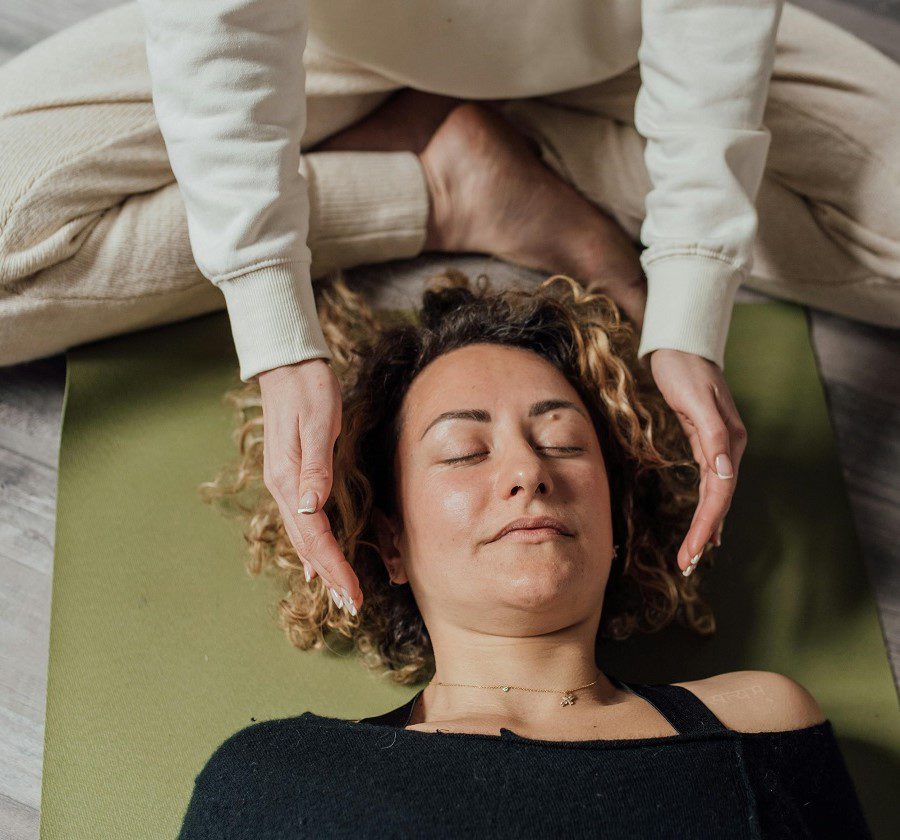
During a Reiki session, a trained practitioner acts as a conduit for universal energy, directing it to the client either through light touch or by hovering their hands above the body. For distance Reiki, the practitioner uses intention and visualization to send healing energy across space, making it accessible regardless of location. This process (within Reiki practice) clears energy blockages, restores balance, and promotes deep relaxation. Sessions typically last 45-60 minutes and are tailored to your unique needs, whether you’re seeking relief from stress, pain, or emotional challenges.
Why Choose Us?
Spark of Life is dedicated to personalized, compassionate care. Our Reiki practitioners are trained in traditional Usui system of Reiki and distance healing techniques, ensuring a professional and intuitive approach. Whether you visit us in Cape Town or connect remotely from anywhere, we create a safe space for your healing journey. Reiki complements our other offerings, like AcuDetox Protocol, providing a holistic path to wellness for you and your loved ones, including pets through Animal Reiki.
Testimonial
“I was skeptical about distance Reiki, but my session with Spark of Life was incredible. I felt a wave of calm during the session, even though I was miles away. My headaches eased, and I’ve been sleeping better since. Highly recommend!” – Lisa M., Durban
Treatment
Book Your Appointment Today!
Ready to experience the restorative power of Reiki? Contact Spark of Life to book an in-person or distance session today. Serving Cape Town, the Southern Suburbs (Constantia, Tokai, Kirstenhof), and clients worldwide through distance healing.

Serving Cape Town’s Southern Suburbs, including Constantia, Tokai, Kirstenhof, and beyond.
A traditional Japanese healing practice for body, mind and spirit
Reiki is a gentle, holistic healing practice originating in Japan. The word Reiki is commonly understood as referring to universal life-force energy, while Reiki Ryoho describes the healing method developed within the Japanese Reiki tradition.
At Spark of Life, Reiki is approached as more than simply a relaxation treatment. It is a practice of healing, balance, self-awareness and personal transformation, traditionally understood to work with the flow of energy through the body and to support harmony between body, mind and spirit.
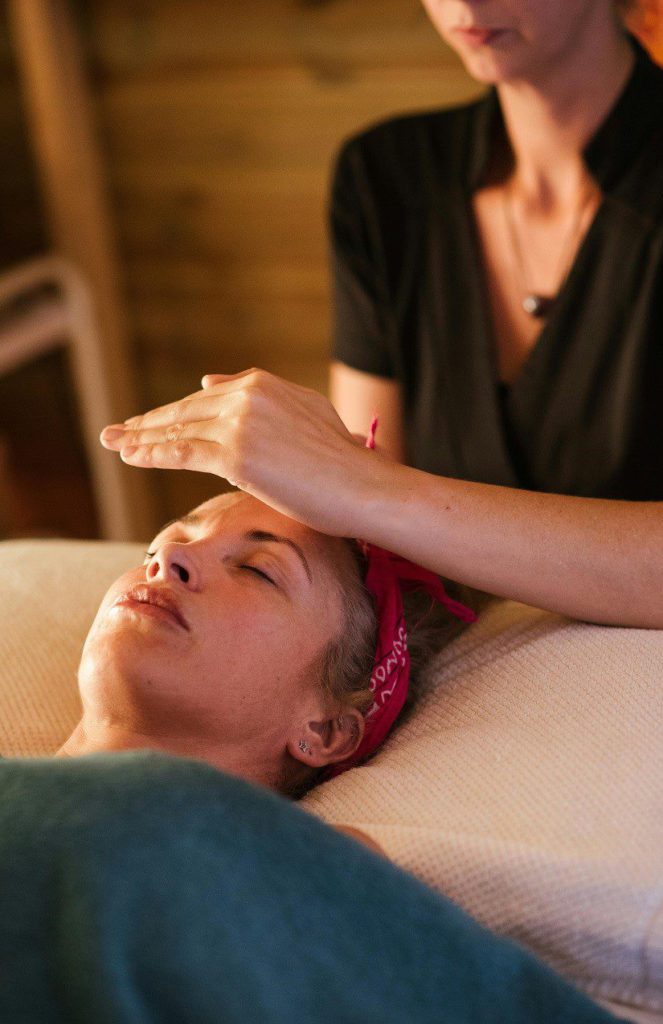
During a Reiki session, the practitioner places their hands lightly on or just above the body, allowing the recipient to rest quietly while the treatment takes place. Some people experience warmth, tingling, deep relaxation or a sense of calm; others experience the session more subtly.
There is no requirement to follow a particular belief system to experience Reiki. You simply need the willingness to pause, receive and allow yourself some quiet time.
Reiki and the healing tradition
The concept of healing through the laying-on of hands is found in many cultures. Japanese Reiki Ryoho, however, has its own identifiable history and lineage, developing in Japan in the early twentieth century through the work of Mikao Usui and those he subsequently taught.
Usui’s approach brought together spiritual practice, personal development and hands-on healing. He established the Usui Reiki Ryoho Gakkai in Tokyo in 1922 and taught students who continued to develop and transmit the practice.
Among those students was Chujiro Hayashi, a former naval officer and medical doctor, who established his own Reiki clinic and school in Tokyo. Historical accounts describe Hayashi keeping records of clients’ conditions and the hand positions used during treatments, contributing to the development and systematisation of Reiki treatment methods.
It was through Hayashi that Hawayo Takata encountered Reiki.
Takata travelled to Japan in the 1930s and received Reiki treatments at Hayashi’s clinic. She subsequently trained in Reiki, returned to Hawaii and began practising and teaching there. In 1938, Hayashi initiated her as a Reiki Master. Takata went on to teach Reiki extensively in Hawaii and the United States, playing a major role in bringing the Usui/Hayashi tradition to the Western world.
This lineage is an important part of the history of the Reiki taught at Spark of Life:
Mikao Usui → Chujiro Hayashi → Hawayo Takata → Western Reiki
The history is not entirely straightforward, and some details of the traditional Western account of Usui’s life have subsequently been challenged by historical research. What is much clearer is the transmission of Reiki practice through Usui, Hayashi and Takata and the enormous role Takata played in establishing Reiki in the West.
Reiki, practice of healing, balance and connection
Reiki Ryoho is a Japanese healing practice traditionally understood to work with Reiki — the universal life-force energy that flows through all living things.
The practice was developed and taught by Mikao Usui (Usui Sensei) in Japan in the early twentieth century. Usui’s system combined hands-on healing with meditation, spiritual development, ethical living and personal practice. His approach became known as Usui Reiki Ryoho — the Usui Reiki Healing Method.
Reiki is traditionally practised by placing the hands gently on or just above different areas of the body. The practitioner does not force or manipulate energy. Rather, the practice is based on allowing Reiki to flow while maintaining a calm, centred and receptive state.
Within the Reiki tradition, this is understood to support the body’s natural movement towards balance, harmony and healing.
Reiki is holistic
Reiki does not separate physical wellbeing from emotional, mental and spiritual wellbeing.
A session may therefore be used to support:
- relaxation and stress reduction
- emotional balance
- inner calm and stillness
- self-awareness
- personal and spiritual development
- a greater sense of connection
- general wellbeing
- support during challenging or transitional periods
People experience Reiki differently. Some describe deep relaxation; others notice warmth, subtle sensations, emotional release or simply a welcome sense of peace and quiet.
There is no prescribed experience that you are expected to have.
Reiki and the body’s natural healing
Within the Reiki tradition, healing is understood as something that occurs through restoring balance and allowing the body’s own healing processes to unfold.
At Spark of Life, we therefore do not present Reiki as a replacement for medical diagnosis or treatment. Instead, it is offered as a complementary healing practice that can sit alongside appropriate healthcare while providing space for relaxation, reflection and personal wellbeing.
Research into Reiki has investigated outcomes including relaxation, anxiety, pain and quality of life. Results have been encouraging in some studies but remain mixed overall, and the quality of the research varies. A systematic review, for example, found therapeutic effects in several of the studies examined but concluded that methodological limitations prevented definitive conclusions about Reiki’s effectiveness.
This distinction is important: the Reiki tradition has a long history of healing practice and practitioner experience, while scientific research into its mechanisms and clinical effectiveness is still developing.
The Reiki Lineage From Japan to the Western world
Mikao Usui — Usui Reiki Ryoho
Mikao Usui developed the system known as Usui Reiki Ryoho in Japan in the early 1920s. He established a Reiki society and clinic in Tokyo, taught students and developed a structured approach incorporating healing, meditation, spiritual practice and personal development.
Usui’s teachings included practices such as Gassho, meditation, Byosen, Reiji-ho and Reiju, alongside hands-on healing.
His first level of training was known as Shoden, followed by Okuden and Shinpiden. This is the foundation from which later forms of Usui Reiki developed.
Chujiro Hayashi — clinical development
One of Usui’s students, Chujiro Hayashi, established his own Reiki clinic and training school in Tokyo.
Hayashi brought a more structured clinical approach to Reiki practice. Accounts of his clinic describe practitioners working with clients and maintaining records of conditions and treatment hand positions. His work contributed to the development of treatment methods that were subsequently passed to his students.
This is particularly relevant to Spark of Life because the training offered here follows the Usui Reiki tradition, rather than presenting Reiki simply as a generic modern energy-healing technique.
Hawayo Takata — bringing Reiki to the West
Hawayo Takata became one of the most important figures in the history of Reiki outside Japan.
After receiving Reiki treatment at Hayashi’s clinic, she trained with him and returned to Hawaii, where she established a Reiki practice and began teaching others. Hayashi later travelled to Hawaii, and Takata became an important teacher and transmitter of Reiki in the Western world.
Takata’s teachings were subsequently carried forward by the Reiki Masters she trained, helping Reiki become established internationally.
For Spark of Life, this lineage provides an important connection between the Japanese Usui tradition and contemporary Western Reiki practice.
References Supporting Reiki Energy Healing
- Rand, W. L. (2020). Reiki: The Healing Touch. International Center for Reiki Training.
- Miles, P. (2018). Reiki and Distance Healing. Reiki.org.
- National Center for Complementary and Integrative Health. (2023). Reiki: In Depth.
- Stein, D. (2019). Essential Reiki: A Complete Guide to an Ancient Healing Art. Crossing Press.
- Quest, P. (2021). Reiki for Life: The Complete Guide to Reiki Practice. TarcherPerigee.