
Book Appointment Now

Effect of Ions on Humans and the Influence of Acupuncture
Comprehensive Exploration of Ions and Acupuncture Practices in South Africa
What are the prevalent sources of ions in South African environments?

In South Africa, various environmental factors significantly impact ion exposure, which primarily arises from urban pollution and the country’s rich natural landscapes. Urban centers, especially cities like Johannesburg and Cape Town, exhibit elevated levels of positive ions due to emissions from vehicles and industrial operations. Conversely, natural areas such as the Drakensberg Mountains present abundant sources of negative ions, which are known to enhance health and well-being. A significant study has highlighted that roughly 40 million South Africans endure adverse respiratory effects annually, emphasising the pressing need for monitoring and managing ion levels across various environments to safeguard public health.
The impact of urban pollution leads to heightened concentrations of positive ions, which are linked to increased respiratory complications within the populace. For instance, a study conducted in Cape Town showcased alarming air quality assessments that revealed high levels of particulate matter correlating with a rise in asthma and other respiratory conditions. In contrast, natural landscapes, particularly coastal areas, offer a refreshing reprieve with their abundant negative ions that enhance mood and cognitive functions. Recognising these diverse sources is vital for health professionals and policymakers who aim to mitigate the effects of ion exposure in urban communities.
How do ions influence human physiology in South Africa?
Ions play an integral role in shaping human physiology, significantly affecting stress levels, immune function, and overall health. In South Africa, ions emitted from coastal winds and industrial zones create a complex interaction that influences the well-being of over 50% of the population. Research conducted in Cape Town indicates that exposure to positive ions can heighten stress levels, leading to increased fatigue and diminished immune responses. Taking actionable steps, such as frequent visits to ion-rich environments like parks or coastal areas, can help individuals alleviate these detrimental effects on health.
Additionally, lifestyle modifications, including practicing mindful breathing techniques and making dietary changes, can bolster resilience against the adverse impacts of ion exposure. Urban residents are encouraged to cultivate ion-friendly spaces at home by incorporating indoor plants, which can enhance air quality and generate negative ions. Awareness of these factors empowers South Africans to adopt proactive strategies aimed at improving their health and well-being in light of ion-related challenges.
How is acupuncture being integrated into South African healthcare?
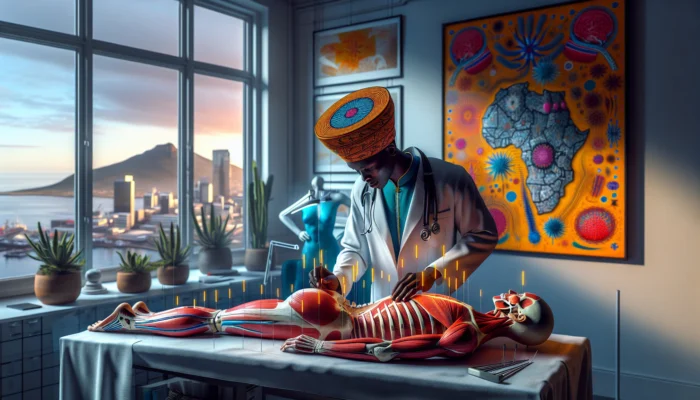
Acupuncture is increasingly recognised in South Africa as an effective method for addressing health issues related to ion exposure. Numerous clinics throughout the nation are incorporating acupuncture into their treatment regimens, aiming to assist patients in restoring balance within their bodies. Practitioners in Johannesburg have reported considerable benefits from acupuncture in managing anxiety, enhancing energy levels, and alleviating symptoms linked to ion imbalances.
The key advantages of acupuncture include:
- Reduced anxiety and stress levels
- Enhanced energy and vitality
- Improved immune system function
- Better sleep quality
- Relief from chronic pain
- Increased mental clarity
- Support in managing allergic reactions
- Holistic approach to wellness
This list underscores the potential of acupuncture as a complementary therapy for individuals grappling with health concerns exacerbated by ion exposure. The integration of acupuncture into South African healthcare is vital for fostering overall health and resilience among the population.
How do ions affect human health in South Africa?

What are the sources of negative ions in South African environments?
Negative ions are essential for improving mood and cognitive function, with various sources present in South African landscapes. Notably, regions like the Kalahari Desert and urban green spaces such as the Kirstenbosch National Botanical Garden in Cape Town provide significant levels of negative ions. Research indicates that exposure to these areas can lead to better mental health outcomes for residents, particularly in high-altitude regions, where elevated negative ion concentrations correlate with improved psychological well-being.
The natural beauty inherent in these regions plays a critical role in promoting mental health. The therapeutic attributes of nature can counteract the stress induced by urban living and industrial pollutants. Therefore, spending time in these negative ion-rich environments emerges as a practical strategy for individuals seeking to enhance their mood and cognitive capabilities. Public health initiatives that encourage outdoor activities can further amplify community well-being by harnessing the positive effects of negative ions.
What effects do positive ions have on South Africans?
Positive ions, commonly stemming from urban pollution and industrial activities, are known to worsen allergies and fatigue among South Africans. In regions such as Johannesburg, deteriorating air quality raises concerns, with studies linking high concentrations of positive ions to increased respiratory problems and overall discomfort. Experts stress the necessity of acknowledging these correlations, urging precautionary measures, particularly for workers in mining regions where positive ion exposure is prevalent.
The negative impact of positive ions manifests in various forms, leading to chronic fatigue, diminished productivity, and heightened stress levels. It is crucial for individuals to seek environments that counterbalance these effects, such as spending time near water bodies or in green spaces, which can assist in restoring equilibrium. By comprehending the implications of positive ion exposure, South Africans can adopt measures to foster healthier living conditions and enhance their overall well-being.
Why are ions significant for everyday life in South Africa?

Ions play a crucial role in influencing sleep patterns among South African communities, with notable differences between rural and urban populations. Seasonal fluctuations also impact ion levels, making it essential for individuals to adjust their lifestyles to mitigate potential disturbances in sleep and overall health. Observations reveal that urban areas typically experience higher concentrations of positive ions, which can disrupt sleep quality and contribute to chronic fatigue.
Real-world examples illustrate that rural communities often enjoy lower exposure to positive ions, resulting in improved sleep outcomes compared to their urban counterparts. Establishing adaptable strategies, such as creating restful environments or practicing relaxation techniques, can help individuals navigate the challenges posed by fluctuating ion levels. Awareness of the impact of ions on sleep is vital for enhancing health and well-being across the diverse populations of South Africa.
Expert Insights into the Effects of Ions on Human Health and Acupuncture’s Role
How does acupuncture alleviate ion-induced stress in South Africa?
Acupuncture sessions conducted in various urban centers across South Africa have showcased a commendable capacity to diminish ion-related stress among patients. By stimulating specific energy points, acupuncture fosters relaxation and enhances overall health. An overwhelming number of clients experience significant health improvements following regular acupuncture treatments, highlighting its effectiveness in addressing the physiological repercussions of ion exposure.
The practice of acupuncture aligns with the body’s innate healing processes, establishing it as a valuable method for managing stress induced by positive ions. Patients frequently report experiencing a profound sense of tranquility and balance after treatments, leading to enhanced energy levels and improved quality of life. Integrating acupuncture into a comprehensive health strategy can empower individuals with the tools necessary to combat the adverse effects of ion-rich environments.
What traditional acupuncture methods are utilized in South Africa?
Traditional acupuncture techniques employed in South Africa effectively address the impacts of ions on chronic pain and overall health. Practitioners utilize a variety of methods to provide relief for patients suffering from conditions exacerbated by ion exposure. Techniques utilised by reputable therapists in Cape Town include fine needle insertion, auricular acupuncture, moxibustion, and electro-acupuncture, each customised to meet individual patient needs.
Key strategies in traditional acupuncture include:
- Point selection based on individual symptoms
- Combining needling with herbal remedies
- Utilizing moxibustion to enhance treatment outcomes
- Incorporating lifestyle recommendations alongside treatment
- Focusing on maintaining energy balance throughout the body
- Conducting regular follow-ups to monitor progress and adjust treatment
- Collaborating with other healthcare professionals for holistic care
- Educating patients on the benefits of acupuncture for ion-related health issues
This comprehensive approach enables practitioners to effectively assist patients in managing their symptoms, emphasizing the significance of personalized care in relation to ion exposure and its associated health challenges.
What modern adaptations of acupuncture are emerging in South Africa?
In South Africa, acupuncture is increasingly being combined with ion therapy to enhance health outcomes for patients facing environmental challenges. Experts at the forefront of pioneering innovative practices that integrate acupuncture with techniques designed to address ion imbalances, thereby amplifying the therapeutic benefits for individuals experiencing respiratory and stress-related issues.
These modern adaptations of acupuncture focus on leveraging technology alongside traditional methods to assess ion levels and tailor treatments accordingly. This approach guarantees that patients receive the most effective care, optimising the advantages of both acupuncture and ion management. As healthcare providers continue to explore these innovative combinations, the potential for improved outcomes in addressing environmental health challenges expands, offering renewed hope for affected populations.
What benefits does acupuncture offer for ion-related health issues in South Africa?
Research-Driven Advantages of Ions on Human Health and Acupuncture’s Impact
How do ions play a role in South African wellness routines?
The interplay of ions significantly affects hydration and vitality within South African lifestyles. Research conducted by universities indicates a positive relationship between acupuncture treatment and enhanced recovery for individuals exposed to elevated levels of positive ions. Community initiatives have emerged, focusing on raising awareness regarding the effects of ions and the benefits of acupuncture in maintaining overall wellness.
Community engagement is crucial for fostering an understanding of how ions impact health. This awareness leads to improved lifestyle choices, encouraging individuals to incorporate practices such as regular acupuncture sessions, which can help mitigate the negative consequences associated with ion exposure. As more South Africans become cognisant of the significance of these practices, collective health outcomes can improve, fostering a more resilient population.
What changes has acupuncture introduced to ion management strategies?
Acupuncture has revolutionized the approach to managing ion-related health issues in South Africa, reshaping perceptions regarding treatment and prevention. Actionable insights derived from studies suggest that integrating acupuncture into daily routines can effectively counteract the adverse effects of ion exposure. These recommendations may include regular acupuncture sessions, practicing mindful breathing, and creating ion-rich environments at home.
As the adoption of acupuncture increases, South Africans are becoming more proactive in managing their health concerning ion exposure. This paradigm shift not only alleviates symptoms for those already affected but also encourages a preventative approach, motivating individuals to embrace a holistic perspective on health and wellness. The integration of acupuncture into daily life underscores the importance of comprehensively addressing the impacts of ions on health.
What long-term effects arise from combined therapies in South Africa?
In South Africa, the combination of acupuncture and heightened awareness regarding ion exposure yields significant long-term health benefits. Experts analyzing data from national health surveys have observed a marked reduction in common ailments among those who have incorporated acupuncture into their health routines. This synergy fosters resilience against the adverse impacts of ion exposure, resulting in an enhanced quality of life.
The long-term advantages of combined therapies extend beyond immediate symptom relief. Patients frequently report sustained improvements in energy levels, mental clarity, and overall health. By promoting regular acupuncture and raising awareness about ions, South Africans can cultivate healthier lifestyles, mitigating the long-term effects of environmental stressors. This comprehensive approach positions acupuncture as a pivotal element in the pursuit of optimal health.
What emerging trends are shaping the synergy between ions and acupuncture for South African health?
Recent research is exploring the synergistic effects of ions and acupuncture, particularly in enhancing immunity and improving mental clarity. Indications are that incorporating daily practices centered around ion exposure and acupuncture can alleviate fatigue and bolster overall health. Health experts advocate for safe implementation guidelines, underscoring the importance of education and accessibility for the population.
As this research evolves, it highlights the necessity for an integrated approach to health that combines traditional practices like acupuncture with contemporary understandings of ion exposure. The potential for improved immunity through this synergy presents a promising avenue for public health initiatives. Encouraging individuals to engage with these emerging trends can foster more resilient communities equipped to tackle environmental challenges.
How has acupuncture influenced health practices in South Africa?
Practical Applications of Ions and Acupuncture in South Africa
What key challenges hinder access to acupuncture for ion-related issues?
Despite the numerous benefits of acupuncture in addressing ion-related health challenges, several barriers persist in South Africa that impede access to these treatments. Rural regions often contend with difficulties such as limited availability of trained practitioners and insufficient awareness regarding the benefits of acupuncture. Local health policies aim to overcome these obstacles, promoting greater accessibility and outreach to underserved populations.
Strategies to enhance access include implementing community education initiatives that demystify acupuncture and highlight its relevance in managing ion exposure. Furthermore, mobile health units could deliver acupuncture services to remote areas, bridging the gap for those in need. Tackling these challenges is essential for ensuring equitable access to acupuncture and its related health benefits across South Africa.
How are community-based programs addressing ions and acupuncture?
Community-based programs within South African townships are playing an essential role in promoting education about imbalance of ions and the benefits of acupuncture. Initiatives designed to enhance awareness prove particularly effective when tailored to local needs and cultural contexts. Successful implementations in local schools illustrate how integrating health education can empower individuals to take control of their well-being.
These programs emphasise the significance of understanding ion exposure and its health implications while also providing practical strategies for incorporating acupuncture into daily routines. By engaging community members in a culturally sensitive manner, these initiatives foster a sense of ownership over health practices, ultimately leading to more resilient and informed populations.
What future trends are anticipated in the integration of ions and acupuncture?
Emerging trends increasingly focus on the integration of ion awareness and acupuncture for holistic healthcare. Ongoing research highlights potential advancements in treatment methodologies that combine both practices, paving the way for innovative health solutions. These trends reflect a growing acknowledgment of the necessity to address environmental health challenges through comprehensive strategies.
As public interest in holistic health continues to rise, the integration of ion and acupuncture practices is expected to become more mainstream. This evolution will necessitate ongoing training for healthcare providers to ensure they are equipped to deliver effective and culturally relevant treatments. Looking ahead, the collaboration between traditional practices and modern medicine promises to enhance health outcomes for all South Africans.
What regulatory frameworks govern ions and acupuncture in South Africa?
In South Africa, regulatory frameworks play a vital role in overseeing the use of acupuncture, ensuring both safety and efficacy in these practices. The Health Professions Council has established policies that guide practitioners in their operations, promoting professional training and public access to acupuncture services. These frameworks are crucial for building trust within communities and motivating individuals to seek treatment.
By enforcing regulations, the government supports a structured approach to integrating acupuncture into mainstream healthcare. This not only bolsters the credibility of acupuncture as a legitimate treatment option but also encourages practitioners to adhere to established standards of care. As regulatory frameworks continue to evolve, they will shape the landscape of acupuncture and health management in South Africa, ultimately benefiting public health.
Frequently Asked Questions
What are ions, and how do they impact human health?
Ions are charged particles that can have both positive and negative implications for health. Positive ions are often associated with stress and fatigue, while negative ions are linked to enhanced mood and cognitive function.
How does acupuncture assist with ion-related stress?
Acupuncture alleviates ion-induced stress by stimulating energy points in the body, promoting relaxation and enhancing overall well-being. Studies indicate significant improvements in patients following regular acupuncture treatments. Combined with magnet therapy the negative ions are corrected to positive.
What are the primary sources of positive ions in South Africa?
In South Africa, positive ions mainly originate from urban pollution, industrial activities, and high-traffic areas, exacerbating respiratory issues and overall discomfort among the population.
Can negative ions contribute to improved mental health?
Yes, exposure to negative ions, found in natural environments like forests and coastal areas, can enhance mood, reduce stress, and improve cognitive function, leading to better mental health outcomes.
What lifestyle adjustments can help mitigate the effects of positive ions?
To alleviate the effects of positive ions, individuals can spend time in nature, practice deep breathing, incorporate indoor plants, and consider regular acupuncture sessions to enhance well-being.
How do ions influence sleep patterns?
Ions can significantly affect sleep patterns, with positive ions often causing disturbances while negative ions promote restful sleep. Understanding this can help individuals adapt their environments for improved sleep quality.
What regulatory measures oversee acupuncture in South Africa?
The Health Professions Council of South Africa has established regulatory frameworks to ensure the safety and effectiveness of acupuncture practices, promoting professional training and public access to treatments.
How can one locate a qualified acupuncturist in South Africa?
Individuals can find qualified acupuncturists by consulting the registry maintained by the Health Professions Council, seeking recommendations from healthcare providers, or exploring local wellness centers offering acupuncture.
What long-term benefits arise from combining acupuncture and ion management?
The combination of acupuncture with ion management can lead to sustained health improvements, including reduced symptoms associated with ion exposure, enhanced energy levels, and overall better well-being over time.


The interplay between ions and our environments is fascinating, especially in a diverse country like South Africa. It makes me think about how our natural landscapes can be so beneficial for health amidst the urban challenges we face. I personally love visiting places like the Drakensberg, where the air feels so much fresher and revitalizing, likely due to those negative ions you mentioned. I’ve also read about how certain practices in mindfulness and nature therapy utilize these natural benefits, which is a great parallel to the discussion of acupuncture. It’s intriguing to consider how holistic approaches can address not just physical, but also mental well-being, particularly in urban settings where stress levels are often higher. Have others found similar rejuvenation experiences in natural areas, or do you think urban environments could adopt more strategies to create healthier spaces?
The exploration of ion exposure in South Africa presents a fascinating intersection of environmental health and urban dynamics. The disparity between the positive ions generated in urban settings and the negative ions found in natural landscapes illustrates a critical aspect of our living conditions. It’s concerning to consider that around 40 million South Africans face adverse respiratory issues—this statistic certainly highlights the urgent need for effective public health strategies.
What a captivating deep dive into the ion-filled landscape of South Africa! It’s interesting to think about how we often associate ions solely with science class and forget their real-life implications—especially when it comes to our health. I mean, who knew that Johannesburg’s traffic jams and Cape Town’s smog could be turning us into walking positive-ion magnets?
It’s fascinating to read your exploration of ions and their sources within South Africa’s diverse environmental landscape. I can’t help but reflect on how integral these natural and urban ion dynamics are to our overall health and well-being. The contrast you highlighted between urban areas like Johannesburg and the serene Drakensberg Mountains really illustrates the broader implications of ion exposure.
It’s fascinating to see the connection between ion levels and our health in South Africa. I often think about how the natural landscapes, like the serene environments of the Drakensberg, offer a stark contrast to the bustling cities. I recently visited a small town near the mountains, and I felt such a palpable difference in the air quality—much clearer and refreshing, which really emphasizes the benefits of negative ions on our well-being.
It’s fascinating to see how the interplay of urban pollution and natural landscapes shapes our health in South Africa. I often wonder about the potential benefits of integrating acupuncture and other holistic practices to counteract the negative effects of positive ions in cities. For example, as these practices tap into the body’s energy, they might help mitigate the stress that comes from urban living. It would be interesting to explore if there are specific acupuncture points that could be particularly effective in urban centers, considering the unique environmental challenges we face.