
Book Appointment Now

How Acupuncture Reshapes Brain and Fascia: Key Mechanisms
Understanding the Science Behind Acupuncture in South Africa
What mechanisms are involved in altering brain function through acupuncture?

In South Africa, traditional acupuncture techniques have proven to significantly impact brain function by modifying neural pathways. Research from esteemed institutions, including the University of Cape Town, has demonstrated that acupuncture can elevate cognitive responses by stimulating targeted acupoints linked to brain activity. For example, individuals receiving acupuncture for anxiety commonly show enhanced focus and mental clarity, a phenomenon validated by both qualitative patient feedback and quantitative studies assessing brainwave activity.
Clinics such as the Spark Of Life Acupuncture in Cape Town have documented remarkable improvements, where patients receiving treatment display heightened engagement in cognitive tasks following their sessions. This aligns with research indicating that acupuncture can trigger the release of neurotransmitters, essential for boosting mood and focus. By merging ancient practices with contemporary scientific research, acupuncture serves not only as a source of emotional relief but also as a means to enhance cognitive functions, establishing it as a critical component of holistic health strategies in South Africa.
What historical roots shape acupuncture practices in South Africa?
The development of acupuncture in South Africa presents a captivating story of adaptation and cultural fusion. Indigenous healing practices have traditionally encompassed various forms of bodywork and herbal remedies, establishing a foundation for the acceptance of acupuncture within modern health systems. This evolution reflects a harmonious blend of traditional African healing methodologies and Eastern techniques, empowering South Africans to adopt a more comprehensive approach to health and wellness.
Research from Johannesburg has illustrated how these practices have been intricately woven into the fabric of contemporary medicine. Studies focusing on brain plasticity have provided compelling evidence of acupuncture’s role in promoting brain health, highlighting its ability to catalyze significant neurological changes. As recognition of acupuncture grows, its adoption in both public and private healthcare sectors is on the rise, with hospitals increasingly integrating it as a complementary treatment option. This historical backdrop enriches the understanding of acupuncture’s medicinal value and positions it as a respected practice within South Africa’s healthcare landscape.
What are the key components of the fascial network and their significance?
The fascial network is integral to overall bodily function, acting as a connective tissue that supports organ functionality and facilitates movement. Within the South African context, acupuncture has emerged as a potent method for addressing fascial restrictions, which contribute to a variety of health concerns. Acupuncture enhances tissue connectivity, resulting in significant pain relief and improved mobility across diverse populations.
Practitioners have observed that by targeting specific acupoints, they can effectively manipulate the fascia, alleviating tension and promoting enhanced blood flow. This is particularly significant in a nation where chronic conditions such as back pain and sports injuries are prevalent. The recognition of acupuncture’s role in treating fascial issues is gaining traction among physiotherapists and medical practitioners, underscoring the crucial importance of this network for optimal health and well-being in South African communities.
What is the impact of acupuncture on chronic pain management in South Africa?

Acupuncture has emerged as a vital therapeutic modality for managing chronic pain within South African populations. Highlighting its effectiveness in alleviating pain levels among participants aged 40 to 70. Patients report a reduced dependence on pain medications and an increase in mobility, highlighting acupuncture’s pivotal role in enhancing overall quality of life.
Clinicians emphasise that acupuncture addresses pain not only at the site but also influences brain pathways associated with pain perception. This holistic approach is particularly beneficial in a society facing the challenges of chronic diseases along with medication overuse. As patients experience relief through acupuncture, they often feel empowered to engage in physical activities that improve their overall health. The positive outcomes reinforce acupuncture’s potential as a primary treatment for chronic pain, setting a standard for its wider application within South Africa’s healthcare framework.
How is acupuncture integrating into modern healthcare systems?
The incorporation of acupuncture into South Africa’s public health framework underscores its increasing recognition as a valuable treatment modality. Acupuncture not only enhances patient recovery rates but also demonstrates cost-effectiveness in addressing common ailments. Hospitals and clinics are progressively integrating acupuncture into their treatment protocols, especially for conditions like chronic pain, stress disorders, and rehabilitation after injuries.
This shift towards integrative healthcare is supported by evidence that highlights the benefits of complementary therapies. Acupuncture’s capacity to enhance patient outcomes while alleviating the strain on healthcare resources has sparked discussions regarding its inclusion in national health policies. As more patients experience the tangible benefits of acupuncture, the healthcare community is encouraged to advocate for its systematic incorporation, ensuring broader access to this transformative therapy for all individuals.
How Does Acupuncture Influence Brain Waves?
What neural changes can be observed during acupuncture treatments?
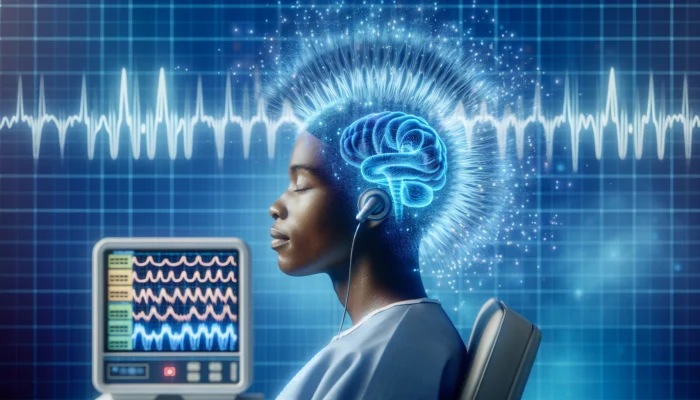
Acupuncture significantly affects brainwave patterns, resulting in noticeable neural changes during treatment sessions. In South African healthcare facilities, EEG studies have indicated that patients undergoing acupuncture often display increased alpha waves, which are associated with a relaxed yet alert state of mind. This effect is particularly beneficial for those experiencing high levels of stress and anxiety, as it fosters improved focus and mental clarity.
Practitioners in various clinics have noticed that patients frequently report a sense of calm and enhanced cognitive function following acupuncture sessions. The modulation of brain waves through acupuncture not only influences mood but also boosts cognitive processing capabilities. This sophisticated comprehension of brain wave activity highlights acupuncture’s essential role as a therapeutic tool, facilitating a closer connection between physical treatment and mental health outcomes.
What common techniques are employed in acupuncture locally?
In South Africa, various acupuncture techniques are utilised, each tailored to effectively reshape brain activity. Local practitioners have adapted traditional methods to cater to the unique needs of South African patients, emphasising techniques that alleviate stress and enhance overall mental well-being. For instance, some practitioners employ a combination of needling and acupressure, focusing on specific points linked to anxiety reduction and cognitive enhancement.
These techniques are crafted to stimulate the release of endogenous opioids and serotonin, promoting a balanced emotional state. The integration of contemporary understandings of brain function with traditional acupuncture practices fosters a holistic approach that resonates deeply with patients. Observations from local practitioners suggest that individuals who incorporate these acupuncture techniques into their health regimens often experience profound stress relief and improved mental performance, making it a vital aspect of modern health practices in South Africa.
How are the long-term effects of acupuncture measured?
The long-term effects of acupuncture on brain health have garnered significant interest in South Africa, where researchers are investigating how repeated sessions can lead to sustained cognitive improvements. Insights from neuroscientists indicate that individuals who participate in regular acupuncture treatments frequently report enhancements in memory retention and overall cognitive agility. A growing body of evidence suggests that acupuncture may promote neuroplasticity, facilitating adaptive changes in brain function over time.
Consistent acupuncture sessions create an environment where brain cells can flourish, thereby enhancing learning capabilities and memory. Patients involved in various studies have indicated not only immediate relief from symptoms but also lasting enhancements in cognitive performance, which can be especially advantageous for aging populations. This long-term outlook on acupuncture reinforces its value as a viable treatment option for preserving brain health and cognitive functionality in South Africa.
The Role of Meditation in Enhancing Brain Health
How does meditation contribute to enhancing neural connections?
Meditation is a powerful practice that fosters neural connections and promotes brain health in multiple ways. Mindfulness programs, particularly like Transcendental Meditation, have demonstrated substantial increases in gray matter density among participants. Such findings, validated by MRI scans, indicate that regular meditation can induce structural changes in the brain that enhance cognitive function and emotional stability.
The practice of meditation promotes mental focus and emotional regulation, leading to improved decision-making abilities. Participants in local meditation workshops report heightened awareness and clarity, crucial for both personal and professional growth. As meditation becomes increasingly integrated into daily practices, its positive impact on brain structure reaffirms its significance as a complementary practice to acupuncture, amplifying the overall effectiveness of holistic health approaches in South Africa.
What cultural adaptations influence meditation practices?
South African communities have embraced various forms of meditation, often intertwining them with acupuncture for a more comprehensive approach to health. Local wellness retreats are promoting meditation techniques that resonate with cultural practices, fostering a sense of emotional resilience among participants. These retreats frequently incorporate traditional music and storytelling into meditation sessions, creating a unique experience that enriches cultural identity while promoting mental well-being.
Through these adaptations, meditation evolves from a personal practice into a communal activity that strengthens social bonds. Participants often share their experiences, cultivating a collective understanding of meditation’s benefits. By intertwining cultural elements with mindfulness practices, South African communities are weaving together a vibrant tapestry of healing that honours their heritage while embracing contemporary wellness practices.
What are the effects of meditation on stress and cognition?
The combined practices of acupuncture and meditation have demonstrated significant effects on stress reduction and cognitive enhancement in South Africa. Studies have highlighted how these practices not only alleviate anxiety but also improve memory and mental clarity. Participants report reduced stress levels and enhanced focus, directly contributing to their performance in both personal and professional environments.
By engaging in regular acupuncture and meditation sessions, individuals cultivate a greater sense of emotional balance and cognitive resilience. This dual approach addresses immediate stressors and equips individuals with the tools necessary to navigate life’s challenges. As more South Africans adopt these practices, the benefits extend beyond individual health, fostering a community characterized by emotional well-being and cognitive vitality.
What role does meditation play in neuroplasticity among aging populations?
Meditation plays a pivotal role in supporting brain plasticity, especially among South Africa’s aging populations. Programs implemented demonstrate that regular meditation can significantly mitigate cognitive decline, enhancing overall mental agility and daily functioning. Participants in these programs report improvements in memory and quicker processing speeds, showcasing meditation’s potential as a protective factor against age-related cognitive challenges.
The focus on neuroplasticity emphasises that the brain remains adaptable and capable of forming new connections throughout life. This adaptability is crucial for seniors who often encounter cognitive obstacles. By promoting meditation as a regular practice, communities can cultivate environments where aging individuals maintain their cognitive health and engage meaningfully in their daily lives, fostering a more vibrant and supportive society for all.
What effects does meditation have on sleep quality and brain recovery?
Meditation has been shown to substantially improve sleep quality among urban dwellers in South Africa, addressing a pressing issue in a country where insomnia and sleep disturbances are widespread. Evidence suggests that individuals who practice meditation regularly experience enhanced sleep patterns and improved brain recovery. Better sleep quality is linked to improved emotional regulation and cognitive performance, establishing meditation as an essential practice for overall health.
Patients often report waking up feeling more refreshed and mentally alert, vital for maintaining productivity throughout their daily activities. The calming effects of meditation contribute to reduced cortisol levels, promoting restorative sleep cycles. As more South Africans acknowledge the significance of sleep for brain health, incorporating meditation into their routines offers a practical solution to enhance both mental and physical well-being.
Expert Insights on Acupuncture’s Influence on Fascia
What advanced techniques are used for fascial realignment?
In South Africa, advanced techniques for fascial realignment through acupuncture are being refined to improve therapeutic outcomes. Specific methodologies aimed at reshaping the fascia, facilitating improved mobility and pain management. These techniques often combine needling with manual therapy, targeting restricted fascia to restore balance within the body.
Practitioners emphasise the importance of understanding the fascial network and its role in overall health. By concentrating on specific fascia-related points, practitioners promote better tissue hydration and elasticity, essential for pain relief and increased functionality. These actionable techniques can be readily adopted by patients, empowering them to take charge of their healing journeys while benefiting from the deeply restorative effects of acupuncture.
What benefits does acupuncture provide for chronic pain management?
Acupuncture serves as an effective approach for addressing fascial issues related to chronic pain management in South Africa. By targeting specific acupoints corresponding to fascial restrictions, practitioners can facilitate substantial pain relief. South African specialists recommend incorporating acupuncture into daily routines for optimal mobility and function, particularly for individuals enduring chronic pain conditions.
Patients frequently discover that regular acupuncture sessions not only alleviate pain but also enhance their overall quality of life, enabling them to engage in activities they once found challenging. Practical measures, such as maintaining a consistent acupuncture schedule and combining treatments with physical therapy, further optimise the benefits of acupuncture for fascial health. This holistic approach fosters a comprehensive understanding of pain management that aligns with the diverse needs of various populations in South Africa.
How is acupuncture integrated with other therapeutic modalities?
Integrating acupuncture with other therapeutic approaches is becoming increasingly popular in South Africa as practitioners strive to optimise patient outcomes. Experts have highlighted the advantages of combining acupuncture with holistic strategies, such as physiotherapy and chiropractic care. This multifaceted approach enables practitioners to address not only fascial health but also broader systemic issues.
For instance, combining acupuncture with yoga can enhance flexibility and promote relaxation, creating a synergistic effect that amplifies the benefits of both practices. South African experts advocate for developing personalised treatment plans that consider each patient’s unique needs and preferences, fostering a comprehensive wellness strategy. By embracing a collaborative approach, healthcare providers can offer patients a more effective and enriching experience in their health and wellness journeys.
What Are the Benefits for Overall Well-Being?
How do acupuncture and meditation practices enhance daily life?
The combined practices of acupuncture and meditation lead to notable enhancements in overall well-being, significantly impacting daily life in South Africa. Participants in local programs frequently report increased energy levels and improved mood, enabling them to tackle their responsibilities with renewed vigor. These benefits translate into heightened productivity at work and more satisfying personal relationships, creating a positive feedback loop that reinforces healthy habits.
The empowerment derived from engaging in these holistic practices is immense. Individuals discover newfound resilience in coping with challenges, equipping them with tools to manage stress effectively. Testimonials from participants illustrate transformations not only in physical health but also in emotional stability, highlighting the comprehensive benefits of acupuncture and meditation on overall life satisfaction.
What longevity effects do these practices have on brain function?
Various longevity effects of acupuncture and meditation on brain function, uncovering a range of benefits that contribute to enhanced cognitive health, include:
- Reduced inflammation, promoting healthier brain tissue.
- Improved sleep patterns, leading to better cognitive restoration.
- Enhanced neuroplasticity, allowing for adaptive learning.
- Increased blood flow, supporting brain metabolism and function.
These benefits collectively underline the importance of integrating acupuncture and meditation into daily routines, especially for individuals seeking to maintain cognitive health as they age. The focus on longevity resonates strongly with South African communities, where there is a growing recognition of the need for proactive health measures that support long-term brain health.
What social and emotional gains are associated with these practices?
Engaging in acupuncture and meditation cultivates social and emotional gains that enrich the lives of individuals in South Africa. These practices foster community ties and emotional stability, as individuals participate in group sessions that encourage connection and shared experiences. Participants often develop stronger relationships, resulting in heightened feelings of belonging and support.
The communal aspect of these practices enhances emotional well-being, making individuals feel less isolated in their struggles. As people share their experiences, they create a network of support that nurtures resilience and personal growth. This aspect of social connectedness is vital in a rapidly evolving world, where emotional challenges can often feel overwhelming. By embracing acupuncture and meditation, individuals not only improve their health but also contribute to a more compassionate and connected community.
Research-Backed Benefits in South Africa
What evidence from local clinical trials supports these practices?
South African research has provided compelling evidence connecting acupuncture to enhanced brain reshaping, showcasing significant advancements in understanding the therapy’s benefits. University studies have illustrated that acupuncture stimulates neurogenesis, the process by which new neurons form, leading to improved neural efficiency. This research highlights the transformative effects acupuncture can have on cognitive function, particularly in individuals experiencing cognitive decline.
The ongoing exploration of acupuncture’s role in brain health underscores its potential as a preventative measure against neurodegenerative conditions. As researchers continue to investigate the underlying mechanisms, the findings reinforce the case for integrating acupuncture into conventional medical practices, paving the way for innovative treatment protocols that prioritise brain health.
What fascia-related outcomes are observed in studies?
Data from studies exploring changes in the fascia have provided valuable insights into acupuncture’s influence on fascial health. Research indicates that acupuncture can enhance fascial hydration and elasticity, significantly impacting mobility and pain management. These findings highlight the necessity of incorporating the fascial network into treatment protocols, particularly for patients suffering from chronic pain conditions.
Expert analyses stress the importance of integrating fascial assessments into acupuncture practices, allowing practitioners to tailor treatments to individual needs. By understanding the interplay between fascia and overall health, healthcare providers can develop more effective strategies for improving patient outcomes, emphasising the relevance of fascia-related research in South Africa’s healthcare landscape.
What comparative effectiveness insights have emerged from studies?
Research insights have begun comparing the effectiveness of acupuncture and meditation, revealing their combined impact on the nervous system. Studies indicate that when utilised together, these practices can significantly enhance emotional regulation, cognitive clarity, and overall mental health. This comparative analysis is essential for comprehending the multifaceted benefits of holistic therapies, enabling practitioners to recommend integrated treatment plans for patients.
Expert recommendations emphasise the complementary nature of acupuncture and meditation, suggesting that their combined use can yield more profound health benefits than either practice alone. By promoting awareness of these insights, healthcare providers can encourage patients to explore the synergistic effects of these therapies, ultimately enhancing their well-being and quality of life.
Practical Applications in Daily Routines
What daily habits support brain reshaping and cognitive health?
Incorporating acupuncture into daily routines provides South Africans with a practical strategy to support brain reshaping and cognitive health. Local centers have developed structured programs that emphasise the significance of consistency in treatment. Patients who engage in regular acupuncture sessions frequently report notable enhancements in memory and focus, underscoring the importance of routine as a cornerstone of effective practice.
In addition to acupuncture, lifestyle habits such as maintaining a balanced diet, engaging in physical activity, and practicing mindfulness through meditation play crucial roles in supporting brain health. The combination of these practices enables individuals to formulate a comprehensive wellness strategy that nurtures cognitive resilience and emotional stability. As participants adopt these habits, they not only improve their brain health but also contribute to a more vibrant, health-oriented community in South Africa.
How can meditation be incorporated for fascial health?
South Africans are increasingly acknowledging the role of meditation in maintaining fascial health. Experts advocate for the integration of mindfulness practices into daily routines, highlighting the importance of flexibility and injury prevention. Meditation enhances body awareness, allowing individuals to identify and address fascial issues before they escalate into more significant concerns.
Strategies such as guided meditation sessions that focus on body scanning can help individuals cultivate a deeper connection with their fascia, promoting relaxation and ease of movement. By fostering awareness of physical sensations, participants can better manage stress and physical tension, contributing to overall fascial health. This integration of meditation into daily life not only supports individual well-being but also encourages a holistic understanding of health within the broader South African context.
What methods are effective for monitoring progress over time?
Monitoring progress in brain and fascial improvements is crucial in engaging in acupuncture and meditation. Practitioners recommend utilising tools such as apps and journals to track changes in cognitive function, emotional stability, and physical flexibility. Regular self-assessment allows individuals to observe their development and adjust their routines accordingly, ensuring they maximize the benefits of their practices.
By documenting experiences and outcomes, participants can cultivate a clearer understanding of how acupuncture and meditation influence their health over time. This proactive approach promotes accountability and encourages individuals to remain committed to their wellness journeys. Ultimately, maintaining a record of progress serves as a motivational tool, reinforcing the importance of consistent practice in achieving optimal health benefits.
Why Is Fascia Essential for Neurological Health?
How does fascia influence brain signals and communication?
Fascia plays a pivotal role in influencing brain signals, affecting the internal communication of the body. Research conducted by anatomists emphasises fascia’s involvement in pain signaling and neurological responses. The fascial network functions as a communication highway, relaying information between various body parts and the brain, thereby impacting overall health.
When fascia is healthy and pliable, it supports effective communication and movement throughout the body. Conversely, restrictions within the fascial network can lead to miscommunication, resulting in pain and dysfunction. Understanding this connection is vital for healthcare providers aiming to enhance treatment outcomes, as addressing fascial health can significantly improve neurological function and overall well-being.
What emerging trends are shaping treatment approaches?
Trends in fascia care are showcasing innovative acupuncture methods designed to enhance neurological function. Practitioners are increasingly adopting techniques that prioritise fascial release, utilising tools such as myofascial therapy in conjunction with acupuncture to create a comprehensive treatment approach. These advancements reflect a growing recognition of the importance of fascia in overall health, prompting a shift towards more integrative practices.
The convergence of traditional acupuncture with modern therapeutic techniques positions South African practitioners at the forefront of holistic health care. This evolution not only boosts treatment efficacy but also empowers patients to actively engage in their healing processes. As these trends continue to gain momentum, they promise to redefine treatment paradigms and improve health outcomes across diverse populations.
What are the risks associated with neglecting fascial health?
Neglecting fascial health can lead to significant consequences for overall well-being in South Africa. Key risks linked to inadequate fascia maintenance include:
- Increased vulnerability to injuries, particularly among active individuals.
- Compromised mobility, resulting in chronic pain and discomfort.
- Cognitive decline due to impaired communication within the body.
- Elevated stress levels, as physical tension can exacerbate emotional challenges.
Understanding these risks is critical for both individuals and healthcare providers, as prioritising fascial health can prevent a range of issues that adversely affect physical and mental well-being. By advocating for regular maintenance of the fascial network through practices like acupuncture and mindful movement, South Africans can enhance their quality of life and overall community health.
Future Directions in Treatment Approaches
What evolving techniques are being explored for brain enhancement?
The landscape of acupuncture and its techniques continues to evolve in South Africa, with research indicating promising innovations aimed at enhancing brain health. Researchers are investigating advanced methodologies that refine acupuncture practices, focusing on precision in targeting acupoints related to cognitive function. These advancements strive to maximise the therapeutic effects of acupuncture, enabling practitioners to deliver more effective treatments tailored to individual needs.
As the field progresses, South Africa is likely to see an increase in specialised training programs for practitioners, ensuring they are equipped with the latest techniques and knowledge. This commitment to continuous education reflects a proactive approach to healthcare, aiming to elevate standards and outcomes for patients seeking brain enhancement through acupuncture therapies.
What is the growing influence of meditation in health practices?
Meditation is rapidly emerging as a critical component of therapeutic practices in South Africa, with community initiatives underscoring its importance for both fascial and neurological health. Workshops and retreats that integrate meditation into holistic wellness programs are gaining popularity, providing participants with the tools to manage stress and cultivate emotional resilience.
The growing acknowledgment of meditation’s benefits is evident in its incorporation into various treatment protocols, alongside acupuncture and other therapies. As more South Africans embrace mindfulness practices, healthcare providers are encouraged to advocate for meditation as an essential element of comprehensive health strategies, fostering a culture of well-being throughout the community.
What challenges and solutions lie ahead for integrating these practices?
Despite the promising advancements in acupuncture and meditation practices, challenges persist in South Africa regarding their integration into mainstream healthcare. Barriers such as limited access to practitioners and a lack of awareness about the benefits of these therapies can impede progress. Nevertheless, experts are actively working on solutions to promote greater accessibility and education surrounding these practices.
Implementing community outreach programs aimed at educating the public about the advantages of acupuncture and meditation can help bridge the awareness gap. Additionally, integrating these practices within existing healthcare frameworks can facilitate broader acceptance and utilisation. By collaboratively addressing these challenges, South Africa can pave the way for a healthier society that embraces holistic health approaches for all its citizens.
Frequently Asked Questions (FAQs)
What is acupuncture, and how does it function?
Acupuncture is a traditional Chinese medicine practice that involves inserting thin needles into specific points on the body. It operates by stimulating the nervous system, promoting healing, and enhancing overall well-being.
How does acupuncture affect brain function?
Acupuncture influences brain function by stimulating specific neural pathways, leading to the release of neurotransmitters and enhancing cognitive performance and emotional stability.
What role does fascia play in the body?
Fascia is a connective tissue that surrounds muscles, organs, and bones. It plays a vital role in movement, support, and internal communication within the body.
Can meditation assist with stress management?
Yes, meditation is effective in reducing stress by promoting relaxation and enhancing emotional regulation, which can lead to improved overall mental health.
How often should one undergo acupuncture treatment?
The frequency of acupuncture sessions varies based on individual needs, but many practitioners recommend weekly or bi-weekly sessions for optimal results, particularly for chronic conditions.
Is meditation beneficial for cognitive health?
Absolutely! Regular meditation can enhance cognitive function, improve memory, and promote neuroplasticity, making it a valuable practice for maintaining brain health.
What are the signs of fascial restrictions?
Signs of fascial restrictions include chronic pain, reduced mobility, tension in specific areas, and discomfort during movement or physical activity.
How can I integrate acupuncture and meditation into my routine?
Integrating acupuncture and meditation can involve scheduling regular sessions for both practices, incorporating mindfulness into daily activities, and exploring community programs that offer workshops.
What should I expect during an acupuncture session?
During an acupuncture session, you can expect a thorough assessment, followed by the insertion of fine needles into specific points. Most individuals report minimal discomfort and often feel relaxed during and after treatment.
Are there risks associated with acupuncture?
When performed by trained professionals, acupuncture is generally safe. However, potential risks include minor bruising, soreness at needle sites, and, rarely, infections if not conducted in sterile conditions.



It’s fascinating to see how acupuncture, rooted in traditional practices, finds modern validation through scientific research! The connection between acupuncture and enhanced cognitive function is something I’ve experienced firsthand. After a few sessions, I noticed a significant improvement in my focus, especially while studying for exams. It makes me wonder how we can better integrate such holistic approaches into conventional healthcare.
Your exploration of acupuncture’s impact on brain function in South Africa presents a fascinating intersection of traditional healing and modern neuroscience. It’s particularly intriguing how research from reputable institutions like the University of Cape Town is shedding light on these ancient practices, validating their efficacy through scientific inquiry. It’s heartening to see a blend of cultural heritage and contemporary science working together to improve health outcomes.
Your exploration of acupuncture and its effects on brain function in South Africa opens up an intriguing dialogue about the intersection of traditional practices and modern science. The involvement of esteemed institutions like the University of Cape Town adds credibility to the emerging understanding of acupuncture’s role in enhancing cognitive function.
Your exploration of the neurobiological mechanisms underlying acupuncture’s effects on brain function is both intriguing and timely, especially given the rising interest in integrative health practices. As someone who has delved into alternative therapies for both personal and clinical reasons, I appreciate the call to consider acupuncture through a scientific lens, especially here in South Africa where such modalities are deeply rooted in our cultural fabric.
I found your insights on acupuncture and its effects on brain function particularly intriguing, especially in the context of South Africa’s unique blend of traditional practices and modern science. It’s fascinating how acupuncture not only addresses physical ailments but also has profound implications for mental health and cognitive performance.
Your exploration of acupuncture’s effects on brain function is quite enlightening, particularly in the South African context. As someone who’s experienced the benefits firsthand, I can attest to the remarkable shift in mental clarity and anxiety levels after sessions. It’s fascinating how something as ancient as acupuncture can align so well with modern neuroscience, reaffirming its place in holistic wellness.
It’s fascinating to delve into the intricate relationship between acupuncture and brain function, particularly within the context of South Africa’s rich tapestry of traditional healing practices. Your exploration of how this ancient technique modifies neural pathways not only highlights the scientific underpinnings but reminds us that many cultures have long understood the mind-body connection, often well before empirical evidence emerged to support their beliefs.
While the insights from the University of Cape Town suggest a fascinating link between acupuncture and brain function, I find myself intrigued by the cultural backdrop of these practices in South Africa. It’s remarkable how traditional methods like acupuncture are gaining recognition amid modern medical paradigms. However, I wonder how these findings align with the experiences of those who might be wary of integrating such ancient practices into their treatment plans.
Your exploration of the mechanisms behind acupuncture’s effects on brain function is both enlightening and relevant, particularly in the context of South Africa’s rich tapestry of traditional and modern medical practices. I find it fascinating how acupuncture serves as a bridge between ancient wisdom and contemporary science, highlighting not just its cultural significance but also the tangible impact it can have on our neurological and cognitive health.
Fascinating stuff! Who knew that tiny needles could ignite such brain fireworks? I sometimes wonder if I could upgrade my own focus with acupuncture. I mean, my brain could use all the help it can get—especially during Monday meetings that feel longer than a trip to the grocery store with a toddler in tow!
Your exploration of acupuncture’s effects on brain function is both enlightening and timely, especially considering the growing interest in holistic approaches to mental health. It’s fascinating to see how traditional practices can be validated by modern science, bridging the gap between cultural wisdom and contemporary research.
I found your exploration of acupuncture’s effects on brain function particularly enlightening. It’s fascinating to hear about how institutions like the University of Cape Town are blending traditional practices with scientific research to validate the benefits of acupuncture. As someone who has experienced acupuncture for stress and anxiety, I can personally attest to the improved mental clarity and focus that often follows treatment.
Your exploration into the science behind acupuncture, particularly its effects on brain function in the South African context, resonates deeply with my personal experiences and observations. The integration of traditional practices within modern scientific frameworks is not only captivating but also underscores the importance of a holistic approach to health and well-being.
I find the exploration of acupuncture’s effects on brain function in South Africa to be a captivating intersection of traditional practices and modern science. It’s fascinating how long-standing methods are receiving validation through contemporary research, especially in a cultural landscape like South Africa, where both traditional and Western medical practices coexist.
It’s fascinating to see the growing recognition of acupuncture’s role in cognitive enhancement, particularly in South Africa. The idea that specific acupoints can be linked to neural pathways really speaks to the intersection of traditional practices and modern science. I’m especially intrigued by the firsthand experiences from clinics like Spark Of Life in Cape Town; they really provide tangible evidence of acupuncture’s benefits in real-world scenarios.
Ah, acupuncture—the ancient art of sticking needles in people to make them feel better and, apparently, function with the cognitive agility of a superhero! As someone who stumbled upon acupuncture during a desperate attempt to manage my perpetual stress levels (thanks to a job where deadlines grow like weeds), I can relate. Who knew those tiny needles could have such a profound impact on the mind?
It’s interesting how something as simple as a few needles can shift one’s perspective like that. I remember the first time I tried acupuncture—it was almost by accident, really. I was dealing with chronic tension headaches and thought, why not give it a shot? I walked in with skepticism, but the experience turned out to be surprisingly transformative.
I had a similar experience with acupuncture, realizing it not only eases stress but actually boosts blood flow, which seems to amplify my overall well-being—a game changer for my hectic work life.
‘Acupuncture Boosts Blood Flow Naturally: Enhance Your Health’
https://www.sparkoflife.co.za/acupuncture-boosts-blood-flow-naturally-enhance-your-health/.
Your exploration of acupuncture’s impact on brain function in South Africa raises several intriguing points about the intersection of traditional medicine and contemporary neuroscience. The notion that acupuncture can modify neural pathways to enhance cognitive function is particularly compelling, especially when considering the broader implications for mental health treatment in a society grappling with high levels of stress and anxiety.