
Book Appointment Now

Acupuncture Boosts Blood Flow Naturally: Enhance Your Health
Exploring the Benefits of Acupuncture for Health and Wellness in South Africa
What is Acupuncture and How Does it Helps to Decrease Erythrocyte Aggregation?
Acupuncture is a traditional healing practice that involves the insertion of fine needles at precise points on the body to enhance overall health. This ancient technique is particularly effective in reducing erythrocyte aggregation among South African patients, which significantly improves blood circulation and oxygen delivery to vital organs. By adapting traditional methods to meet modern healthcare needs, clinics successfully integrating acupuncture into their treatment offerings. This holistic approach addresses a wide range of health issues, thereby promoting comprehensive wellness and fitness among individuals.
The recognition of acupuncture in South Africa is growing, not only for its efficacy in pain relief but also for its role in improving blood flow, which is essential for maintaining vitality amid the diverse challenges posed by the country’s climate and lifestyle. Furthermore, acupuncture is often practiced alongside indigenous healing methods, establishing it as a culturally relevant and widely accepted therapeutic choice.
Tracing the Evolution of Acupuncture in South Africa
The origins of acupuncture in South Africa can be traced back to the early 20th century, when Eastern medical practices began to influence local healthcare. Over the decades, acupuncture has evolved, becoming integrated into the Western medical framework to address issues related to blood circulation and overall health. The cultural adaptations of this practice have enhanced its effectiveness, making it an integral part of community health initiatives. Initially introduced by practitioners from Asia, acupuncture has been refined through collaborations with South African healthcare systems and local traditions.
- Enhancing blood circulation for improved health
- Alleviating symptoms of chronic fatigue effectively
- Facilitating better oxygen delivery to body tissues
- Decreasing the risk of cardiovascular complications
- Supporting injury recovery for athletes and active individuals
- Promoting holistic wellness and a balanced lifestyle
As the network of acupuncture practitioners expands and public interest continues to grow, acupuncture is increasingly recognized as a valuable complementary therapy alongside conventional medical practices in South Africa.
How Does Acupuncture Enhance Blood Flow in South Africa?
In South Africa, acupuncture plays a crucial role in alleviating conditions associated with poor circulation by effectively reducing erythrocyte aggregation (the reversible clumping of red blood cells). This reduction leads to smoother blood flow and improved oxygen transport throughout the body, often enhanced by incorporating local herbal remedies for even better outcomes. This synergy not only addresses immediate health concerns but also promotes long-term improvements, establishing acupuncture as a preferred non-invasive treatment choice among patients seeking holistic solutions.
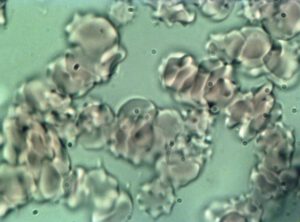

Additionally, the benefits of acupuncture extend beyond physical health. Patients frequently experience mental relaxation and stress relief during their sessions, which is particularly important for urban residents facing daily pressures. Many report increased energy levels and an overall enhancement in well-being, showcasing the therapy’s comprehensive impact on both physical and mental health.
What Mechanisms Enable Acupuncture to Improve Blood Flow?

Understanding the Mechanisms Behind Acupuncture
Acupuncture primarily works by stimulating nerve endings in the body, which promotes vasodilation and reduces the clumping of blood cells. This process enhances blood flow and facilitates better oxygen delivery to tissues, as supported by studies conducted at local universities. The insertion of needles activates specific pathways within the body, leading to increased blood circulation and improved metabolic processes.
This mechanism is particularly beneficial for individuals suffering from underlying conditions that hinder blood flow, such as diabetes or hypertension. By improving blood circulation, acupuncture not only addresses these health issues but also aids in quicker recovery times following illness or injury. The flexibility of acupuncture techniques allows practitioners to tailor treatments to meet the unique needs of each patient, ensuring the highest level of effectiveness.
How Effective is Acupuncture for Patients with Circulation Issues?
This ancient technique has proven to be highly effective for South African patients experiencing circulation problems. Clinical reports frequently indicate improved aggregation levels and heightened energy, establishing acupuncture as a sought-after natural therapy option. Success stories from local acupuncture clinics highlight patients who have found significant relief from chronic pain and fatigue through this treatment.
Moreover, athletes and physically active individuals often seek acupuncture to optimise their performance and recovery. By incorporating acupuncture into their training regimens, many report enhanced endurance and quicker healing times, underscoring the versatility and benefits of this therapeutic modality.
Incorporating Acupuncture into Daily Life for Enhanced Wellness

South Africans are increasingly incorporating acupuncture into their routines to enhance blood flow and manage the stresses of urban living. Many individuals find it easy to schedule acupuncture sessions around their busy lifestyles, leading to observable improvements in their daily activities. This trend reflects a growing emphasis on preventive healthcare, where people actively seek therapies to support and maintain their overall health.
Practitioners encourage patients to view acupuncture not merely as a remedy for existing ailments but also as a proactive measure to sustain optimal health and vitality. With flexible scheduling options and the increasing availability of clinics, many individuals successfully integrate acupuncture into their lifestyles, leading to sustained health benefits over time.
What Insights Do Experts Offer on Acupuncture’s Role in Enhancing Blood Flow?
Expert Perspectives on Blood Flow Enhancement through Acupuncture
Experts in South Africa underscore how acupuncture specifically targets erythrocyte aggregation issues to optimise blood flow. Clinical data reveals that this practice leads to reduced aggregation and improved oxygen levels across diverse populations. Practitioners emphasise the significance of personalised treatment plans, which consider each patient’s unique health profile and lifestyle factors, to maximise the benefits of acupuncture.
These expert insights highlight the multifaceted advantages of acupuncture. By addressing both physical and emotional health, practitioners promote a holistic approach to treatment, which resonates profoundly within South Africa’s culturally diverse landscape. The adaptability of acupuncture techniques enhances its effectiveness, establishing it as a respected therapy among various demographic groups.
How Do Experts Assess the Long-Term Use of Acupuncture?
South African specialists emphasise the long-term benefits of acupuncture for maintaining healthy blood flow. They note that consistent treatments prevent aggregation-related disorders and enhance overall blood circulation. Continuous sessions not only contribute to improved circulation but also cultivate a deeper awareness of personal health, as practitioners support patients in making lifestyle adjustments that complement their acupuncture therapies.
This focus on ongoing care aligns with the growing acknowledgment of preventive healthcare practices. Regular acupuncture sessions encourage patients to stay engaged with their health journeys, ultimately leading to improved health outcomes and a higher quality of life.
What Actionable Steps Can Users Take to Enhance Their Acupuncture Experience?
Individuals interested in acupuncture in South Africa should consider expert advice on creating personalised routines aimed at decreasing erythrocyte aggregation and improving blood flow. The first step involves consulting with a qualified practitioner who can design a tailored treatment plan based on individual health conditions and wellness aspirations.
- Establish a schedule for regular acupuncture sessions to maintain benefits.
- Integrate acupuncture with healthy lifestyle modifications.
- Track personal health metrics to monitor progress effectively.
- Explore local herbal remedies that can complement acupuncture treatments.
- Stay updated on the latest research and techniques in acupuncture.
By following these actionable steps, patients can significantly enhance the effectiveness of their acupuncture treatments, ensuring a holistic approach to their health that yields enduring benefits.
Research-Backed Evidence Supporting Acupuncture’s Benefits for Blood Flow
Recent research in South Africa demonstrates that acupuncture effectively reduces erythrocyte aggregation, thereby enhancing blood flow and oxygen delivery. Trials confirm these natural health benefits, with local studies showcasing significant improvements in circulation among participants, highlighting acupuncture’s potential as a viable treatment option.
These findings contribute to a growing body of evidence advocating for the integration of acupuncture into mainstream healthcare practices. As more individuals seek natural therapies for their health concerns, the demand for scientifically validated approaches increases, positioning acupuncture as a pivotal player in the future of health and wellness.
Positive Health Outcomes Associated with Acupuncture
Patients in South Africa often experience marked improvements in cardiovascular health due to acupuncture’s ability to promote smoother blood flow by addressing aggregation. This results in increased vitality and reduced fatigue over time. The positive health outcomes associated with acupuncture not only enhance physical well-being but also support mental clarity and emotional stability, underscoring the therapy’s holistic benefits.
Regular users of acupuncture frequently report fewer instances of stress-related illnesses and a greater sense of overall balance. This comprehensive effect highlights the importance of considering both physical and mental health in treatment strategies, particularly within South Africa’s culturally diverse context.
Long-Term Benefits of Regular Acupuncture Practice
Engaging in long-term acupuncture practice in South Africa produces ongoing benefits, such as sustained reductions in blood cell clumping, which improves overall circulation. Patients who commit to ongoing treatments often discover that they experience fewer health issues and enjoy a more robust health profile.
This commitment to long-term health through acupuncture aligns with a broader trend in preventive care, encouraging individuals to take proactive steps in managing their health. By fostering a culture of wellness, acupuncture contributes significantly to creating a healthier and more vibrant society.
What Key Techniques Are Utilised in Acupuncture to Enhance Blood Flow?
Techniques Targeting Erythrocyte Aggregation for Optimal Flow
In South Africa, specific acupuncture techniques have been developed that target erythrocyte aggregation effectively, thereby boosting blood flow and minimising risks associated with related health issues. These targeted approaches are tailored to address the unique health challenges faced by South Africans, taking into consideration factors such as diet, lifestyle, and environmental conditions.
Practitioners are trained to identify and apply the most effective techniques, ensuring that each treatment is customised to meet the individual’s specific health needs. This personalised methodology not only enhances therapeutic outcomes but also fosters trust and rapport between practitioners and their patients.
How Do Patients Experience Overall Benefits from Acupuncture?
South African patients often report substantial benefits from acupuncture techniques designed to enhance blood flow by minimising erythrocyte aggregation. These improvements lead to increased energy levels and a reduction in symptoms experienced in daily life. Such enhancements frequently translate into improved productivity and a higher quality of life, empowering individuals to engage more fully in both personal and professional endeavors.
The holistic nature of acupuncture provides benefits that extend beyond mere physical improvements. Many patients also report heightened emotional resilience and enhanced mental clarity, emphasising the interconnectedness of physical and emotional health that acupuncture effectively addresses.
Ensuring Safety in Acupuncture Practices
In South Africa, safety during acupuncture is a top priority, with trained practitioners ensuring minimal risks while effectively managing blood flow and aggregation issues. This makes acupuncture a reliable natural treatment option. The focus on hygiene and adherence to regulatory standards is critical, with practitioners continually updating their skills to provide the highest standard of care.
Patients are encouraged to engage openly with their practitioners regarding their health history and any concerns they may have. Such transparency not only enhances safety but also guarantees that treatments are personalised to effectively address individual health needs.
Innovative Acupuncture Techniques in South Africa
In South Africa, innovative acupuncture techniques incorporate modern practices such as auricular acupuncture, alongside traditional methods, to enhance blood flow and minimise erythrocyte aggregation. These advanced approaches are tailored for patients, promoting overall wellness, alleviating chronic symptoms, and supporting holistic health without the need for invasive procedures.
For example, auricular acupuncture allows practitioners to stimulate multiple acupuncture points simultaneously, potentially amplifying the therapeutic impact of treatment. As practitioners integrate these innovative techniques into their practice, patients benefit from a broader spectrum of options tailored to meet their unique health requirements, ensuring that acupuncture remains relevant and effective in contemporary healthcare.
Practical Strategies for Effective Acupuncture in South Africa
Guidelines for Finding a Qualified Practitioner
Prospective patients should seek practitioners who possess formal training and are registered with recognized professional organisations, ensuring adherence to ethical standards and best practices.
Networking within communities can also yield valuable recommendations, as personal experiences often guide individuals in discovering reputable practitioners. Additionally, attending informational workshops or sessions can enhance understanding and help establish connections with skilled acupuncturists.
Integrating Acupuncture into Your Daily Routine
Incorporating acupuncture into daily life is achievable for South Africans by scheduling regular sessions. To support optimal blood flow and reduce erythrocyte aggregation. Many practitioners offer flexible hours, making it easier for individuals to align treatments with their busy schedules.
By actively integrating acupuncture into their routines, individuals prioritise their health and well-being. Many patients discover that regular sessions lead to cumulative benefits. Thereby enhancing overall wellness and fostering a proactive approach to health management.
How to Monitor Progress and Track Improvements
Monitoring progress from acupuncture treatments in South Africa can be accomplished by observing improvements in blood flow and oxygen levels through simple self-assessments and regular follow-ups with healthcare providers. Patients can maintain journals to document their experiences, tracking changes in energy levels, symptoms, and overall wellness.
This self-monitoring approach empowers patients, fostering a sense of ownership over their health journeys. Engaging in regular discussions with practitioners about progress and challenges allows for continuous adjustments to treatment plans, ensuring that patients receive the most effective care possible.
Safety Considerations in Acupuncture Treatments
In South Africa, ensuring safety during acupuncture treatments involves selecting registered practitioners, discussing any existing health conditions or medications before the session, monitoring for common side effects such as minor bruising, and adhering to hygiene protocols to prevent infections while promoting blood flow health. This proactive approach safeguards patients and enhances their overall experience.
Practitioners are dedicated to maintaining a sterile environment, utilising disposable needles, which further reduces risks associated with treatments. Patients are encouraged to express any concerns prior to their sessions. Fostering an open dialogue that prioritises their safety and comfort throughout the process.
Frequently Asked Questions About Acupuncture
What is acupuncture and how does it work to improve health?
Acupuncture is an ancient healing practice. It involves inserting fine needles into specific points on the body to enhance overall health. It stimulates the body’s natural healing processes, improves blood flow, and reduces inflammation, contributing to comprehensive wellness.
How does acupuncture specifically aid in improving blood flow?
Acupuncture improves blood flow by reducing erythrocyte aggregation, which prevents blood cells from clumping together. This leads to smoother circulation and more efficient oxygen delivery to body tissues, enhancing overall health.
Is acupuncture considered safe in South Africa?
Yes, acupuncture is generally safe when performed by qualified and registered practitioners. It is crucial to choose practitioners who adhere to hygiene standards and best practices to ensure optimal safety for patients.
Which conditions can acupuncture effectively treat?
Acupuncture can treat a variety of conditions, including chronic pain, headaches, digestive issues, and stress-related disorders. It is also beneficial for enhancing blood circulation and promoting overall wellness.
How many acupuncture sessions are typically required to see results?
The number of sessions needed varies by individual and condition, but many patients notice improvements within 3-5 sessions. Long-term benefits often arise from ongoing treatments tailored to individual needs.
Can acupuncture be integrated with other medical treatments?
Yes, acupuncture can complement various medical treatments and therapies. It is often used alongside conventional medicine to enhance healing outcomes and overall patient care.
Are there any side effects associated with acupuncture?
While acupuncture is generally safe, some patients may experience minor side effects such as bruising, soreness, or temporary fatigue. Serious side effects are rare when treatments are conducted by trained professionals following safety guidelines.
What can I expect during an auricular acupuncture session?
During an acupuncture session, you will lie down or sit comfortably. While the practitioner inserts needles into specific points of your ear. Most patients feel minimal discomfort, and the session typically lasts between 30 and 60 minutes, depending on the treatment plan.
Can acupuncture help manage stress and anxiety levels?
Yes, acupuncture can effectively reduce stress and anxiety. It promotes relaxation and emotional balance, making it a valuable tool for managing mental health and enhancing overall well-being.



Ah, acupuncture – the ancient art of turning me into a pin cushion for my wellness. I mean, if I had a rand for every time I had to explain to my friends how sticking needles in my skin was somehow a good thing, I’d probably be able to fund an entire wellness retreat! Jokes aside, it’s truly fascinating how this age-old practice has managed not only to survive but thrive in the modern health landscape of South Africa.
The exploration of acupuncture’s benefits, particularly concerning its role in decreasing erythrocyte aggregation, is indeed a compelling subject, especially in the context of South Africa’s healthcare landscape. Having been involved in holistic health practices for several years, I have observed how various traditional methods are increasingly being recognized for their effectiveness in contemporary medical settings.
It’s interesting to see a discussion of acupuncture’s role in improving blood flow and reducing erythrocyte aggregation, particularly in the South African context. However, I wonder how well this traditional practice is integrated with contemporary medical approaches and whether there are sufficient studies backing its efficacy specifically among diverse populations in South Africa.
I found your exploration of acupuncture’s benefits, particularly its impact on erythrocyte aggregation and circulation, to be incredibly insightful. It’s fascinating how an ancient practice can hold such relevance in our modern health landscape, especially within a diverse country like South Africa.
Your exploration of acupuncture’s benefits, particularly in relation to erythrocyte aggregation, highlights an important yet often overlooked aspect of holistic healthcare. It’s interesting to see how traditional practices like acupuncture are being integrated into modern treatment protocols, especially in a diverse healthcare landscape like South Africa’s.
This exploration of acupuncture’s benefits resonates with me, especially considering its growing prominence in South Africa’s healthcare landscape. As someone who has experienced the holistic benefits of acupuncture firsthand, I can appreciate how it serves not just as a remedy for pain, but also as a pathway to overall wellness.
It’s refreshing to see a thoughtful exploration of acupuncture’s role in promoting health and wellness, especially within the unique context of South Africa. Acupuncture, with its roots steeped in ancient tradition, seems to possess an extraordinary ability not just to alleviate pain but to enhance various aspects of health, including something as crucial as erythrocyte aggregation. This physiological benefit, as you’ve outlined, plays a vital role in improving blood circulation and oxygen delivery, which are essential components for maintaining overall vitality.
Your exploration of acupuncture’s benefits, particularly its ability to decrease erythrocyte aggregation, presents an insightful perspective on how traditional techniques can play a pivotal role in modern health care. Having engaged with acupuncture myself, I’ve found it fascinating how this ancient practice not only addresses physical ailments but can profoundly affect our overall sense of well-being.
Your insights into acupuncture’s effects on erythrocyte aggregation are both enlightening and timely, especially considering the growing interest in integrative health approaches. I’ve been exploring alternative therapies myself, and it’s fascinating to see how traditional practices like acupuncture are gaining traction in modern medicine, particularly in South Africa.
I appreciate your thoughts on acupuncture and its impact on erythrocyte aggregation. It’s a fascinating area, especially as more people look to blend traditional therapies with modern medicine.
This post really highlights how acupuncture has found its niche within the South African healthcare landscape, and it’s fascinating to think about how this ancient practice is adapting to meet modern needs. I’ve always been curious about the fusion of traditional medicine with contemporary health solutions and how these practices can interact for better health outcomes.
It’s fascinating to see how acupuncture is gaining recognition in South Africa, especially for its role in enhancing circulation through the reduction of erythrocyte aggregation. I’ve always believed in a holistic approach to health, and it’s exciting to see traditional methods like acupuncture being integrated into contemporary healthcare.
This post raises intriguing points about acupuncture’s role in enhancing health and circulation, especially regarding erythrocyte aggregation. However, I wonder if the growth of acupuncture in South Africa might also reflect broader shifts in how we perceive traditional medicine in contrast to modern healthcare.
I appreciate the exploration of acupuncture and its profound impact on health, particularly regarding erythrocyte aggregation. It’s fascinating to reflect on how this ancient practice seamlessly intersects with modern healthcare, especially here in South Africa, where so many are seeking holistic approaches to wellness.
Your exploration of acupuncture’s growing recognition in South Africa is intriguing, especially in the context of its application for issues like erythrocyte aggregation. As someone who has observed the evolving landscape of alternative therapies, I find it fascinating how acupuncture is being adapted and integrated into modern healthcare practices. This evolution raises important questions about how traditional medicine can coexist with contemporary medical interventions.
Your exploration of acupuncture’s benefits, particularly regarding erythrocyte aggregation and blood circulation, is such an important topic, especially within the context of South African healthcare. As someone who has experienced the transformative effects of acupuncture firsthand, I can resonate deeply with the observations you’ve made about its ability to enhance overall wellness.
Ah, acupuncture—the ancient practice that’s like giving your body a tiny needle massage! It’s fascinating how inserting those little needles can lead to such big benefits, especially with something as critical as erythrocyte aggregation. I mean, who knew our red blood cells had a social life that needed managing?
Your exploration of acupuncture’s benefits, particularly in relation to erythrocyte aggregation, is quite timely given the increasing interest in holistic health solutions in South Africa. I’ve had personal experience with acupuncture, and I’ve found it profoundly impacted my own circulation and well-being. It’s fascinating how traditional practices can be integrated into modern medicine, offering people a balanced approach to health.
While it’s fascinating to see the growing recognition of acupuncture in South Africa, I’m curious about the specific mechanisms behind its effectiveness in reducing erythrocyte aggregation. Could it be that the insertion of needles stimulates local blood flow or influences inflammation pathways in the body? Given the diverse cultural landscape of South Africa, it would also be interesting to explore how various traditional healing practices might integrate with modern medicine to enhance patient care.
Your exploration of acupuncture’s benefits in South Africa is truly thought-provoking. I’ve always been fascinated by how traditional practices can offer modern solutions, particularly in a country as culturally rich and diverse as South Africa. The mention of acupuncture’s impact on erythrocyte aggregation is especially intriguing. It highlights a crucial intersection between ancient wisdom and contemporary health challenges—something that is often overlooked.
It’s fascinating to see the growing recognition of acupuncture in South Africa, especially regarding its role in enhancing blood circulation by decreasing erythrocyte aggregation. This blend of ancient wisdom with modern health needs is a perfect example of how traditional practices can adapt and thrive in contemporary medicine.
Your exploration of acupuncture as a means to improve health outcomes in South Africa presents a fascinating intersection between traditional practices and modern medical needs. The reduction of erythrocyte aggregation is an intriguing aspect that I hadn’t fully appreciated before. It’s compelling to consider how something as simple as needle insertion at specific points can have such profound implications for blood circulation and overall vitality.
I find your insights on acupuncture in South Africa particularly enlightening, especially considering how this ancient practice is being harmonised with contemporary health needs. It’s fascinating to witness how traditional medicine is being embraced and adapted in modern settings. The emphasis on reducing erythrocyte aggregation and enhancing blood circulation strikes a chord with many who may be grappling with health issues directly tied to blood flow and oxygenation.
Your exploration of acupuncture and its specific benefits for conditions like erythrocyte aggregation is quite enlightening. I find it fascinating how a practice with roots in ancient traditions is being integrated into modern healthcare, especially in diverse healthcare landscapes like South Africa.
Your exploration of acupuncture’s benefits in South Africa struck a chord with me, particularly its focus on erythrocyte aggregation. It’s fascinating how ancient practices can address contemporary health challenges. I’ve had personal experience with acupuncture improving my circulation and overall sense of wellness. It makes me think about how integrating such holistic approaches in our healthcare system can complement conventional treatments, providing a more rounded perspective on health.
It’s intriguing to see the growing recognition of acupuncture in South Africa, particularly its potential in improving erythrocyte aggregation. However, I wonder how this aligns with the current medical landscape where evidence-based practices often dominate. While traditional methods like acupuncture offer holistic benefits, there is still a need for robust clinical studies to further validate its effectiveness in contemporary health settings.
It’s fascinating to see how acupuncture is gaining traction in South Africa, particularly for addressing issues like erythrocyte aggregation. I’ve personally experienced the benefits of acupuncture for stress relief and improved circulation. It’s striking how this ancient practice can complement modern medicine—there’s something truly holistic about integrating both approaches to health.
It’s interesting to see acupuncture gaining traction in South Africa. I’ve tried it a few times, and it really felt like a game-changer for my overall wellness. I noticed that it not only helped with my chronic pain but also improved my energy levels, which makes sense given how it can enhance circulation. It seems like a perfect blend of ancient wisdom and modern needs, especially with our hectic lifestyles today.
Your exploration of acupuncture’s benefits in South Africa is both enlightening and timely. The emphasis on reducing erythrocyte aggregation highlights a critical aspect of this practice that is often overlooked in contemporary discussions. As you noted, improved blood circulation and oxygen delivery are foundational to overall health, and this is particularly relevant in a country facing diverse healthcare challenges.
Your insights really resonate with me. It’s fascinating how acupuncture brings attention to something like erythrocyte aggregation, which often takes a backseat in health discussions. The connection between improved blood flow and overall health can’t be understated, especially in a landscape like South Africa’s, where access to healthcare can be challenging for many.